Have you ever struggled to see tiny insects clearly through your binoculars? If you love exploring the small wonders of nature, you know how frustrating it can be when your gear doesn’t bring those delicate details into focus.
This is where close-focus binoculars come into play. But are they really the best choice for insect viewing? You’ll discover how close-focus binoculars work, why they might change the way you observe insects, and what to look for when choosing the right pair.
Keep reading to unlock sharper, clearer views of the miniature world around you.

Credit: www.amazon.ca
Benefits Of Close-focus Binoculars
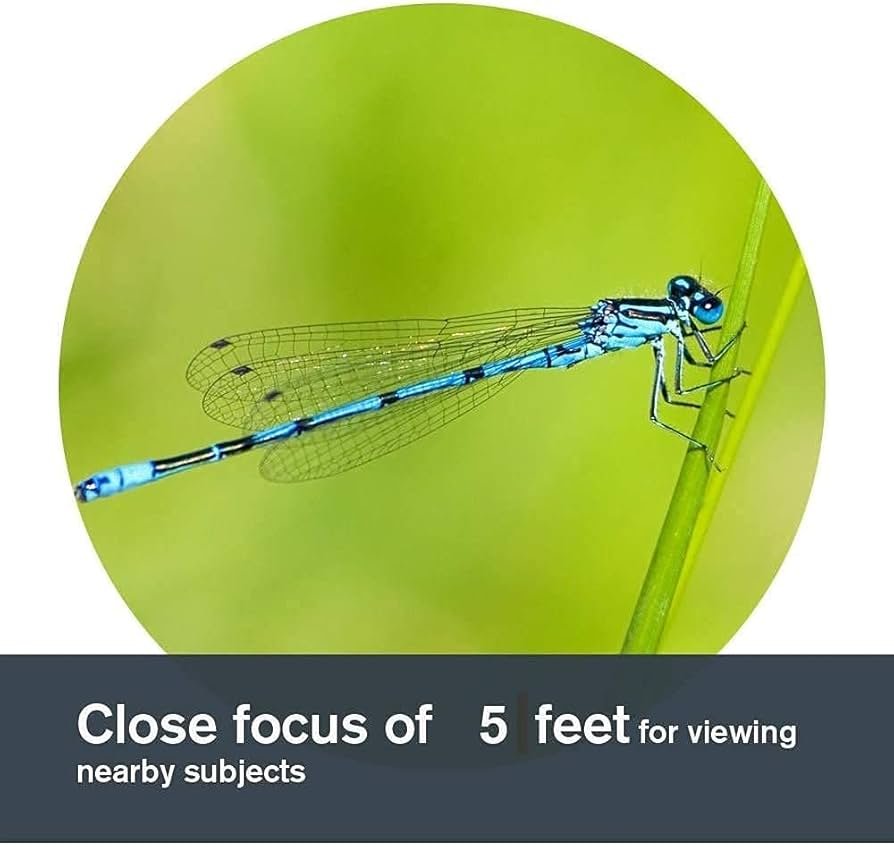
Close-focus binoculars let you see objects that are very near. This makes them great for looking at insects and other small things.
These binoculars help you observe tiny details clearly. They also make it easier to view objects in tight spaces like bushes or flowers.
Enhanced Detail Visibility
Close-focus binoculars bring small objects into sharp view. You can see fine details like the colors and shapes of insect wings.
This clear view helps you study insects without needing a magnifying glass. It shows patterns and textures you might miss with regular binoculars.
Improved Depth Perception
These binoculars keep both eyes focused on close objects. This gives a natural 3D view and better sense of distance.
Better depth perception helps you watch insects moving on plants. It also makes it easier to judge how far away they are.
Ease Of Use In Tight Spaces
Close-focus binoculars work well in crowded areas like bushes. You can focus on insects hiding among leaves or flowers.
They let you stay at a comfortable distance and still see close-up details. This makes insect watching less disturbing to the creatures.
Credit: www.teamduval.org
Features To Look For
Close-focus binoculars help you see insects up close. They let you watch small details without disturbing the insects.
Choosing the right features will improve your viewing experience. Focus on magnification, lens quality, and durability.
Magnification And Field Of View
Magnification shows how much closer you see the insect. Field of view tells you how wide the image is. For insect viewing, choose binoculars with:
- Moderate magnification (around 8x to 10x) to keep image clear
- Wide field of view to spot insects easily
- Close focus distance under 10 feet for sharp details
Lens Quality And Coatings
Good lenses and coatings make the view brighter and clearer. Look for binoculars with:
| Feature | Benefit |
| Fully multi-coated lenses | Reduce glare and increase light transmission |
| High-quality glass | Sharp, detailed images |
| Phase-corrected prisms | Improve contrast and resolution |
Durability And Weather Resistance
Insect watching often happens outside. Binoculars must be strong and resist weather. Important features include:
- Rubber armor for shock protection and grip
- Waterproof and fog-proof sealing
- Lightweight design for long use
Comparing Close-focus To Standard Binoculars
Close-focus binoculars and standard binoculars differ in how close they let you see objects. This matters a lot for insect viewing. Insects are small and often very near, so the right binocular helps you see them clearly.
This article looks at three key differences: focusing distance, image clarity, and portability. These points help you choose the best binoculars for watching insects.
Focusing Distance Differences
Close-focus binoculars allow you to focus on objects just a few feet away, usually around 6 to 10 feet. Standard binoculars have a longer minimum focusing distance, often 15 feet or more. This makes close-focus models better for seeing tiny insects up close.
Image Clarity At Close Range
Close-focus binoculars are designed to keep images sharp at short distances. Standard binoculars may blur or lose detail when viewing very close objects. This is crucial for insects where details like wing patterns matter.
- Close-focus models reduce distortion at near range.
- Standard models perform best at medium to far distances.
- Close-focus bins often have coatings to improve clarity.
- Standard bins may need extra adjustments to focus on close subjects.
Portability And Weight
| Feature | Close-Focus Binoculars | Standard Binoculars |
| Weight | Often lightweight for easy handling | Varies, can be heavier |
| Size | Compact size for close work | Usually bulkier |
| Use | Ideal for short trips and quick insect spotting | Better for long-distance viewing and birdwatching |
Best Close-focus Binoculars For Insect Viewing
Close-focus binoculars help you see insects clearly from a short distance. These binoculars have a close minimum focusing distance. They are good for watching small creatures like butterflies and beetles.
Not all binoculars have a close focus feature. Choosing the right pair can improve your insect viewing experience. Look for models designed for close observation with sharp images.
Top Brands And Models
Some brands make binoculars that work well for insect viewing. These brands focus on clear images and close focus distances. Popular models offer good magnification and comfort.
- Nikon Monarch 5: Close focus at 7.5 feet, sharp image
- Zeiss Terra ED: Clear optics, close focus about 6.5 feet
- Vortex Diamondback: Affordable, close focus near 6 feet
- Leica Trinovid HD: High quality, close focus around 6.5 feet
- Celestron Nature DX: Budget-friendly, close focus about 6.5 feet
Price Vs Performance
Close-focus binoculars come in different price ranges. Higher price often means better lenses and build quality. But some budget models still offer good performance for insect viewing.
Consider how often you will use the binoculars. If you watch insects a lot, investing more may be worth it. For casual use, budget options can work well.
- Budget: $50-$100, decent optics, good for beginners
- Mid-range: $150-$300, better clarity and durability
- High-end: $400+, best optics and close focus features
User Reviews And Ratings
Users often mention how close the binoculars can focus. Many like lightweight models for easy carrying. Some reviews highlight sharp images and bright views.
Common complaints include heavy weight and narrow field of view. Reading reviews helps find binoculars that match your needs. Look for models with consistent positive feedback.
- Good close focus and sharp images praised
- Lightweight and comfortable for long use liked
- Some models criticized for poor low-light performance
- Durability and build quality important in reviews
Tips For Viewing Insects With Binoculars
Using binoculars to watch insects can be fun and rewarding. Close-focus binoculars help you see small details up close.
To get the best views, you need the right environment, steady hands, and good lighting. These tips will guide you.
Choosing The Right Environment
Look for places where insects are common and easy to find. Gardens, fields, and near water are good spots.
Avoid windy or very hot days. Insects hide or fly away in bad weather, making them hard to see.
- Pick calm, warm days for better insect activity
- Search near flowers, plants, or water sources
- Stay quiet to avoid scaring insects away
Steady Handling Techniques
Hold your binoculars steady to get a clear view. Shaking or moving can blur the image and scare insects.
Rest your elbows on a solid surface like a table or tree branch. This helps keep your hands still.
- Use both hands to hold binoculars firmly
- Support elbows on a stable surface when possible
- Take slow, smooth breaths to reduce shaking
Lighting And Timing Considerations
Good light helps you see insect details clearly. Early morning or late afternoon light is soft and less harsh.
Bright sunlight can cause shadows and glare. Try to keep the sun behind you for better views.
- Observe insects during cooler parts of the day
- Face the light source to avoid shadows
- Use natural light for best color and detail

Credit: www.amazon.ca
Frequently Asked Questions
What Makes Close-focus Binoculars Ideal For Insect Viewing?
Close-focus binoculars allow viewing objects as near as a few feet. This helps to see insects in great detail without disturbing them. Their enhanced magnification and clarity make observing small creatures easier and more enjoyable.
How Close Can Close-focus Binoculars Focus On Insects?
Most close-focus binoculars focus as near as 6 to 10 feet. This proximity allows clear observation of insects without needing to get too close. It ensures sharp, detailed images of tiny insect features.
Can Regular Binoculars Be Used For Insect Observation?
Regular binoculars usually have a longer minimum focus distance. This makes them less effective for viewing insects up close. Close-focus binoculars are specially designed to provide sharp images at short distances.
Are Close-focus Binoculars Good For Outdoor Insect Watching?
Yes, they are excellent for outdoor insect watching. Their ability to focus closely lets you explore insect behavior naturally. They are lightweight and portable, ideal for nature walks and field studies.
Conclusion
Close-focus binoculars help you see insects clearly up close. They offer sharp detail and good color views. These binoculars make watching small creatures easier and more fun. Choosing the right pair depends on your needs and budget. Try different models to find what fits best.
Enjoy nature’s tiny wonders with better vision. Close-focus binoculars can add joy to your insect watching. Simple, clear, and close—the perfect view awaits.