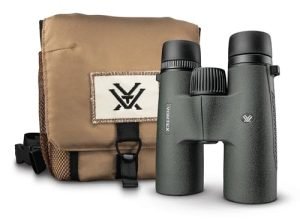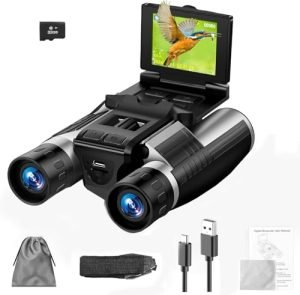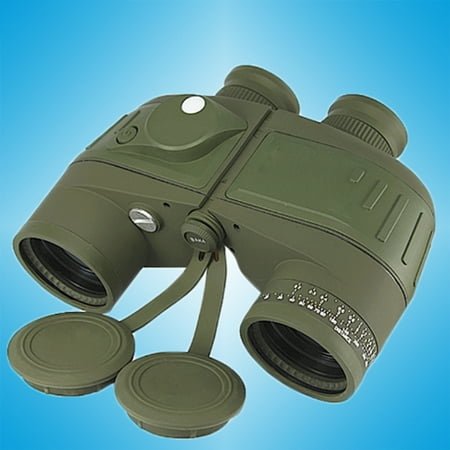
Have you ever tried watching butterflies up close, only to find them blurry or out of focus? If you love observing these delicate creatures, you know how frustrating it can be.
That’s where close-focus binoculars come in. But are they really the best choice for butterfly watching? You’ll discover how these binoculars work, why they might change the way you see butterflies, and what to look for when choosing the perfect pair.
Keep reading to make your butterfly watching clearer and more enjoyable than ever before.
Close-focus Binoculars Basics
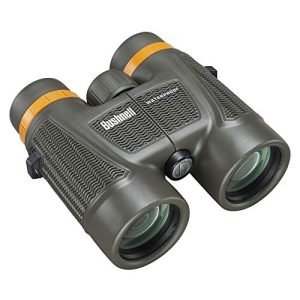
Close-focus binoculars let you see objects that are very near. They are great for watching small creatures like butterflies. These binoculars help you see details clearly without scaring the insects away.
Understanding how close-focus binoculars work helps you choose the right pair for butterfly watching. Let’s explore what close-focus means and how these binoculars differ from standard ones.
What Close-focus Means
Close-focus means the binoculars can focus on objects that are very close to you. Usually, these binoculars focus on things less than 6 feet away. This feature lets you see small insects clearly without moving too far back.
- Minimum focus distance is usually 6 feet or less
- Allows detailed views of small, nearby subjects
- Good for observing butterflies and flowers closely
- Helps avoid disturbing wildlife by staying at a close but safe distance
How They Differ From Standard Binoculars
Standard binoculars focus on objects far away, usually 10 feet or more. They are great for bird watching or seeing distant landscapes. Close-focus binoculars, on the other hand, work better for nearby subjects.
| Feature | Close-Focus Binoculars | Standard Binoculars |
|---|---|---|
| Minimum Focus Distance | 6 feet or less | 10 feet or more |
| Best Use | Watching close subjects like butterflies | Viewing distant objects like birds |
| Lens Design | Optimized for close range sharpness | Optimized for distance clarity |
| Size | Often compact and lightweight | Varies, sometimes larger |

Credit: newhopegr.org
Benefits For Butterfly Watching
Close-focus binoculars are designed to let you see objects very near. This makes them ideal for watching butterflies. You can enjoy clear views without scaring them away.
These binoculars help you notice small details and colors on butterflies. They also improve your overall experience while observing nature closely.
Enhanced Detail At Short Distances
Close-focus binoculars allow you to focus on butterflies that are just a few feet away. This brings out details that standard binoculars might miss.
- See the delicate patterns on butterfly wings.
- Observe the movement of antennae and legs.
- Notice subtle color changes and textures.
- Focus on small flowers where butterflies land.
Improved Observation Experience
Using close-focus binoculars makes watching butterflies more enjoyable and less stressful. You do not need to get too close and risk disturbing them.
| Feature | Benefit for Butterfly Watching |
| Close Focus Distance | Allows viewing butterflies at 3-5 feet |
| Lightweight Design | Easy to carry during long walks |
| Wide Field of View | Helps track moving butterflies easily |
| Sharp Image Quality | Reveals fine wing details and colors |
Key Features To Consider
Choosing the right binoculars helps you enjoy butterfly watching better. Close-focus binoculars can be great, but some features matter more than others.
Look closely at magnification, field of view, and weight. These features affect how easy and fun it is to watch butterflies.
Magnification And Lens Size
Magnification shows how much closer you see the butterfly. Lens size affects brightness and clarity. For butterfly watching, choose magnification between 6x and 10x. Bigger lenses give clearer views but add weight.
- 6x to 8x magnification offers a wide view and stable image
- Lens size around 30mm to 40mm balances brightness and weight
- Higher magnification can make images shaky without support
Field Of View
The field of view is the width of the area you see through the binoculars. A wider view helps spot butterflies quickly and follow their flight paths.
| Field of View (feet at 1000 yards) | Usefulness for Butterfly Watching |
| 300 feet or more | Excellent for tracking fast butterflies |
| 200 to 300 feet | Good balance of detail and area |
| Less than 200 feet | Too narrow, harder to follow butterflies |
Weight And Portability
Light binoculars help you watch butterflies longer without fatigue. Portability matters if you walk or hike in nature.
Consider these points for weight and portability:
- Look for binoculars weighing under 1.5 pounds (700 grams)
- Compact designs fit easily in a backpack or pocket
- Choose waterproof or fog-proof models for outdoor use
Top Models For Butterfly Enthusiasts
Close-focus binoculars let you see butterflies clearly. They work well for watching small, fast insects.
Choosing the right binoculars helps you enjoy butterfly watching better. Look for models with good close-focus distance.
Budget-friendly Options
Affordable binoculars can still offer good close-focus performance. They are great for beginners and casual watchers.
These models often have a close-focus distance of about 6 feet or less. They are lightweight and easy to carry.
- Nikon Prostaff 3S 8×42 – Clear image and close focus at 6.5 feet
- Celestron Nature DX 8×32 – Compact and sharp with 6.5 feet close focus
- Vortex Crossfire HD 8×32 – Durable with a close-focus of 6.5 feet
Premium Choices
Higher-end binoculars give sharper images and better close-focus capabilities. They suit serious butterfly watchers.
These models offer close-focus distances under 5 feet. They also provide brighter views and wider fields of view.
- Zeiss Terra ED 8×32 – Excellent optics with a 5.1 feet close focus
- Leica Trinovid HD 8×32 – Sharp images and 5 feet close-focus distance
- Swarovski CL Pocket 8×25 – Compact, bright with close focus at 5.1 feet
Tips For Using Binoculars In The Field
Using binoculars helps you see butterflies clearly without getting too close. It is important to know how to use them well in nature.
Good habits keep butterflies calm and let you enjoy watching them better.
Approaching Butterflies Without Disturbing Them
Butterflies are very sensitive to movement and noise. Walk slowly and quietly to avoid scaring them away. Stop often to watch through your binoculars.
- Wear dull-colored clothes to blend in with nature.
- Move slowly and avoid sudden movements.
- Keep your shadow away from the butterfly.
- Approach from the side, not from above.
- Wait patiently if the butterfly flies away.
Maintaining Stability And Focus
Holding binoculars steady is key to clear views. Use both hands and support your elbows against your body. Adjust focus carefully for sharp images.
| Tip | How to Do It |
| Hold binoculars with both hands | Grasp sides firmly to reduce shaking |
| Support elbows | Rest them on your chest or knees for stability |
| Adjust focus slowly | Turn the focus wheel gently to sharpen the image |
| Use a neck strap | Prevents dropping and allows quick viewing |
| Practice breathing control | Take steady breaths to keep still |

Credit: wildonline.blog
Alternatives To Close-focus Binoculars
Close-focus binoculars are popular for butterfly watching. They let you see small details up close. But some people want other options. These alternatives can also help you enjoy butterflies.
Here are two good alternatives to close-focus binoculars. Each offers different ways to watch butterflies well.
Macro Photography
Macro photography uses cameras with special lenses to capture tiny subjects like butterflies. This method shows very close and clear images. You can see fine details that binoculars might miss.
- Use a macro lens with your camera.
- Choose a tripod for stability.
- Shoot in good light for best colors.
- Be patient to get close without disturbing butterflies.
- Edit photos to enhance details.
Standard Binoculars With Extension Lenses
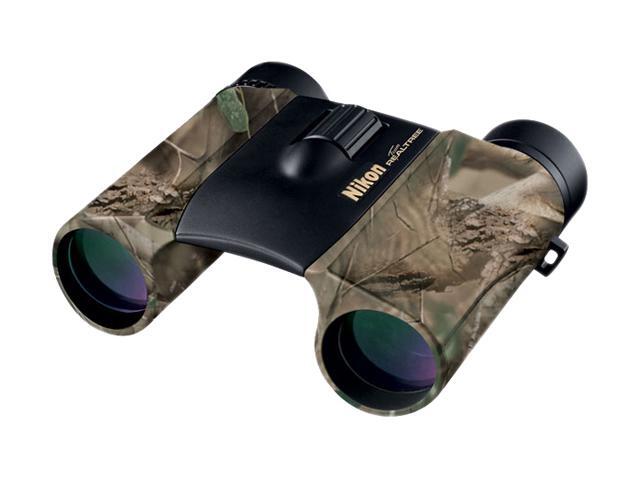
Standard binoculars can work for butterfly watching if you add extension lenses. These lenses help you focus on objects that are closer than usual.
| Type | Benefit | Considerations |
| Standard Binoculars | Easy to carry, good for distance viewing | Cannot focus very close without help |
| Extension Lenses | Improve close focus ability | May add weight and reduce image brightness |
| Combined Use | Better close-up viewing of butterflies | Need to adjust lenses carefully |
Credit: www.teamduval.org
Frequently Asked Questions
What Makes Close-focus Binoculars Ideal For Butterfly Watching?
Close-focus binoculars allow viewers to see butterflies clearly from a short distance. They provide sharp, detailed images essential for observing small, fast-moving butterflies without disturbing them.
How Close Can Close-focus Binoculars Focus?
Typically, close-focus binoculars can focus as near as 3 to 6 feet. This proximity helps butterfly watchers observe delicate wing patterns and colors up close.
Can Regular Binoculars Be Used For Butterfly Watching?
Regular binoculars usually have a longer minimum focus distance. They may not provide the detailed, close-up view needed for butterfly observation.
Do Close-focus Binoculars Improve Butterfly Identification?
Yes, close-focus binoculars enhance detail visibility. This clarity helps in accurately identifying butterfly species by observing wing patterns and markings.
Conclusion
Close-focus binoculars help you see butterflies up close and clear. They show fine details like wing patterns and colors well. These binoculars also let you watch without scaring butterflies away. They work best in bright light and calm weather. Choose a pair that feels comfortable and easy to carry.
Butterfly watching becomes more fun with the right tools. Try close-focus binoculars for a better nature experience. See tiny wonders that often go unnoticed. Enjoy every flutter and color up close.