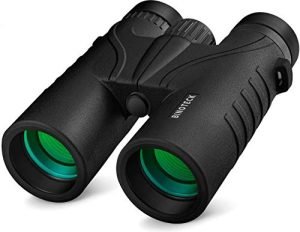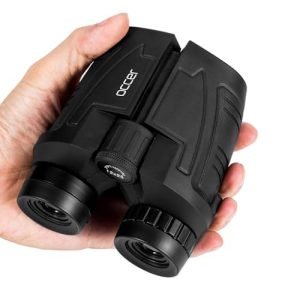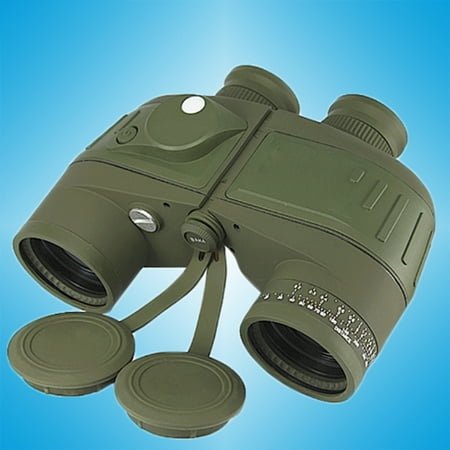
Are you curious if close-focus binoculars can stand up to everyday use? Whether you’re a nature lover, birdwatcher, or just enjoy getting up close to the action, durability matters.
You want binoculars that won’t break or lose clarity after a few adventures. You’ll discover what makes close-focus binoculars strong and reliable. Keep reading to find out if these binoculars are built to last and how to choose the best ones for your needs.
Your next outdoor experience depends on it!

Credit: www.amazon.ca
Close-focus Binoculars Basics
Close-focus binoculars let you see objects that are very near. They are different from regular binoculars that focus mostly on far-away things.
These binoculars are useful for many activities where details up close matter. You can use them for watching nature, arts, or sports up close.
What Close-focus Means
Close-focus refers to how near an object can be while still staying sharp through the binoculars. Normal binoculars usually focus best at distances over 10 feet.
Close-focus binoculars can focus on objects just a few feet away, sometimes as close as 2 to 3 feet. This allows you to see small details clearly.
- Close minimum focus distance
- Sharp image of near objects
- Enhanced detail and clarity
- Useful for small subjects
Common Uses And Benefits
Many people choose close-focus binoculars for specific tasks. They help see things clearly that are nearby without losing sharpness.
| Activity | Benefit of Close-Focus Binoculars |
| Bird Watching | See feathers and small movements |
| Insect Study | Observe tiny details on insects |
| Sports Events | Focus on close action on the field |
| Theater and Shows | Watch performers up close |
Materials Affecting Durability
Close-focus binoculars need to be strong for regular use. Their materials play a big role in how long they last. Choosing the right materials helps the binoculars resist damage and keep working well.
We will look at three main parts that affect durability: the body construction, lens and coating quality, and weatherproof features. Each part helps protect the binoculars in different ways.
Body Construction
The body is the frame that holds all parts together. It needs to be tough to avoid cracks or breaks. Many close-focus binoculars use materials like rubber, aluminum, or magnesium for the body.
Rubber coatings add grip and protect against drops. Aluminum is light and strong. Magnesium is even lighter and very durable but costs more. A good body helps the binoculars handle rough use.
- Rubber for shock absorption and grip
- Aluminum for lightness and strength
- Magnesium for extra lightness and durability
Lens And Coating Quality
Lenses are the glass parts that let you see. High-quality glass is harder to scratch and break. Coatings on lenses protect them from dirt and reduce glare.
Good coatings also help water slide off lenses, which keeps views clear. Durable lens coatings keep the binoculars working well for a long time and make cleaning easier.
- High-quality glass resists scratches
- Coatings reduce glare and improve clarity
- Water-repellent coatings help keep lenses clean
Weatherproof Features
Weatherproofing protects binoculars from rain, dust, and fog. Many have seals and special fillings inside to keep moisture out. This prevents damage from water and keeps lenses clear.
Some binoculars are also fog-proof. They use gases like nitrogen or argon inside to stop fogging. Weatherproof features make binoculars last longer outdoors.
- Sealed bodies block water and dust
- Fog-proof gas filling stops internal fogging
- Protects binoculars during rain and cold
Design Factors That Enhance Longevity
Close-focus binoculars must last through many uses. Their design plays a key role in making them strong. Good design protects the binoculars from damage and wear.
Several factors help improve the durability of these binoculars. These include materials, build quality, and special features to resist shocks and weather.
Shock Resistance
Shock resistance means the binoculars can handle drops and bumps. This is important for outdoor use where accidents happen. Many binoculars use rubber armor to absorb impact.
The rubber coating also helps prevent scratches and dents. Internal parts are often cushioned to avoid damage from sudden shocks.
- Rubber armor covers the body
- Internal padding protects lenses and prisms
- Sturdy hinges and joints reduce breakage
Water And Fog Proofing
Water and fog proofing keeps binoculars clear and working in wet weather. Sealed lenses stop water from entering the device. This prevents damage and mold growth.
Fog proofing uses special gas inside the binoculars. This gas stops moisture from building up on lenses during temperature changes.
- O-ring seals block water and dust
- Nitrogen or argon gas prevents fogging
- Waterproof coatings protect lens surfaces
Ergonomic Build
Ergonomic design makes binoculars easy and safe to hold. Comfortable grips reduce the chance of dropping them. This helps the binoculars last longer.
A well-balanced build reduces hand strain. This encourages careful use and less wear on parts like hinges and focus wheels.
- Textured grips provide a secure hold
- Lightweight materials reduce fatigue
- Balanced shape prevents accidental slips
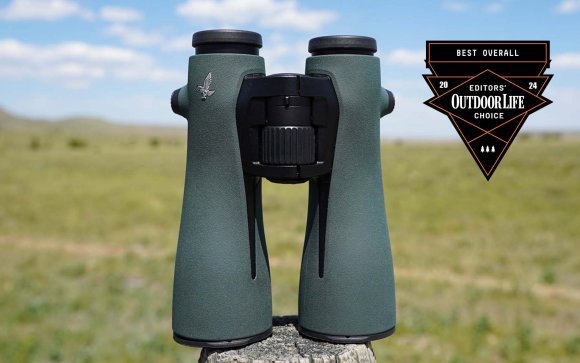
Credit: www.outdoorlife.com
User Care And Maintenance Tips
Close-focus binoculars need proper care to last long. Good maintenance keeps them working well.
Simple habits help protect your binoculars from damage and dirt. Follow these tips to keep them in shape.
Cleaning Best Practices
Clean your binoculars carefully to avoid scratches. Use soft cloths and gentle cleaning solutions.
Never touch the lenses with your fingers. Dirt and oils can harm the lens coating.
- Use a blower brush to remove loose dust.
- Wipe lenses with a microfiber cloth in a circular motion.
- Use lens cleaning fluid if needed, not household cleaners.
- Clean the body with a damp cloth, not the lenses.
Storage Recommendations
Store your binoculars in a dry and cool place. Avoid places with high humidity or heat.
Use a protective case to keep dust and moisture away. This also protects against accidental drops.
- Keep binoculars in their padded case when not in use.
- Store in a place with stable temperature and low humidity.
- Use silica gel packs to absorb moisture inside the case.
- Do not leave binoculars in direct sunlight for long times.
Handling Precautions
Handle your binoculars gently to avoid damage. Always use the neck strap for safety.
Be careful when adjusting focus or folding the binoculars. Rough handling can misalign lenses.
- Hold binoculars with both hands to steady your grip.
- Use the neck strap to prevent drops.
- Turn focus knobs slowly and smoothly.
- Avoid touching the lenses or eyepieces directly.
Comparing Durability Across Brands
Close-focus binoculars vary in durability depending on the brand. Some brands use stronger materials and better designs. This makes their binoculars last longer in tough conditions.
Durability matters for outdoor use. People want binoculars that resist drops, water, and dust. Comparing brands helps find the best balance of toughness and quality.
Top Durable Models
Some models stand out for their strong build and long life. These binoculars often have rubber coatings and sealed lenses. This protects them from shocks and moisture.
- Nikon Monarch 5: Known for solid construction and water resistance.
- Vortex Viper HD: Offers rugged design and fog-proof lenses.
- Zeiss Terra ED: Built with high-quality materials for outdoor use.
- Celestron TrailSeeker: Durable frame with good weather sealing.
Price Vs. Durability
Expensive binoculars often use better parts. This can mean stronger bodies and better protection. But some mid-range models also offer good durability.
Cheaper binoculars may break easier and lack weatherproof features. Spending more usually means longer use and fewer repairs.
| Price Range | Durability Features | Examples |
|---|---|---|
| High ($300+) | Waterproof, fog-proof, rubber armor | Nikon Monarch 5, Vortex Viper HD |
| Mid ($100-$300) | Some weather sealing, decent build | Celestron TrailSeeker, Zeiss Terra ED |
| Low (<$100) | Basic plastic frame, limited sealing | Entry-level brands |
Real User Experiences
Close-focus binoculars allow users to see objects nearby with clear detail. Many people use them for bird watching, hiking, or sports.
Durability is important because these binoculars often face rough conditions. Real users share their thoughts on how long their binoculars last.
Common Durability Issues
Some users notice scratches on lenses after outdoor use. This can happen if the binoculars do not have strong lens covers.
Other common problems include loose focus knobs and cracked rubber grips. These parts wear out after heavy use or drops.
- Scratched lenses from rough handling
- Loose focus mechanisms after long use
- Rubber grips peeling or cracking
- Water damage if not waterproof
Success Stories
Many users report their binoculars last years with simple care. Keeping them in a case and cleaning lenses gently helps a lot.
Some users praise binoculars with metal bodies and waterproof seals. These models survive rough weather and accidental drops well.
- Using hard cases during travel
- Cleaning lenses with soft cloths only
- Choosing models with metal frames
- Buying waterproof or water-resistant versions

Credit: www.amazon.ca
Frequently Asked Questions
Are Close-focus Binoculars Built To Last?
Close-focus binoculars are generally durable, designed with sturdy materials like rubber and metal. They withstand regular outdoor use and minor impacts well. However, durability varies by brand and model quality.
How Does Close Focus Affect Binocular Durability?
Close focus mechanisms add complexity but don’t usually reduce durability. High-quality optics and robust construction maintain strength even with close-focus features.
Can Close-focus Binoculars Handle Rough Outdoor Conditions?
Yes, most close-focus binoculars are weather-resistant and shockproof. They are suitable for hiking, birdwatching, and other rugged activities without easily breaking.
Do Waterproof Close-focus Binoculars Offer Better Durability?
Waterproofing enhances durability by protecting internal lenses from moisture damage. It also prevents fogging and corrosion, increasing binocular lifespan.
Conclusion
Close-focus binoculars often offer good durability for regular use. Many models have sturdy materials that resist scratches and impacts. Proper care can extend their lifespan even more. Water-resistant and fog-proof features add extra protection. Choose binoculars that fit your needs and budget.
Durable binoculars deliver clear views without frequent repairs. Small size does not mean fragile. Think about how and where you will use them. Overall, close-focus binoculars can last long with smart handling. They remain reliable tools for nature watching and hobbies.