Have you ever wondered how rescuers find hikers lost in vast wilderness? When every second counts, having the right tools can make all the difference between safety and danger.
Binoculars might seem like a simple gadget, but could they be the key to spotting someone stranded far away? If you’re curious about how these devices can help save lives and what makes them so valuable in rescue missions, keep reading.
This article will show you why binoculars might be one of the most important tools in a stranded hiker rescue—and how they work to bring people home safely.

Credit: gearjunkie.com
Role Of Binoculars In Rescue
Binoculars help rescuers see faraway places clearly. They make it easier to find stranded hikers in large areas.
Using binoculars allows rescuers to scan wide spaces without moving too much. They are a key tool in many rescue missions.
Enhancing Visibility Over Distances
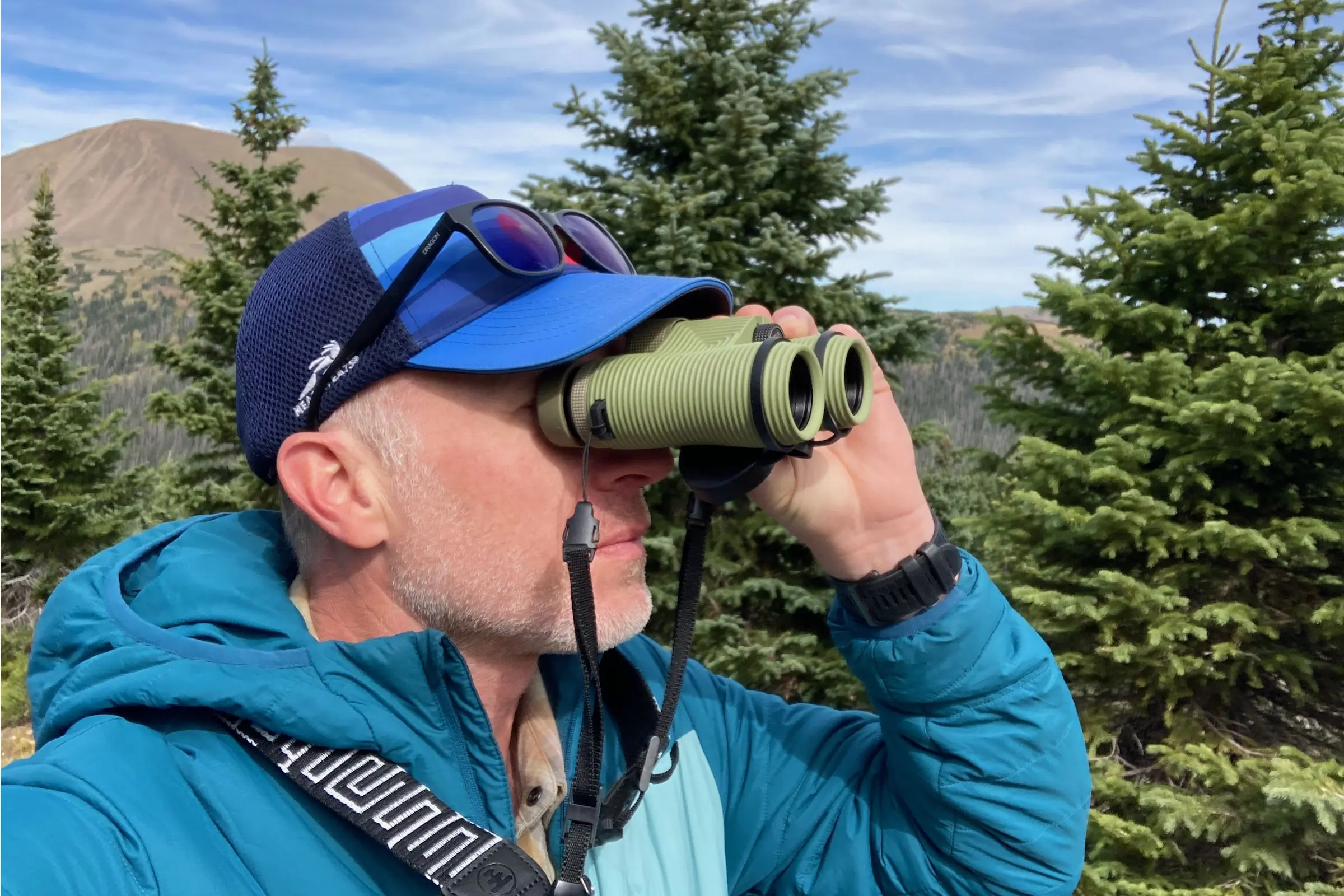
Binoculars magnify distant objects, making them look closer. This helps rescuers spot hikers who are far away or hidden by trees.
- See details at long distances
- Reduce the need to move closer
- Cover more ground quickly
- Help in rough or dangerous terrain
Spotting Signals And Movements
Binoculars help rescuers notice small signals like waving hands or flashlights. They can also detect subtle movements in the area.
| Signal Type | How Binoculars Help |
| Waving Hands | Magnify to see gestures clearly |
| Flashlights | Spot light flashes from far away |
| Clothing Colors | Identify bright or unusual colors |
| Movement | Detect small changes in position |
Identifying Terrain Features
Binoculars help rescuers study hills, rocks, and rivers. This information guides rescue plans and helps find safe paths.
| Terrain Feature | Rescue Use |
|---|---|
| Hills | Locate high points for better views |
| Rivers | Find water sources for stranded hikers |
| Rocky Areas | Spot places where hikers may be trapped |
| Open Fields | Identify clear landing zones for helicopters |
Credit: gearjunkie.com
Types Of Binoculars For Rescue
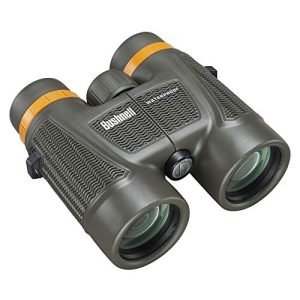
Binoculars can help rescuers find stranded hikers faster. Choosing the right type is important. Different models suit different rescue needs.
Understanding the key features like size, magnification, and durability helps pick the best binoculars for search missions.
Compact Vs. Full-size Models
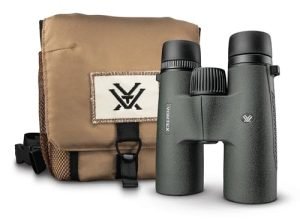
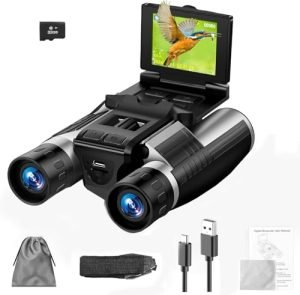
Compact binoculars are small and easy to carry. They fit in pockets and backpacks. Full-size models are larger but offer better views. They are heavier but have wider lenses for clearer images.
- Compact binoculars weigh less and are portable.
- Full-size binoculars provide brighter and sharper images.
- Full-size models are better for long searches in open areas.
- Compact models work well in tight spaces and quick movements.
Magnification And Lens Quality
Magnification shows how close objects appear. Lens quality affects image clarity. Rescue binoculars often have 8x to 10x magnification. Good lenses reduce glare and improve brightness.
| Feature | Typical Range | Benefit |
| Magnification | 8x – 10x | Clear view of distant objects |
| Objective Lens Size | 25mm – 42mm | More light for brighter images |
| Lens Coating | Multi-coated | Sharper images, less glare |
Durability And Weather Resistance
Rescue binoculars must survive tough conditions. Water resistance and fog-proof features keep lenses clear. Strong housing protects against drops and scratches.
- Rubber armor shields against bumps and shocks.
- Sealed bodies prevent water and dust entry.
- Nitrogen or argon purging stops internal fogging.
- Lightweight yet tough materials help carry them easily.
Practical Use In Search Operations
Binoculars help rescuers find stranded hikers faster. They make search operations more effective and safe.
Using binoculars, teams can spot signals and movements from a distance. This tool is common in many rescue missions.
Scanning Large Areas Efficiently
Binoculars allow rescuers to see far away places clearly. This helps cover large areas without moving much.
- They increase the visible range for searchers.
- Rescuers can spot signs of life or signals from afar.
- Binoculars reduce the need to physically explore every spot.
- They help focus efforts on key locations quickly.
Coordinating With Rescue Teams
Binoculars help team leaders guide members during searches. Clear sight improves communication and planning.
| Function | Benefit |
| Spotting signals | Quick location updates |
| Observing terrain | Better route decisions |
| Watching team positions | Improved safety |
Limitations In Dense Forests And Nighttime
Binoculars have limits in thick woods and darkness. Trees block views, and low light lowers visibility.
Key challenges include:
- Dense branches block distant views.
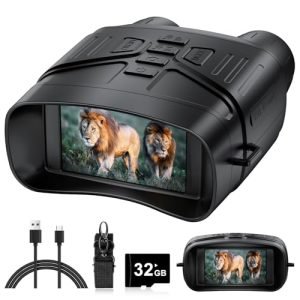
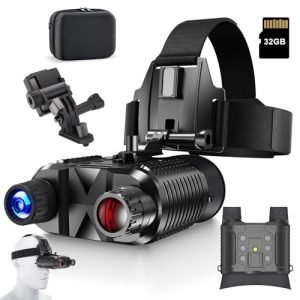
- Nighttime vision needs special equipment.
- Fog or rain further reduce effectiveness.
Alternatives And Complementary Tools
Binoculars help spot stranded hikers from a distance. They improve vision but have limits in some conditions. Other tools can assist rescue teams.
Using different devices together increases chances of finding lost hikers fast. Each tool offers unique benefits during search and rescue missions.
Drones And Aerial Surveillance
Drones fly over hard-to-reach areas and send live video to rescuers. They cover large zones faster than people on foot. This helps locate hikers quickly.
- Reach remote or dangerous spots safely
- Provide real-time images and videos
- Carry lights or speakers to signal hikers
- Work well in daylight and clear weather
Thermal Imaging Devices
Thermal cameras detect heat from bodies, even at night or through light fog. They help find people who might be hidden by trees or terrain.
| Feature | Benefit for Rescue |
|---|---|
| Detects body heat | Finds hikers in dark or dense areas |
| Works day and night | Extends search hours safely |
| Shows heat differences | Distinguishes humans from animals or objects |
Gps And Communication Gear
GPS devices track exact locations of hikers and rescuers. Radios and satellite phones keep teams connected in remote areas without cell service.
- GPS helps mark search zones and record paths
- Radios allow quick alerts and updates
- Satellite phones work where phones fail
- Some gear includes emergency signal features
Training And Preparedness
Binoculars help rescuers find stranded hikers from far away. Proper training ensures teams use binoculars well.
Preparedness includes learning how to handle binoculars and keeping them ready for use. This saves time and helps find people faster.
Proper Binocular Handling Techniques
Hold binoculars steady to get a clear view. Use both hands and keep elbows close to your body for support.
Adjust the focus slowly to avoid missing details. Avoid touching lenses with fingers to keep them clean.
- Use a neck strap to prevent drops
- Keep lenses covered when not in use
- Practice scanning wide areas before zooming in
Integrating Binoculars Into Rescue Protocols
Include binocular use in all rescue plans. Assign team members trained to operate them during searches.
Use binoculars early to spot hikers or signs from a distance. Combine binocular scans with maps and GPS for better results.
- Train teams to communicate binocular findings clearly
- Plan search routes based on binocular observations
- Practice using binoculars in different weather conditions
Regular Equipment Maintenance
Check binoculars before each rescue mission. Clean lenses with a soft cloth and remove dust or dirt.
Inspect for damage and fix problems quickly. Store binoculars in a dry, safe place to avoid moisture and scratches.
- Clean lenses with lens cleaning solution
- Test focus and zoom functions regularly
- Replace worn straps or covers as needed

Credit: ts2.tech
Frequently Asked Questions
How Do Binoculars Aid In Stranded Hiker Rescues?
Binoculars help rescuers spot stranded hikers from a distance. They improve visibility in rough terrains, making searches faster. This tool enhances safety by allowing early location identification, reducing rescue time significantly.
Can Binoculars Improve Search Accuracy In Wilderness?
Yes, binoculars increase search accuracy by magnifying distant areas. They help rescuers scan vast wilderness efficiently. This precision reduces false leads and focuses efforts where help is needed most.
Are Binoculars Essential Equipment For Rescue Teams?
Binoculars are vital for rescue teams. They provide a clear view of hard-to-reach places. Using binoculars increases the chances of finding stranded hikers quickly and safely.
What Features Make Binoculars Suitable For Rescue Missions?
Durability, waterproofing, and high magnification are key features. Lightweight design and wide field of view also matter. These features ensure binoculars perform well in harsh rescue environments.
Conclusion
Binoculars play a vital role in rescuing stranded hikers. They help spot individuals from afar. Rescuers use them to scan vast areas quickly. This tool increases the chance of finding hikers fast. They enhance visibility, even in challenging terrains. Lightweight and portable, they’re perfect for search teams.
Binoculars also aid in assessing dangerous paths. By offering a clear view, they guide safe rescue routes. Investing in quality binoculars is wise for rescue operations. Their importance in outdoor safety can’t be overstated. In emergencies, every second counts. Binoculars save time and lives.