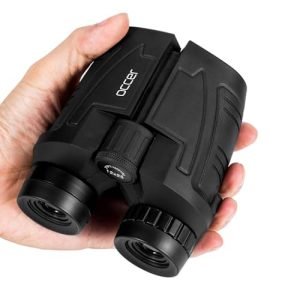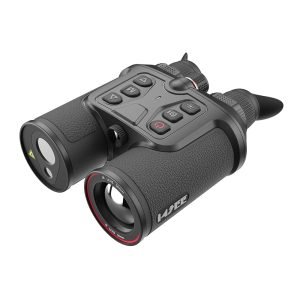
When disaster strikes, every second counts. You need tools that help you see clearly, act quickly, and stay safe.
Have you ever wondered if binoculars could make a real difference in your work as a disaster volunteer? Imagine spotting danger from afar or finding someone in need without wasting precious time. This article will show you why binoculars might be one of the smartest additions to your emergency kit.
Keep reading to discover how this simple tool can boost your effectiveness and keep you one step ahead when it matters most.

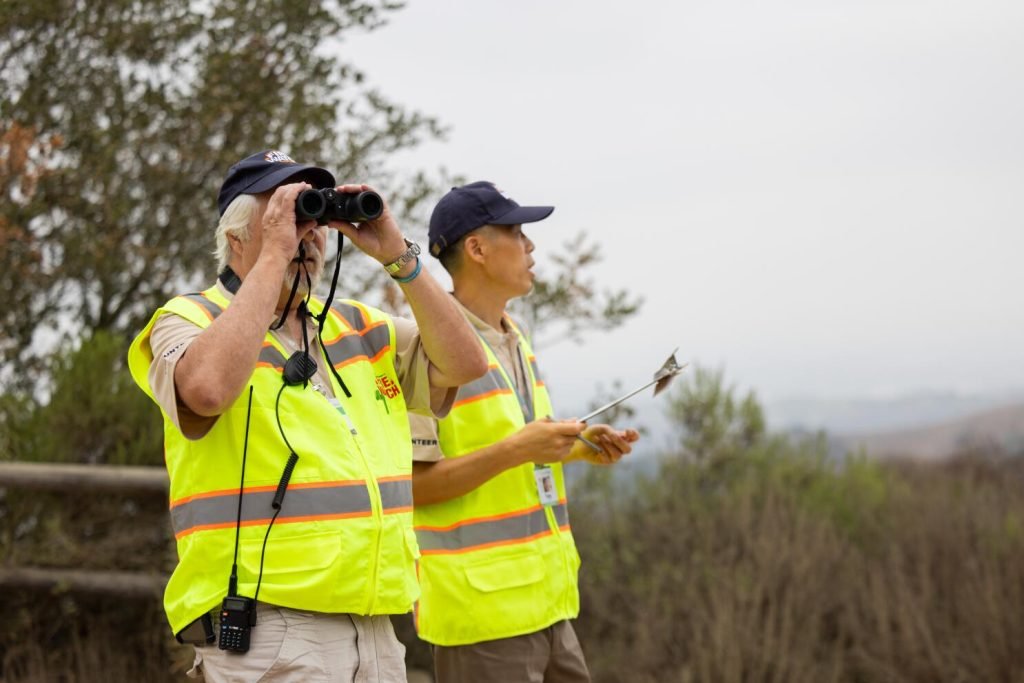
Credit: www.latimes.com
Role Of Binoculars In Disaster Response
Binoculars are useful tools for volunteers working in disasters. They help volunteers see far places clearly.
Using binoculars can improve safety and speed in rescue efforts. Volunteers can spot dangers and victims quickly.
Enhancing Situational Awareness
Binoculars help volunteers understand the whole disaster area better. They can watch large spaces from one spot.
Seeing far helps volunteers notice changes in the environment. This lets them act fast to keep safe.
- Spot blocked roads or fallen trees
- Observe weather changes
- Watch movements of people or animals
Locating Victims From A Distance
Volunteers use binoculars to find people who need help. This is important in wide or rough areas.
Binoculars allow volunteers to see signals or signs from victims far away. It saves time in rescues.
- Spot waving hands or clothes
- See smoke or fire signals
- Identify safe paths to victims
Monitoring Hazardous Areas Safely
Binoculars let volunteers watch dangerous zones without entering them. This reduces risk of injury.
Volunteers can track hazards like fires, floods, or unstable buildings from a safe distance.
- Observe fire spread
- Check flood water levels
- Watch for falling debris
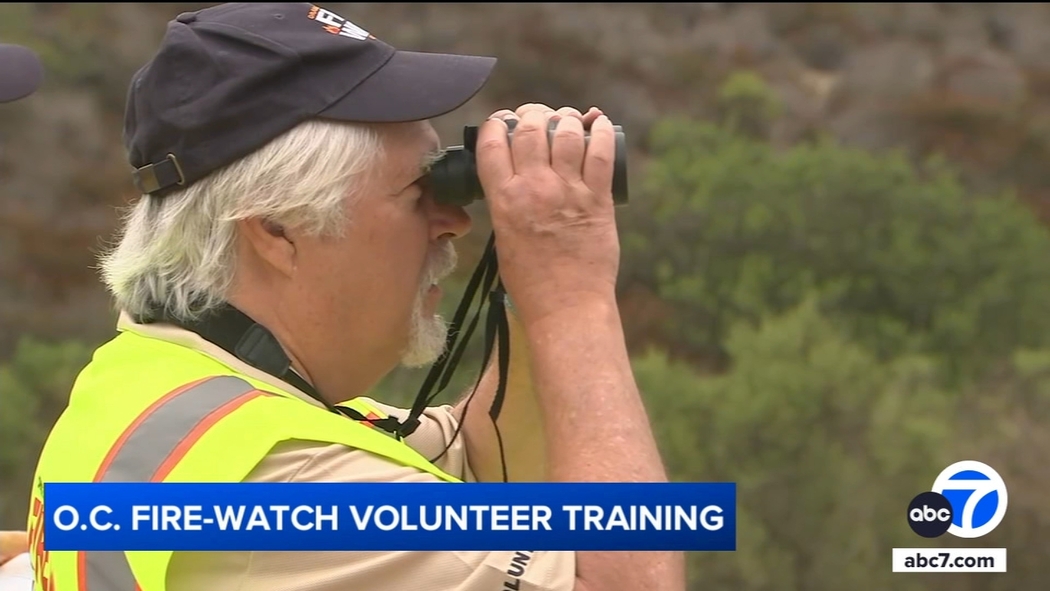
Credit: abc7.com
Key Features For Volunteer Binoculars
Binoculars help disaster volunteers see far areas clearly. Choosing the right pair is important. They must be easy to use and reliable.
This guide explains key features to look for in binoculars for volunteers. Focus on magnification, durability, and portability.
Magnification And Field Of View
Magnification shows how much closer objects appear. Field of view is the width of the area you can see. Volunteers need a balance of both.
- Choose 7x to 10x magnification for clear but steady images.
- A wide field of view lets you see more without moving the binoculars.
- Higher magnification can make images shaky and harder to focus.
Durability And Weather Resistance
Disaster zones can be rough and wet. Binoculars must resist water, dust, and shocks. This helps them last longer and work in any weather.
| Feature | Reason |
| Waterproof | Works in rain and wet conditions |
| Shockproof | Survives drops and impacts |
| Fogproof | Prevents lens fog inside the binoculars |
| Rubber Armor | Protects body and improves grip |
Portability And Weight Considerations
Volunteers often carry many tools. Lightweight and compact binoculars reduce fatigue. Easy to carry models improve quick access and use.
- Look for binoculars under 30 ounces for easy carrying.
- Compact sizes fit better in backpacks or vests.
- Include a strap or case for hands-free transport.
Practical Uses During Different Disasters
Binoculars are valuable tools for disaster volunteers. They help see faraway places clearly. Volunteers can use binoculars to spot dangers and find people in need.
Different disasters require different uses of binoculars. Volunteers can watch from a safe distance and gather important information quickly.
Search And Rescue Missions
Binoculars help volunteers find missing people in large areas. They can scan forests, mountains, or open fields. This tool saves time and helps avoid getting lost.
Volunteers spot signs like movement, clothing, or signals. They can guide rescue teams to the exact location. Binoculars improve safety by allowing volunteers to stay at a distance.
Wildfire Monitoring
During wildfires, binoculars let volunteers watch fire spread from afar. They can see smoke, flames, and changes in fire direction. This helps in giving early warnings.
Volunteers use binoculars to check on firefighters and safe zones. They also spot new fire starts or hot spots that need attention. This information supports better firefighting plans.
Flood And Storm Assessment
Binoculars assist volunteers in checking water levels and damage after floods. They can see blocked roads, stranded people, or broken structures from a distance.
During storms, volunteers watch clouds, wind patterns, and lightning. Binoculars help spot hazards early. This allows teams to prepare and protect affected communities.
Training Volunteers To Use Binoculars Effectively
Binoculars help disaster volunteers see far places clearly. Training volunteers to use them well is important.
Good training improves safety and helps volunteers spot important details from a distance.
Basic Operation And Maintenance
Volunteers need to know how to hold and focus binoculars correctly. They should also learn how to clean and store them.
Proper care keeps binoculars working well during long missions and rough conditions.
- Hold binoculars steady with both hands
- Adjust the focus for clear vision
- Clean lenses with a soft cloth only
- Store binoculars in a dry, safe place
- Check for damage before and after use
Identifying Landmarks And Signs
Volunteers use binoculars to spot landmarks and signs from far away. Training helps them recognize important features fast.
Knowing what to look for helps volunteers report the right information quickly.
- Learn common landmarks in the disaster area
- Spot signs like smoke, fire, or damaged buildings
- Use a map to match what you see with locations
- Note changes or new hazards
Communicating Observations Clearly
Volunteers must describe what they see using clear language. This helps teams act fast and stay safe.
Training includes how to give exact details about location and conditions.
- Use simple words to describe what you see
- Give exact locations using landmarks or coordinates
- Report any dangers or urgent needs immediately
- Speak calmly and clearly
Choosing The Right Binoculars For Volunteering
Binoculars help disaster volunteers see far and wide. They make it easier to spot dangers and find people who need help.
Picking the right binoculars depends on your tasks and budget. Here are some key options to consider.
Budget-friendly Options
Volunteers on a tight budget can find binoculars that work well. Look for models with good optics and sturdy build.
- Compact size for easy carrying
- Water-resistant to handle bad weather
- Moderate magnification, usually 8x to 10x
- Lightweight design to reduce fatigue
High-performance Models
For serious volunteers, high-performance binoculars offer better clarity and durability. They cost more but last longer.
| Feature | Benefit |
| Magnification (10x or more) | See details at long distance |
| Large Objective Lens | Brighter images in low light |
| Rubber Armor | Better grip and shock protection |
| Waterproof and Fog-proof | Work well in all weather |
Recommendations Based On Volunteer Needs
Choose binoculars based on the tasks you will do in the field. Different jobs need different features.
Here are some tips for picking binoculars by volunteer role:
- Search and Rescue:Use high magnification and waterproof models.
- Survey and Assessment:Medium magnification with wide field of view helps.
- General Support:Lightweight and easy-to-carry binoculars work best.
Limitations And Challenges
Binoculars can help disaster volunteers see faraway areas clearly. Still, they have limits and challenges that affect their use. These issues can reduce their usefulness in some situations.
Understanding these limits helps volunteers prepare better and use binoculars more effectively in disaster zones.
Visibility Issues In Poor Weather
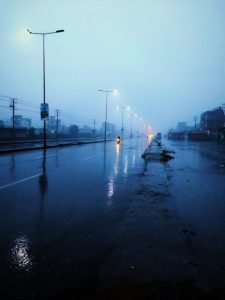
Bad weather like rain, fog, or dust can block the view through binoculars. The lenses might get wet or dirty, making it hard to see clearly. This reduces the binoculars’ value during storms or heavy fog.
- Rain can blur the lenses and block light.
- Fog causes images to look dim and unclear.
- Dust or smoke can cover lenses and harm visibility.
- Strong wind may shake the binoculars, making it hard to focus.
Physical Strain From Prolonged Use
Using binoculars for a long time can cause neck and arm pain. Holding them steady is tiring. This strain may lower a volunteer’s focus and alertness over time.
| Type of Strain | Cause | Effect |
| Neck strain | Holding binoculars up for long | Pain and discomfort |
| Arm fatigue | Keeping arms raised steadily | Reduced holding time |
| Eye strain | Focusing for long periods | Blurred vision or headaches |
Dependence On Other Equipment
Binoculars often need other gear to work well. Volunteers may need tripods, cleaning kits, or lighting to improve use. Without these, binoculars may not perform their best in tough conditions.
Examples of supporting equipment include:
- Tripods for steady viewing
- Lens cloths to keep lenses clean
- Extra batteries for digital models
- Protective cases for safe transport
Volunteer Stories And Real-life Examples
Disaster volunteers often face tough conditions. Binoculars can help them see far and stay safe.
Many volunteers share stories about how binoculars helped in search and rescue missions. These tools improve their ability to spot dangers and locate survivors.
Success Stories Using Binoculars
One volunteer team used binoculars to spot stranded people on a flooded hill. They alerted the rescue boat, saving many lives.
- A volunteer saw smoke from a distance and found a small fire before it spread.
- Another team used binoculars to monitor a landslide area for moving debris.
- Volunteers spotted wildlife near camps to avoid dangerous encounters.
Lessons Learned From Field Experiences
Volunteers learned that binoculars must be sturdy and easy to carry. Rainproof models worked best in wet conditions.
| Lesson | Details |
| Durability | Strong casing protects lenses in rough terrain |
| Weight | Light binoculars reduce fatigue during long hours |
| Lens Quality | Clear images help spot small or distant objects |
| Water Resistance | Essential for rainy or wet environments |

Credit: www.latimes.com
Frequently Asked Questions
Are Binoculars Essential For Disaster Volunteers?
Yes, binoculars help volunteers spot hazards and victims from a distance. They improve safety and efficiency during rescue missions.
How Do Binoculars Improve Disaster Response?
Binoculars allow quick assessment of affected areas. Volunteers can identify risks and plan actions without approaching dangerous zones.
What Features Should Disaster Volunteers Look For In Binoculars?
Volunteers need lightweight, waterproof binoculars with good magnification and clear lenses. Durable models withstand harsh environments during disaster relief efforts.
Can Binoculars Enhance Volunteer Communication?
Yes, binoculars help volunteers signal and coordinate from afar. They improve teamwork and ensure timely, accurate information sharing in emergencies.
Conclusion
Binoculars help volunteers see far and stay safe. They spot dangers early and find people quickly. Using binoculars saves time in rescue work. Volunteers can plan better with clear views. These tools add value without heavy weight. Simple, strong binoculars make a big difference.
Every disaster team benefits from this extra help. Volunteers work smarter and protect themselves more. A small tool with a big impact.