Have you ever wondered if it’s safe to use binoculars to look at the sun? It’s a question many people ask, especially when the sun’s beauty and power grab their attention.
You might think that binoculars simply help you see things more clearly, but when it comes to the sun, things aren’t so simple. Using binoculars incorrectly can cause serious damage to your eyes—damage you might not feel right away but could last a lifetime.
You’ll discover the surprising facts about binoculars and sun viewing, and most importantly, how to protect your vision while enjoying the sky safely. Keep reading—you won’t want to miss these crucial tips.
Risks Of Sun Gazing With Binoculars
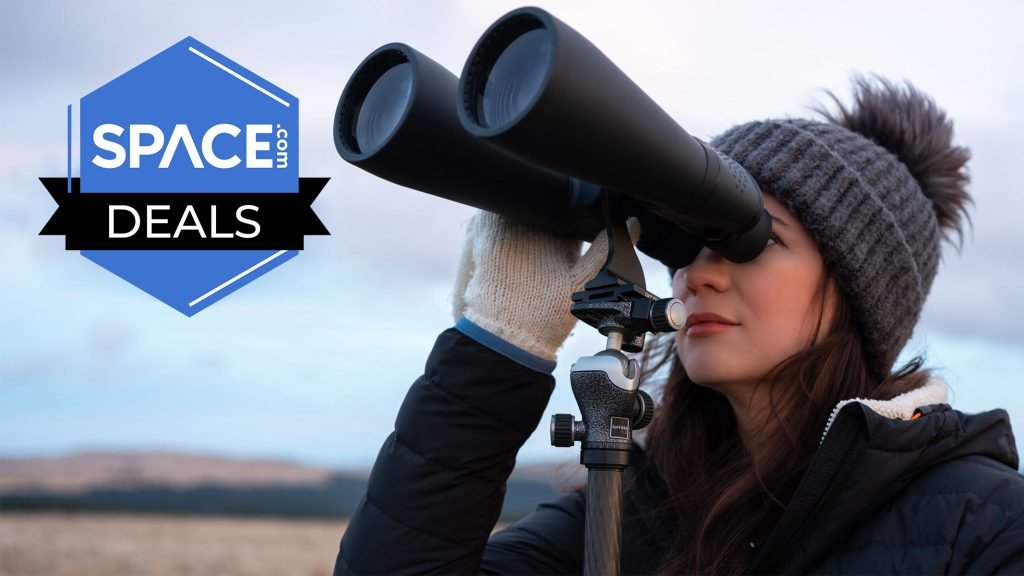
Looking at the sun with binoculars is very dangerous. These devices make the sunlight stronger. This can harm your eyes quickly.
Understanding the risks helps you protect your vision. Always avoid pointing binoculars at the sun.
How Binoculars Amplify Sunlight
Binoculars use lenses to make objects look closer. This also concentrates sunlight into a smaller area. The brightness and heat increase a lot.
- Binoculars focus sunlight directly into your eye.
- The light intensity can be hundreds of times stronger.
- This high energy can damage the sensitive parts of your eye.
Potential Eye Damage
Direct sun gazing with binoculars can cause serious eye injuries. The damage might happen instantly or slowly over time.
| Type of Damage | Effect on Eyes |
| Retinal Burns | Permanent blind spots or vision loss |
| Macular Degeneration | Loss of central vision |
| Photokeratitis | Eye pain and temporary vision problems |
Long-term Vision Consequences
Eye injuries from sun gazing may cause lasting problems. These can affect your ability to see clearly for years.
- Permanent vision loss in damaged areas of the retina.
- Increased risk of eye diseases later in life.
- Difficulty reading, driving, or seeing faces.
Credit: www.space.com
Safe Alternatives For Solar Viewing
Looking directly at the sun can harm your eyes. Using binoculars without protection makes it worse. There are safe ways to view the sun without risking damage.
These alternatives help you enjoy solar observation safely. Always use proper tools designed for solar viewing.
Solar Filters For Binoculars
Solar filters fit over the front lenses of binoculars. They block harmful rays and let safe light pass through. Only use filters made specifically for solar viewing.
- Choose filters that fit your binocular model.
- Check filters for scratches or damage before use.
- Never use homemade or damaged filters.
- Always attach filters securely to avoid exposure.
Using Solar Glasses
Solar glasses block dangerous sunlight and allow safe direct viewing. They are made with special materials that reduce brightness and UV rays.
| Feature | Solar Glasses |
| Protection | Blocks UV and infrared rays |
| Brightness | Reduces sunlight to safe levels |
| Cost | Affordable and widely available |
| Usage | Wear when looking at the sun directly |
Projection Methods
Projection methods let you see the sun safely without looking directly. They show the sun’s image on a screen or paper.
- Use a pinhole projector to cast the sun’s image.
- Project the image through binoculars onto a white surface.
- Keep your eyes away from the binocular eyepiece during projection.
- Ensure the area around the projector is shaded for better viewing.
Choosing The Right Equipment
Looking at the sun requires special tools to protect your eyes. Regular binoculars are not safe for solar viewing. Using the right equipment helps avoid serious eye damage.
It is important to know what makes some binoculars safe for the sun. This guide explains how to choose the best gear for solar observation.
Certified Solar Filters
Only use binoculars with certified solar filters. These filters block harmful rays and allow safe viewing. Look for filters that meet international safety standards.
- Filters must reduce sunlight intensity safely
- They should block ultraviolet and infrared rays
- Certification from reputable organizations is a must
- Always check the filter’s condition before use
Avoiding Homemade Solutions
Do not use homemade filters or materials like sunglasses or CDs. These do not provide enough protection and can cause eye injury.
| Common Homemade Item | Safety Level |
| Sunglasses | Unsafe |
| CD or DVD pieces | Unsafe |
| Smoked glass | Unsafe |
| Solar filter film (certified) | Safe |
Trusted Brands And Products
Choose products from trusted brands that specialize in solar viewing gear. These brands test their binoculars and filters to meet safety rules.
- Check brand reviews and user feedback
- Look for products with clear safety certifications
- Buy from reputable stores or official websites
- Follow the product instructions carefully

Credit: wcyb.com
Best Practices During Solar Observation
Looking at the sun can be dangerous if you do not take proper care. Using binoculars to see the sun without safety can harm your eyes. It is important to follow safety steps to protect yourself.
These tips help you enjoy solar observation without risking eye damage. Always use the right tools and watch your actions closely.
Inspecting Equipment Before Use
Check your binoculars carefully before using them to look at the sun. Make sure there are no cracks or dirt on the lenses. Damaged equipment can cause more harm.
Do not use binoculars that are not made for solar viewing. Special solar filters must fit securely on the front lenses. Without filters, the sun’s rays can damage your eyes instantly.
- Look for cracks or scratches on lenses
- Clean lenses gently to remove dust
- Confirm solar filters are attached and undamaged
- Never use binoculars without proper solar filters
Avoiding Direct Sun Exposure
Do not point binoculars directly at the sun without a solar filter. The bright light can burn your eyes quickly. Always use approved solar filters on binoculars.
Never look through binoculars at the sun for a long time. Take breaks to protect your eyes. Use indirect viewing methods if possible.
- Use only binoculars with solar filters
- Do not look at the sun without protection
- Limit the time spent observing the sun
- Consider using a solar projector or eclipse glasses
Supervising Children
Children should never use binoculars to look at the sun alone. Adults must watch them carefully during solar observation. Teach kids why sun safety is important.
Explain the dangers of looking at the sun without protection. Help children use solar filters correctly. Keep binoculars with solar filters out of reach when not in use.
- Always watch children during solar viewing
- Teach them to use solar filters properly
- Keep unsafe equipment away from kids
- Use child-friendly solar viewing tools when possible
Signs Of Eye Injury From Sun Viewing
Looking at the sun through binoculars can harm your eyes. The sun’s rays get stronger and can cause damage quickly. It is important to know the signs of eye injury.
Understanding symptoms helps you act fast. Early care can protect your vision from long-term harm.
Symptoms To Watch For
Eye injury from sun viewing can show many symptoms. Some signs appear right after exposure, while others may take time.
- Blurred or distorted vision
- Eye pain or discomfort
- Redness in the eye
- Increased sensitivity to light
- Seeing spots or flashes
- Headache near the eyes
When To Seek Medical Help
Get medical help quickly if you notice symptoms after sun viewing. Early treatment may reduce damage. Do not wait for symptoms to go away on their own.
- If you have sudden vision loss or sharp pain
- If symptoms last more than a few hours
- If you see flashing lights or many spots
- If your eye becomes very red or swollen
- If you feel nausea or dizziness with eye pain
Preventive Measures
Protect your eyes by avoiding direct sun viewing through binoculars. Use safe tools and follow safety tips.
| Action | Reason |
| Never look directly at the sun with binoculars | Magnifies harmful rays and damages retina |
| Use solar filters made for binoculars | Blocks dangerous sunlight safely |
| Wear UV-protective sunglasses | Reduces UV exposure to eyes |
| Limit sun viewing time | Prevents overexposure and injury |
| Supervise children using optical devices | Prevents accidental eye damage |

Credit: www.ebay.com
Frequently Asked Questions
Are Binoculars Safe For Direct Sun Viewing?
No, binoculars are not safe for direct sun viewing. They concentrate sunlight, causing eye damage and permanent blindness risks.
Can Binoculars Damage Your Eyes When Looking At The Sun?
Yes, binoculars magnify the sun’s rays, which can burn your retina instantly. Avoid using them for solar observation.
What Are Safe Alternatives To Binoculars For Sun Viewing?
Use solar filters, eclipse glasses, or specially designed solar telescopes. These protect your eyes from harmful solar radiation safely.
Why Shouldn’t I Use Binoculars During A Solar Eclipse?
Binoculars amplify the sun’s intense light, increasing eye injury risk. Only use certified solar viewing glasses for eclipses.
Conclusion
Viewing the sun with binoculars is dangerous. They can damage your eyes. Always use special solar filters. They protect your vision. Regular binoculars lack protection. Even a quick glance harms the eyes. Serious injuries can occur. It’s best to be cautious.
Prioritize safety over curiosity. Specialized equipment exists for solar viewing. Invest in proper tools. Your eye health is important. Don’t risk permanent damage. Seek expert guidance if needed. Remember, safe practices matter. Always stay informed and cautious. Keep your eyes safe and healthy.