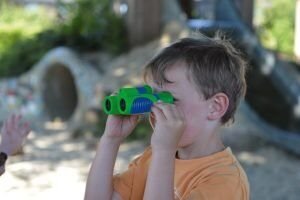
Are you wondering if binoculars are safe for your kindergarten activities? You want to give your little ones fun and exciting tools to explore the world, but safety always comes first.
Using binoculars can spark curiosity and help children see things up close, but you might be asking yourself: Are they really safe for young kids? You’ll discover what you need to know before introducing binoculars to your classroom or playtime.
Keep reading to find simple tips and expert advice that will help you make the best choice for your child’s safety and learning.

Credit: www.walmart.com
Benefits Of Binoculars For Kids
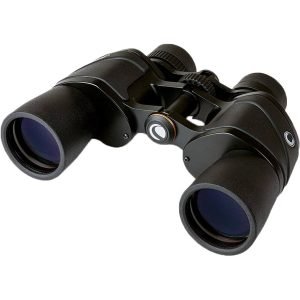
Binoculars are safe tools that help children see things far away. They make learning fun by showing details that are hard to see with the naked eye.
Using binoculars can support many skills. Kids enjoy exploring nature and feel more curious about the world around them.
Enhancing Observation Skills
Binoculars train children to focus and notice small details. This skill helps them in school and everyday life.
- Improves attention to detail
- Sharpens visual tracking
- Encourages patience and focus
Encouraging Outdoor Exploration
Binoculars invite kids to go outside and explore safely. They help children see animals, plants, and landscapes up close.
| Activity | Benefit |
| Bird Watching | Learn about different species |
| Nature Walks | Discover plants and insects |
| Park Visits | Observe playground and surroundings |
Boosting Curiosity And Learning
Kids use binoculars to ask questions and learn about their environment. This sparks interest in science and nature.
Using binoculars helps children:
- Ask more questions about what they see
- Understand distances and sizes better
- Feel excited about new discoveries
Safety Concerns With Binoculars
Binoculars can be fun tools for young children to explore nature. Still, safety is important when using them in kindergarten activities. Careful use helps prevent accidents and protects children’s eyes.
Adults should guide children on how to handle binoculars correctly. This ensures a safe and enjoyable experience.
Eye Safety And Proper Use
Binoculars should never be pointed directly at the sun. Looking at bright light can damage young eyes. Teach children to use binoculars only for safe viewing, like trees or birds.
- Explain why looking at the sun is dangerous.
- Show how to adjust focus gently.
- Supervise use to avoid misuse.
- Clean lenses carefully to keep views clear.
Physical Handling And Durability
Children’s binoculars should be sturdy and able to handle drops. Lightweight models reduce strain on small hands. Soft materials and rounded edges help prevent injuries.
| Feature | Reason |
| Shock-resistant body | Protects binoculars from drops |
| Lightweight design | Easy for children to carry |
| Rounded edges | Prevents cuts and bruises |
| Non-slip grips | Helps children hold binoculars securely |
Age-appropriate Design Features
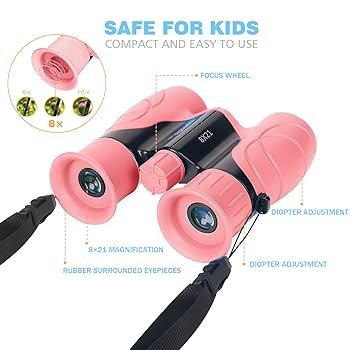
Binoculars designed for young kids have simple controls and limited magnification. This reduces frustration and safety risks. Straps keep binoculars close and avoid dropping.
- Magnification between 3x and 5x is best for young users.
- Easy-to-turn focus knobs fit small fingers.
- Adjustable neck straps keep binoculars secure.
- Bright colors make them easy to spot.
Choosing The Right Binoculars For Kindergarten
Binoculars can be fun and educational for young children. Choosing the right pair is important to keep kids safe and interested.
Some binoculars are easier for small hands to hold. Others may have features that fit young learners better.
Size And Weight Considerations
Binoculars should be light so kids can hold them without getting tired. Small sizes fit better in little hands.
Heavy or large binoculars can be hard for young children to use safely. Choose ones made for kids or with compact designs.
Magnification Levels Suitable For Kids
Low magnification helps children see things clearly without too much shaking. High power is harder to control.
- 3x to 5x magnification is best for kindergarten kids
- Higher magnification can cause blurry images and eye strain
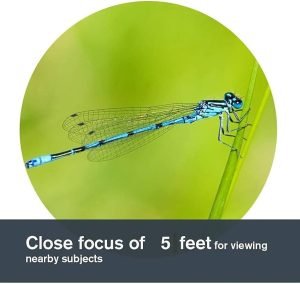
- Simple zoom helps kids focus easily on nearby objects
Material And Build Quality
Binoculars made with strong plastic or rubber are safer for young children. They resist drops and rough use.
Look for models with smooth edges and secure lenses. Avoid binoculars with small parts that can come off.
Supervision And Usage Tips
Binoculars can be a fun tool for kindergarten activities. They help children explore and learn about their surroundings. Adults should guide children to use binoculars safely.
Proper supervision and clear rules keep children safe. Teaching safe habits helps prevent accidents and makes the experience enjoyable.
Teaching Safe Practices
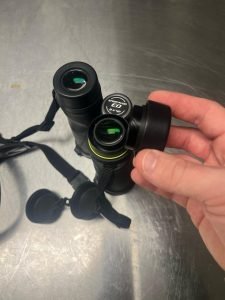
Explain to children how to hold binoculars correctly. Show them not to look directly at the sun or bright lights. Teach them to use both hands and keep the straps around their neck.
- Hold binoculars with both hands
- Do not point at the sun
- Use the neck strap to avoid dropping
- Keep lenses clean and handle gently
Setting Time Limits For Use
Limit the time each child uses the binoculars. This prevents eye strain and keeps the group engaged. Short sessions help maintain focus and reduce the chance of accidents.
| Child | Max Usage Time |
| One-on-One | 5 minutes |
| Small Groups (2-3) | 3 minutes each |
| Large Groups (4+) | 2 minutes each |
Incorporating Binoculars Into Group Activities
Use binoculars as part of fun group games. Activities can include nature walks or spotting colors and shapes. This encourages teamwork and sharing.
- Bird watching challenge
- Find the hidden object
- Nature color spotting
- Outdoor story time using binocular views
Alternatives To Traditional Binoculars
Traditional binoculars can be tricky for young children to use safely. They may be heavy or have small parts that can cause harm. Teachers and parents often look for safer ways for kids to explore nature and learn observation skills.
This guide explores some safe alternatives to traditional binoculars. These options suit kindergarten activities and keep kids engaged while protecting their safety.
Toy Binoculars
Toy binoculars are made especially for young children. They are lightweight and built from safe materials. These binoculars often have larger parts and simple designs to avoid choking hazards.
Kids can use toy binoculars to practice looking closely at objects. The lenses may not zoom much, but they help children learn focus and observation skills.
- Made of plastic and safe for kids
- Lightweight and easy to hold
- Simple, no small or sharp parts
- Encourage visual exploration and play
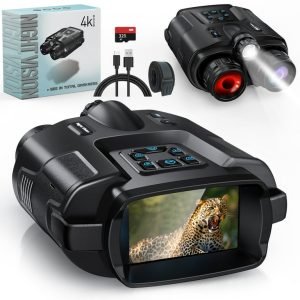
Digital Viewing Devices
Digital viewing devices use screens and cameras to show faraway things. Some devices connect to tablets or phones, letting kids see zoomed images safely. These tools do not require children to look through tiny lenses.
They can be interactive and fun, offering options to take pictures or videos. Digital devices teach kids about technology and observation at the same time.
- Show images on screens, not lenses
- Often connect to phones or tablets
- Allow taking photos and videos
- Safe, no need to peer through small parts
Other Observation Tools
Other tools help kids observe nature without binoculars. Magnifying glasses, for example, let children see small details up close. Simple field scopes or periscopes designed for kids offer safe ways to explore.
These tools encourage curiosity and can be easier to use than traditional binoculars. They also help children learn about the world around them safely.
- Magnifying glasses show tiny details
- Child-friendly field scopes provide zoom
- Periscopes help see over obstacles
- Simple and safe for young users

Credit: www.amazon.ca

Credit: www.bhphotovideo.com
Frequently Asked Questions
Are Binoculars Safe For Young Children In Kindergarten?
Yes, binoculars designed for children are safe when used properly. Supervision is important to prevent misuse and accidents.
What Features Make Binoculars Suitable For Kindergarten Kids?
Look for lightweight, durable, and easy-to-hold binoculars with low magnification. Soft eye cups and non-toxic materials ensure safety.
Can Binoculars Cause Eye Strain Or Damage In Children?
Proper use of binoculars does not cause eye damage. Encourage breaks and avoid prolonged staring to prevent eye strain.
How Can Teachers Safely Incorporate Binoculars In Activities?
Teachers should demonstrate correct use and supervise closely. Use binoculars in short sessions during outdoor exploration to engage kids safely.
Conclusion
Binoculars can be safe for kindergarten activities with proper care. Choose child-friendly models with no sharp edges. Teach children how to hold and use them gently. Always supervise to avoid accidents or misuse. Binoculars can help kids explore and learn about nature.
They improve focus and curiosity in a fun way. Safety comes first, but the experience can be exciting too. Small steps keep playtime both safe and educational.