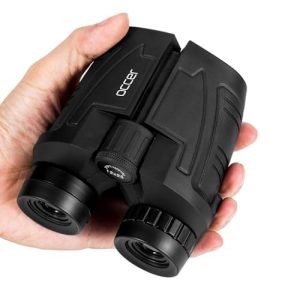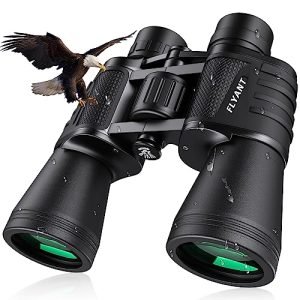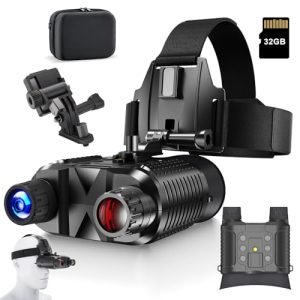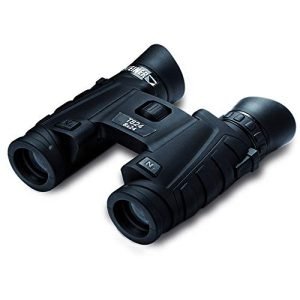
Are you thinking about giving binoculars to your toddler as a fun toy? It might seem like a great idea to spark their curiosity and sense of adventure.
But before you hand over those lenses, it’s important to ask: are binoculars really safe for your little one? You’ll discover the hidden risks and smart tips to make sure your child stays safe while exploring. Keep reading to find out what you need to know before making this choice for your toddler.

Credit: www.amazon.com
Risks Of Binoculars For Toddlers
Binoculars may seem like fun toys for toddlers. They can explore the world up close. Still, these devices carry some risks for young children.
Parents should know about possible dangers. Safety matters most when toddlers play with binoculars.
Choking Hazards
Binoculars often have small parts. These parts can come loose and cause choking. Toddlers tend to put things in their mouths.
- Small lenses or caps can detach
- Screws and buttons may come off
- Straps or cords can wrap around fingers or neck
- Broken pieces may be sharp and dangerous
Eye Safety Concerns
Binoculars focus light and images. Toddlers may look directly at the sun. This can harm their eyes.
The eyepieces can press too hard on a toddler’s face. This may cause discomfort or injury. Toddlers do not always know how to use binoculars safely.
| Eye Safety Risk | Description |
|---|---|
| Sunlight Exposure | Looking at bright lights can damage the retina. |
| Pressure Injury | Hard eyepieces can hurt the eyes or skin. |
| Improper Use | Toddlers may poke eyes accidentally. |
Material Toxicity
Some binoculars use materials that can be harmful. Paint, plastics, and coatings may contain toxins. Toddlers often chew on toys.
- Lead or harmful chemicals in paint
- Plastic parts that break into sharp pieces
- Coatings that irritate skin or mouth
- Non-food safe materials

Credit: www.amazon.com
Choosing Toddler-friendly Binoculars
Binoculars can be fun toys for toddlers to explore the world. It is important to pick the right ones. Safety and ease of use should guide your choice.
Look for binoculars made especially for young children. These help toddlers learn and play safely.
Size And Weight Considerations
Binoculars should be small enough for little hands to hold. Heavy or large binoculars can be hard to carry and use. Choose lightweight models to keep toddlers comfortable.
A good size helps toddlers focus and enjoy looking around without strain. Avoid binoculars with sharp edges or parts that stick out.
Durable And Non-toxic Materials
Toddlers often drop toys and put things in their mouths. Pick binoculars made from strong, safe materials. Plastic that does not break easily is best.
Make sure the binoculars use non-toxic paint and parts. This reduces risks if toddlers chew or lick the toy. Durability means they will last through rough play.
Simple Design Features
Simple binoculars without many small parts are safer for toddlers. Avoid complicated knobs or lenses that can come apart. Easy-to-use focus and no removable pieces are ideal.
- Large eyepieces to fit toddler faces
- Easy grip handles or rubber grips
- Bright colors for fun and visibility
Supervision And Usage Guidelines
Binoculars can be interesting toys for toddlers but they need close watching. Toddlers do not always understand how to use binoculars safely.
Adults should guide toddlers on the right way to play with binoculars. This keeps playtime fun and safe.
Setting Time Limits
Limit how long toddlers use binoculars to avoid eye strain. Too much looking through lenses can tire their eyes.
Short play sessions help keep kids interested and prevent misuse. Breaks let their eyes rest and focus better later.
- Set play sessions to 10-15 minutes max
- Take breaks between each session
- Watch for signs of eye discomfort or fatigue
Safe Handling Practices
Teach toddlers how to hold binoculars gently and properly. Rough handling can break the toy or cause injury.
Show them how to carry binoculars with both hands. This helps prevent dropping and keeps lenses clean.
- Hold binoculars with both hands
- Keep lenses away from dirt and water
- Store binoculars safely after use
Avoiding Rough Play
Stop any rough play involving binoculars right away. Swinging or throwing them can hurt children or damage the toy.
Explain why binoculars are for looking only, not for hitting or tossing. Set clear rules about safe play.
- No throwing or dropping binoculars
- No hitting others with binoculars
- Use binoculars only for looking and exploring
Alternatives To Binoculars For Toddlers
Binoculars can be tricky for toddlers to use safely. They might drop or misuse them. Choosing safer toys helps keep playtime fun and injury-free.
There are many toys and activities that encourage exploration without the risks binoculars bring. These options suit young children well.
Toy Binoculars With Safety Features
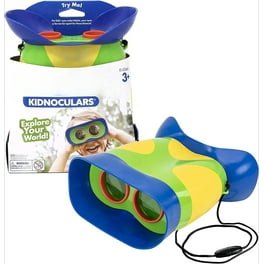
Toy binoculars made for toddlers have soft edges and light materials. They often use plastic lenses instead of glass. These features lower injury risks.
- Large, easy-to-grip handles to prevent dropping
- Rounded corners and no sharp parts
- Lightweight design for small hands
- Non-toxic, durable plastic materials
- Simple focus adjustment to avoid frustration
Other Exploration Toys
Many toys encourage curiosity without using binoculars. These toys help toddlers learn about nature and their surroundings safely.
| Toy | Purpose | Safety Feature |
| Magnifying Glass | Look closely at leaves and bugs | Plastic lens, large handle |
| Bug Catcher Kit | Collect and observe insects | Ventilated containers, smooth edges |
| Nature Puzzle | Learn about animals and plants | Big pieces, non-toxic materials |
| Outdoor Chalk | Draw and explore outside | Washable, safe ingredients |
Encouraging Outdoor Observation
Encouraging toddlers to watch nature can be fun and safe. Simple tools and games can help them focus on the outdoors without hazards.
- Go on nature walks with a simple checklist
- Use colorful picture books to spot animals
- Set up a safe outdoor observation spot
- Encourage asking questions about what they see
- Provide safe containers to collect leaves or rocks
Signs Of Unsafe Use
Binoculars can be fun for toddlers but may also pose risks. Watching for unsafe use helps keep children safe.
Parents should know the signs that binoculars are not safe as toys for toddlers. These signs help prevent accidents and injuries.
Physical Injuries
Physical injuries may happen if toddlers use binoculars unsafely. Common injuries include poking eyes or hitting the face.
- Scratches or redness around the eyes
- Bruises or bumps on the head or face
- Choking on small binocular parts
- Falls caused by distraction while walking
Behavioral Warnings
Watch how toddlers behave with binoculars. Unsafe signs include rough handling or putting parts in their mouth.
- Throwing or dropping the binoculars often
- Trying to take binoculars apart
- Using binoculars to hit or poke others
- Chewing or biting the lenses or edges
When To Remove The Toy
| Condition | Reason to Remove |
|---|---|
| Visible damage (cracks, loose parts) | Risk of injury or choking hazard |
| Toddler shows repeated unsafe behavior | Prevent accidents and teach safe play |
| Child complains of pain or discomfort | Stop use to check for injuries |
| Too young to understand safe use | Wait until child is older |

Credit: www.amazon.com
Frequently Asked Questions
Are Binoculars Safe For Toddlers To Use?
Binoculars can pose risks for toddlers if not designed for their age. Choose models with shatterproof materials and large, easy-to-grip handles. Always supervise toddlers during use to prevent accidents. Ensure that the binoculars are labeled safe for young children to ensure peace of mind.
What Age Is Appropriate For Toy Binoculars?
Toy binoculars are generally suitable for children aged 3 and up. At this age, children can handle them properly. Always check the manufacturer’s age recommendation. This ensures the toy is appropriate and safe for your child. Opt for models specifically designed for their developmental stage.
Can Toddlers Harm Their Eyes With Binoculars?
Yes, improper use can harm toddlers’ eyes. Toddlers may inadvertently point binoculars towards the sun. This can cause eye damage. Always supervise their use and educate them on safe handling. Choose binoculars with protective features like UV filters to minimize risks.
How To Choose Safe Binoculars For Toddlers?
Select binoculars made from durable, non-toxic materials. Look for models with soft rubber eyepieces. This provides comfort and safety. Ensure they have no small parts that could be choking hazards. Reading reviews and manufacturer guidelines can also help make an informed decision.
Conclusion
Binoculars can be fun for toddlers but come with risks. Small parts might cause choking, and lenses can hurt eyes. Always choose binoculars made for young children. Watch your toddler closely during playtime. Teach them to use binoculars safely and gently.
Safety matters most when picking toys for little ones. Keep toys simple and age-appropriate to avoid accidents. Toddlers explore the world best with safe, easy toys.