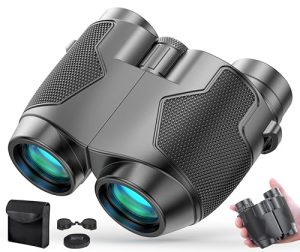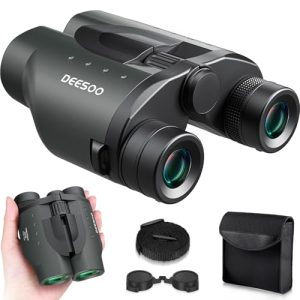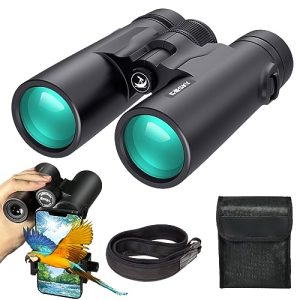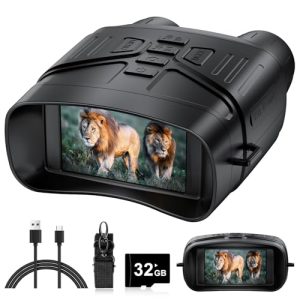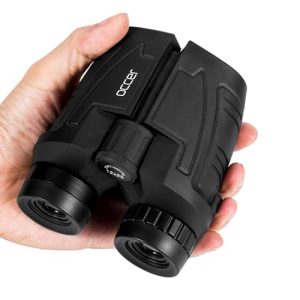
When you’re on a tactical night mission, every second counts and every detail matters. You need gear you can trust—especially when it comes to seeing in the dark.
But can binoculars really deliver the reliability you require when the stakes are this high? If you’ve ever wondered whether binoculars can be your eyes in the night or if they might let you down when it matters most, this article is for you.
Keep reading to discover the truth about binoculars in tactical night missions and find out how to choose the right tools to keep you safe and sharp.
Night Vision Technology In Binoculars
Binoculars help users see in dark places. Night vision technology lets you see at night. This is useful for tactical missions.
There are different types of night vision in binoculars. Each works in a special way. Understanding these helps pick the right tool.
Types Of Night Vision
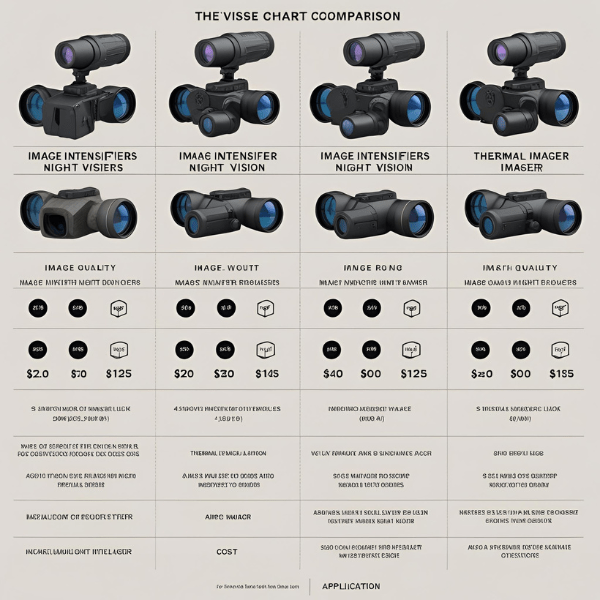
Two main types of night vision exist: image intensification and thermal imaging. Each type has strengths and limits.
- Image Intensification:Brightens low light to show details.
- Thermal Imaging:Detects heat from objects and living beings.
Image Intensification Vs Thermal Imaging
| Feature | Image Intensification | Thermal Imaging |
| Light Needed | Some ambient light | No light needed |
| Detail Level | High detail, shows shapes and colors | Shows heat patterns, less detail |
| Best Use | Clear night with some light | Complete darkness or smoke |
| Limitations | Fails in total darkness | Less detail, can miss cold objects |
Performance In Low Light
Night vision binoculars must work well in low light. Image intensifiers need some light to boost. Thermal works in total dark.
- Image intensifiers improve vision by amplifying moonlight or starlight.
- Thermal imaging detects heat, useful in fog or smoke.
- Both types have limits based on environment and mission needs.

Credit: goodnitegearshop.com
Key Features For Tactical Use
Binoculars are essential tools for tactical night missions. Their features must support clear vision and reliability in tough conditions. Choosing the right binoculars means focusing on several key aspects.
Each feature impacts how well binoculars perform in low light and rough environments. Durability, magnification, and power options are critical to mission success.
Durability And Build Quality
Tactical binoculars need to survive harsh conditions. They must resist water, dust, and shocks to keep working during a mission. A strong body and protective coatings help with this.
- Waterproof and fog proof to prevent damage
- Rubber armor for impact resistance
- Lightweight but sturdy materials
- Sealed lenses to block dust and dirt
Magnification And Field Of View
Magnification helps see distant targets clearly. The field of view shows how wide the visible area is through the binoculars. Both affect how quickly you locate objects at night.
| Feature | Importance | Notes |
|---|---|---|
| Magnification | High | Usually 6x to 10x for tactical use |
| Field of View | Medium | Wider view helps spot movement fast |
| Lens Coating | High | Improves light transmission at night |
Battery Life And Power Options
Night vision binoculars often need power. Long battery life keeps them active without frequent changes. Multiple power options add flexibility.
- Rechargeable batteries for convenience
- Standard batteries as backup
- Low power consumption for longer use
- Easy battery access during missions
Advantages Of Binoculars In Night Missions
Binoculars help soldiers see better in the dark. They make it easier to spot danger and plan moves quietly.
This tool is useful for night missions. It improves vision without using bright lights that can give away positions.
Enhanced Situational Awareness
Binoculars allow users to see details far away clearly. This helps identify threats before they get close.
Good vision also helps in understanding the surroundings better. It supports quick decisions and safer actions.
Stealth And Mobility
Binoculars let users keep their eyes open without using flashlights. This keeps their location hidden.
- Lightweight and easy to carry
- Use both hands freely for other tasks
- Quiet to use compared to electronic devices
- Do not need batteries or power
Versatility In Various Environments
Binoculars work in many places. They help in forests, deserts, and urban areas during night missions.
| Environment | Benefit of Binoculars |
| Forest | See through trees and bushes |
| Desert | Spot movements on open land |
| Urban | Identify targets from rooftops |

Credit: gtguardhunt.com
Limitations And Challenges
Binoculars are common tools for tactical night missions. They help to see distant objects in low light. Still, they have limits and challenges.
Understanding these issues helps users choose the right gear and plan better for night tasks.
Range And Clarity Issues
Binoculars often struggle to show clear images at long distances at night. Low light reduces clarity and sharpness. This makes it hard to identify targets or details far away.
Using binoculars with higher magnification can reduce the field of view. This limits how much you see at once and can cause shakiness.
Weather And Environmental Factors
Night missions often face weather challenges. Fog, rain, and dust can block light and reduce visibility. Binoculars do not work well in these conditions.
Cold temperatures can cause lenses to fog up. This blurs the view and slows down the mission. Wind can also shake the binoculars, making it hard to keep steady.
Potential For Detection
Using binoculars at night can risk detection by enemies. Reflections from lenses can catch light and give away your position. Some binoculars have coatings to reduce this, but it is not always enough.
Also, using binoculars needs both hands. This reduces your ability to react quickly or use weapons if needed.
Comparing Binoculars To Other Night Vision Gear
Binoculars can be useful for night missions but are not always the best choice. Other night vision gear offers different benefits and limits. Understanding each tool helps pick the right one for a mission.
This guide compares binoculars with monoculars, goggles, scopes, and mounted devices. It also looks at how these tools work with other equipment.
Monoculars And Goggles
Monoculars give one-eye viewing and are lighter than binoculars. Goggles let users see in the dark and keep both hands free. Both work better in close quarters than binoculars.
- Monoculars are easier to carry and use quickly.
- Goggles provide wider field of view and hands-free use.
- Binoculars have better depth perception but can be bulky.
- Goggles fit well with helmets and other headgear.
Scopes And Mounted Devices
Scopes attach to rifles and help aim in low light. Mounted night vision devices can be fixed on helmets or weapons. Binoculars cannot attach to gear easily, which limits their tactical use.
| Device | Attachment | Field of View | Weight |
| Binoculars | None | Wide | Heavy |
| Scopes | Weapon-mounted | Narrow | Moderate |
| Mounted Devices | Helmet/Weapon | Wide | Light to Moderate |
Integration With Other Equipment
Night vision gear works best when it fits with other tools. Binoculars often do not connect well to radios, lights, or helmets. Goggles and mounted devices can link with other gear for better teamwork.
Benefits of integration:
- Hands-free operation
- Improved communication
- Faster target acquisition
- Better safety in dark environments
Expert Tips For Effective Use
Binoculars can be useful for tactical night missions. They help see distant objects in low light. Knowing how to use them well improves their reliability.
These tips focus on keeping binoculars ready, adjusting settings, and learning skills to get the best results at night.
Proper Maintenance And Care
Keep binoculars clean and dry to avoid damage. Dirt and moisture can blur vision and harm the lenses.
Store them in a protective case when not in use. Check for loose parts and fix them before missions.
- Clean lenses with a soft cloth, not paper or rough fabric
- Use lens cleaning fluid made for optics
- Keep binoculars dry; use silica gel packs in storage
- Avoid dropping or hitting the binoculars
- Inspect and tighten screws regularly
Optimal Settings And Adjustments
Adjust focus and eye relief before starting your mission. This helps you see clearly without strain.
Use the correct zoom level to balance field of view and detail. Too much zoom can make images shaky.
- Set the interpupillary distance to match your eyes
- Adjust focus slowly to find the sharpest image
- Use lower magnification for wider views
- Check diopter settings for clear vision in both eyes
- Practice adjusting settings in low light
Training And Skill Development
Practice with binoculars in different lighting and terrain. This builds confidence and skill for real missions.
Learn to move quietly and use natural cover while observing. This reduces chances of detection.
- Train night vision with and without binoculars
- Practice adjusting settings quickly in the dark
- Work on steady hand techniques to reduce shaking
- Learn to identify shapes and movements at night
- Use drills that simulate real mission conditions
Future Trends In Tactical Night Vision
Tactical night vision tools are improving quickly. New tech helps soldiers and officers see better in darkness. These changes shape how night missions are done.
Understanding new trends helps users pick the best gear. It also prepares them for future challenges in low-light conditions.
Advancements In Optics
Optics in night vision devices get sharper and lighter. Lens materials improve to give clearer images. Digital zoom and image processing help see details far away.
- Higher resolution lenses
- Improved light amplification
- Better glare reduction
- Compact and durable designs
Smart And Connected Devices
Night vision gear now links with other devices. Soldiers can share images and data instantly. This connection improves teamwork and mission success.
| Feature | Benefit |
| Wireless data sharing | Fast communication |
| GPS integration | Better location tracking |
| App control | Easy settings adjustment |
Improved Power Solutions
Power sources last longer and charge faster. New batteries are lighter and safer. Energy-saving modes extend device use during long missions.
Key power improvements include:
- Rechargeable lithium-ion batteries
- Solar charging options
- Low power consumption circuits

Credit: www.amazon.com
Frequently Asked Questions
Are Binoculars Effective For Tactical Night Missions?
Binoculars with night vision or infrared capabilities are effective for tactical night missions. Standard binoculars lack low-light functionality and are less reliable in darkness.
What Features Make Binoculars Suitable For Night Use?
Key features include infrared illumination, night vision technology, and high light-gathering optics. These enhance visibility and target identification in low-light conditions.
Can Binoculars Replace Night Vision Goggles In Missions?
Binoculars can complement but rarely replace night vision goggles. Goggles offer hands-free use and better mobility, essential for tactical operations.
How Durable Are Tactical Binoculars For Night Missions?
Tactical binoculars are built rugged with waterproof and shockproof designs. This durability ensures reliable performance in harsh night mission environments.
Conclusion
Binoculars can be reliable for tactical night missions. They offer clear views in low light. Choose models with night vision capabilities. Ensure they are durable for harsh conditions. Always test them before the mission. Training is crucial for effective use.
Remember, no equipment replaces skill and strategy. Binoculars enhance vision but need expert handling. Proper maintenance extends their lifespan. Consider your mission’s specific needs. Research well before purchasing. Stay informed about technological advancements. Binoculars can be a valuable tool. They support night operations effectively.
Use them wisely for best results.