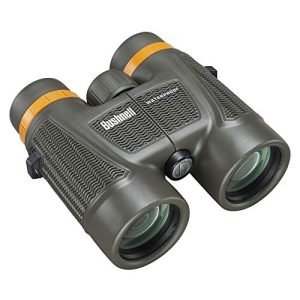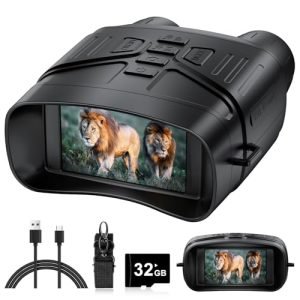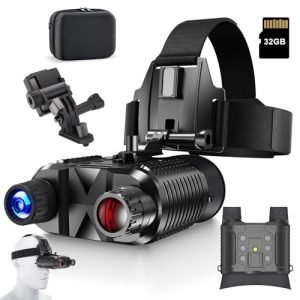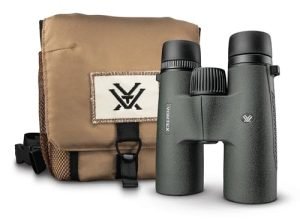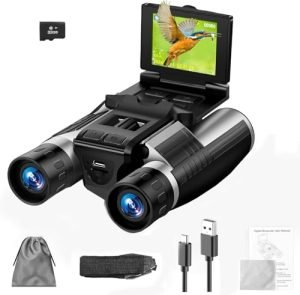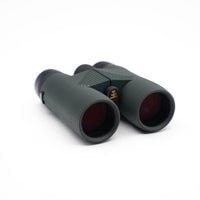
Have you ever struggled to see clearly through your binoculars when the weather turns harsh? Foggy lenses can ruin your experience, whether you’re birdwatching, hiking, or on a search and rescue mission.
You need gear that works when it matters most—no matter the conditions. You’ll discover if binoculars are truly fog-resistant for extreme weather SAR (Search and Rescue) operations, and how to choose the right pair that keeps your vision sharp and reliable.
Keep reading to ensure your next adventure isn’t clouded by frustration.

Credit: www.ebay.ca
Fog Resistance In Binoculars
Fog inside binoculars can block your view and make it hard to see. Many binoculars have features to stop fog from forming. This is very useful in cold or wet weather.
Fog-resistant binoculars keep the lenses clear. This helps you see better during hiking, bird watching, or sports events in tough weather.
How Fog Forms Inside Binoculars
Fog forms when warm air meets cold surfaces inside the binoculars. The moisture in the air turns into tiny water drops on the lenses. This blocks your view and causes blurry images.
This usually happens when you move from cold to warm places or during high humidity. Without protection, binoculars will fog up quickly.
Materials That Prevent Fogging
Some binoculars use special coatings on lenses to stop fog. These coatings reduce moisture buildup. They also help keep the lenses clear in wet weather.
Besides coatings, some binoculars have rubber or metal bodies. These materials help keep the inside dry by sealing out water and air.
- Anti-fog lens coatings
- Sealed rubber or metal bodies
- Waterproof seals to block moisture
Nitrogen And Argon Purging Explained
Many fog-resistant binoculars are filled with nitrogen or argon gas. These gases keep moisture out inside the binoculars. This stops fog from forming on the lenses.
Nitrogen and argon are dry gases. They replace the air inside the binoculars. This creates a dry space, which prevents fog even in cold or wet conditions.
- Nitrogen is common and affordable
- Argon is heavier and lasts longer
- Both gases prevent internal fogging
- They help protect lenses from moisture damage
Credit: area78aa.org
Extreme Weather Challenges
Binoculars often face tough conditions outdoors. Extreme weather can affect their performance. This makes fog resistance a key feature.
Cold, rain, and temperature changes can cause issues like fogging. Understanding these effects helps choose better binoculars.
Effects Of Cold And Humidity
Cold air holds less moisture, but high humidity still causes fog inside lenses. Moisture trapped in binoculars may freeze in low temperatures. This can blur views and damage the optics.
- Cold causes condensation inside binoculars
- Humidity increases the chance of internal fog
- Freezing moisture can crack lens coatings
- Fog-resistant binoculars use sealed and nitrogen-filled lenses
Impact Of Rain And Snow
Rain and snow add moisture on binocular surfaces. Water droplets block light and reduce clarity. Water can seep inside if not waterproof.
| Weather Condition | Effect on Binoculars | Protection Needed |
| Rain | Water on lenses, fog inside | Waterproof seals, lens coatings |
| Snow | Melts and causes moisture build-up | Fog-resistant, waterproof design |
| Wet Fog | High humidity and water droplets | Anti-fog coatings, sealed body |
Temperature Fluctuations And Condensation
Changing temperatures cause air inside binoculars to form condensation. Warm air cools down quickly, creating fog. This reduces the view sharply.
To avoid fogging from temperature changes:
- Keep binoculars in a sealed case when moving between temperatures
- Use binoculars with nitrogen or argon gas inside
- Choose models with anti-fog lens coatings
Features Of Fog-resistant Binoculars
Fog-resistant binoculars are made to work well in cold or wet weather. They help you see clearly even when temperatures change quickly.
These binoculars use special designs and materials to stop fog from building up inside the lenses. This keeps your view clear and sharp.
Sealed O-rings
Sealed O-rings keep moisture, dust, and dirt out of the binoculars. They create a tight seal around the moving parts.
This sealing helps stop fog from forming inside the lenses. It also protects the binoculars from damage in harsh weather.
Waterproof Coatings
Waterproof coatings on the lenses make water slide off easily. This prevents water drops from blocking your view.
- Protects lenses from rain and snow
- Keeps lenses clean for longer
- Improves light transmission for clearer images
Anti-fog Lens Treatments
Anti-fog treatments reduce fog buildup on the glass surface. They stop tiny water droplets from forming.
| Treatment Type | Effect |
| Hydrophilic Coating | Spreads moisture evenly to prevent fog |
| Hydrophobic Coating | Repels water for faster drying |
| Anti-Condensation Layer | Stops fog from forming inside the lens |
Choosing Binoculars For Harsh Conditions
Binoculars are useful tools for outdoor activities in tough weather. Picking the right pair helps you see clearly and keeps them safe from damage.
It is important to consider how well binoculars handle extreme cold, heat, rain, and fog. Some are made to last and work in harsh places.
Durability And Build Quality
Strong materials make binoculars last longer in bad weather. Look for models with rubber armor to protect against drops and shocks.
- Waterproof seals keep moisture out.
- Fog-resistant features prevent lens misting.
- Metal or tough plastic bodies resist dents and cracks.
- Shockproof designs absorb impacts well.
Weight And Portability
Carrying binoculars in harsh conditions can be hard. Choose lightweight and compact designs that fit easily in your hands or pack.
| Feature | Benefit |
| Lightweight | Less strain during long use |
| Compact size | Easier to carry and store |
| Secure grip | Better handling in wet or cold |
Lens Quality And Magnification
Clear lenses with good coatings improve vision in fog and rain. Choose binoculars with the right magnification for your needs.
Important lens features include:
- Anti-fog coatings to reduce condensation
- Water-repellent lens surfaces
- Magnification between 7x and 10x for stable images
- Wide field of view for better sight range
Maintaining Fog-resistant Binoculars
Fog-resistant binoculars help you see clearly in wet or cold weather. Taking care of them keeps them working well for a long time.
Simple cleaning and proper storage protect the lenses and seals. You also need to avoid damage in bad weather. Knowing when to get service is important too.
Cleaning And Storage Tips
Always clean your binoculars with soft, dry cloths. Avoid touching lenses with fingers. Use lens cleaner made for optics if needed.
- Remove dust with a soft brush or air blower
- Use lens tissue or microfiber cloth for wiping
- Store binoculars in a dry, cool place
- Keep them in a padded case to prevent scratches
- Ensure caps cover the lenses when not in use
Avoiding Damage In Extreme Weather
Extreme heat, cold, or wet conditions can harm binoculars. Avoid sudden temperature changes that cause condensation inside.
| Weather Condition | What to Do |
| Heavy Rain | Use waterproof covers and dry immediately |
| Freezing Cold | Keep binoculars warm and avoid rapid exposure |
| Hot Sun | Store in shade and avoid direct sunlight |
| High Humidity | Use silica gel packs in the storage case |
When To Service Your Binoculars
If you see fog inside the lenses or if focusing feels rough, it is time to get service. Regular checks help catch problems early.
- Fog inside lenses that does not clear up
- Loose or stiff focus wheel
- Damaged seals or cracked lenses
- Water inside the body after heavy rain
- After long use in extreme weather
Popular Fog-resistant Models
Binoculars that resist fog are important for harsh weather. They help keep clear views in rain, snow, or cold.
Many brands offer fog-resistant binoculars. These use special seals and gas fills to stop fog inside the lenses.
Top Picks For Outdoor Enthusiasts
Outdoor lovers need binoculars that work in tough weather. Fog-resistant models keep images clear during hikes and hunts.
Popular choices include binoculars with nitrogen or argon gas fills. They prevent moisture inside the lenses.
- Nikon Monarch 5 – Lightweight and fog-proof
- Vortex Diamondback – Durable with great fog resistance
- Bushnell Legend L-Series – Clear views in all conditions
Budget-friendly Options
Fog-resistant binoculars do not have to be expensive. Many affordable models offer good fog protection.
Look for binoculars with rubber armor and sealed bodies. These keep moisture out and improve grip.
- Aurosports 10×42 – Affordable and fog-resistant
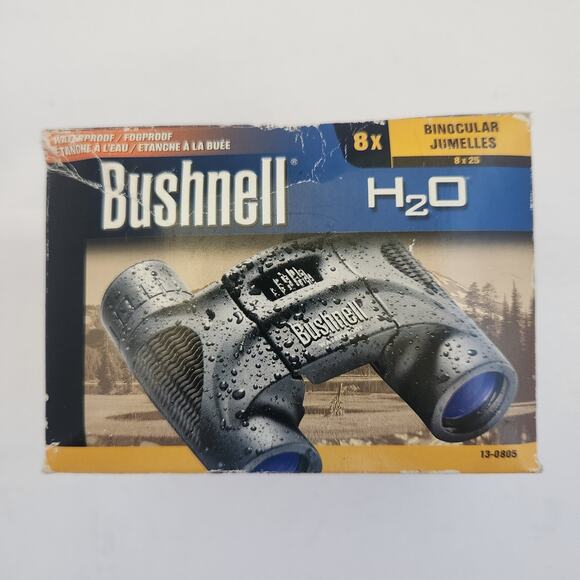
- Bushnell H2O Waterproof – Sealed and fog-proof
- Barska Thunderstorm – Good fog protection for low price
Professional-grade Binoculars
Professionals need top-quality fog-resistant binoculars. These models use advanced technology to prevent fogging.
They often feature fully multi-coated lenses and airtight seals filled with inert gas. This stops fog in extreme conditions.
- Zeiss Victory SF – Premium fog-resistant optics
- Leica Ultravid HD-Plus – Excellent clarity and fog-proof
- Swarovski EL Range – Top choice for professionals

Credit: pixm.com
Frequently Asked Questions
Are Binoculars Fog-resistant In Extreme Weather?
Yes, many binoculars designed for extreme weather are fog-resistant. They use nitrogen or argon gas to prevent internal fogging. This feature ensures clear vision during sudden temperature changes or high humidity conditions.
How Does Fog Resistance Work In Binoculars?
Fog resistance works by sealing the binoculars and filling them with dry gas. This prevents moisture from entering and condensing inside. The airtight design keeps the lenses clear, improving visibility in harsh weather.
Can All Binoculars Handle Extreme Weather Conditions?
Not all binoculars are suited for extreme weather. Only models with waterproof and fog-resistant features perform well. Look for binoculars labeled as “weatherproof” or “all-weather” for reliable use outdoors.
Why Is Fog Resistance Important For Outdoor Use?
Fog resistance ensures clear vision despite temperature shifts and humidity. It prevents internal lens fogging, which can obstruct your view. This is crucial for activities like hiking, birdwatching, or search and rescue in harsh environments.
Conclusion
Binoculars can be fog-resistant, but not all are ideal for extreme weather. Choose models with sealed bodies and nitrogen purging for best results. These features prevent fogging during sudden temperature changes. Always check specifications before purchasing. User reviews help gauge real-world performance.
Remember, quality varies among brands. Investing in reliable binoculars ensures clear vision in any condition. Proper care extends their lifespan. Store them in dry places. Clean lenses gently with a soft cloth. For outdoor enthusiasts, choosing the right binoculars is crucial.
Stay prepared, and enjoy clear views, even in harsh weather.