Have you ever found yourself squinting to see the action clearly during a night game or event in a dimly lit stadium? You might wonder if binoculars can actually help you catch every exciting detail when the lights are low.
If you’ve ever asked yourself, “Are binoculars effective in poorly lit stadiums? ” You’re not alone. You’ll discover how binoculars perform in low-light conditions and what features you should look for to enhance your viewing experience. Keep reading to make sure you never miss a moment, no matter how dark the stadium gets.

Credit: www.discountdelights.co.uk
Light Challenges In Stadiums
Binoculars help viewers see details far away. In stadiums, lighting affects how well they work. Low light can make it hard to see clearly.
Understanding lighting issues helps choose better binoculars. It also shows what to expect in poorly lit stadiums.
Impact Of Low Lighting On Visibility
Low lighting reduces the brightness and sharpness seen through binoculars. This makes it difficult to focus on players or objects on the field. Shadows and dark spots can hide important details.
- Colors appear dull and less distinct
- Details blur due to less light reaching the eyes
- Eye strain increases as viewers try to adjust
- Moving objects become harder to track
Common Lighting Conditions In Stadiums
Stadiums use different lighting setups. These affect how well binoculars perform. Some stadiums have bright floodlights, while others rely on natural light or dimmer bulbs.
| Lighting Type | Description | Effect on Binocular Use |
| Floodlights | Strong, even light across the field | Good visibility, clear images |
| Natural Light | Sunlight during day games | Varies with weather and time |
| Dim or Spot Lighting | Less intense, uneven light | Harder to see details, shadows |
| Colored Lights | Colored bulbs for effects or events | Colors may distort image clarity |

Credit: excellentphoto.ca
Binoculars And Light Gathering
Binoculars help people see distant objects clearly. In poorly lit stadiums, light is limited. This affects how well binoculars work.
Understanding how binoculars gather light can help you choose the right pair. Good light gathering means brighter and clearer images.
How Binoculars Work In Dim Settings
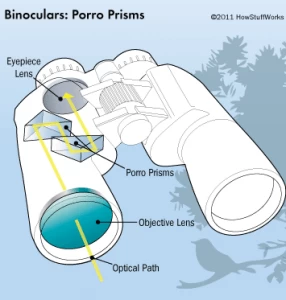
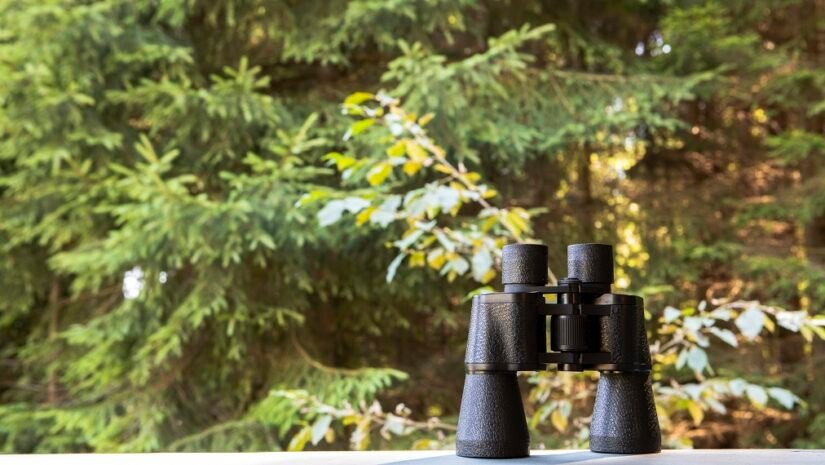
Binoculars collect light through their lenses and bring it to your eyes. In low light, the amount of light they gather is very important. Larger lenses collect more light.
Magnification also affects brightness. Higher magnification can make images darker. So, a balance between magnification and lens size is needed for dim places.
Aperture Size And Brightness
The aperture is the diameter of the front lens. It controls how much light enters the binoculars. Bigger apertures let in more light, making images brighter.
- Small aperture (under 30mm): Less light, dimmer image.
- Medium aperture (30mm to 40mm): Good balance of size and brightness.
- Large aperture (over 40mm): More light, brighter image but bulkier.
Role Of Lens Coatings
Lens coatings reduce light reflection and increase light transmission. This helps binoculars show brighter and clearer images in low light.
| Coating Type | Light Transmission | Effect |
| Uncoated | Less than 80% | More glare, dimmer image |
| Single-Coated | Around 85% | Improved brightness |
| Fully Multi-Coated | Over 90% | Best brightness and clarity |
Types Of Binoculars For Low Light
Binoculars can help you see better in dark stadiums. Choosing the right type makes a big difference.
Some binoculars work well in low light by using special features. Here are common types for poorly lit places.
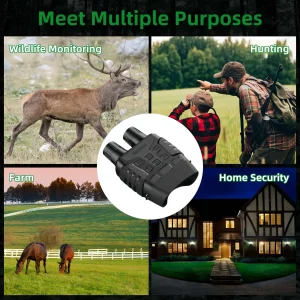
Night Vision Binoculars
Night vision binoculars use technology to make dark areas look brighter. They capture and amplify light to show clear images.
These binoculars are best for very low light but may be heavier and need batteries to work.
Image Stabilized Binoculars
Image stabilized binoculars reduce shaking and blurring. This helps keep the picture steady, especially in low light.
- They use built-in technology to cancel hand movement.
- Good for watching sports in dark stadiums.
- Often more expensive than regular binoculars.
Wide-angle Vs. Zoom Binoculars
Wide-angle binoculars show a larger view. Zoom binoculars let you change the magnification to see far away or close.
| Type | Best Use | Low Light Performance |
| Wide-Angle | Watching large areas | Good for bright low light |
| Zoom | Viewing distant objects | Varies; can lose brightness at high zoom |
Practical Tips For Using Binoculars In Stadiums
Binoculars help you see the action clearly in large stadiums. Using them in poor light needs some care. This guide shares easy tips to improve your experience.
Adjusting your binoculars and choosing the right spot can make a big difference. Learn how to reduce glare and get the best view at night games.
Optimal Settings And Adjustments
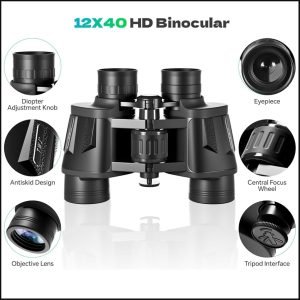
Set your binoculars for low light by opening the lens wide. Use the focus wheel to sharpen the image. Adjust the eyecups for comfort and better sight.
- Open the objective lens to the widest setting for more light.
- Turn the focus knob slowly until the image is clear.
- Use the diopter adjustment to match your eyesight.
- Keep both eyes open to reduce eye strain.
- Use a neck strap to hold the binoculars steady.
Positioning For Best View
Find a seat with a clear line of sight to the field. Avoid spots blocked by railings or poles. Lean on a stable surface to keep your hands steady.
| Position | Why It Works |
| Upper tier center seats | Wide view of the whole field |
| Aisle seats | More space to adjust binoculars |
| Near railings | Can block the view, avoid if possible |
| Close to lights | May cause glare or reflections |
Handling Glare And Reflections
Glare can blur your view. Use a lens hood or shade the binoculars with your hand. Avoid looking toward bright lights or shiny surfaces.
- Wear a hat with a brim to block overhead lights.
- Adjust your angle to keep lights out of the lens.
- Wipe the lenses with a soft cloth to remove smudges.
- Use binoculars with anti-reflective coatings.
Alternatives To Binoculars
Binoculars may not always work well in poorly lit stadiums. Low light can make images hard to see. Luckily, there are other devices and options that help you enjoy the game.
Here are some good alternatives to binoculars for better viewing in dim conditions.
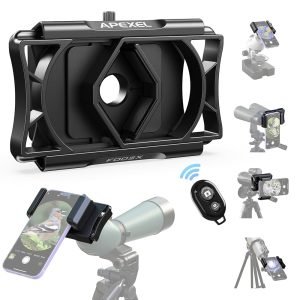
Monoculars And Spotting Scopes
Monoculars and spotting scopes are smaller and easier to use than binoculars. They often have better lenses for low light. Spotting scopes give higher magnification and clearer images at night.
- Monoculars are compact and lightweight.
- Spotting scopes offer stronger zoom and brightness.
- Both can work well with night vision in some models.
Digital Zoom Devices
Digital zoom devices use cameras to magnify the view. They can adjust brightness and contrast on screen. Some models record video or take photos of the action.
| Feature | Benefit |
| Brightness Control | Improves visibility in dark places |
| Image Stabilization | Reduces shaking for clear pictures |
| Recording Ability | Save moments to watch again |
Stadium Screens And Technology
Modern stadiums use big screens and new tech to improve viewing. These screens show close-ups and replays. They help fans see details that are hard to spot from seats.
Other stadium technologies include:
- LED lighting that brightens the field evenly
- Mobile apps with live video and stats
- Augmented reality glasses for enhanced views

Credit: www.amazon.ca
Frequently Asked Questions
Are Binoculars Useful In Low-light Stadiums?
Binoculars can improve visibility but may struggle in very poor lighting. Models with larger objective lenses perform better in low light. However, stadium lighting often limits clarity regardless of binocular quality.
What Features Enhance Binocular Performance In Dim Conditions?
Look for binoculars with large objective lenses and wide exit pupils. These features allow more light to enter, improving image brightness. Multi-coated lenses also enhance light transmission, resulting in clearer views.
Can Night Vision Binoculars Help In Poorly Lit Stadiums?
Yes, night vision binoculars amplify available light, offering clearer images in dark conditions. However, they are bulkier and more expensive than regular binoculars. They work best when stadium lighting is very dim or minimal.
Do Binoculars Improve Viewing Distance In Low Light?
Binoculars can enhance detail at a distance but low light reduces their effectiveness. Bright stadium lighting or daytime conditions yield the best viewing experience with binoculars.
Conclusion
Binoculars can help you see better in dim stadium lights. Quality and lens size matter a lot. Bigger lenses let in more light for clearer views. Still, they cannot fix very dark spots completely. Choose binoculars with good light-gathering ability.
Comfort and ease of use also improve your experience. So, binoculars work well but have limits in poor lighting. Keep your expectations real for the best results.