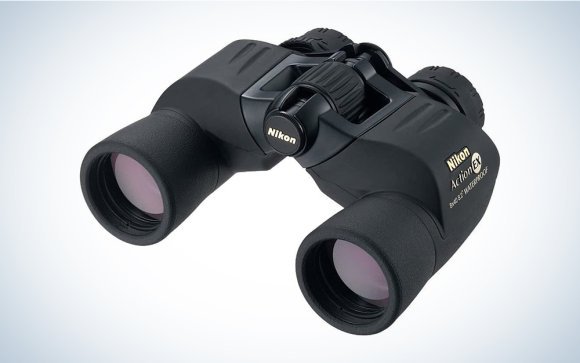
Have you ever wondered if your binoculars can stand the test of time during long missions? Whether you’re on a hiking trip, a wildlife watch, or a critical surveillance task, durability matters.
You need equipment that won’t fail when you rely on it the most. You’ll discover what makes binoculars tough enough to handle extended use, and how to choose the right pair that won’t let you down. Keep reading to make sure your next mission is supported by gear built to last.
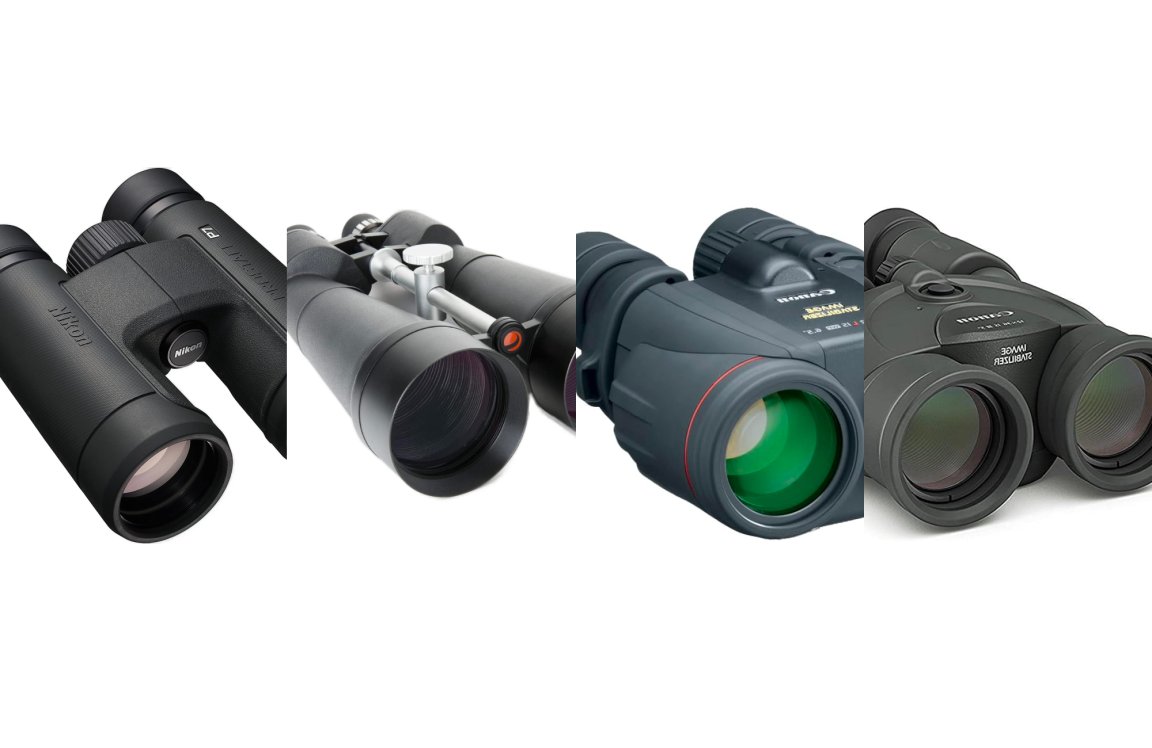
Credit: www.popsci.com
Durability Factors In Binoculars
Binoculars need to last through long missions. Durability depends on many factors. These include the materials, lens protection, and housing.
Understanding these parts helps you choose binoculars that can handle tough use. Let’s look at each factor closely.
Materials Used
Strong materials make binoculars last longer. Common parts use metal or high-quality plastic. Metal parts are tougher but heavier.
Plastic parts reduce weight but must be well made. Rubber coatings add grip and protect against shocks. Good materials resist scratches and dents.
- Aluminum: lightweight and strong
- Magnesium: very light and durable
- High-grade plastic: lighter but less strong
- Rubber coating: shock absorption and grip
Lens Protection
Protecting the lenses is key for durability. Scratches or dirt on lenses reduce vision quality. Many binoculars have special coatings to protect lenses.
Lens caps and covers keep lenses safe when not in use. Waterproof and fog-proof lenses stop damage from water and moisture. These features help binoculars last outdoors.
- Scratch-resistant coatings
- Waterproof and fog-proof sealing
- Lens caps for protection
- Anti-reflective coatings to improve clarity
Housing And Build Quality
Binocular housing holds all parts together. It must be solid and well-built to survive drops and rough use. Sealed housings keep dust and water out.
Good build quality means tight joints and strong hinges. This prevents parts from loosening over time. Rubber armor adds extra shock resistance and grip.
- Sealed housing for dust and water resistance
- Strong hinges and joints
- Rubber armor for shock absorption
- Compact design for easier handling
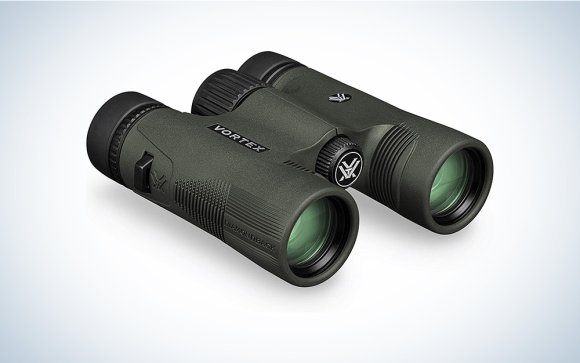
Credit: www.popsci.com
Weather Resistance
Binoculars used in long missions must handle tough weather conditions. They face rain, fog, dust, and shocks. Weather resistance ensures they last and work well.
Understanding how binoculars resist water, fog, dust, and shocks helps choose the right pair. These features protect the lenses and body.
Waterproof Features
Waterproof binoculars prevent water from entering inside. This keeps the lenses clear and prevents damage to internal parts. Waterproof ratings usually follow IPX standards.
- Sealed O-rings block water and moisture
- Protects binoculars during rain or water splashes
- Allows use in wet environments without worry
- Prevents fogging caused by water leaks
Fog Proofing
Fog proof binoculars stop internal fog from forming. They use special gases like nitrogen or argon inside the tubes. This keeps the view clear in cold or humid weather.
| Feature | Benefit |
| Nitrogen Gas Filling | Stops internal fogging |
| Argon Gas Filling | Better fog resistance |
| Waterproof Seals | Prevents moisture entry |
Dust And Shock Resistance
Dust and shock resistant binoculars survive rough use. Dust-proof seals keep dirt out. Strong body materials absorb shocks from drops or bumps.
- Rubber armor for shock absorption
- Tightly sealed eyepieces and lenses
- Durable frame materials like magnesium alloy
- Grip surfaces to avoid slipping
Performance Over Time
Binoculars are tools used for long missions that demand clear vision and reliability. Their performance changes over time depending on build quality and care. Understanding how key parts hold up helps in choosing durable binoculars.
This section covers lens clarity and coatings, focus mechanism reliability, and the impact of frequent use on binoculars.
Lens Clarity And Coatings
Lens clarity is essential for seeing details clearly during missions. Quality coatings protect lenses from scratches and reduce glare. Over time, dirt and scratches can lower image quality.
- Anti-reflective coatings keep images bright and clear.
- Waterproof coatings prevent fogging inside lenses.
- Scratch-resistant layers extend lens life.
- Regular cleaning maintains clarity and performance.
Focus Mechanism Reliability
The focus mechanism adjusts the view for sharp images. It must work smoothly and stay accurate through many uses. Poor focus can cause eye strain and reduce mission effectiveness.
| Focus Mechanism Type | Durability | Maintenance Needs |
| Central Wheel | High | Occasional cleaning |
| Individual Eyepiece | Medium | Regular adjustment |
| Push-Pull | Low | Frequent repairs |
Impact Of Frequent Use
Using binoculars daily can wear down parts and affect performance. Some signs of wear include loose hinges, dull lenses, and stiff focus wheels. Good care can slow damage.
- Store in padded cases when not in use.
- Keep lenses covered and clean.
- Avoid dropping or hitting hard surfaces.
- Check and tighten screws regularly.

Credit: www.nocsprovisions.com
Maintenance Tips For Longevity
Binoculars are useful tools for long missions. Proper care helps them last longer. Simple maintenance keeps lenses clear and parts working well.
Follow easy tips to clean, store, and handle your binoculars. These steps protect your gear and improve your experience.
Cleaning Best Practices
Clean binoculars gently to avoid damage. Use soft cloths and the right cleaning solutions. Avoid harsh chemicals that can harm lenses.
- Use a soft brush to remove dust and dirt.
- Apply lens cleaner on a microfiber cloth, not directly on lenses.
- Wipe lenses gently in a circular motion.
- Clean the body with a damp cloth if needed.
- Let binoculars dry completely before storing.
Storage Recommendations
| Storage Condition | Recommendation |
| Temperature | Store in a cool, dry place. |
| Humidity | Avoid high humidity to prevent mold. |
| Protection | Use a padded case or cover. |
| Placement | Keep away from direct sunlight and dust. |
| Position | Store with lenses facing up or in a stable position. |
Handling Precautions
Handle binoculars carefully to avoid drops and scratches. Use straps to secure them during missions. Avoid touching lenses with fingers.
- Always use the neck or wrist strap.
- Hold binoculars with both hands for stability.
- Do not force adjustment knobs; turn gently.
- Keep binoculars away from sharp objects.
- Check for loose parts and tighten them if safe.
Top Binoculars For Long Missions
Choosing binoculars for long missions means picking durable and reliable tools. These binoculars must handle tough conditions and deliver clear views over time.
We look at three groups: military-grade, outdoor models, and budget-friendly durable choices. Each group offers strong options for mission success.
Military-grade Options
Military binoculars are built to last in harsh environments. They resist water, dust, and shock. These models often have night vision and range-finding features.
- Waterproof and fog proof for all weather conditions
- Strong rubber armor for shock resistance
- High-quality lenses for sharp images
- Compact and lightweight design for easy carrying
- Long battery life for electronic functions
Best Outdoor Models
Outdoor binoculars suit long hikes and nature observation. They balance durability and comfort. Many have wide fields of view and good light transmission.
| Model | Weight | Waterproof | Magnification |
|---|---|---|---|
| Explorer Pro 10×42 | 650 g | Yes | 10x |
| TrailMaster 8×32 | 540 g | Yes | 8x |
| VistaClear 12×50 | 800 g | Yes | 12x |
Budget-friendly Durable Choices
Good binoculars do not need to cost much. Some budget models offer solid build and clear optics for long missions.
- Rubber-coated bodies for extra grip
- Multi-coated lenses for better light
- Water-resistant seals
- Compact size for easy transport
- Affordable price for wide access
Frequently Asked Questions
Are Binoculars Built To Withstand Harsh Conditions?
Yes, many binoculars are designed with rugged, waterproof, and shockproof features. These ensure durability in extreme weather and rough use during long missions.
How Long Can Binoculars Last On Extended Missions?
Quality binoculars can last several years with proper care. Regular cleaning and safe storage significantly extend their lifespan during prolonged use.
Do All Binoculars Offer The Same Durability For Missions?
No, durability varies by brand and model. High-end binoculars often use stronger materials and advanced sealing for better mission readiness.
Can Binoculars Handle Exposure To Water And Dust?
Many binoculars are sealed with O-rings and nitrogen purging to resist water and dust ingress. This makes them reliable in harsh environments.
Conclusion
Binoculars built for long missions often handle tough conditions well. Their strong frames and quality lenses resist damage and wear. Proper care helps keep them working for years. Choose models designed to be shockproof and waterproof. This ensures they survive rain, dust, and rough use.
Durability matters most when you rely on clear vision. Good binoculars stay reliable, even in hard environments. They become trusted tools for outdoor adventures and work. Durable binoculars save money by lasting through many missions. Always check product reviews and specs before buying.
Durable binoculars support your goals without breaking down.