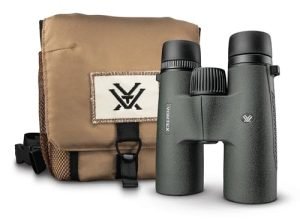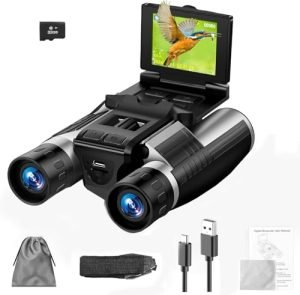
When it comes to keeping an eye on things, you might wonder: are binoculars better than cameras for surveillance? Choosing the right tool can make all the difference in how well you see and capture what matters most.
You want clarity, ease, and reliability—but which option gives you that? You’ll discover the pros and cons of both binoculars and cameras. By the end, you’ll have a clear idea of which one fits your needs perfectly. Ready to find out which tool will sharpen your watchful eye?
Let’s dive in.
Binoculars In Surveillance
Binoculars have been used for surveillance for many years. They help to see far objects clearly.
People often wonder if binoculars are better than cameras for watching things from a distance.
Key Features
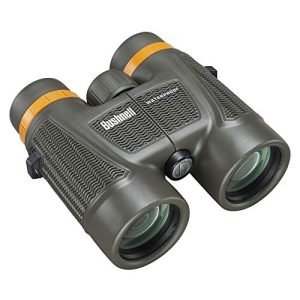
Binoculars have two lenses that provide a 3D view. They offer magnification to see far away objects.
Most binoculars are portable and easy to carry. They work well in low light with special coatings.
- Magnification power usually ranges from 6x to 10x
- Wide field of view to cover more area
- Adjustable focus for clear images
- Lightweight and handheld design
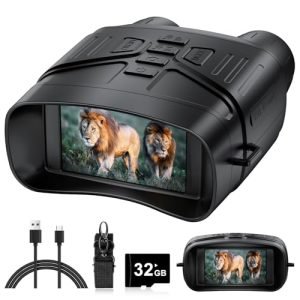
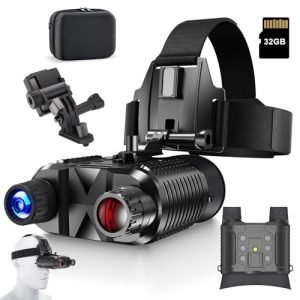
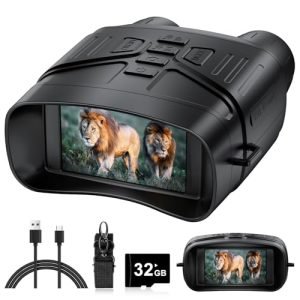
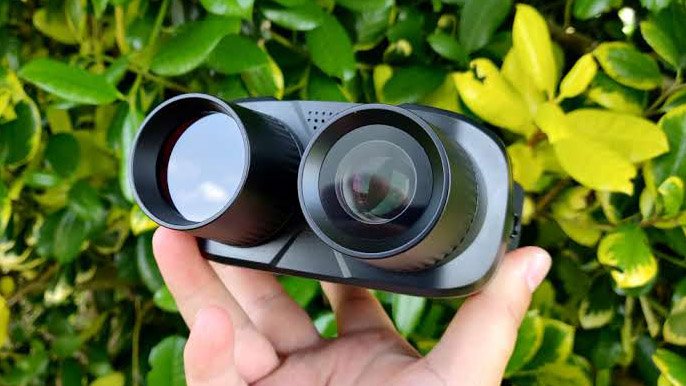
- Some models have night vision features
Advantages
Binoculars allow quick zooming and scanning over a large area. They give a real-time view without delay.
They do not need power for basic use and work silently. Binoculars are easy to use and do not require setup.
- Instant viewing without waiting for images
- Silent operation for discreet observation
- No need for batteries in basic models
- Portable and easy to carry anywhere
- Good for moving subjects and wide areas
Limitations
Binoculars cannot record or store images. They rely on the user’s eyesight and hand stability.
They have limited zoom compared to some cameras. Using binoculars in the dark can be hard without night vision.
- No photo or video recording
- Image quality depends on user skill
- Limited zoom range compared to cameras
- Can cause eye strain after long use
- Night vision models are usually expensive
Credit: www.digitalcameraworld.com
Cameras In Surveillance
Cameras are common tools used for watching places closely. They help catch details and record events for security.
Many people compare cameras with binoculars to see which is better for watching from a distance.
Key Features
Cameras capture images and videos to keep a record of what they see. They often have zoom to see far objects clearly.
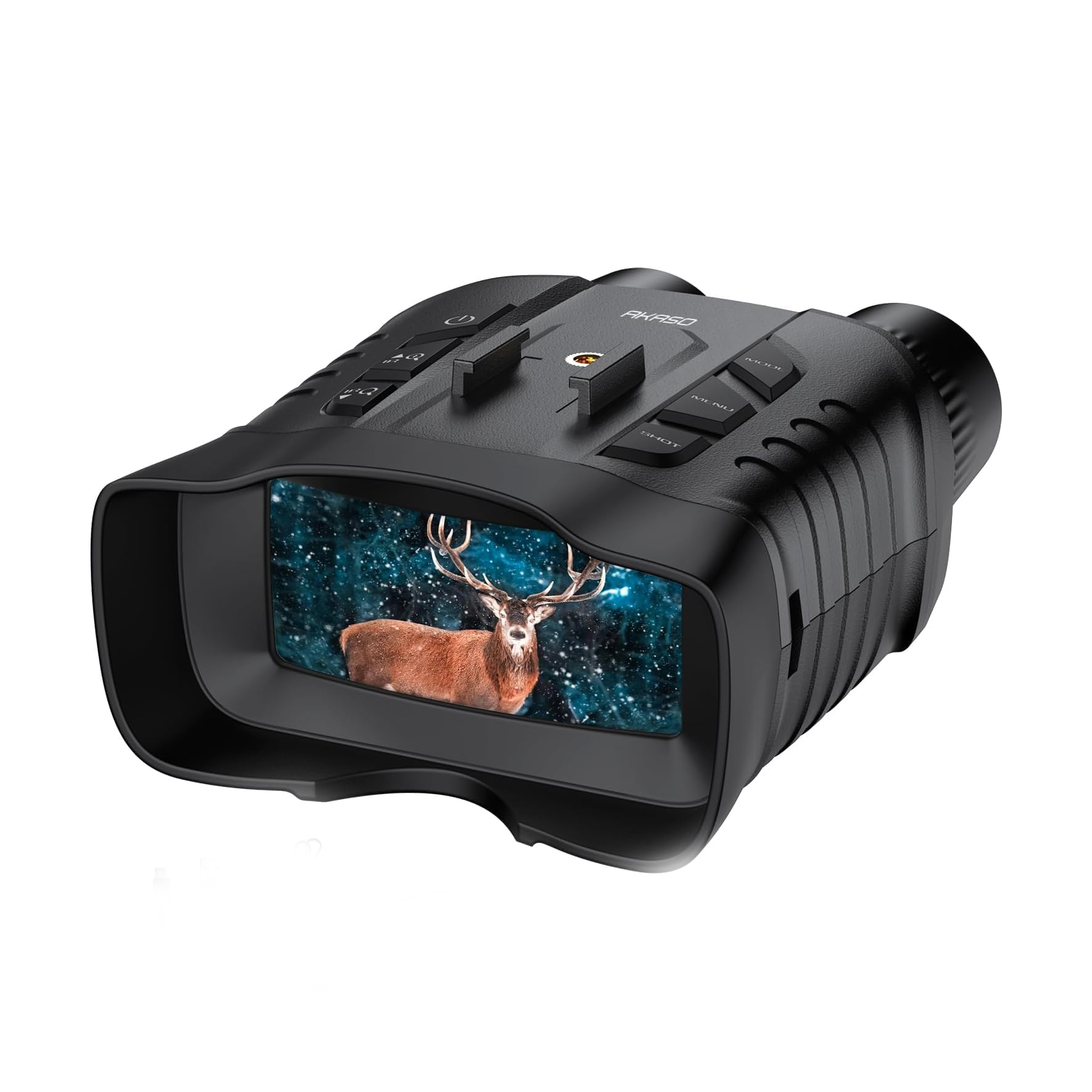
Many cameras work in low light or at night using infrared or night vision technology.
- Image and video recording
- Zoom lenses for detail
- Night vision capabilities
- Motion detection alerts
- Remote viewing through apps
Advantages
Cameras can watch an area for a long time without tiring. They store footage for later review.
They can be placed in hidden spots and connected to alarms. This helps to catch events even when no one watches live.
- Continuous monitoring and recording
- Works day and night
- Can be controlled remotely
- Easy to share footage
- Can cover wide areas with different lenses
Limitations
Cameras need power and sometimes internet to work properly. Without this, they may stop recording.
They can miss details if the lens is dirty or the angle is wrong. Also, some cameras cost a lot to buy and install.
- Dependence on power and internet
- Can have blind spots
- May need regular maintenance
- Initial cost can be high
- Privacy concerns in some places
Comparing Image Quality
Choosing between binoculars and cameras for surveillance depends on image quality. Both tools capture images but work differently. Understanding how they show clarity and handle low light helps pick the right one.
We will look at clarity and detail first, then how each performs in low light. This helps see which tool fits your surveillance needs best.
Clarity And Detail
Binoculars give clear, real-time views. They depend on lens quality and magnification. High-quality binoculars show fine details from far away. Cameras can capture sharp images too. They often have higher resolution sensors for detailed photos.
Binoculars show images directly to your eyes. This can limit detail compared to digital zoom in cameras. Cameras can save images for review. This helps analyze small details later. Binoculars need steady hands or tripods to avoid blur.
- Binoculars provide real-time, clear views.
- Cameras capture high-resolution, detailed photos.
- Binoculars depend on lens quality and magnification.
- Cameras can zoom digitally to see small details.
- Cameras save images for later review.
Low Light Performance
Binoculars rely on available light and lens size. Larger lenses let in more light, improving night views. Some binoculars have special coatings to boost brightness. Still, they struggle in very dark places without extra light.
Cameras can use sensors designed for low light. They capture images better in dark conditions. Many cameras also offer night vision or infrared options. This helps see clearly when there is almost no light.
- Binoculars need enough light to show clear images.
- Larger lenses improve binocular brightness.
- Cameras have sensors that work well in low light.
- Cameras may include night vision features.
- Cameras perform better in very dark settings.

Credit: www.amazon.com
Ease Of Use And Portability
Surveillance tools must be easy to carry and simple to use. Binoculars and cameras both serve this purpose well.
Choosing between them depends on how fast you need to act and where you will go.
Handling And Setup
Binoculars are simple to handle. You just lift them to your eyes and adjust the focus. No extra setup is needed.
Cameras often need more time to set up. You must turn them on, adjust settings, and sometimes attach lenses.
- Binoculars are ready instantly
- Cameras require power and settings
- Binoculars have fewer buttons to learn
- Cameras may need a tripod for stability
Mobility
Binoculars are light and easy to carry. They fit well in small bags or pockets.
Cameras can be heavier and bulkier, especially with extra lenses and accessories. This makes moving fast harder.
- Binoculars weigh less and are compact
- Cameras need more space and care
- Binoculars allow quick movement
- Cameras may slow you down
Recording And Documentation
Surveillance needs clear recording and easy documentation. Binoculars and cameras differ in how they capture and store images or videos.
This section looks at how binoculars and cameras work for real-time monitoring and storage options during surveillance.
Real-time Monitoring
Binoculars provide a direct view and allow quick zooming. They are good for live observation but do not record events automatically.
Cameras offer real-time video feeds that can be watched live. They can zoom and focus digitally and capture details in low light.
- Binoculars require manual note-taking for documentation.
- Cameras record video and audio for later review.
- Some cameras stream live video to mobile devices.
- Binoculars rely on the user’s memory or external recording tools.
Storage Options
Binoculars do not have built-in storage. Users must use separate devices to save images or videos.
| Device | Storage Type | Capacity | Ease of Access |
| Binoculars | None | 0 | Low |
| Digital Camera | SD Card or Internal Memory | Up to 1TB | High |
| Smart Security Camera | Cloud Storage or Local DVR | Varies | Very High |

Credit: www.amazon.com
Cost And Maintenance
Choosing between binoculars and cameras for surveillance involves thinking about costs and upkeep. Both tools have different expenses at the start and during use.
This section looks at the price to buy and the effort needed to keep binoculars and cameras working well.
Initial Investment
Binoculars generally cost less than surveillance cameras. You pay for the quality of lenses and build. Cameras need more parts and technology, so they usually cost more upfront.
- Binoculars: Simple design, lower price range
- Cameras: Complex technology, higher price range
- Extra gear: Cameras may need mounts, wiring, or software
- Power supply: Cameras might need batteries or electricity
Upkeep And Repairs
| Item | Binoculars | Cameras |
| Cleaning | Wipe lenses by hand | Clean lenses and sensors carefully |
| Repairs | Rare, mostly lens or hinge fixes | Frequent, includes electronics and software |
| Software Updates | Not required | Needed regularly for features and security |
| Power Needs | None | Battery replacement or charging required |
Best Situations For Each Tool
Binoculars and cameras are both useful for surveillance. Each tool works best in different situations.
Choosing the right tool depends on your needs and the environment.
When To Choose Binoculars
Binoculars are great for quick, live observation. They let you see far without carrying heavy gear.
Use binoculars when you need to watch movement or details in real time.
- Tracking wildlife or people in open areas
- Watching events from a distance
- When you need to stay mobile and light
- Observing without recording
When To Choose Cameras
Cameras are best for recording and saving images or videos. They capture details for later review.
Use cameras when you need evidence or want to monitor an area over time.
- Recording suspicious activity or incidents
- Long-term surveillance in fixed locations
- Capturing high-quality images or videos
- Remote monitoring with digital devices
Frequently Asked Questions
Are Binoculars More Effective For Close-range Surveillance?
Binoculars excel at close to mid-range viewing by offering clear, magnified images. They are portable and quick to use, ideal for observing nearby subjects discreetly without relying on power sources.
Can Cameras Capture Better Details Than Binoculars?
Cameras capture high-resolution images and videos, allowing detailed analysis and record-keeping. They work well for long-term surveillance but may need lighting and power, unlike binoculars.
What Are The Advantages Of Using Binoculars Over Cameras?
Binoculars provide real-time, zoomed-in vision without delays or batteries. They are lightweight, silent, and easier to maneuver, making them suitable for quick, on-the-spot surveillance.
Do Cameras Offer Better Night Surveillance Than Binoculars?
Cameras with night vision or infrared can capture clear images in low light. Standard binoculars lack these features unless equipped with special night-vision technology.
Conclusion
Both binoculars and cameras have clear strengths for surveillance tasks. Binoculars offer real-time, clear views without delays. Cameras capture details and store images for later review. Choosing depends on your needs—immediate observation or recorded evidence. Consider lighting, distance, and environment too.
Use binoculars for quick, live spotting. Use cameras to keep proof and watch over time. Each tool fits different situations. Think about what matters most before deciding. This helps you stay prepared and effective in surveillance.