You rely on your glasses or camera lenses every day, so keeping them clean is a must. But when it comes to choosing a lens cleaner, you might wonder: Are alcohol-free lens cleaners really safe for your coated lenses?
Using the wrong product can damage the delicate coatings that protect your lenses and affect your vision or photos. You’ll discover the truth about alcohol-free cleaners and learn how to keep your lenses spotless without risking harm. Keep reading to protect your investment and enjoy crystal-clear views every time.
Credit: www.popsci.com
Alcohol-free Cleaners And Lens Coatings
Alcohol-free lens cleaners protect coatings better than those with alcohol, which can damage surfaces. These gentle cleaners keep lenses clear without harming the special layers on glasses. Using the right product helps maintain lens quality and extends their life.
Types Of Lens Coatings
Lens coatings protect glasses from scratches. They also reduce glare. Common coatings include anti-reflective and UV protection. Some lenses have blue light filters. These coatings improve vision. They make lenses last longer. Special care is needed for coated lenses.
Common Ingredients In Alcohol-free Cleaners
Alcohol-free cleaners have gentle ingredients. They often contain water and surfactants. These help remove dirt without harming coatings. Some cleaners use vinegar or mild acids. Others include plant-based extracts. These ingredients are safe for daily use. They do not damage lens coatings. Always check labels for safety.

Credit: us.amazon.com
Impact On Lens Durability
Alcohol-free lens cleaners are often gentler on lenses. They help keep the lens surface safe without harsh chemicals. Anti-reflective coatings can wear out faster with strong alcohol cleaners. Using alcohol-free options reduces the risk of damage and keeps the coating intact longer.
Scratch-resistant coatings are designed to protect lenses from small marks. Alcohol-free cleaners help maintain this layer better. Harsh cleaners might weaken the scratch protection over time. Using milder cleaners can extend the life of your lenses and coatings.
| Type of Coating | Effect of Alcohol-Free Cleaners | Effect of Alcohol-Based Cleaners |
|---|---|---|
| Anti-Reflective | Preserves coating, reduces wear | May cause faster fading and damage |
| Scratch-Resistant | Maintains protective layer | Can weaken and degrade coating |
Comparing Alcohol-free And Alcohol-based Cleaners
Alcohol-based cleanersare very good at removing oils and dirt fast. They dry quickly, leaving lenses clear. But they can harm lens coatings over time. These cleaners might make coatings dull or cracked.
Alcohol-free cleanersare gentler on coatings. They clean without using strong chemicals. This helps keep lenses safe and shiny for longer. Some may not clean as fast or well as alcohol-based ones, especially with greasy smudges.
| Cleaner Type | Cleaning Efficiency | Potential Risks |
|---|---|---|
| Alcohol-Based | Fast and strong on dirt and oils | Can damage lens coatings over time |
| Alcohol-Free | Gentle, but may need more effort | Safer for coatings, less risk of damage |
Expert Recommendations
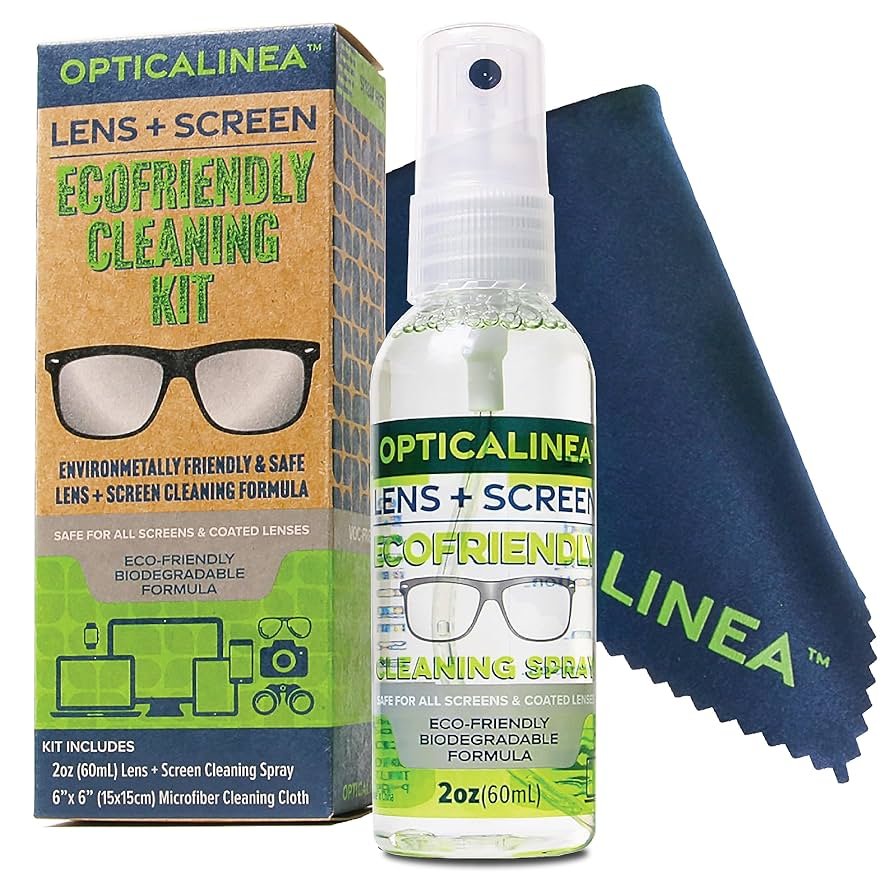
Choose a cleaner that says alcohol-freeon the label. Alcohol can damage lens coatingsover time. Use a soft, lint-free cloth to wipe lenses gently. Avoid rough materials that can scratch the surface. Always spray the cleaner on the cloth, never directly on the lenses. This helps prevent liquid from getting inside the frame. Clean lenses regularly to keep vision clear and reduce buildup. Store lenses in a clean case when not in use to protect them.
Diy Lens Cleaning Tips
Avoid using materials that can damage your lenses. Never use paper towels, tissues, or clothing. These items can scratch the surface of coated lenses. Stay away from household cleaners with ammonia or bleach. These chemicals can strip the lens coating.
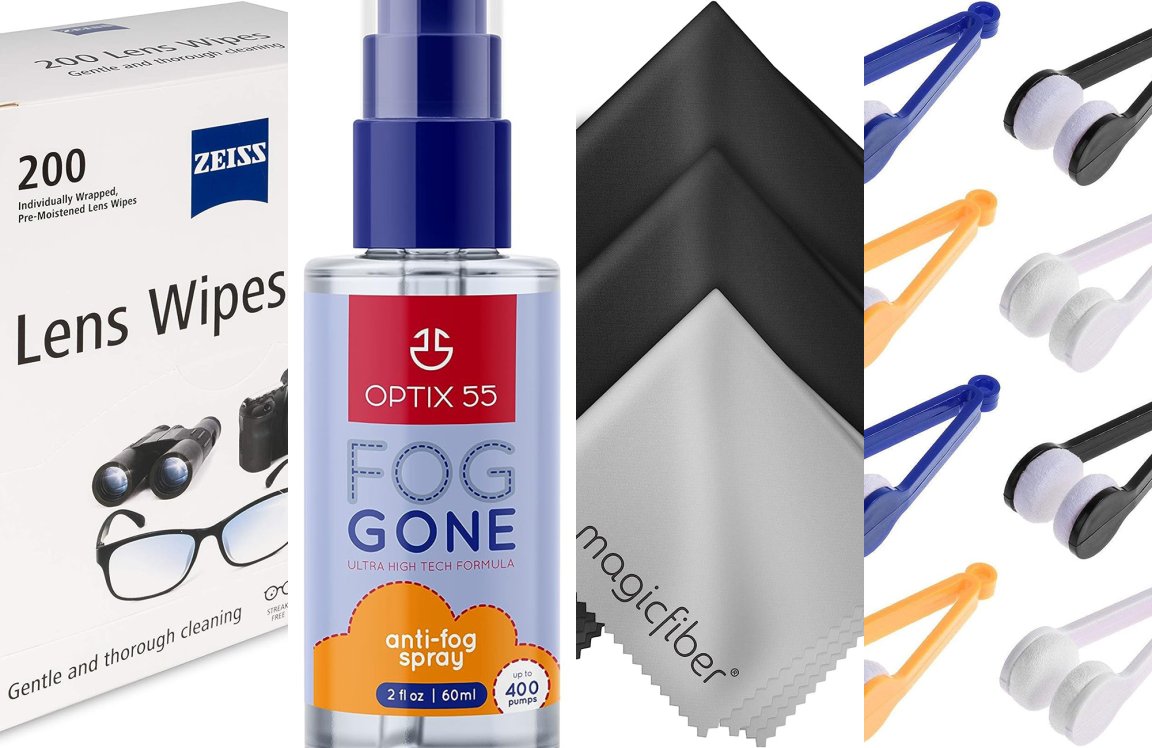
Use a microfiber cloth for cleaning. These cloths are soft and safe for lenses. For cleaning solution, choose alcohol-free lens cleaners. They are gentle and protect the coating better. Spray the cleaner on the cloth, not directly on the lens.
- Hold the lens under warm water to remove dust.
- Gently wipe with a microfiber cloth in a circular motion.
- Dry with a clean part of the cloth to avoid streaks.
- Store lenses in a clean case to keep them safe.

Credit: www.amazon.com
Frequently Asked Questions
Are Alcohol-free Lens Cleaners Safe For All Coated Lenses?
Yes, alcohol-free lens cleaners are generally safe for all coated lenses. They avoid harsh chemicals that can damage coatings. Always check the cleaner’s label to ensure compatibility with your lens type. Using the right cleaner helps maintain lens clarity and extends lens life.
How Do Alcohol-free Cleaners Protect Lens Coatings?
Alcohol-free cleaners use gentle, non-abrasive ingredients that won’t strip or degrade coatings. They clean lenses effectively without causing micro-scratches or fogging. This protects anti-reflective and other special coatings, preserving optical quality and durability over time.
Can Alcohol-free Lens Cleaners Remove Tough Smudges Effectively?
Yes, many alcohol-free lens cleaners remove fingerprints, oils, and dirt effectively. They use surfactants and safe solvents to break down smudges without residue. However, for stubborn grime, repeated cleaning or specialized products might be needed for best results.
Why Avoid Alcohol-based Cleaners On Coated Lenses?
Alcohol can degrade lens coatings by drying them out or causing peeling. It may also create streaks and reduce anti-reflective properties. Avoiding alcohol-based cleaners helps protect your lenses and keeps them looking clear and scratch-free longer.
Conclusion
Alcohol-free lens cleaners are usually safe for coated lenses. They clean gently without harming the coating. Always check the product label to be sure. Avoid cleaners with harsh chemicals or alcohol. Use a soft cloth to prevent scratches. Clean your lenses regularly to keep them clear.
Taking care of your lenses helps them last longer. Choose products made for coated lenses for best results. A little care goes a long way. Protect your lenses, and enjoy clear vision every day.