Have you ever tried to enjoy a clear view through your binoculars, only to find the focus knob stuck or slipping? It’s frustrating when your trusty binoculars don’t work as they should, especially when you need them most.
But don’t worry—fixing your binocular focus knob might be easier than you think. In this guide, you’ll discover simple, step-by-step tips to repair the focus mechanism yourself. Keep reading, and soon you’ll be back to seeing sharp, vivid images without spending a fortune on repairs or replacements.
Your perfect view is just a few tweaks away.
Credit: www.amazon.in
Common Focus Knob Issues
Focus knobs often get stuck or turn loosely, making it hard to see clearly. Dirt, worn gears, or loose screws usually cause these problems. Cleaning and tightening parts can fix most focus knob issues quickly.
Loose Or Slipping Knob
The knob feels loose. It may slip during adjustment. This can cause frustration. Often, a simple tightening fixes it. Turn the knob and listen. If it clicks, it may need repair. Gentle adjustments can help. Use a screwdriver carefully. Tighten screws to secure the knob.
Stiff Or Jammed Mechanism
Sometimes the knob is hard to turn. It may feel stuck or jammed. This can happen due to dust or debris. Clean the mechanism gently. Use a soft cloth. Lubricate the gears slightly. This helps the knob move smoothly. Avoid using too much oil.
Inconsistent Focus Movement
The focus changes unexpectedly. Sometimes it moves too fast. Other times it’s too slow. This may be due to wear or damage. Inspect the gears for cracks. Replace damaged parts if needed. Be careful when disassembling. Follow instructions step by step.
Tools And Materials Needed
Basic repair tools include small screwdrivers, tweezers, and a magnifying glass. These help handle tiny parts carefully. A soft cloth is good for cleaning without scratching. A small brush can remove dust inside the binoculars. A flashlight helps see small details clearly.
Lubricants and cleaning supplies are very important. Use light machine oil or silicone grease for smooth knob movement. Avoid heavy oils that can gum up the parts. Isopropyl alcohol cleans old grease and dirt. Cotton swabs are useful for applying liquids in tight spaces.
Disassembling The Focus Knob
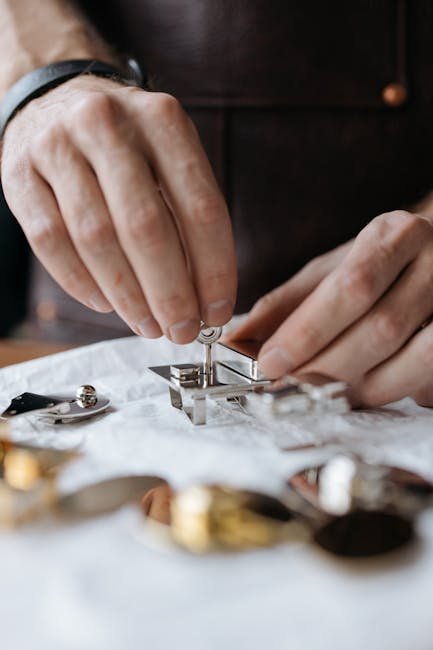
Begin by gently twisting or prying off the outer coverof the focus knob. This cover often snaps or screws into place. Use a small flat tool to avoid damage. Keep all parts safe to avoid losing them.
Once the cover is removed, the internal componentsbecome visible. These include gears, springs, and the focus wheel. Examine these parts carefully. Check for dirt, dust, or broken pieces that may stop smooth movement.
Cleaning is often needed. Use a soft brush or cloth to remove debris. Avoid harsh chemicals that could harm the materials.

Credit: www.facebook.com
Cleaning And Lubricating
Remove the focus knob carefully to avoid damage. Use a soft brush or cloth to clear dirt and debris. Small particles can block smooth movement. A gentle cleaning keeps the mechanism working well.
Choose a light, non-sticky lubricant. Apply a small drop to the moving parts only. Too much oil can attract dust and cause problems. Turn the knob slowly to spread the lubricant evenly. This helps the focus knob move smoothly and last longer.
Fixing Loose Or Worn Parts
Loose or worn parts can make the focus knob hard to use. Check the screws and springs first. Tighten any loose screws carefully with a small screwdriver. Springs may get weak or fall out, so make sure they sit properly in place.
Damaged parts need replacing. Look for cracked gears or bent rods inside the knob mechanism. Use small replacement parts designed for your binocular model. Keep all pieces organized to avoid losing them. A steady hand helps during reassembly.
Credit: bolioptics.com
Reassembling And Testing
Carefully place each part in its correct position inside the focus knob. Align gears and springs properly to avoid damage. Use a small screwdriver to tighten screws gently. Avoid overtightening, which can cause stiffness.
Test the knob by turning it slowly. The movement should feel smooth and even. No jerks or resistance should occur. If the knob feels tight or loose, check the parts again.
- Ensure gears mesh without gaps.
- Lubricate with a tiny amount of oil if needed.
- Check springs for proper tension.
- Make sure no parts are missing or out of place.
Repeat testing several times. This ensures the focus knob works well before full use.
Preventive Maintenance Tips
Clean the focus knob regularlyto avoid dust buildup. Use a soft, dry cloth. Avoid water or harsh chemicals that can damage the mechanism.
Keep the binoculars in a dry place. Moisture can cause rust and damage the focus knob.
- Store binoculars in a protective case.
- Avoid dropping or banging them.
- Do not leave them in direct sunlight for long periods.
- Handle with clean hands to prevent dirt transfer.
Frequently Asked Questions
How Do I Fix A Stuck Binocular Focus Knob?
To fix a stuck focus knob, first clean the mechanism gently. Use lubricant sparingly on moving parts. Avoid forcing the knob to prevent damage. If stuck persists, disassemble carefully and check for broken components.
What Tools Are Needed To Repair Binocular Focus Knobs?
Common tools include a small screwdriver set, tweezers, cleaning cloth, and lubricant. Precision tools help avoid damage. Having a magnifying glass aids inspection. Use soft brushes for dust removal around the focus mechanism.
Why Is My Binocular Focus Knob Loose Or Wobbly?
A loose focus knob usually means worn gears or loose screws inside. Tighten screws carefully without overtightening. Replace damaged gears if necessary. Regular maintenance can prevent looseness and improve focus accuracy.
Can I Repair Binocular Focus Knobs At Home?
Yes, minor repairs like cleaning and lubrication are doable at home. Complex issues might require professional help. Use proper tools and follow step-by-step guides for safe handling. Avoid excessive force to protect delicate parts.
Conclusion
Fixing the focus knob on your binoculars can save you money. Small tools and patience make the job easier. Clean parts gently and check for worn gears. Tighten screws carefully to avoid damage. Test the focus after each step. A smooth knob means clear, sharp views ahead.
Taking time to repair helps your binoculars last longer. Keep practicing these steps to maintain great vision. Simple repairs bring your binoculars back to life.