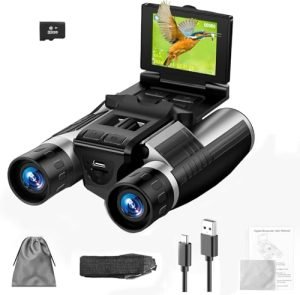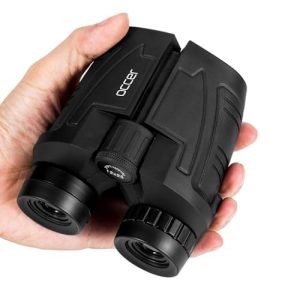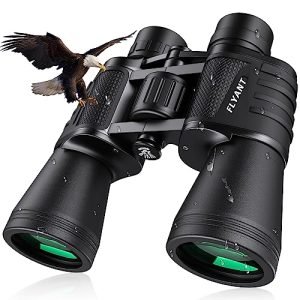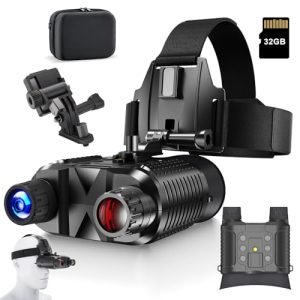
Have you ever been out at night, relying on your night vision monocular, only to have the lens fog up at the worst moment? It’s frustrating and can ruin your whole experience.
But what if you could stop that fog before it even starts? You’ll discover simple, effective ways to keep your night vision monocular clear and ready whenever you need it. Keep reading, and learn how to get the sharp, fog-free view you deserve every time you step into the dark.

Credit: www.amazon.com
Causes Of Fogging
Fogginghappens when warm, moist air meets a cold surface. This causes tiny water droplets to form on the lens of the night vision monocular. The droplets blur the view and make it hard to see clearly.
Common causes of fogging include:
- Moving from a warm place to a cold one quickly.
- Heavy sweating inside the device’s body.
- High humidity in the environment.
- Poor sealing of the monocular that lets air inside.
- Temperature changes during use.
Understanding these causes helps in finding ways to keep the lens clear and ensure better night vision performance.
Pre-treatment Methods
Anti-fog coatingshelp keep lenses clear by stopping moisture buildup. These coatings create a thin layer that prevents water droplets from forming on the glass surface. They work best when applied before using the device in cold or humid places.
Using lens cleaning solutionsdesigned for optical gear helps maintain clarity. These solutions remove dirt, oil, and dust without damaging coatings. Applying a small amount with a soft cloth can reduce fogging during use.
Environmental Adjustments
Keeping the temperature around your night vision monocular steady helps reduce fogging. Sudden changes cause moisture to form on the lens. Store the device in a cool, dry place before use. Avoid moving it quickly from cold to warm spots.
Managing humidity also plays a big role. High moisture in the air makes fogging worse. Use silica gel packs inside the carrying case to absorb extra moisture. A dry environment helps keep the lenses clear and ready for use.

Credit: gtguardhunt.com
Proper Usage Techniques
Handle your night vision monocular with clean, dry hands. Avoid touching the lenses to prevent oils and dirt. Keep it steady and do not shake or drop the device to protect its internal parts.
Store the monocular in a dry, cool place. Avoid places with high humidity or extreme temperatures. Use the protective case to keep dust and moisture away. Let the device adjust to room temperature before use to reduce fogging risk.
Maintenance And Care
Cleaning the lenses often keeps your monocular clear and sharp. Use a soft cloth to wipe away dust and dirt. Avoid rough materials that can scratch the lens. Use lens cleaner made for optics to remove smudges.
Check your monocular regularly for signs of damage or fogging. Tighten loose parts to prevent moisture entry. Store the device in a dry place to avoid dampness. Keep the monocular in its case when not in use to protect it from dust and scratches.

Credit: www.amazon.com
Advanced Solutions
Anti-fog insertshelp stop moisture inside the monocular lens. These inserts absorb water vapor and keep the lens clear. They work best in humid or cold places. Installing them is easy and does not affect the device’s performance.
Specialized equipmentincludes silica gel packs and dry boxes. Silica gel packs absorb moisture around the monocular. Dry boxes provide a sealed space with low humidity for storage. Using these tools reduces fogging risks during use and storage.
Frequently Asked Questions
How Can I Prevent Fogging On Night Vision Monoculars?
To prevent fogging, keep your monocular dry and store it in a sealed container with silica gel. Avoid sudden temperature changes and use anti-fog sprays or wipes designed for optics.
Why Does My Night Vision Monocular Fog Up At Night?
Fogging occurs when warm, moist air meets a cold lens surface. This causes condensation inside or outside the monocular, impairing visibility and image quality.
Are There Any Treatments To Remove Fog Inside Lenses?
Yes, use anti-fog solutions or silica gel packs inside the case. For persistent fog, professional servicing may be required to fix internal moisture.
Does Storing Monoculars In A Dry Place Help Fogging?
Absolutely. Storing monoculars in a dry, cool place reduces moisture buildup. Using airtight cases with desiccants further prevents fog and extends equipment life.
Conclusion
Keeping your night vision monoculars clear is key for good use. Avoid fog by storing devices in dry places. Use anti-fog sprays or wipes before heading out. Let your gear adjust to outdoor temperatures slowly. Clean lenses gently with a soft cloth to prevent damage.
These small steps help you see clearly at night. Enjoy better views without the hassle of fog. Stay prepared and keep your equipment ready for any adventure. Clear vision means safer and more fun night trips.