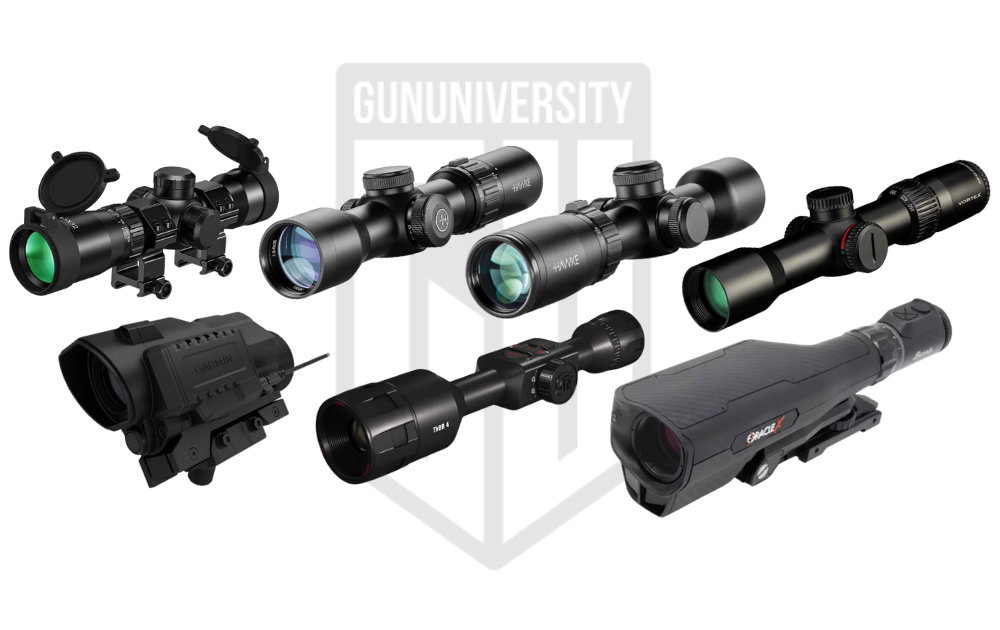
Choosing the right crossbow scope can feel overwhelming, especially if you’re just starting out. You want to make sure your shots are accurate and your experience is enjoyable, but with so many options, where do you begin?
This guide will walk you through everything you need to know to pick the perfect scope for your crossbow. By the end, you’ll feel confident in your choice and ready to hit your target every time. Keep reading to discover simple tips that will make a big difference in your shooting.
Crossbow Scope Basics
Understanding crossbow scopes is important for beginners. Scopes help aim better and shoot accurately. They are mounted on the crossbow to give a clear view. Different scopes have different features. It’s essential to know these features to choose the right one.
Types Of Crossbow Scopes
- Red Dot Scopes:Simple and easy to use. They have a red dot for aiming.
- Multi-Reticle Scopes:Offer various reticle options. Good for different distances.
- Variable Power Scopes:Allow zooming in and out. Useful for long-range shots.
Key Scope Components
| Component | Description |
|---|---|
| Objective Lens | Gathers light for a clear view. |
| Reticle | Helps aim at the target. |
| Windage and Elevation Adjustments | Allows precise targeting. |

Credit: www.youtube.com
Important Scope Features
Magnification levelshelp you see your target clearly. Low magnification, like 1x to 4x, is good for close shots. Higher magnification, such as 6x or 8x, works for long distances but can be harder to hold steady.
- Reticle stylesguide your aim. Simple crosshairs are easy to use.
- Some reticles have dots or circles to help with distance.
- Choose a style that feels comfortable and clear.
Lens quality and coatingsaffect how bright and clear you see. Good lenses let in more light, making targets easier to spot.
- Coatings reduce glare and protect the lens.
- Look for multi-coated lenses for better clarity.
- Clean lenses improve your view and accuracy.
Factors For Beginners
Choose a scope that is simple to use. Look for clear, easy-to-read markings. A scope with a quick adjustment feature helps beginners aim faster and better.
Durability matters. Pick scopes made from strong materialsthat resist scratches and bumps. Weather-resistant scopes protect against rain and fog, keeping your vision clear.
| Factor | Why It Matters |
|---|---|
| Weight | Lighter scopes make the crossbow easier to hold and carry. |
| Size | Compact scopes fit better and do not block your view. |
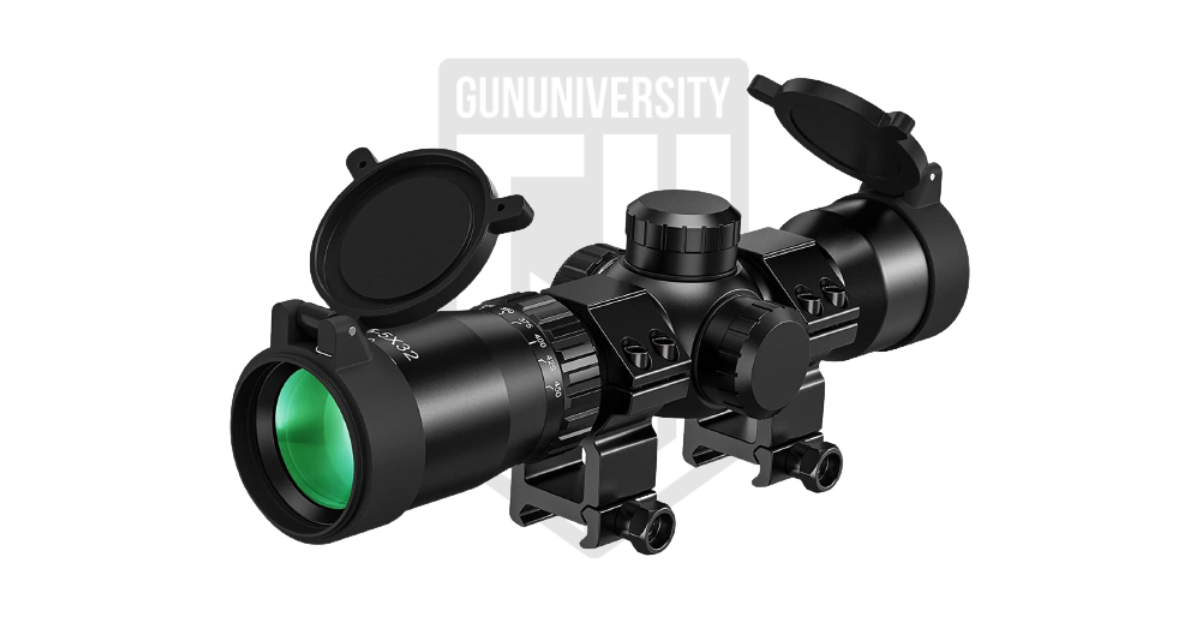
Credit: gununiversity.com
Budget Considerations
Choosing a crossbow scope means balancing costand quality. Affordable scopes can still offer good clarityand durability. Focus on scopes that have clear lenses and simple adjustments.
Some scopes come with extra features but may cost more. Decide what features matter most before spending extra. A basic scope with good glass often works best for beginners.
- Look for scopes under a reasonable budget.
- Check for warranties to protect your purchase.
- Choose scopes with easy-to-use adjustment knobs.
- Avoid very cheap scopes that may break quickly.
Mounting And Adjustments
Choosing the right scope mountis key to steady shots. Different mounts fit different crossbows. Some are quick-detach types, making it easy to remove the scope. Others are fixed and offer a strong hold but take longer to install.
Mounts must line up perfectly with the crossbow’s rail. This ensures the scope stays in place and keeps accuracy. Always check if the mount is made for your crossbow model.
| Scope Mount Type | Benefits | Drawbacks |
|---|---|---|
| Quick-Detach | Easily removed and reattached | May loosen over time |
| Fixed Mount | Very stable and secure | Takes more time to install |
Zeroing your scope means setting it to hit the exact target spot. Start by shooting at a target from a known distance, usually 20 yards. Adjust the scope’s windage and elevation knobs. Move the crosshairs until the bullet hits the bullseye.
Check your shots often to keep the scope accurate. This process helps you shoot straightand improve your aim over time.
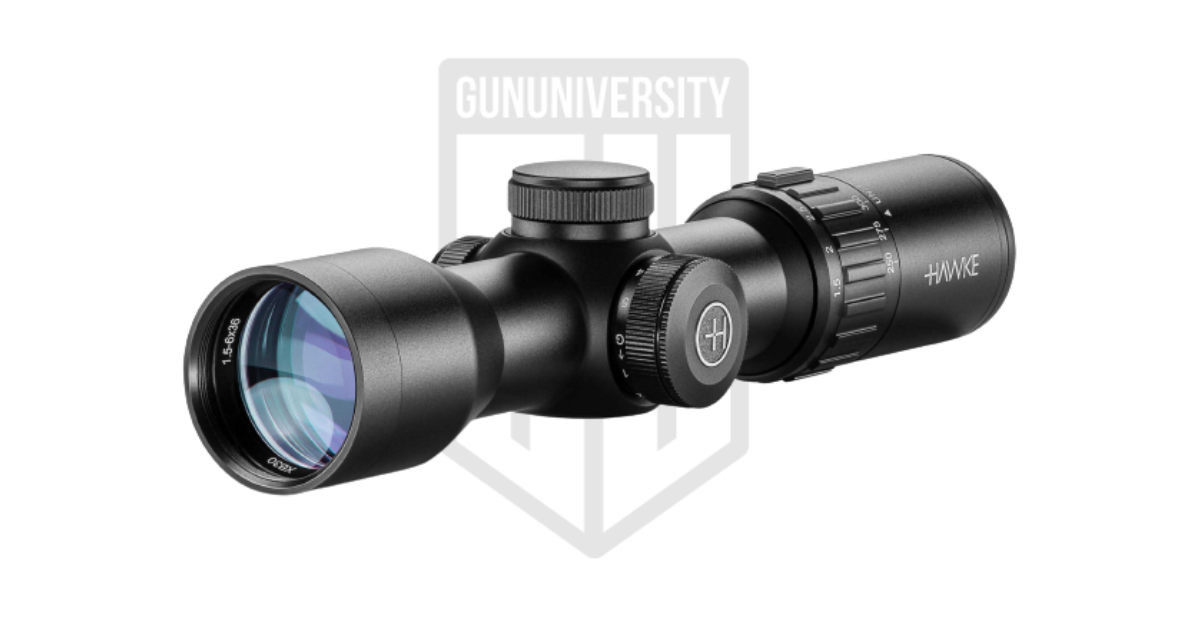
Credit: gununiversity.com
Maintenance Tips
Keep the lens clean for clear sight. Use a soft brush or lens cloth to remove dust. Avoid using rough materials that can scratch the lens. Use lens cleaner made for optics to remove smudges gently. Never spray cleaner directly on the lens; spray it on the cloth first.
Store the scope in a dry place to avoid moisture damage. Use a padded case to protect it from bumps. Keep lens covers on when not in use to prevent scratches. Avoid leaving the scope in direct sunlight for long times. Check the scope regularly for dirt and damage.
Frequently Asked Questions
What Factors Matter Most When Choosing Crossbow Scopes?
Key factors include magnification, reticle type, durability, and ease of adjustment. Choose scopes with clear optics and weather resistance for better performance.
How Important Is Magnification For Beginner Crossbow Scopes?
Magnification affects target clarity and range. Beginners should select scopes with 3x to 6x magnification for balanced accuracy and ease of use.
Which Reticle Types Work Best For Beginner Crossbow Scopes?
Simple duplex or mil-dot reticles are ideal for beginners. They offer clear aiming points without complex features, enhancing accuracy and quick target acquisition.
Can Crossbow Scope Adjustments Improve Shooting Accuracy?
Yes, windage and elevation adjustments help align shots precisely. Beginners benefit from scopes with easy-to-use, repeatable adjustment knobs for consistent results.
Conclusion
Choosing the right crossbow scope makes a big difference. Focus on key features like clarity, size, and ease of use. Find a scope that fits your budget and skill level. Test different models before making a choice. A good scope helps you aim better and shoot more accurately.
Practice often to get comfortable with your new gear. Enjoy the experience and stay safe outdoors. Your perfect crossbow scope is waiting to help you succeed.