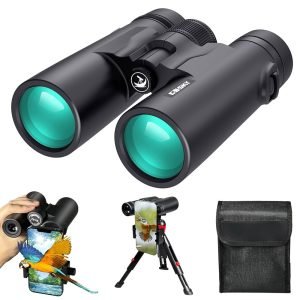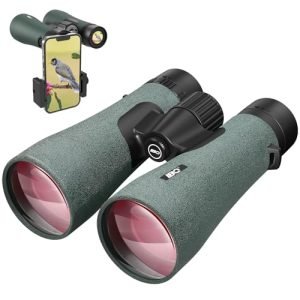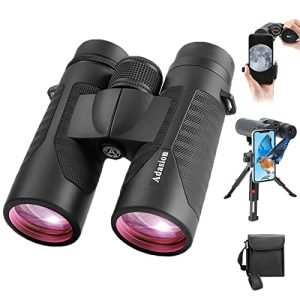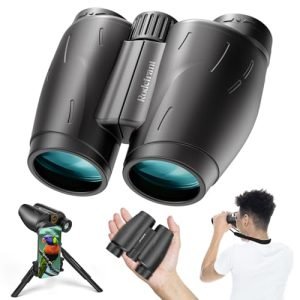
When you're out exploring, the right optics can make all the difference. But faced with choices like the 8×32 vs 8×42 monocular, figuring out portability versus low-light performance can get tricky. It's about balancing how much you want to carry against how well you need to see when the sun dips low.
Understanding these specifications helps you pick the best tool for your needs. For instance, a 32mm objective lens gathers less light than a 42mm one, impacting visibility in dim conditions, as per general optical principles. Let's break down what each offers and which might be your ideal companion.
Quick Answer: Portability vs Low-Light Performance
An 8×32 monocular is lighter and more compact. An 8×42 monocular offers brighter views in low light. The 8×32 is best for casual carry and daylight.
The 8×42 is better for dawn, dusk, or deep shade.
How Monocular Magnification and Lens Size Work
Monoculars, like binoculars, use a system of lenses and prisms to magnify distant objects. The two key numbers you'll see, like "8×32" or "8×42", tell you a lot about their performance. Getting a handle on these numbers is the first step to choosing wisely.
The "8x" Magnification Factor
That first number, "8x" in our examples, refers to the magnification. This means the monocular makes objects appear eight times closer than they are with the naked eye. So, if you're looking at something 80 feet away, it will look as if it's just 10 feet away.
Higher magnification means you can see more detail on distant subjects, but it can also make the image shakier if you're not holding it perfectly still. This is why 8x is often a sweet spot for handheld use, offering a good balance between detail and stability for everyday observation.
The Objective Lens: 32mm vs 42mm
The second number, "32mm" or "42mm," is the diameter of the objective lens, measured in millimeters. This is the lens at the front of the monocular that gathers light from the scene you're viewing. A larger objective lens collects more light.
More light means a brighter, clearer image, especially when you're trying to see in less-than-ideal lighting conditions like early morning, late evening, or under a dense forest canopy. This is the primary difference that influences low-light performance.
Understanding Exit Pupil and Light Transmission
The objective lens diameter, combined with the magnification, determines the "exit pupil." This is the diameter of the beam of light that exits the eyepiece. A larger exit pupil can make viewing more comfortable, especially in dim light, and is often calculated by dividing the objective lens diameter by the magnification (Objective Diameter / Magnification = Exit Pupil). For an 8×32 monocular, that's 32mm / 8 = 4mm.
For an 8×42 monocular, it's 42mm / 8 = 5.25mm.
The size of the exit pupil matters because your own pupil also expands in low light. If the monocular's exit pupil is larger than your eye's pupil, you're not using all the light it's collecting. Conversely, if it's smaller, you're not getting the full benefit.
In bright daylight, your pupil constricts, and a smaller exit pupil might be fine. In low light, a larger exit pupil (like the 5.25mm from an 8×42) is generally preferred for brighter, more comfortable viewing. Higher quality lens coatings also play a significant role in maximizing light transmission, ensuring more of the collected light actually reaches your eye.
8×32 Monocular: The Ultra-Portable Choice
When weight and size are your top priorities, the 8×32 monocular is often the go-to. These are designed to be incredibly convenient, slipping easily into a jacket pocket or a small pouch on your backpack. They’re the kind of optic you can take everywhere without feeling burdened.
Features and What to Expect
Typically, an 8×32 monocular will feel lightweight, often weighing less than a pound, sometimes even under half a pound. Their length usually stays under six inches, making them truly pocketable. Most modern 8×32 models feature fully multi-coated lenses to enhance light transmission and reduce glare, though they won't gather as much light as their larger counterparts.
They are often built to be durable and water-resistant, ready for various outdoor conditions. The field of view on an 8×32 is generally quite generous, meaning you can take in a wide area, which is helpful for spotting moving subjects.
When the 8×32 Shines (Use Cases)
This compact monocular is fantastic for day hikes where you want to identify birds, check out distant landmarks, or get a closer look at plants and animals without carrying heavy gear. It's also ideal for travel, sightseeing, or even attending outdoor events like parades where you might want a little extra magnification without a bulky item. If you're someone who likes to have optics handy at all times, an 8×32 is an easy choice.
For those who primarily view in good daylight, this monocular offers a great blend of magnification and portability. It's a solid option for beginner birdwatchers who are just starting out and want something easy to manage.
Downsides of the 8×32
The main trade-off with an 8×32 monocular is its light-gathering capability. While it offers 8x magnification, the 32mm objective lens simply can't pull in as much light as a larger lens. This means that as the natural light fades, think twilight, deep forest shade, or overcast days, the image will become noticeably dimmer and potentially less detailed compared to an 8×42.
While they are good for their size, they are not designed for serious low-light performance. For extended viewing in challenging light, you might find yourself wishing for more brightness.
8×42 Monocular: Brighter Views, Slightly Bigger Bulk
If you find yourself frequently observing wildlife at dawn or dusk, or if you often find yourself in shaded environments, the 8×42 monocular presents a compelling argument. While not as feather-light as its 32mm cousin, the slightly larger objective lens offers a significant advantage in brightness, making it a better performer when light is scarce.
Features and What to Expect
An 8×42 monocular will typically be a bit longer and heavier than an 8×32, often pushing towards the one-pound mark or slightly over. They might measure around six to seven inches in length. Despite the increased size, many are still designed for comfortable handheld use.
The larger 42mm objective lens is the star here, allowing for superior light gathering. This means brighter, richer images, particularly in challenging lighting conditions. Like most quality optics, you can expect fully multi-coated lenses, and many models are built to be fully waterproof and fog-proof, making them robust companions for outdoor adventures in varied weather.
The field of view might be slightly narrower than an equivalent 8×32, but the gain in brightness is often worth it.
When the 8×42 Shines (Use Cases)
This monocular truly excels in situations where low light is a factor. It's an excellent choice for hunters needing to spot game in the dim hours of dawn or dusk. Birdwatchers who frequent dense woodlands or who often start their observations early in the morning or stay out late will appreciate the enhanced brightness.
It's also beneficial for general wildlife observation in shaded valleys or during overcast days. If your primary use involves conditions where natural light is compromised, the 8×42 offers a noticeable advantage over smaller optics. It’s also a strong contender for those who might do a bit of casual stargazing, as the larger lens can capture more light from celestial objects.
For users who prioritize seeing more detail in poor light over absolute minimal weight, the 8×42 is the way to go.
Downsides of the 8×42
The primary drawback of the 8×42 monocular is its increased size and weight. While still more portable than most binoculars, it's less likely to slip unnoticed into a pocket. You'll probably need a dedicated pouch or a loop on your bag.
This added bulk might deter someone looking for the absolute most compact optic possible for, say, a long-distance trek where every ounce counts. If you're always out in bright sunshine and never find yourself needing to observe in dim conditions, the extra light-gathering ability of the 42mm lens might be more than you need, and you could achieve similar visual results with a lighter 8×32.
Side-by-Side: 8×32 vs 8×42 – Key Differences
When you're standing there trying to decide, looking at the direct comparisons really highlights where each monocular shines. It's not about one being "better" overall, but which one fits your specific needs. Here’s a quick rundown of what sets them apart.
| Feature | 8×32 Monocular | 8×42 Monocular |
|---|---|---|
| Magnification | 8x | 8x |
| Objective Lens | 32mm | 42mm |
| Exit Pupil | ~4mm | ~5.25mm |
| Low-Light Performance | Good | Better |
| Portability | Excellent | Good |
| Field of View | Typically Wider | Typically Narrower |
| Weight | Lighter | Heavier |
| Dimensions | More Compact | Larger |
Who Needs Which Monocular?
Deciding between an 8×32 and an 8×42 really boils down to how and where you plan to use it. There's no single "best" option; it's all about finding the right fit for your activities and preferences.
Best For: Avid Hikers and Travelers
If you're the kind of person who loves to explore far and wide, and every ounce in your pack matters, the 8×32 monocular is likely your perfect match. Its compact size and light weight make it an effortless addition to any gear list. Whether you're on a multi-day trek through rugged terrain or simply exploring a new city, this monocular won't weigh you down.
It's also a great option if you find yourself mostly observing in daylight conditions. For nature walks where spotting distant birds or interesting plants is the goal without adding bulk, the 8×32 offers excellent utility. You might consider it if you're looking for binoculars for nature walks, but want something more compact.
Best For: Birdwatchers in Forests or Dawn/Dusk
For dedicated birdwatchers, especially those who spend time in dense woods or out during the crepuscular hours (dawn and dusk), the 8×42 monocular is a superior choice. The larger 42mm objective lens gathers significantly more light, which translates into a brighter and more detailed image when natural light is limited. This enhanced visibility is crucial for identifying subtle colorations or fine details on birds that might otherwise be lost in shadow.
It's the kind of optic that allows you to keep watching and identifying even as the sun begins to set, or in the deep shade of a forest canopy. This is particularly true if you are searching for game in poor light, as the extra brightness can make a crucial difference. If you're serious about spotting birds in challenging light, the 8×42 is a worthwhile upgrade over smaller optics.
Best For: Casual Nature Observers Prioritizing Size
Someone who enjoys nature but isn't necessarily a hardcore birder or hunter, and simply wants a handy tool for a closer look at things, will likely find the 8×32 monocular ideal. It's for those who value convenience and portability above all else. Maybe you keep one in your car's glove compartment for roadside wildlife spotting, or toss it in a beach bag for observing distant boats.
It’s easy to use, easy to carry, and provides enough magnification to enhance casual viewing experiences without being cumbersome. The ease of use also makes it a good entry point for beginner birdwatchers who might be intimidated by larger or more complex optics.
Common Mistakes When Choosing a Monocular
When picking out a monocular, it's easy to get sidetracked by flashy features or to overlook the practical aspects that actually matter for your intended use. Making one of these common missteps can lead to disappointment or, worse, an optic that just doesn't perform when you need it most. Our research has highlighted a few recurring issues people run into.
One frequent error is focusing too much on magnification alone. While 8x is a great starting point, just assuming "more is better" without considering the objective lens size or your own steadiness can lead to a shaky, dim view. Another mistake is neglecting to think about the environment where you'll use the monocular.
An optic that's perfect for bright, open fields might struggle in a dense forest at dusk. Also, people sometimes overlook the importance of coatings on the lenses; these make a big difference in image clarity and brightness by reducing reflections and maximizing light transmission.
Another common pitfall is not considering the physical size and weight for your typical activities. If you plan on carrying it on long hikes, even a few extra ounces can feel like pounds over time. Conversely, if it's just for occasional use around your home or garden, a super-compact model might not offer the best low-light performance you could get in a slightly larger package.
Finally, don't forget about eye relief, especially if you wear glasses. Insufficient eye relief means you won't see the full field of view when wearing spectacles, diminishing the monocular's effectiveness.
Expert Tips for Getting the Most Out of Your Monocular
To truly leverage the benefits of your monocular, whether it's an 8×32 or an 8×42, a few simple practices can elevate your viewing experience. These tips are based on how seasoned users maximize their optics' performance in the field. They focus on care, proper technique, and understanding the equipment's limitations.
First, always maintain clean lenses. Smudges and dust can significantly degrade image quality and reduce the light that reaches your eye. Use a soft microfiber cloth specifically designed for optics, and for tougher grime, a lens cleaning solution approved for multi-coated lenses.
When you're not using your monocular, keep it protected in its case or a soft pouch. This prevents accidental scratches and keeps dust out, which is especially important for maintaining the integrity of waterproof and fog-proof seals. For those concerned about carrying capacity, consider how you attach your monocular; using a lightweight strap or clipping it securely to a belt loop can offer easy access without much added bulk.
Proper handling is also key. When observing, try to brace yourself against something stable, like a tree trunk or a fence post, to minimize handshake, particularly with higher magnifications. This stability is crucial for sharp, detailed views.
If you wear eyeglasses, ensure your monocular has adequate eye relief, that's the distance your eye can be from the eyepiece and still see the full field of view. Many manufacturers will specify this, and it's a critical factor if you don't want to remove your glasses every time you use the monocular. For instance, an eye relief of 15mm or more is generally considered good for eyeglass wearers.
Final Verdict: Making Your Choice
So, after weighing the portability of the 8×32 against the enhanced low-light capabilities of the 8×42, the decision ultimately rests on your personal priorities and typical usage. There isn't a universally superior monocular; rather, there's the right monocular for you.
If your adventures are mostly during daylight hours, and you prioritize carrying the absolute lightest and smallest gear possible, the 8×32 is likely your best bet. It's easy to pack, quick to deploy, and perfectly capable for general nature observation, casual birding, and everyday sightseeing. It’s a fantastic companion for spontaneous excursions where you want a bit more visual reach without being encumbered.
However, if you frequently find yourself out in the field during the low-light conditions of dawn and dusk, or if you often operate under a dense forest canopy where light is scarce, the 8×42 monocular offers a significant advantage. The larger 42mm objective lens gathers more light, providing a brighter, clearer, and more detailed image when it counts the most. While it's slightly larger and heavier, that trade-off often proves invaluable for serious hunters, dedicated birdwatchers, or anyone who needs to see clearly when the sun is low.
Consider your most common observing times and environments to make the most informed choice.
Frequently Asked Questions
Which monocular is better for birdwatching?
For birdwatching, it depends on your typical environment. An 8×32 is great for general use and portability during daylight. An 8×42 is better if you frequently watch birds in dim light, such as deep woods or during dawn/dusk.
Can I use an 8×42 monocular for casual viewing?
Yes, absolutely. While an 8×42 offers better low-light performance, it's still very usable and often preferred for general viewing due to its brighter image, even in daylight. The added size and weight are usually manageable for casual use.
How does lens coating affect monocular performance?
Lens coatings, particularly fully multi-coated lenses, significantly improve light transmission and reduce glare. This results in a brighter, sharper, and more colorful image. They are essential for maximizing the performance of any monocular, regardless of its size.
Is an 8×32 monocular good for hunting?
An 8×32 monocular can be useful for hunting during daylight hours or in open areas with ample light. However, for hunting at dawn, dusk, or in heavy cover, an 8×42 monocular's superior light-gathering ability would be a more advantageous choice.