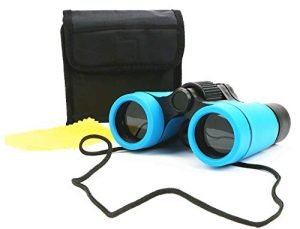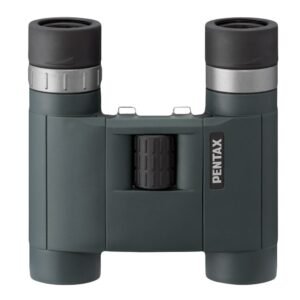
POLDR 8×21 Small Compact

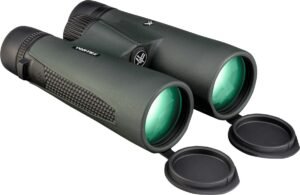
Nikon PROSTAFF P3 10×42
Choosing the right pair of binoculars can feel like a quest, especially when you’re presented with options that cater to such different needs and budgets. Today, we’re diving into a head-to-head comparison of two popular choices: the POLDR 8×21 Small Compact binoculars and the Nikon PROSTAFF P3 10×42 binoculars. These two models represent distinct ends of the spectrum when it comes to portability, features, and intended use. Whether you’re a casual observer looking for something to slip into your pocket for a concert, or a dedicated nature enthusiast seeking clarity and durability for the outdoors, understanding their differences is key to making the best decision for your viewing adventures.
This comparison aims to cut through the specs and marketing jargon to give you a clear, honest look at what each of these binoculars offers. We’ll explore their design, optical performance, user experience, and who each one is best suited for. By the end, you’ll have a much better idea of which binocular will truly enhance your viewing experiences, so you can invest wisely and enjoy those moments of discovery, whether they’re on a stadium stage or deep in a forest trail.
In-Depth Look: POLDR 8×21 Small Compact
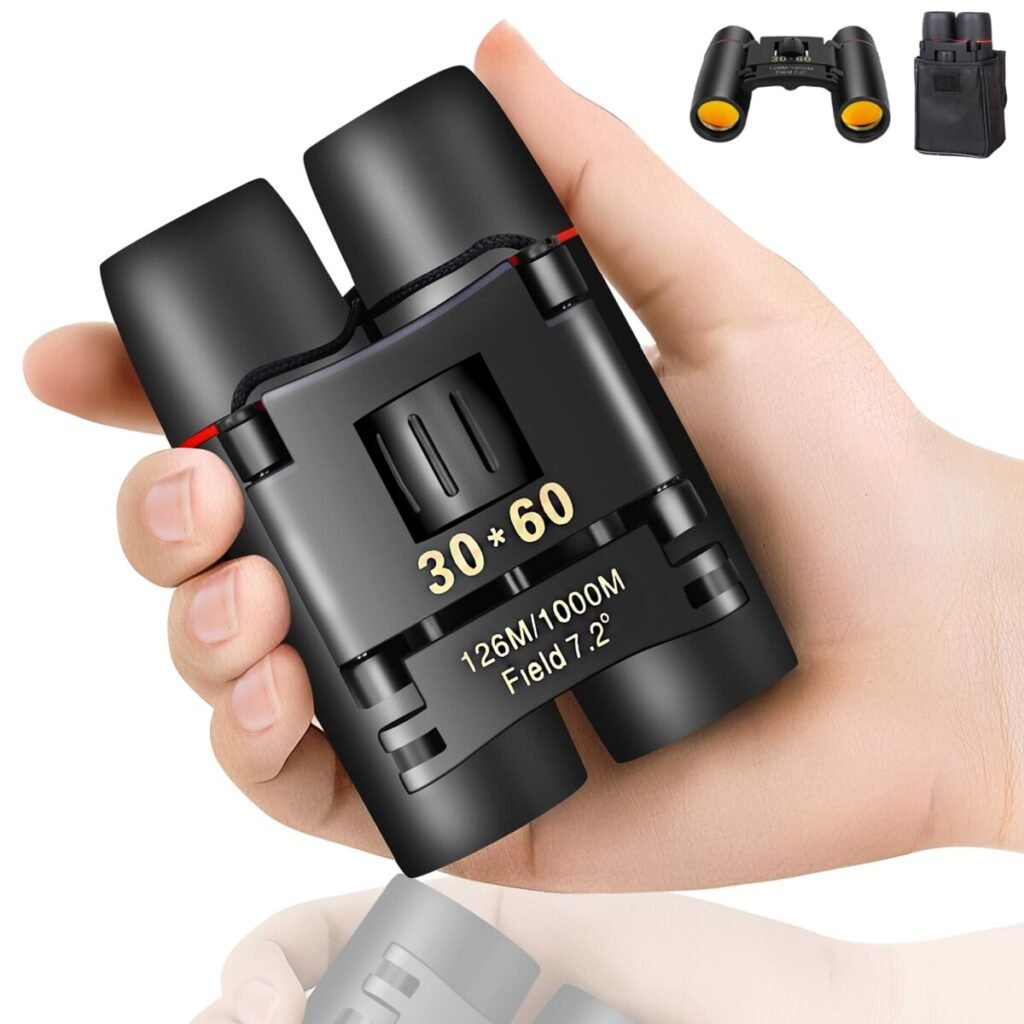
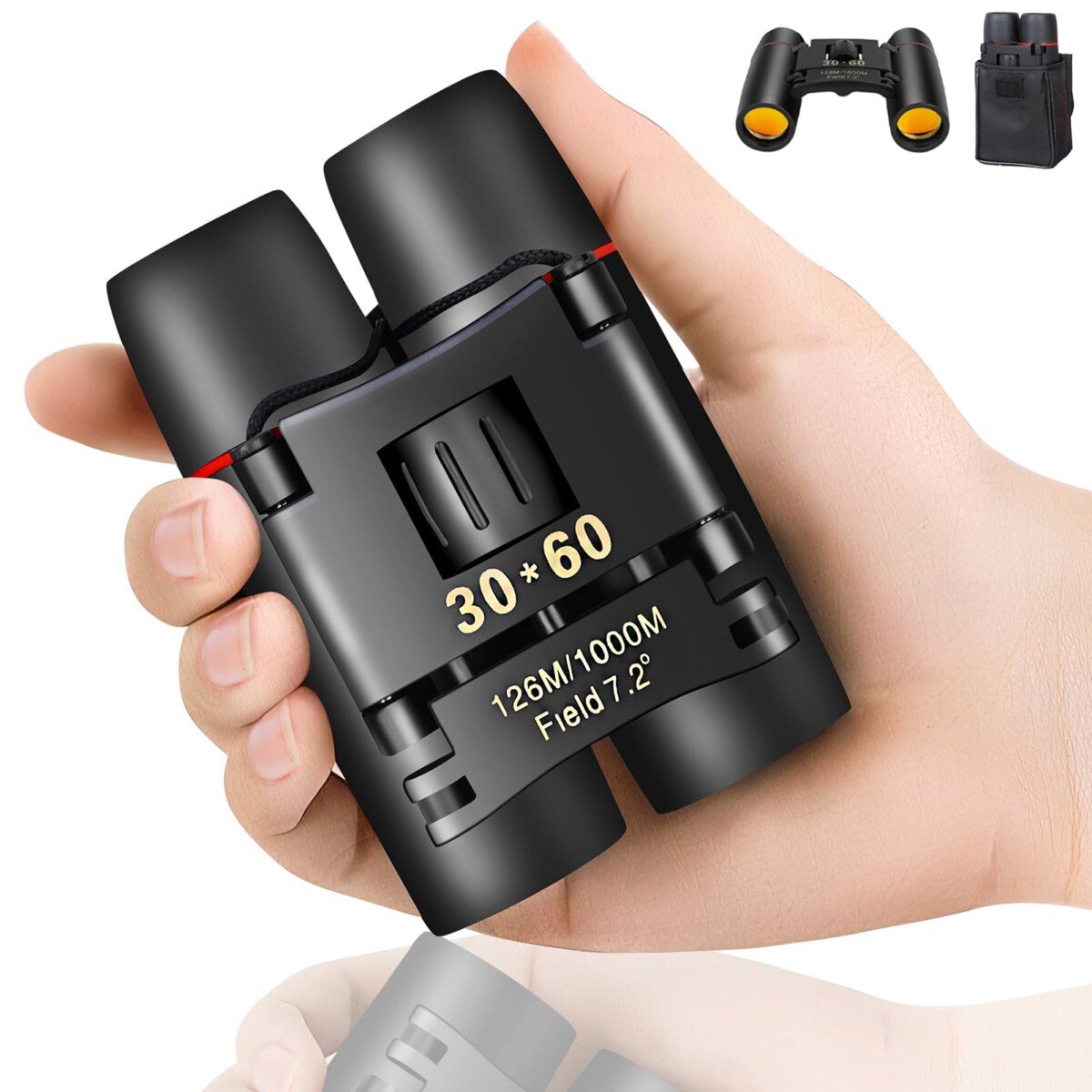
Let’s start by taking a closer look at the POLDR 8×21 Small Compact binoculars. As the name suggests, the defining characteristic of these binoculars is their size and weight. They are designed to be incredibly portable, fitting easily into a pocket or a small bag without adding any noticeable bulk. If your primary concern is convenience and having a pair of binoculars readily available for spontaneous viewing opportunities, the POLDR 8×21 Small Compact definitely ticks that box.
The optics are rated at 8x magnification with a 21mm objective lens diameter. This combination is typical for compact binoculars. The 8x magnification provides a good balance, offering a closer view without making the image too shaky, which can be a problem with higher magnifications in such a small package. The 21mm objective lens, while small, is sufficient for daytime viewing and situations where light is not a major limiting factor. The stated field of view is 369ft at 1000 yards, which is quite generous for this class of binoculars. This wide field of view means you can take in a large area, making it easier to find and follow subjects, especially if they are moving.
Focusing is handled by a smooth center-focus knob and an adjustable diopter on the right eyepiece. This is a standard and intuitive system that makes it easy to achieve a sharp image, even for those who wear glasses, with a bit of adjustment. The inclusion of BAK4 prisms is a plus. BAK4 prisms are known for their superior light-gathering capabilities and ability to produce a brighter, sharper image with less distortion compared to BK7 prisms, especially at the edges. The body is described as being made of Mg (magnesium alloy), which suggests it’s built to be durable despite its small size, with a hand-figured polishing adding a touch of refinement.
These binoculars come with a neck strap, a cleaning cloth, and a carrying bag, which are all useful additions that enhance their practicality right out of the box. They’re presented as a versatile option, suitable for a wide range of activities, from concerts and theater to casual bird watching and travel.
Pros:
- Extremely Lightweight and Compact: Their biggest selling point is their portability. You can carry them everywhere without feeling burdened.
- Generous Field of View: The 369ft/1000yds field of view is excellent for spotting and tracking subjects.
- Easy to Focus: The center-focus knob and right-eye diopter make adjustments straightforward.
- BAK4 Prisms: Contributes to better image quality than typically found in very compact binoculars.
- Affordable: Generally a budget-friendly option.
Cons:
- Limited Low-Light Performance: The smaller objective lens struggles in dim conditions.
- Build Quality Concerns: Some users report a “cheap” feel and potential durability issues for heavy use.
- Magnification Accuracy: One review suggests the magnification might not be as advertised (not 12x, but this review is for a 12x model which is not this specific product, but indicates potential for variance in user perception or manufacturing).
Customer Reviews Insights:
One user was pleasantly surprised by how small and lightweight they were, finding them perfect for concerts and easy to carry around. They noted the focus was stable. Another reviewer mentioned that while they are “super cheap” and feel like they might not last long, they work well for the price point, emphasizing their tiny size. A review in Portuguese highlighted their ideal size for observing birds and theater.
Best for:
The POLDR 8×21 Small Compact binoculars are ideal for casual users who prioritize extreme portability and affordability. They are a fantastic choice for:
- Concert-goers and theater enthusiasts
- Daytime sporting events
- Occasional travel and sight-seeing
- Children who need a lightweight, easy-to-use option
- Anyone who wants a “grab-and-go” pair of binoculars for quick, close-up observations.
If you’re looking for something to keep in your car’s glove compartment or your purse for those moments you wish you had a closer look, these are worth considering.
In-Depth Look: Nikon PROSTAFF P3 10×42
Now, let’s shift our focus to the Nikon PROSTAFF P3 10×42. This binocular represents a significant step up in terms of optical performance, durability, and intended use, aiming at users who demand more from their viewing equipment, particularly in outdoor and wildlife observation scenarios. Nikon is a name synonymous with quality optics, and the PROSTAFF line is known for delivering excellent value.
The 10x magnification on the P3 model means you’ll get a much closer view of distant subjects compared to the POLDR 8×21. Coupled with the larger 42mm objective lenses, these binoculars are designed to gather substantially more light. This is crucial for brighter, clearer images, especially in challenging lighting conditions like dawn, dusk, or shaded forests – times when wildlife is often most active. The larger objective lenses also contribute to a wider field of view in terms of light gathering, although the stated field of view (309ft/1000yds) is narrower than the POLDR. This is a common trade-off with higher magnification – you get closer, but you see a slightly smaller slice of the world at any given moment.
Nikon’s PROSTAFF P3 boasts multilayer-coated lenses, which are a significant advantage. These coatings reduce internal reflections, allowing more light to pass through the optical system. The result is enhanced brightness, better contrast, and more vibrant, accurate color rendition. The silver-alloy prism coating further contributes to this, ensuring lifelike colors across the spectrum, which is particularly important for birdwatchers who rely on subtle color details for identification.
Durability is a cornerstone of the PROSTAFF P3. They are built with a fiberglass-reinforced polycarbonate body, offering a great balance of strength and light weight. The rubber armoring provides a secure, non-slip grip, which is essential when you’re out in the elements or handling them with gloves. Crucially, these binoculars are waterproof and fogproof. They feature O-ring seals to keep water out and are nitrogen gas purged to prevent internal fogging, ensuring clear vision regardless of rain, snow, humidity, or rapid temperature shifts. This weather resistance makes them a reliable companion for any outdoor adventure.
For user comfort during extended viewing sessions, the Nikon PROSTAFF P3 features turn-and-slide eyecups and long eye relief. This design allows users to easily adjust the binoculars for comfortable viewing, whether they wear glasses or not. The smooth central focus wheel is designed for quick and precise adjustments, ensuring you can lock onto your subject without fuss. The ergonomic shape also contributes to a balanced feel in hand, reducing fatigue.
Pros:
- Exceptional Clarity and Brightness: Large objective lenses and multilayer coatings deliver sharp, bright images with accurate colors, even in low light.
- Robust and Durable Construction: Waterproof, fogproof, and rubber-armored for reliable performance in any weather.
- Excellent for Wildlife Observation: 10x magnification and superior optics are ideal for birding and spotting distant animals.
- Comfortable for Extended Use: Long eye relief and adjustable eyecups cater to various users, including eyeglass wearers.
- Reputable Brand: Nikon’s reputation for quality optics inspires confidence.
Cons:
- Narrower Field of View: Compared to smaller compacts, the 10x magnification results in a slightly reduced field of view.
- Chromatic Aberration: One user noted chromatic aberrations when viewing the sky, which can be common in high-magnification optics.
- Higher Price Point: Significantly more expensive than the POLDR 8×21.
Customer Reviews Insights:
One reviewer described the Nikon PROSTAFF P3 10×42 as hitting the “sweet spot” between performance, durability, and value, excelling in birdwatching, hiking, and wildlife observation. They praised the incredibly sharp images, excellent color fidelity, and brightness, even in early morning or dusk light. Another user found them great for birding, noting objects looked crystal clear and that the binoculars were rugged and comfortable to hold. They did, however, mention chromatic aberrations when viewing the sky. A Turkish review simply stated they were “perfect” and the best among three binoculars they owned.
Best for:
The Nikon PROSTAFF P3 10×42 binoculars are an excellent choice for serious outdoor enthusiasts and nature lovers who need reliable performance in various conditions. They are best suited for:
- Birdwatchers
- Hikers and trekkers
- Wildlife photographers and observers
- Hunters
- Anyone who requires durable, weather-resistant optics for extended outdoor use.
If you’re looking for a binocular that can handle the rigors of the outdoors and provide consistently excellent image quality, the Nikon PROSTAFF P3 10×42 is a strong contender.
Head-to-Head Comparison
When you pit the POLDR 8×21 Small Compact against the Nikon PROSTAFF P3 10×42, it’s like comparing a nimble scout with a seasoned explorer. They are built for fundamentally different purposes, and their strengths lie in entirely separate domains.
Optical Performance: Clarity, Brightness, and Magnification
This is where the most significant difference lies. The Nikon PROSTAFF P3 10×42, with its 42mm objective lenses and multilayer coatings, is designed to gather more light and produce brighter, sharper images. The 10x magnification allows for a much closer view of distant subjects, revealing finer details. The advanced lens coatings and BAK4 prisms in both contribute to good optical quality, but the larger lenses and superior coatings of the Nikon give it a distinct advantage, especially in less-than-ideal lighting conditions. The POLDR 8×21, while offering a decent view for its size, will inherently struggle more when light levels drop and the 8x magnification might not be enough for truly distant observations.
Portability and Design: Size vs. Durability
The POLDR 8×21 Small Compact is the undisputed champion of portability. Its “less than a cell phone” weight and compact dimensions mean you can take it absolutely anywhere without a second thought. It’s designed for convenience. The Nikon PROSTAFF P3 10×42, while still reasonably lightweight and ergonomic, is a more substantial instrument. Its design prioritizes durability and weather resistance. The rubber armoring and robust build make it feel more substantial and ready for adventure, whereas the POLDR might feel a bit more delicate in comparison.
Durability and Weather Resistance
The Nikon PROSTAFF P3 10×42 is built to withstand the elements. Being waterproof and fogproof means you can use it confidently in rain, mist, or even snow. This is a critical feature for anyone spending significant time outdoors. The POLDR 8×21, on the other hand, lacks any explicit weatherproofing. While it might handle a light sprinkle, it’s not designed for challenging environmental conditions. This difference is paramount for outdoor enthusiasts.
User Experience and Comfort
Both binoculars offer easy focusing mechanisms. The POLDR’s center focus is standard and effective for its size. The Nikon’s smooth central focus wheel, along with its turn-and-slide eyecups and long eye relief, is engineered for comfort during prolonged use, particularly for eyeglass wearers. While the POLDR is easy to use, the Nikon is designed for a more comfortable and extended viewing experience.
Value and Price Point
The POLDR 8×21 Small Compact is generally a very budget-friendly option. Its value lies in its extreme portability and accessibility for casual use. The Nikon PROSTAFF P3 10×42 is a significant investment compared to the POLDR, but its value is derived from its superior optical performance, ruggedness, and durability. For users who need these advanced features, the price is justified by the enhanced capabilities and longevity.
Intended Use Cases
This is perhaps the clearest differentiator. The POLDR 8×21 is perfect for concerts, theater, sporting events from the stands, or as a general-purpose “pocket optic” for quick looks at things nearby. The Nikon PROSTAFF P3 10×42 is a dedicated outdoor instrument, excelling in birdwatching, hiking, wildlife spotting, and any activity where you need to see distant details clearly and reliably, regardless of the weather.
Frequently Asked Questions
Q: Which binoculars are better for bird watching?
A: For serious bird watching, the Nikon PROSTAFF P3 10×42 is the superior choice. Its 10x magnification allows you to see finer details on birds, and the larger objective lenses combined with advanced coatings provide brighter, clearer images, especially in low light conditions often encountered at dawn and dusk when birds are most active. The weatherproofing also ensures you can use them confidently in various outdoor environments.
Q: I need something super small and light for concerts. Which one should I get?
A: The POLDR 8×21 Small Compact is tailor-made for this purpose. Its incredibly small size and lightweight design make it easy to slip into a pocket or small bag, and it won’t be a burden during a long event. The 8x magnification is sufficient for getting a closer view of performers on stage.
Q: Are the Nikon binoculars waterproof?
A: Yes, the Nikon PROSTAFF P3 10×42 binoculars are fully waterproof and fogproof. They are built with O-ring seals and nitrogen gas purging to prevent water intrusion and internal fogging, making them ideal for use in wet or humid conditions.
Q: Can I use the POLDR 8×21 binoculars with glasses?
A: Yes, the POLDR 8×21 Small Compact binoculars have a focus adjustment system that includes a diopter on the right eyepiece. With some adjustment, users who wear glasses can typically achieve a clear view. However, the Nikon PROSTAFF P3 10×42 is specifically designed with long eye relief and adjustable eyecups that often provide a more comfortable viewing experience for eyeglass wearers.
Q: Which binoculars offer a wider view?
A: The POLDR 8×21 Small Compact has a wider stated field of view (369ft/1000 yards) than the Nikon PROSTAFF P3 10×42 (309ft/1000 yards). This means the POLDR allows you to see a broader scene at a distance, which can be helpful for spotting moving objects or taking in a panoramic view. However, the Nikon’s 10x magnification brings subjects much closer, which is often prioritized for detailed observation.
Q: Which pair is more durable?
A: The Nikon PROSTAFF P3 10×42 is significantly more durable. Its construction includes fiberglass-reinforced polycarbonate and rubber armoring, and it is designed to be waterproof and fogproof, making it suitable for rugged outdoor use. The POLDR 8×21, while having some metal components, is primarily designed for compactness and might not withstand rough handling or extreme conditions as well.
Final Verdict: Which One Should You Choose?
The decision between the POLDR 8×21 Small Compact and the Nikon PROSTAFF P3 10×42 boils down to your priorities and intended use. There isn’t a “better” binocular here, only a binocular that is better suited for you.
If your primary need is for an ultra-portable, incredibly lightweight optic that you can carry everywhere without any fuss, and your viewing occasions are primarily in good lighting conditions (like concerts, theater, or daytime outdoor events), then the POLDR 8×21 Small Compact is an excellent, budget-friendly choice. It excels at being discreet and convenient.
However, if you are an outdoor enthusiast, a keen birdwatcher, a hiker, or someone who needs reliable optical performance in various lighting and weather conditions, the Nikon PROSTAFF P3 10×42 is the clear winner. Its superior optics, enhanced brightness, rugged construction, and weatherproofing make it a far more capable tool for serious observation. While it costs more and is less pocketable, the performance and durability benefits are substantial for outdoor pursuits.
Ultimately, consider where and how you plan to use your binoculars most often. For spontaneous, casual viewing where size is paramount, go for the POLDR. For dedicated exploration and detailed observation in the great outdoors, the Nikon PROSTAFF P3 10×42 is the investment that will serve you best.