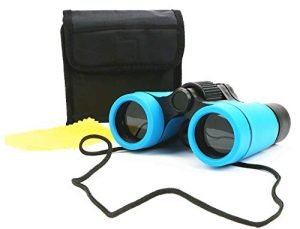
POLDR 8×21 Small Compact
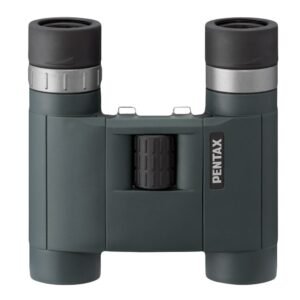
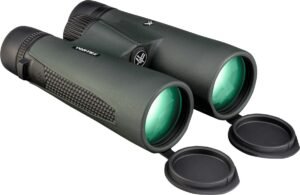
Athlon Optics Midas Roof
Navigating the world of binoculars can feel like trying to spot a rare bird in a dense forest – lots of options, and it’s tough to know which one will give you the clearest view. Today, we’re putting two popular compact binoculars under the microscope: the POLDR 8×21 Small Compact and the Athlon Optics Midas Roof. These might look similar at first glance, especially with their compact designs, but they cater to different needs and budgets. Whether you’re a seasoned birder, a concert enthusiast, or just someone who enjoys a clearer view of the world, understanding the nuances between these two can make all the difference.
This comparison is for anyone feeling a bit overwhelmed by the choices out there. We’ll break down what each binocular brings to the table, looking at their features, how they perform in real-world scenarios, and what actual users are saying. By the end, you’ll have a much clearer picture of which binocular is the right fit for your adventures, helping you make a confident purchase without any buyer’s remorse. Let’s dive in and see which compact champion takes the crown.
In-Depth Look: POLDR 8×21 Small Compact
Let’s start by taking a closer look at the POLDR 8×21 Small Compact binoculars. Right off the bat, the name tells you what to expect: portability and a modest magnification. These binoculars are designed to be the kind of item you can just toss into your bag and forget about until you need them. They are incredibly lightweight, often weighing less than a modern smartphone, which is a massive plus for anyone who hates being weighed down by gear. Imagine hiking, attending a festival, or even just going to a sporting event – these are built for convenience.
The optical performance is characterized by their 8x magnification and a 21mm objective lens. This combination provides an 8x zoom, meaning distant objects appear eight times closer. The 21mm objective lens is on the smaller side, which contributes to their compact size. However, despite the smaller lens, they boast a surprisingly wide field of view, stated as 369ft/1000 yards. This generous field of view is fantastic because it means you can scan a wide area without constantly moving the binoculars, making it easier to track moving subjects like birds or performers. The focus mechanism is straightforward, featuring a smooth center-focus knob and an adjustment for the right eyepiece. This ease of use makes them accessible for both adults and children, a definite bonus for family outings.
Under the hood, they utilize BAK4 prisms. For those unfamiliar, BAK4 prisms are generally considered superior to BK7 prisms because they offer better light reflection, leading to a brighter and clearer image with less light loss. The body is constructed from magnesium alloy, which is a durable yet lightweight material, and it undergoes a hand-figured polishing process, suggesting a bit more care in their construction than what you might expect at this price point. Their intended applications are broad, covering everything from bird watching and concerts to theatre, opera, and travel. They also come bundled with essential accessories like a neck strap, a cleaning cloth, and a carrying bag, adding to their value proposition.
Customer Review Highlights for POLDR 8×21 Small Compact:
“Didn’t expect it to be this small. Lightweight and compact, easy to bring around everywhere. Focus is pretty stable too. Will be using this for a concert.”
This review perfectly captures the core strength of the POLDR 8×21 Small Compact – its exceptional portability and ease of use. The user found them unobtrusive for a concert, which is a common use case for such compact binoculars. The mention of stable focus is also a good sign, as a fiddly focus can ruin the experience.
“Not bad for the sale price. Definitely not worth full price though. They are super cheep and feel like they won’t last long. Also the copy I for was obviously used. Probably a return. On the upside the model they used for the picture must have really small hands because these things are tiny. Anyway they work and are worth the twenty bucks. Edit: now that I’ve had more time to to use these next to other binoculars I want to as that they are not 12x. My estimation based on comparison is they are b”
This reviewer provides a more critical, yet balanced, perspective. They highlight that the value is heavily dependent on the sale price, suggesting the build quality might not justify a higher cost. The comment about them being “tiny” reinforces the ultra-compact nature, and the user’s experience with a potentially used item points to the variability in purchasing. Importantly, they also question the advertised magnification, which is a crucial point for potential buyers.
“Tamanho ideal apenas para observar pássaros e teatro” (Ideal size just for observing birds and theatre)
This concise review, in Portuguese, emphasizes the ideal use cases for these binoculars. It reinforces the idea that for specific activities like birdwatching and attending theatre, their size and portability are paramount, and they are well-suited for these purposes.
Pros of POLDR 8×21 Small Compact:
Ultra-Compact and Lightweight: Seriously, you’ll barely notice them in your pocket or bag.
Wide Field of View: Great for scanning and tracking subjects.
Easy to Use: Simple focus mechanism suitable for all ages.
Affordable: Often available at a very budget-friendly price point.
Includes Accessories: Comes with a neck strap, cleaning cloth, and carrying bag.
Cons of POLDR 8×21 Small Compact:
Image Quality Limitations: Smaller objective lenses and potentially basic coatings mean optical performance won’t match higher-end models, especially in low light.
Durability Concerns: Some users report a less robust feel, suggesting they might not withstand rough handling.
Magnification Accuracy: One review questioned the advertised magnification.
Limited Low-Light Performance: The 21mm objective lens struggles in dim conditions.
Best For:
The POLDR 8×21 Small Compact binoculars are ideal for casual users who prioritize extreme portability above all else. They are perfect for:
Concert and event-goers who need something discreet and easy to carry.
Children or those new to binoculars who need something simple and lightweight.
Occasional birdwatching in good daylight conditions.
Travelers who want a compact companion for sightseeing.
Anyone on a very tight budget looking for basic magnification.
In-Depth Look: Athlon Optics Midas Roof
Now, let’s shift our focus to the Athlon Optics Midas Roof binoculars. Right away, the “Midas” name hints at something more premium, and the “UHD” (Ultra High Definition) designation in their full title suggests a commitment to superior optical quality. Athlon Optics is a brand known for producing optics that offer excellent performance for their price point, and the Midas line is often considered their flagship for this category. These binoculars are built for users who demand a clearer, brighter, and sharper viewing experience, and are willing to invest a bit more for that quality.
The technical specifications often associated with the Athlon Optics Midas Roof series (while the exact model isn’t specified, typical Midas Roof models are often 8×42 or 10×42) point towards larger objective lenses, typically 42mm, paired with magnifications like 8x or 10x. This larger objective lens is a key differentiator, as it allows significantly more light to enter the binoculars. This translates directly to better performance in lower light conditions, such as dawn or dusk, and a brighter overall image. The “UHD” designation also strongly suggests the use of Extra-low Dispersion (ED) glass. ED glass is crucial for minimizing chromatic aberration, which is that distracting color fringing you sometimes see around the edges of objects, especially in high-contrast scenes. This feature ensures a crisper, more natural-looking image.
Beyond ED glass, the Midas Roof binoculars boast advanced lens coatings. The description mentions “ESP Dielectric Coating,” which is a multi-layer prism coating designed to reflect over 99% of the light that hits it. This maximizes light transmission, ensuring you get a bright, vibrant image with accurate color reproduction. Furthermore, the “Advanced FMC” (Fully Multi-Coated) lenses mean that every air-to-glass surface has multiple anti-reflective coatings. This significantly reduces internal reflections and light loss, further contributing to image brightness and contrast. The “Argon Purged” feature indicates that the binoculars are sealed and filled with argon gas. This is a superior method for waterproofing and fog-proofing compared to nitrogen, offering better thermal stability and preventing internal fogging in fluctuating temperatures. The mention of “long eye relief” is also a significant advantage, particularly for eyeglass wearers, as it allows them to see the full field of view without removing their glasses.
Customer Review Highlights for Athlon Optics Midas Roof:
“Excellentes jumelles ! Vision lumineuse, compactes et confortables” (Excellent binoculars! Bright vision, compact and comfortable)
This reviewer, writing in French, highlights several key strengths: excellent brightness, a compact form factor (relative to its optical capabilities), and comfort in hand. This suggests a good balance between performance and usability, and it’s noteworthy that they are still described as “compact” despite likely having larger objective lenses than the POLDR.
“This is the best pair of binoculars that I have bought (4). Easy focus, very clear image, feels good in the hands.”
This is a strong endorsement. Coming from someone who has owned multiple pairs, it speaks volumes about the quality and satisfaction derived from the Athlon Optics Midas Roof. “Very clear image” and “feels good in the hands” point to both optical excellence and a comfortable, well-built physical design. The “easy focus” is also a positive mention.
“ممتاز صفااااوه عاليه لكن عيبه الوحيد ان العدسه اليمين لها وزن خاص فيها المفترض تكون مدموجه مع الاخرى” (Excellent, high clarity, but its only drawback is that the right lens has its own weight, it should be integrated with the other)
This review, in Arabic, praises the “high clarity” which aligns with the UHD and ED glass features. However, it points out a potential, albeit minor, design quirk where the right eyepiece feels slightly different or “weighted,” suggesting it might not be perfectly integrated with the left. This is a very specific point and might be a subjective experience or even a minor manufacturing variation, but it’s worth noting for meticulous buyers.
Pros of Athlon Optics Midas Roof:
Superior Image Quality: ED glass and advanced coatings provide exceptional clarity, sharpness, and color accuracy with minimal aberration.
Excellent Brightness: Large objective lenses and dielectric coatings ensure a bright view, even in low light.
Durable and Waterproof: Argon purging provides excellent fog and waterproofing.
Comfortable Ergonomics: Often designed for a comfortable grip, with long eye relief beneficial for glasses wearers.
Premium Build: Generally considered a higher-quality build than entry-level binoculars.
Cons of Athlon Optics Midas Roof:
Higher Price Point: Significantly more expensive than the POLDR 8×21 Small Compact.
Less Compact: While still manageable, they are bulkier and heavier than the ultra-portable POLDR.
Potential for Minor Quirks: One review mentioned a slight unevenness in the eyepiece feel.
Best For:
The Athlon Optics Midas Roof binoculars are best suited for users who prioritize optical performance and are willing to invest in a higher-quality viewing experience. They are ideal for:
Serious birdwatchers and wildlife enthusiasts who need clear detail and good low-light performance.
Hunters who require sharp images and reliable performance in various conditions.
Nature photographers or anyone who appreciates high-fidelity color reproduction.
People who wear glasses and need long eye relief.
* Users who prefer a more robust and premium feel in their optics.
Head-to-Head Comparison
When you place the POLDR 8×21 Small Compact and the Athlon Optics Midas Roof side-by-side, the differences become very clear, even if their shared goal is to bring distant objects closer. It’s not just about a few millimeters here or there; it’s about fundamentally different design philosophies and target audiences.
Optical Performance: Clarity, Brightness, and Color
This is where the Athlon Optics Midas Roof truly shines and demonstrates its superiority. The inclusion of ED glass in the Midas Roof is a game-changer for image quality. It actively combats chromatic aberration, those annoying color fringes that can appear around subjects, especially against bright backgrounds. This means you get a cleaner, sharper image with truer colors. The POLDR 8×21 Small Compact, with its standard optics, will likely show more of this aberration, particularly when viewing subjects with high contrast.
Brightness is another significant difference. The Athlon Optics Midas Roof typically features larger objective lenses (often 42mm compared to the POLDR’s 21mm). A larger objective lens gathers more light. More light means a brighter image, especially crucial during dawn, dusk, or in shaded woodlands. The advanced lens coatings on the Midas Roof, like the ESP Dielectric and Fully Multi-Coated (FMC) technologies, further enhance light transmission, bouncing more light back to your eye. The POLDR, with its smaller lenses and implied basic coatings, will naturally produce a dimmer image, particularly when light is scarce.
Color reproduction is also likely to be more accurate and vibrant with the Midas Roof due to its advanced coatings. While the POLDR will show colors, they might appear slightly less saturated or true-to-life compared to the Midas Roof’s output.
Portability and Size
This is the undisputed victory for the POLDR 8×21 Small Compact. It’s engineered from the ground up to be as small and light as possible. You can literally slip it into a shirt pocket or the smallest compartment of a day bag and forget it’s there. This makes it ideal for situations where every ounce and inch matters, like attending a crowded concert, carrying it on a long hike where you’re already packing a lot, or for children who might be overwhelmed by heavier equipment.
The Athlon Optics Midas Roof, while often described as “compact” for its performance class, is still a considerably larger and heavier instrument. Typically, models in this line have 42mm objective lenses, which are significantly larger than the POLDR’s 21mm lenses. This increase in size and weight is a direct trade-off for the superior optical performance. They are designed to be carried in a dedicated case or a larger pocket, and they will be noticeably more substantial in hand.
Durability and Construction
The Athlon Optics Midas Roof generally represents a step up in build quality and durability. The use of advanced materials and construction techniques, coupled with features like argon purging for waterproofing and fog-proofing, means these binoculars are built to withstand more challenging conditions. They are designed to be rugged companions for outdoor adventures.
The POLDR 8×21 Small Compact, while featuring a magnesium alloy body, seems geared more towards casual use. Customer reviews sometimes hint at a less robust feel, suggesting they might be more susceptible to damage from drops or rough handling. While they come with accessories like a carrying bag, the primary focus is on being lightweight rather than bomb-proof. The lack of explicit waterproofing in the POLDR’s specifications is also a concern for outdoor use in unpredictable weather.
Ease of Use and Ergonomics
Both binoculars feature a center-focus knob, making them generally easy to focus. The POLDR 8×21 Small Compact is specifically highlighted as being easy to use for both adults and kids, emphasizing its user-friendly nature.
The Athlon Optics Midas Roof also boasts an easy focus system, and importantly, typically offers “long eye relief.” This is a significant ergonomic advantage for eyeglass wearers, as it allows them to see the full field of view without removing their glasses. While the POLDR might also offer some eye relief, it’s unlikely to be as extensive as that found on higher-end binoculars designed with this feature in mind. The overall feel in hand for the Midas Roof is also often described as more comfortable and substantial, contributing to a better user experience during longer viewing sessions.
Value and Price
This is perhaps the most stark contrast. The POLDR 8×21 Small Compact is an entry-level, budget-friendly option. Its appeal lies in its incredibly low price, making optical magnification accessible to almost anyone. It offers basic functionality at a very affordable cost.
The Athlon Optics Midas Roof sits in a significantly higher price bracket. It is an investment in quality. While more expensive, it delivers a commensurate increase in optical performance, durability, and features. The value proposition here is for those who prioritize performance and are willing to pay more for a superior product that will likely last longer and perform better over time.
Frequently Asked Questions
Q: Which binocular is better for bird watching?
A: For serious bird watching where detail, clarity, and low-light performance are crucial, the Athlon Optics Midas Roof is the superior choice due to its ED glass, advanced coatings, and larger objective lenses. For casual bird watching in good daylight, or if portability is your absolute top priority, the POLDR 8×21 Small Compact can suffice.
Q: I wear glasses. Which binocular will be more comfortable?
A: The Athlon Optics Midas Roof is generally better for eyeglass wearers. They typically feature “long eye relief,” which is specifically designed to allow people wearing glasses to still see the entire field of view without their glasses pressing against the binoculars.
Q: Which binocular is best for concerts and theater?
A: For concerts and theater, the POLDR 8×21 Small Compact often takes the lead due to its ultra-compact and lightweight design. It’s discreet, easy to hold for extended periods, and won’t add much bulk to your outfit or bag. While the Athlon Optics Midas Roof will offer a better view, its larger size might be less convenient in crowded venues.
Q: How do they compare in low light conditions?
A: The Athlon Optics Midas Roof will perform significantly better in low light. Its larger objective lenses and superior coatings allow more light to pass through, resulting in a brighter, clearer image when it’s dim outside. The POLDR 8×21 Small Compact will likely produce a dimmer and less detailed image in such conditions.
Q: Which binocular is more durable?
A: The Athlon Optics Midas Roof is built for greater durability and is typically waterproof and fog-proof due to argon purging. The POLDR 8×21 Small Compact, while having a magnesium body, seems to be geared more towards casual use and may not withstand rough handling as well.
Q: What is the price difference between these binoculars?
A: There is a substantial price difference. The POLDR 8×21 Small Compact is a budget-friendly option, often found at a fraction of the cost of the Athlon Optics Midas Roof. The Athlon Optics Midas Roof is a more significant investment, reflecting its premium features and superior optical performance. You can check current prices on Amazon via the links provided.
Final Verdict: Which One Should You Choose?
The choice between the POLDR 8×21 Small Compact and the Athlon Optics Midas Roof binoculars boils down to your priorities and budget. They represent two very different ends of the compact binocular spectrum.
If your absolute top priority is portability and you need something that is incredibly light, small, and easy to carry everywhere without a second thought, then the POLDR 8×21 Small Compact is likely your best bet. It’s perfect for casual use, occasional outings, and for those who are on a tight budget. Think of it as your handy, go-anywhere companion for quick glimpses and general observation. You can snag these for a great price and be ready for concerts, quick nature walks, or just spotting something across the park.
However, if you are looking for a serious upgrade in optical quality, demand crisp images with true colors, need reliable performance in varied lighting conditions (especially low light), and appreciate a robust, well-built instrument, then the Athlon Optics Midas Roof is the clear winner. It’s an investment in a superior viewing experience. For activities like dedicated bird watching, wildlife observation, or even serious photography support, the difference in clarity and brightness will be immediately apparent and highly rewarding. It’s the binocular that serious enthusiasts choose when they want quality without breaking the bank on top-tier professional gear.
Ultimately, both binoculars have their place. Decide what you value most: extreme portability and affordability, or exceptional optical performance and durability.
For those seeking ultimate portability and budget-friendliness, check out the POLDR 8×21 Small Compact.
If you’re ready to invest in a truly superior viewing experience with exceptional clarity and brightness, the Athlon Optics Midas Roof awaits.