Imagine standing on a picturesque hiking trail, surrounded by the serene whispers of nature, and spotting a majestic eagle soaring overhead or a deer gracefully grazing in the distance. These moments can transform an ordinary hike into a breathtaking wildlife experience.
But how can you capture these elusive glimpses of wildlife without disturbing their natural habitat? This is where monoculars come into play. If you’re eager to enhance your hiking adventures and get closer to the wonders of wildlife, using monoculars is your answer.
With the right techniques, monoculars can be a powerful tool to spot and observe animals from afar, turning your hikes into unforgettable journeys. You’ll learn how to choose the right monoculars, and how to use them effectively to enrich your wildlife spotting escapades. Keep reading to discover how monoculars can open your eyes to the hidden marvels of nature, all while maintaining the tranquility that makes hiking so special.

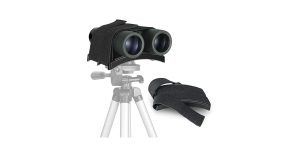
Credit: www.amazon.com.au
Choosing The Right Monocular
Magnification and lens sizeaffect how clear and close the view is. A magnification of 6x to 10x works well for hiking. Larger lenses let in more light, making images brighter. But very big lenses add weight and size, which can be hard to carry.
Portability and weightmatter because hiking needs light gear. Choose a monocular that is compact and easy to hold. Lightweight models reduce fatigue and fit easily in pockets or backpacks. A good grip helps keep the monocular steady.
Weather resistanceensures the monocular works in rain, fog, or dust. Look for waterproof and fog-proof features. These keep the lens clear and protect the device in tough outdoor conditions.

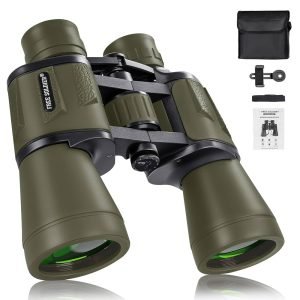
Credit: www.amazon.com
Preparing For The Hike
Carry a monocularwith a good zoom for clear views. Pack extra batteries or cleaning cloths to keep it ready. Bring water, snacks, and a map for safety and guidance. Wear comfortable shoes and weather-appropriate clothes.
Stay on marked trails to avoid getting lost or disturbing animals. Keep noise low to not scare wildlife away. Let someone know your hiking plan for safety. Carry a basic first-aid kit for minor injuries.
| Wildlife Hotspot | Best Time to Visit | Common Animals Seen |
|---|---|---|
| Forest Trails | Early Morning | Deer, Birds, Squirrels |
| Riverbanks | Late Afternoon | Frogs, Ducks, Beavers |
| Open Meadows | Midday | Butterflies, Rabbits, Foxes |
Basic Monocular Handling
Start by turning the focus ring slowly until the image is clear. Sharp focus helps see animals better.
Hold the monocular steady with both hands. Rest elbows on your body or a tree for stable viewing. This reduces shaking.
- Eye reliefmeans the distance between your eye and the lens.
- Keep your eye close but not touching the lens.
- This prevents dark edges and gives a full view.
Spotting Wildlife Effectively
Use slow and steady scanning techniquesto cover wide areas. Move your monocular in a smooth side-to-side motion. Pause briefly at each spot to catch any movement. Focus on open spaces like clearings or water sources where animals gather.
Learning to identify animal behaviorhelps predict their actions. Watch for signs like ear movement, head turns, or sudden pauses. These hints often signal that animals sense danger or are about to move. Noticing these details increases your chances of spotting wildlife.
Maintain quiet and stillnessto avoid scaring animals away. Speak in soft tones or stay silent. Keep your body steady and avoid quick movements. Use natural cover like bushes to blend in with the environment.
Enhancing Your Experience
Recording your wildlife sightings helps track what you see on hikes. Use a small notebook or a phone app to note animals, plants, and locations. This makes your trips more fun and educational.
Apps and field guides are useful for identifying species. Many apps show pictures and sounds to help recognize animals. Carrying a simple field guide book can also help when there is no phone signal.
- Join local wildlife groups to learn from others.
- Share your sightings and ask questions.
- Meet new friends who enjoy hiking and nature.
Caring For Your Monocular
Use a soft brush or air blower to remove dust from lenses. Avoid touching lenses with fingers to stop smudges. Clean lenses gently with a microfiber cloth and lens cleaner. Do not use tissue or rough fabrics that can scratch the glass.
Store the monocular in a dry, cool place. Keep it in a padded case to protect from bumps and scratches. Avoid leaving the monocular in direct sunlight or damp areas to prevent damage.
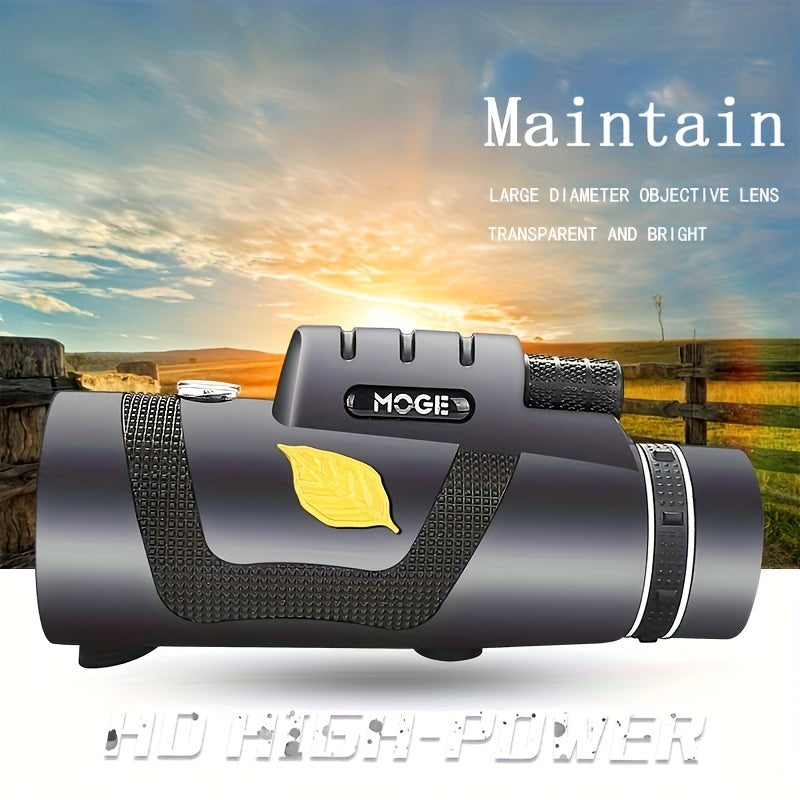
Check the monocular regularly for loose parts or damage. Tighten screws carefully if needed. Apply a small amount of silicone grease on moving parts to keep them smooth. Replace worn-out parts promptly to keep the monocular working well.
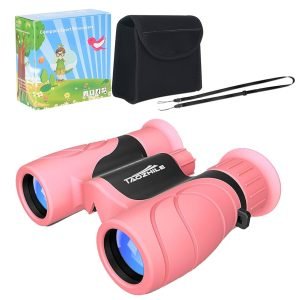
Credit: thecraze.in
Frequently Asked Questions
What Is The Best Monocular Magnification For Wildlife Spotting?
A 8x to 10x magnification is ideal for wildlife spotting. It offers clear images without much shakiness. Higher magnifications are harder to stabilize while hiking.
How Do I Focus A Monocular Quickly While Hiking?
Turn the focus ring slowly until the image sharpens. Practice focusing before your hike. Quick focus helps capture fast-moving animals easily.
Can I Use Monoculars In Low Light Conditions?
Yes, monoculars with larger objective lenses perform better in low light. Early mornings and evenings are great for wildlife spotting. Choose models with good light-gathering ability.
How Should I Carry Monoculars During A Hike?
Use a neck strap or carry case for easy access. Keep it secure to avoid drops. A padded case protects the monocular when not in use.
Conclusion
Using monoculars makes wildlife spotting clearer and more fun. Carry them lightly on hikes for quick views. Practice focusing to see animals without disturbing them. Stay patient and quiet to catch better sightings. Always respect nature and keep a safe distance.
With these tips, your hiking trips become more exciting. Enjoy every moment of observing wildlife up close. Monoculars bring the wild world closer to you. Keep exploring and learning with each hike.