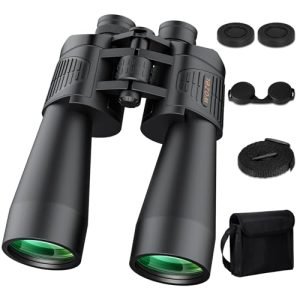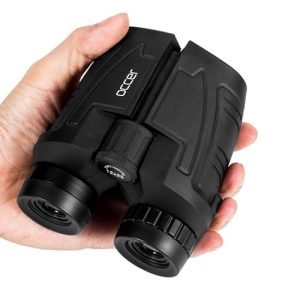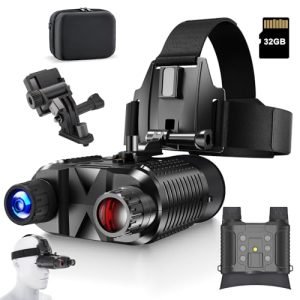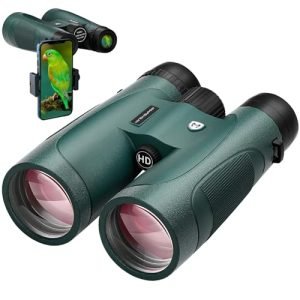
Are you wondering what magnification is best for birdwatching monoculars? Choosing the right magnification can make a huge difference in how clearly you see those beautiful birds up close.
Too much zoom might make the image shaky, while too little might leave you missing important details. You’ll discover exactly what magnification works best for your birdwatching adventures—helping you enjoy every feather and color with ease. Keep reading to find the perfect balance that fits your needs and makes every sighting unforgettable.

Credit: www.amazon.ca
Choosing The Right Magnification
Magnificationtells how much closer the bird will look. Small numbers like 6x show birds closer but less detail. Big numbers like 15x make birds look very close but can be shaky.
Higher magnification can cause blurry images if the lens is small or poor. For birdwatching, a balance is needed. Too much zoom can make the image hard to see clearly.
| Magnification | Best Use | Image Clarity |
|---|---|---|
| 6x-8x | Good for beginners, wide view | Clear and steady |
| 9x-12x | Most popular, detail and zoom balance | Sharp, needs steady hand |
| 15x+ | Long distance, expert use | Can be blurry, needs tripod |
Balancing Magnification And Field Of View
Field of viewshows how much area you see through the monocular. Higher magnification often means a narrower field of view. This makes it hard to spot birds quickly. A wide field of view helps you find birds faster and follow their movements easily.
Choosing the right magnification means finding a balancebetween seeing details and keeping a wide view. Too much zoom can make the image shaky and hard to hold steady. Lower magnification gives a clearer, more stable picture but less detail.
- Higher magnification: better detail, smaller view, shaky image
- Lower magnification: less detail, bigger view, steady image
- Ideal magnification: enough detail with a wide enough view
Effects Of Magnification On Stability
Higher magnification makes the image look bigger but harder to keep steady. Small shakes or hand movements become more visible. This causes a blurry or shaky view. Monoculars with magnification above 10x often face this issue.
To keep your view stable, use both hands to hold the monocular. Rest your elbows on a solid surface if possible. Using a tripod or a monopod can also help reduce shaking. Take slow, steady breaths and avoid sudden movements. These tips can improve your birdwatching experience.

Credit: www.amazon.ca
Considerations For Different Environments
Magnificationfor birdwatching varies by environment. In forests, a lower magnificationlike 6x or 8x works best. It helps you see birds clearly without much shakiness. High magnification can make images blurry due to tree movement and dense foliage.
For open spacesor long-distance viewing, higher magnification like 10x or 12x is better. It lets you see birds far away in detail. But, higher power can make the image shakier, so a stable grip or tripod helps.
- Forest birdwatching:6x to 8x magnification
- Open spaces:10x to 12x magnification
- Balance:Choose magnification that suits your environment
Optics Quality And Magnification
Choosing the right magnification affects how clearly you see birds at a distance. A 6x to 10x magnification offers a good balance between detail and stability. High-quality optics ensure sharp, bright images for better birdwatching experiences.
Lens Quality And Image Brightness
Lens qualityaffects how clear and bright the image appears through a monocular. Higher quality lenses let in more light, making images brighter, especially in low light. A monocular with a larger objective lenssize captures more light, enhancing brightness and detail. Glass with fewer flaws gives sharper views. Poor lens quality can cause blurry or dim images, making birdwatching hard.
Coating Technologies
Lens coatings improve light transmission and reduce glare. Common coatings include:
- Single-coated:One layer reduces some glare.
- Fully coated:All air-to-glass surfaces have one coating.
- Multi-coated:Multiple layers on some surfaces improve brightness and contrast.
- Fully multi-coated:Multiple layers on all surfaces give the best image quality.
Fully multi-coated lensesprovide clearer, brighter views, essential for spotting small birds.
Budget And Magnification Options
Budgetplays a big role in choosing the right magnification. Lower-cost monoculars often have magnification between 6x and 8x. This range works well for beginners because it offers a good view without shaking too much.
Higher magnification(10x or above) shows more details but can be harder to hold steady. It also costs more. For starters, a 6x to 8x monocularbalances price and performance nicely.
- 6x to 8x: clear view, easy to use, affordable
- 10x and above: more detail, higher price, needs steady hand
Choosing a monocular with good optics and moderate magnificationhelps beginners enjoy birdwatching without spending too much. This is the best way to start and learn what works for you.
Popular Magnification Choices
Birdwatching monoculars usually come with magnifications between 6x and 12x. Lower magnifications like 6x or 7xoffer a wider viewand are easier to hold steady. These are great for beginners and casual birdwatchers.
Mid-range magnifications such as 8x to 10xbalance zoom powerand image stability. These are popular for most birdwatchers who want clear details without too much shake.
Higher magnifications, like 12x, show very fine details but can be harder to keep steady without a tripod. These suits experienced birdwatcherswho want to see distant birds closely.
| Skill Level | Recommended Magnification | Benefits |
|---|---|---|
| Beginner | 6x – 7x | Wide view, easy to hold steady |
| Intermediate | 8x – 10x | Good balance of zoom and stability |
| Advanced | 12x | Detailed view, may need tripod |
Credit: gearjunkie.com
How To Test Magnification In Store
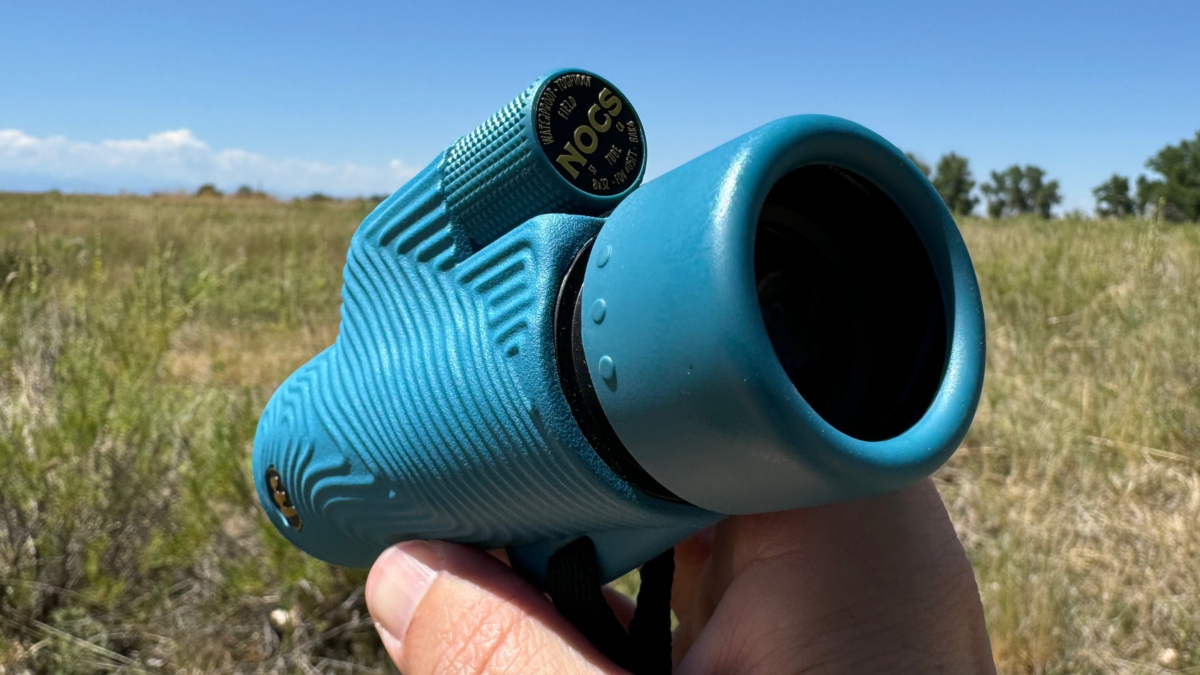
Try holding the monocular to your eye. Check if it feels comfortablefor long use. See if the focus knob is easy to turn. Check the weight; heavy devices tire your hand quickly. Look through the lens at a distant object. Notice how clear and sharp the image is. Test the zoom and see if it changes smoothly. Make sure the image stays steady when you hold it.
Try different models to find one that fits your hand well. Some have rubber grips for better hold. Others may be too slippery or bulky. Look at how easy it is to adjust the lens. The best model should feel natural to use. Comfort helps you enjoy birdwatching longer.
Frequently Asked Questions
What Magnification Is Ideal For Birdwatching Monoculars?
The ideal magnification for birdwatching monoculars is between 8x and 10x. This range offers clear, detailed views without excessive shakiness or narrow field of view.
Why Not Use Very High Magnification For Birdwatching?
Very high magnification causes image shakiness and a narrow viewing area. It makes tracking fast-moving birds difficult and reduces image brightness.
How Does Magnification Affect Field Of View In Monoculars?
Higher magnification reduces the field of view, limiting how much area you can see. Lower magnification provides a wider view, making it easier to spot birds.
Can I Use A 12x Monocular For Birdwatching?
A 12x monocular can be used but may be less stable and harder to handle. It’s best for experienced users or with a tripod for steady viewing.
Conclusion
Choosing the right magnification for birdwatching monoculars depends on your needs. Lower magnifications offer wider views and easier handling. Higher magnifications bring distant birds closer but can be harder to keep steady. Think about where you will watch birds most often.
Also, consider how clear and bright the image appears. Comfort and ease matter too. The best magnification balances clarity, stability, and field of view. This helps you enjoy birdwatching without strain. Take your time to find what suits you best.
Happy birdwatching!