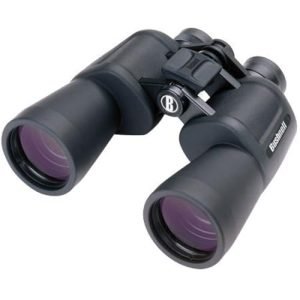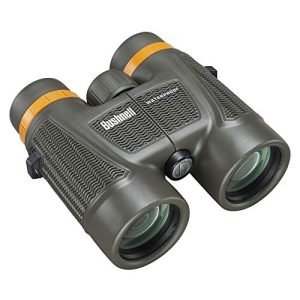
When you’re choosing travel binoculars, one question probably comes up first: what magnification is best for your adventures? Picking the right magnification can make all the difference between clear, sharp views and frustrating, shaky images.
You want binoculars that fit your travel style, are easy to carry, and give you the perfect zoom without overwhelming your hands or eyes. You’ll discover exactly how to find the magnification that matches your needs, so every sight you see on your trip feels unforgettable.
Keep reading—you’re about to unlock the secret to choosing binoculars that truly enhance your travel experience.
Choosing The Right Magnification
Choosing the right magnification is key for travel binoculars. It affects how far and clear you can see. Higher magnification shows distant objects better but can be harder to hold steady. Lower magnification gives a wider view and is easier to use.
Consider these factors:
- Weight and Size:Light binoculars are better for travel.
- Stability:Higher magnification needs more steady hands or a tripod.
- Field of View:Lower magnification offers a larger viewing area.
- Purpose:Bird watching, hiking, or sightseeing may need different magnifications.
| Magnification | Best For | Notes |
|---|---|---|
| 8x | General travel, wide view | Easy to hold steady, bright image |
| 10x | Closer details, moderate distance | Good balance of zoom and stability |
| 12x or more | Long distance viewing | Needs steady hands or support |
Benefits Of Lower Magnification
Lower magnification binoculars are easier to handle during travel. They offer a wider field of view, which helps in spotting objects quickly. This makes them great for beginners and casual users alike.
Binoculars with lower magnification are lighter and more compact. This adds to the comfort during long use. They cause less arm shake, providing better image stabilitywithout a tripod.
- Less strain on hands and arms
- Quick target acquisition
- More comfortable for long periods
- Easy to carry and pack
Advantages Of Higher Magnification
Higher magnification helps you see distant objects clearly during travel. It brings faraway details closer, enhancing your viewing experience. This is useful for spotting wildlife or landmarks from a distance.
Enhanced Detail
Higher magnificationlets you see things very close and clear. Small details on birds, animals, or far objects become easy to spot. This helps you enjoy nature better. But, higher power can make the image shaky if you hold it by hand. So, a steady hand or a tripod is good.
Best Uses For High Magnification
- Watching birds far away in a forest
- Looking at animals on a safari
- Viewing ships or boats at sea
- Spotting landmarks or buildings from a distance
- Watching sports events from far seats
:max_bytes(150000):strip_icc()/tal-athlon-optics-8x42-midas-uhd-binoculars-signe-bamsey-ben-wanamaker-09-1-8caa644274c046f78e4cc47a08bb9750.jpeg)
Credit: www.travelandleisure.com
Impact On Field Of View
Field of viewshows how much area you can see through binoculars. Higher magnification usually means a smaller field of view. This makes it hard to find or follow moving objects.
Lower magnification gives a wider field of view. This helps in scanning large areas and spotting wildlife or landmarks easier.
| Magnification | Field of View | Best Use |
|---|---|---|
| 6x – 8x | Wide | Travel, hiking, general use |
| 10x | Narrower | Detailed viewing, spotting distant objects |
- Choose lower magnification for better area coverage.
- Higher magnification for clear but limited view.
- Balance needed for comfort and usefulness.
Portability And Size Considerations
Choosing between compactand full-size binocularsdepends on travel needs. Compact binoculars are small, light, and easy to carry. They fit in pockets or small bags. Full-size binoculars offer better image qualitybut are heavier and bulkier.
Weight plays a big role in travel comfort. Heavy binoculars can tire your arms quickly. Lightweight models help you stay comfortable during long trips. Consider how much space you have in your bag or luggage.
| Type | Size | Weight | Best For |
|---|---|---|---|
| Compact | Small | Light (under 1 lb) | Easy travel, short hikes |
| Full-Size | Large | Heavier (over 1 lb) | Better views, longer use |

Credit: www.amazon.com
Lens Quality And Light Transmission
Lens coatingshelp reduce glare and improve image clarity. They allow more light to pass through the lenses. This means brighter and clearer views, especially in low light.
Light transmission is key for good binoculars. Higher light transmission means better brightness and contrast. This helps you see details in dim or shaded areas.
| Type of Coating | Light Transmission | Benefits |
|---|---|---|
| Coated | About 80% | One or more lens surfaces coated |
| Fully Coated | About 90% | All air-to-glass surfaces coated |
| Multi-Coated | Above 90% | Multiple layers on some surfaces |
| Fully Multi-Coated | Above 95% | Multiple layers on all surfaces |
Choosing binoculars with fully multi-coated lensesis best for travel. They give the brightest and clearest images. This helps you enjoy your trips more.
Weather Resistance And Durability
Travel binoculars need to handle wet and cold conditions well. Waterproofand fog-prooffeatures keep the lenses clear. This helps you see far without any blur or water spots.
Strong materials like rubber coatingsprotect from drops and scratches. The binoculars stay safe in rough weather or when packed tightly in a bag. A good build means they last longer on trips.
| Feature | Benefit |
|---|---|
| Waterproof | Keeps water out to protect lenses and mechanics |
| Fog-proof | Prevents inside fogging for clear views |
| Rubber Coating | Shocks and scratches protection |
| Durable Build | Handles rough use and lasts longer |
Budget Considerations
Choosing travel binoculars means finding a balance between costand features. Expensive models often offer better optical qualityand durability. Cheaper ones might lack in clarityor build strength. For most travelers, a moderate pricewith good features fits best.
Compact size and lightweight design are key for travel. Some budget binoculars provide these without high cost. Others have more features but weigh more and cost more.
| Budget Range | Features | Best For |
|---|---|---|
| Under $50 | Basic optics, lightweight, limited zoom | Casual travelers, beginners |
| $50 – $150 | Better lens, good zoom, more durable | Most travelers, hobbyists |
| Above $150 | High clarity, waterproof, sturdy | Serious users, outdoor lovers |
Popular Brands And Models
Popular brands offer a range of travel binoculars with different features. Top brandsinclude Nikon, Bushnell, and Celestron. These brands focus on lightweightand compactdesigns, perfect for travel.
Recommended models balance magnificationand portability. For example, Nikon’s 8×25 and Bushnell’s 10×25 are popular choices. These models offer clear images without being heavy or bulky.
| Brand | Model | Magnification | Features |
|---|---|---|---|
| Nikon | 8×25 | 8x | Compact, sharp images, lightweight |
| Bushnell | 10×25 | 10x | Bright lenses, easy to carry |
| Celestron | 7×35 | 7x | Wide view, good for nature watching |

Credit: www.amazon.co.uk
Frequently Asked Questions
What Magnification Is Ideal For Travel Binoculars?
A magnification of 8x to 10x is ideal for travel binoculars. It balances image clarity and field of view perfectly. This range offers clear, stable images without excessive weight or shakiness during use.
Why Not Choose Higher Magnification For Travel Binoculars?
Higher magnification causes a narrower field of view and increased image shakiness. It also requires a steadier hand or tripod. For travel, lower magnifications provide easier handling and better overall experience.
How Does Magnification Affect Travel Binocular Size?
Higher magnification binoculars tend to be bulkier and heavier. Lower magnification models are generally compact and lightweight. For travel convenience, choosing moderate magnification ensures portability and comfort.
Can I Use 12x Or 15x Magnification For Travel?
While 12x or 15x magnifications offer more zoom, they reduce stability. These are less practical for travel due to size and shakiness. Moderate magnifications like 8x or 10x offer better usability on the go.
Conclusion
Choosing the right magnification makes travel binoculars more useful. Lower magnifications offer a wider view and steady images. Higher magnifications bring distant objects closer but can be harder to hold still. A balance between size, weight, and power suits most travelers best.
Think about where you will use them and what you want to see. Good travel binoculars help you enjoy nature and sights clearly. Pick magnification that fits your needs and makes your trip better. Simple, clear, and practical choices work well every time.