Have you ever wondered how prison guards keep such a close watch over large prison yards and secure areas? You might be surprised to learn that binoculars play a key role in their daily routine.
These simple yet powerful tools help guards spot trouble from a distance, ensuring safety for everyone inside. If you’re curious about how binoculars are used behind prison walls and why they matter, keep reading—you’re about to discover details that most people don’t know.
Credit: www.corrections1.com
Role Of Binoculars In Prison Security
Binoculars are tools used by prison guards to watch over the prison grounds. They help guards see far areas clearly. This is important for keeping the prison safe.
Using binoculars allows guards to spot unusual activity quickly. They improve the ability to control and protect the prison environment.
Enhancing Surveillance Capabilities
Binoculars help guards see details from a distance. This makes it easier to watch prisoners and visitors. Guards can check for any rule-breaking or suspicious behavior.
Monitoring Large Perimeters
Prison yards and fences cover large areas. Binoculars let guards watch these spaces without moving around too much. This saves time and covers more ground.
- Check the outer fences for damage
- Spot anyone trying to escape
- Observe visitor areas from a distance
- Monitor prisoner movement in open spaces
Identifying Potential Threats
| Threat Type | How Binoculars Help |
| Escape Attempts | Spot distant movements near walls |
| Contraband Delivery | Watch for handoffs outside fences |
| Violence | See fights or aggressive acts early |
| Unauthorized Entry | Identify strangers near the prison |
Types Of Binoculars Used By Guards
Prison guards use binoculars to watch over large areas. These tools help them see far and stay alert.
Different types of binoculars fit different needs. Guards choose based on size, vision type, and strength.
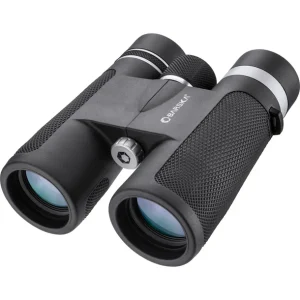
Compact Vs. Full-size Models
Compact binoculars are small and easy to carry. They are light but have less zoom power.
Full-size binoculars are bigger and heavier. They offer better zoom and clearer views over long distances.
- Compact models suit quick checks and close areas.
- Full-size models work best for wide areas and detailed viewing.
- Guards pick based on how far and long they watch.
Night Vision And Thermal Options
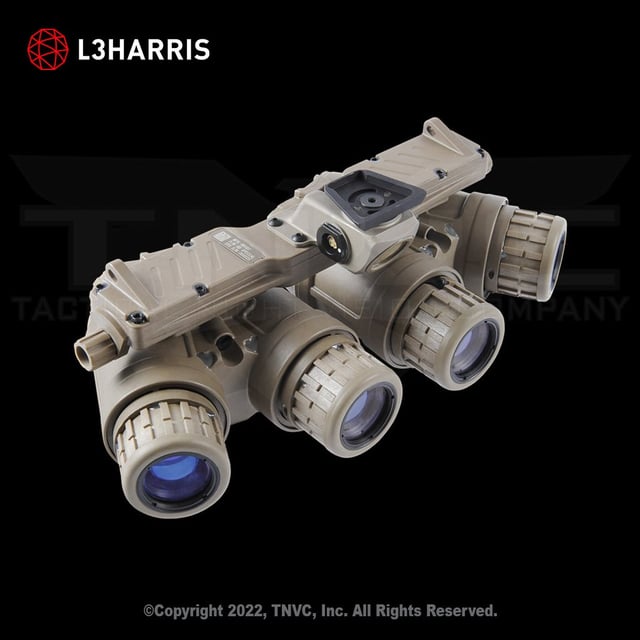
Night vision binoculars help guards see in dark places. They use special lenses to catch low light.
Thermal binoculars show heat signatures. They detect people or animals even in total darkness or fog.
- Night vision works well in low light but needs some glow.
- Thermal works anytime, even in no light or smoke.
- Both types improve safety during night patrols.
Durability And Weather Resistance
Guards need binoculars that last in tough conditions. Rain, dust, and drops can damage weak models.
Durable binoculars have strong cases and seals. They resist water and shocks to keep working well.
- Waterproof binoculars work in rain or snow.
- Shockproof designs protect against falls or bumps.
- Fog-proof models avoid lens fogging in cold or humid air.
Benefits Of Binoculars For Prison Guards
Binoculars help prison guards see far areas clearly. They give a better view of the prison yard and surroundings.
These tools help guards watch for problems and keep the prison safe every day.
Improved Reaction Time
Binoculars let guards spot trouble from far away. They can see fights or escapes early.
This early warning helps guards act fast to stop problems.
Increased Safety For Staff
Using binoculars, guards can watch dangerous areas without getting close. This keeps them safe.
- Monitor high-risk zones from a distance
- Avoid direct exposure to threats
- Keep track of inmate movements clearly
Supporting Routine Inspections
Binoculars help guards check fences, walls, and towers. They can find damages or problems during patrols.
| Inspection Area | Benefit |
| Perimeter Fence | Detects holes or weak spots |
| Watchtowers | Checks guard alertness |
| Yard | Monitors inmate activities |
Challenges And Limitations
Prison guards use binoculars to watch large areas. These tools help keep watch from a distance. Still, binoculars have some problems that affect their use.
Understanding these challenges helps improve safety and guard performance. The main issues include blind spots, range limits, maintenance, and training needs.
Blind Spots And Limited Range
Binoculars only show a small view at once. Guards can miss activities happening outside this view. Blind spots make it hard to see everything clearly.
Also, binoculars have a limited distance range. Objects far away may appear blurry or unclear. This limits how far guards can safely watch.
- Blind spots hide parts of the area
- Limited range reduces long-distance vision
- Small field of view requires frequent adjustments
Maintenance And Handling Issues
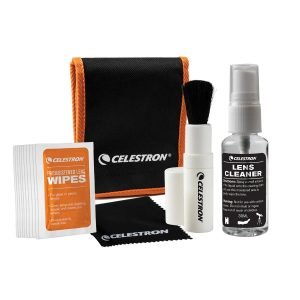
Binoculars need regular care to work well. Dirt, scratches, or water damage can reduce their quality. Poor handling can break or misalign the lenses.
Guards must clean and store binoculars properly. This keeps the lenses clear and the device ready for use. Without care, binoculars may fail at critical moments.
- Cleaning lenses prevents blurry images
- Proper storage avoids physical damage
- Regular checks ensure good condition
Training Requirements
Using binoculars correctly needs training. Guards must learn how to focus and scan areas. They also need to know the limits of the device.
Without training, guards may miss important details. Proper use improves safety and helps guards act fast. Training also covers how to care for binoculars.
- Learn to adjust focus quickly
- Practice scanning large areas
- Understand device limits and care
Alternatives And Complementary Tools
Prison guards use different tools to watch over inmates safely. Binoculars help, but other devices also improve security. These tools work together to keep the prison secure.
This article looks at three main tools besides binoculars. They are CCTV cameras, drones, and communication devices. Each plays a key role in prison monitoring.
Cctv And Surveillance Cameras
CCTV cameras record and show live images from many prison areas. Guards watch screens to spot trouble quickly. Cameras cover places that binoculars can’t reach.
- Provide 24/7 monitoring of cells and yards
- Record events for later review
- Help reduce blind spots in surveillance
- Allow guards to watch multiple areas at once
Drones For Aerial Monitoring
Drones fly over large prison grounds to watch from above. They offer a wide view that binoculars and cameras might miss. Drones help spot escapes or unusual activity quickly.
| Benefit | Details |
| Wide Coverage | See large outdoor areas from high above |
| Quick Deployment | Sent out fast to check suspicious spots |
| Real-Time Video | Live feed sent to guards on the ground |
| Safety | Reduce need for guards to enter risky zones |
Communication Devices
Communication tools let guards share information fast. Radios and headsets help teams stay in touch. They coordinate responses to problems or emergencies.
- Instant alerts about incidents
- Better teamwork during checks and patrols
- Quick calls for backup when needed
- Keep all guards informed at all times
Credit: www.thecanadianpressnews.ca
Real-life Usage Examples
Binoculars help prison guards see far areas clearly. They improve safety in large correctional facilities.
Using binoculars, guards can watch over yards, fences, and towers. This helps stop problems early.
Case Studies From Correctional Facilities
In several prisons, guards use binoculars to watch the perimeter. This tool helps spot unusual activity fast.
- At one prison, binoculars helped catch escape attempts from a distance.
- Another facility uses binoculars to monitor inmate gatherings before they become fights.
- Guards also spot contraband being passed over fences with binoculars.
Success Stories In Incident Prevention
Binoculars have helped stop many incidents before they start. Guards see trouble early and act quickly.
| Incident Type | Binocular Use | Outcome |
| Escape attempt | Spotted from watchtower | Prevented escape |
| Inmate fight | Observed in yard | Intervened early |
| Contraband exchange | Seen passing over fence | Confiscated items |

Credit: www.freepik.com
Frequently Asked Questions
Do Prison Guards Commonly Use Binoculars For Surveillance?
Yes, prison guards often use binoculars to monitor inmates from a distance. This helps ensure safety and detect suspicious activities early.
Why Are Binoculars Important For Prison Security?
Binoculars enhance visibility across large prison yards and perimeters. They allow guards to spot potential threats without physical proximity.
How Do Binoculars Improve Guard Efficiency In Prisons?
Binoculars let guards observe multiple areas simultaneously. This increases vigilance and helps maintain order more effectively in correctional facilities.
Are Specific Binocular Types Preferred By Prison Guards?
Guards usually prefer compact, durable binoculars with good magnification. These models withstand harsh conditions and provide clear, detailed views.
Conclusion
Prison guards use binoculars to watch over large areas clearly. These tools help them spot any unusual activity from far away. Binoculars improve safety by giving guards a better view. They are simple but effective devices in prison security. Guards rely on them to keep order and prevent escapes.
Using binoculars makes their job easier and faster. Such equipment plays a key role in maintaining control. Overall, binoculars are important for prison guards’ daily tasks.