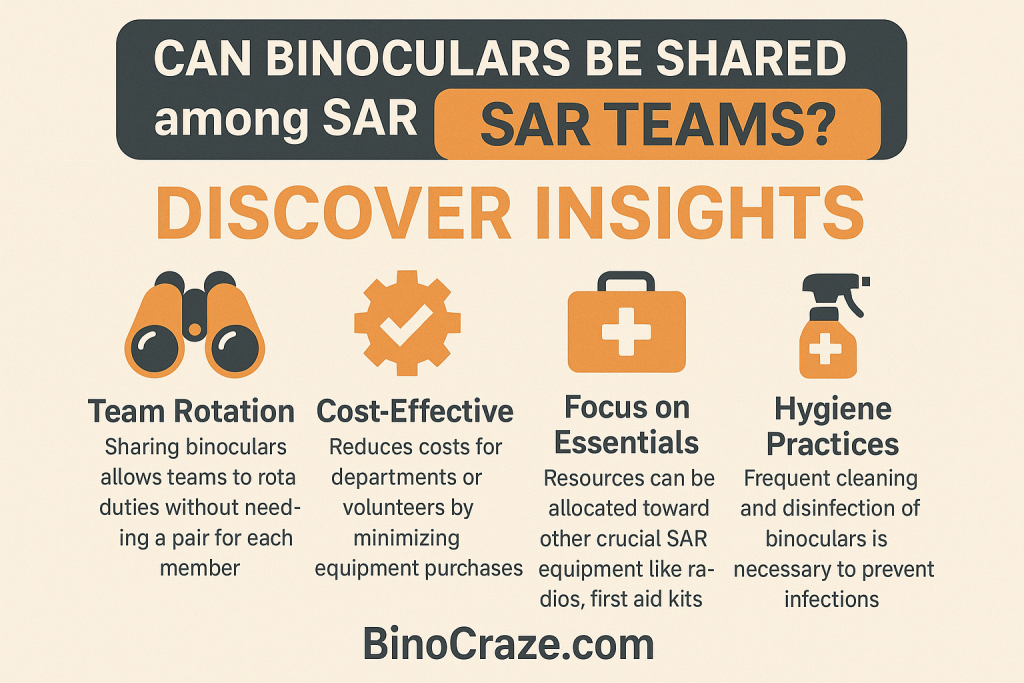
Have you ever wondered if binoculars can be shared among SAR (Search and Rescue) teams? If you’re part of a rescue mission or planning one, this question is more important than you might think.
Your team’s ability to spot someone in need quickly can make all the difference. Sharing binoculars might seem like a simple solution, but there are hidden factors that could impact your team’s effectiveness and safety. Keep reading to discover the key points you need to know before passing those binoculars around.
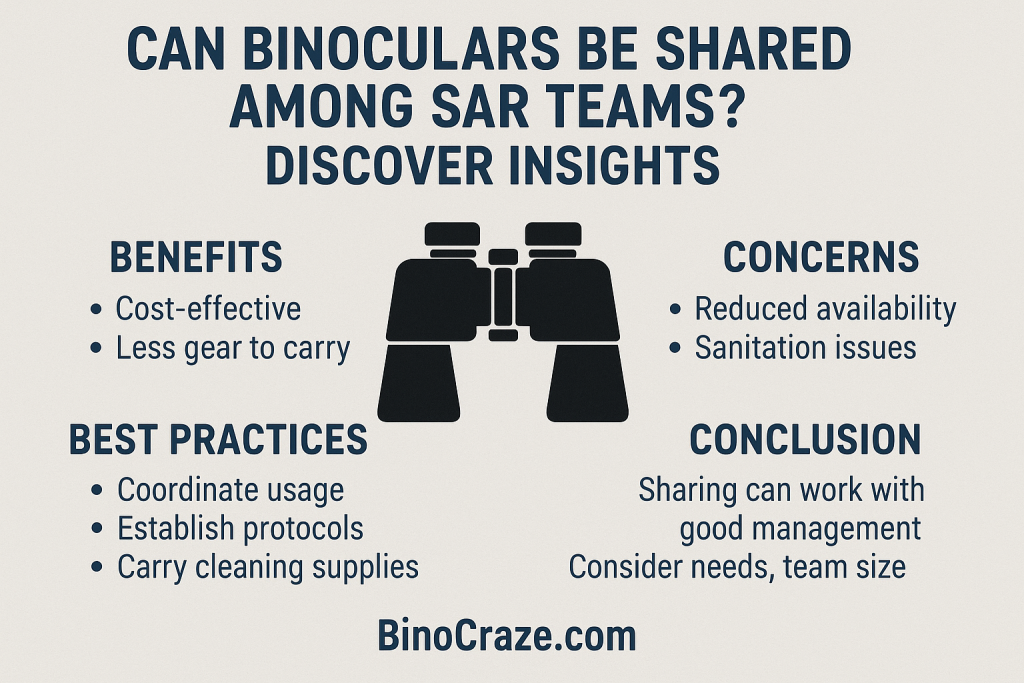
Benefits Of Sharing Binoculars
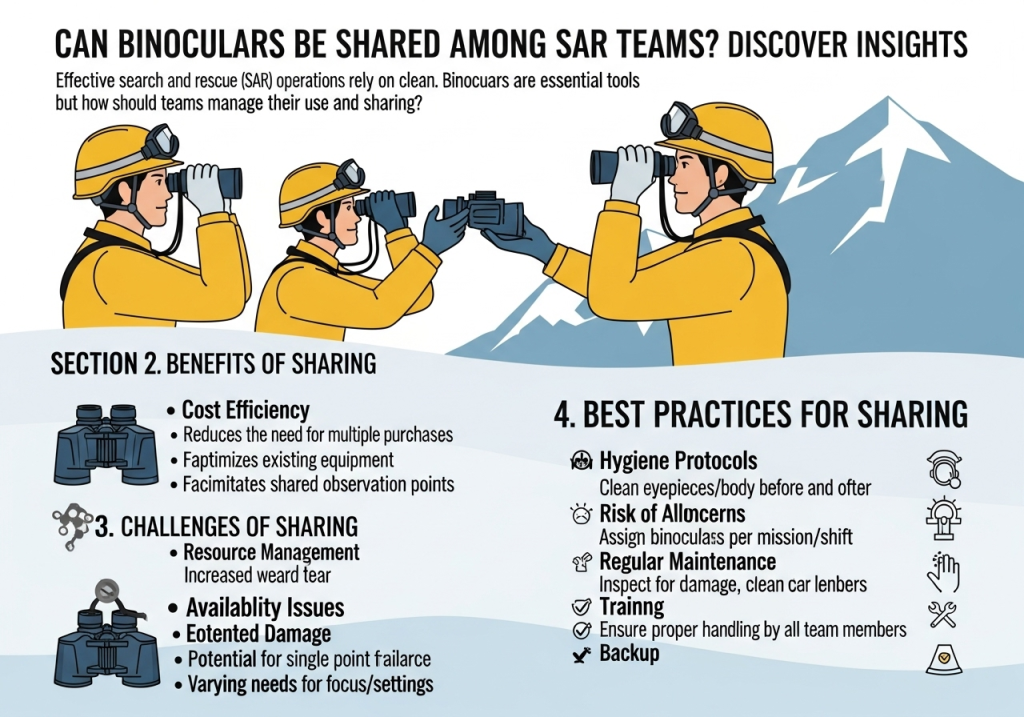
Sharing binoculars among search and rescue (SAR) teams can improve how they work together. It helps teams use resources better and saves money.
This article explains the main benefits of sharing binoculars in SAR operations.
Cost Efficiency
Buying binoculars for every team member costs a lot. Sharing binoculars lowers the total expense for SAR groups. Teams can spend saved money on other tools.
Enhanced Team Coordination
When teams share binoculars, they communicate and plan better. Shared tools encourage members to work closely and support each other.
- Improves communication between team members
- Allows quick sharing of observations
- Helps teams cover larger search areas
- Builds trust and cooperation
Resource Optimization
Sharing binoculars makes sure equipment is used well. Teams avoid having extra unused gear. It also means less weight to carry during missions.
| Benefit | Details |
| Less Equipment Needed | Teams use fewer binoculars overall |
| Easy Maintenance | Fewer devices to clean and repair |
| Better Packing | Lighter packs help team movement |
| Quick Access | Binoculars are available when needed |
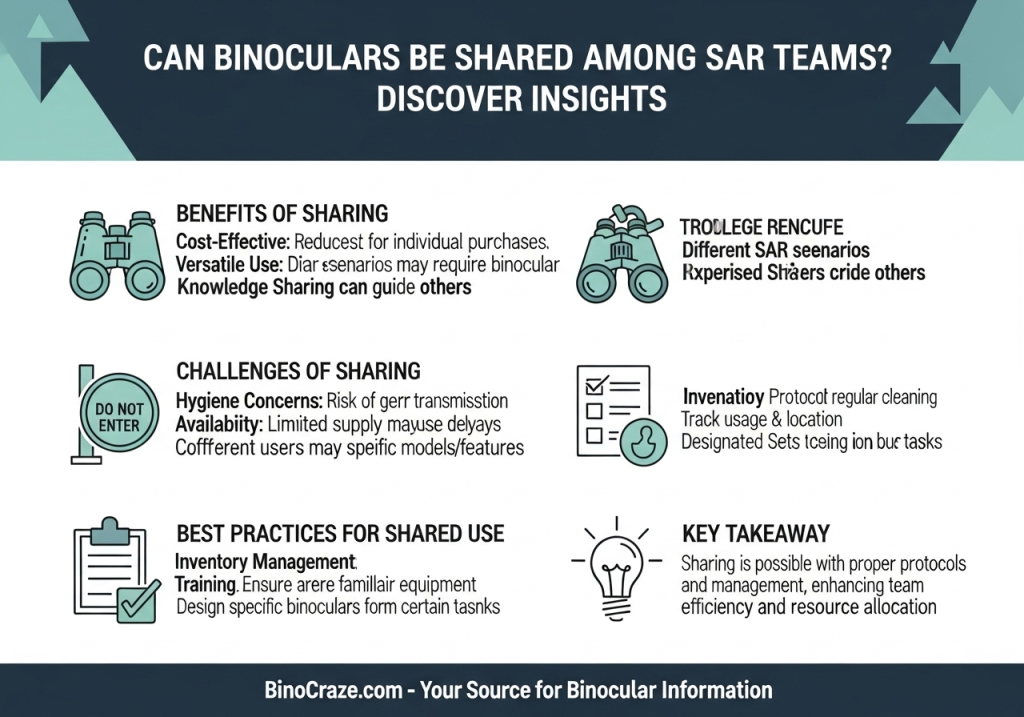
Challenges In Sharing Binoculars
Sharing binoculars among SAR teams can seem practical. Team members often need to use the same equipment during missions.
There are several challenges when multiple users share binoculars. These can affect the tool’s performance and team safety.
Hygiene And Maintenance
Binoculars touched by many people can carry germs and dirt. This can cause hygiene problems, especially in close field work.
Regular cleaning is needed to keep lenses clear and equipment safe. Failure to clean can reduce image quality and spread bacteria.
- Wipe lenses with a clean, soft cloth after use
- Use disinfectant wipes on body parts often touched
- Store binoculars in a dry, clean case
- Assign responsibility for maintenance tasks
Compatibility With Different Users
Different team members have different eye distances and focusing needs. One setting may not fit all users well.
Adjusting binoculars each time costs time and may cause errors. Improper use can lead to eye strain or missed details.
- Interpupillary distance changes between users
- Focus settings need readjustment for clarity
- Some users may need prescription lens inserts
- Training helps users adjust binoculars quickly
Potential For Equipment Damage
Sharing increases the risk of damage. Rough handling or accidental drops can happen more often.
Frequent adjustments may wear out moving parts. Damage can reduce binoculars’ lifespan and reliability in the field.
- More users mean more chances of dropping
- Repeated changes stress the focus and hinge mechanisms
- Incorrect storage can cause scratches or moisture damage
- Regular checks help find damage early
Best Practices For Sharing
Sharing binoculars among SAR teams can save resources and improve teamwork. Proper care and clear rules keep the equipment safe and effective.
Following good practices helps each team member use binoculars comfortably and keeps them clean for the next user.
Cleaning And Sanitization Protocols
Cleaning binoculars after each use stops germs and dirt from spreading. Use soft cloths and safe cleaning solutions to protect lenses.
Always clean the eyepieces, lenses, and body before handing binoculars to another team member.
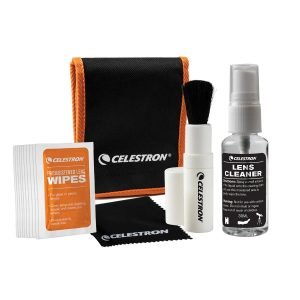
- Use lens cleaning wipes or a microfiber cloth
- Apply gentle cleaning fluid made for optics
- Disinfect handles and eye cups with alcohol wipes
- Let binoculars dry fully before storing
Personalized Adjustments
Each user may need different focus and eye distance settings. Adjust binoculars to fit each person’s vision before use.
Sharing works best when team members know how to quickly change settings for comfort and clear view.
- Adjust the interpupillary distance for each user
- Set the focus wheel for sharp images
- Check diopter settings for individual eye differences
- Teach team members how to make quick adjustments
Clear Usage Guidelines
Make rules for sharing binoculars to avoid damage and confusion. Clear instructions help teams use the gear properly.
Set limits on who can handle the binoculars and how to report any problems found during use.
- Assign responsibility for each set of binoculars
- Use check-in and check-out logs
- Inspect binoculars before and after use
- Report damage or malfunctions immediately
- Store binoculars in protective cases after use
Alternatives To Sharing
Sharing binoculars among search and rescue (SAR) teams can cause delays and damage. Teams need clear vision quickly. There are better ways to handle equipment.
This article shows three ways to avoid sharing binoculars. Each method helps teams work smoothly and safely.
Individual Equipment Allocation
Each team member gets their own pair of binoculars. This stops waiting and sharing problems. Personal equipment stays clean and ready.
Teams should keep a record of who has what. This helps track the gear and keep it safe.
Use Of Digital Sharing Tools
Digital tools let team members share images and video from binoculars. They do not need to pass the device itself. This saves time and keeps gear safe.
These tools include apps and wireless cameras. They allow real-time sharing without physical contact.
- Wireless video streaming
- Mobile phone apps for image sharing
- Remote-controlled camera attachments
Rental Or Leasing Options
Teams can rent or lease binoculars for short use. This avoids buying many devices. It also keeps equipment updated and in good shape.
Rental services often maintain and repair equipment. This reduces the team’s workload and cost.
- Short-term rentals for missions
- Leasing for longer projects
- Access to high-quality and new gear
Case Studies From Sar Operations
Search and Rescue (SAR) teams often work in tough environments. They rely on tools like binoculars to locate missing persons.
Sharing binoculars among SAR teams can save time and resources. Real cases show when this works well and when it causes problems.
Successful Sharing Examples
In one mountain rescue, two SAR groups shared binoculars to cover more ground fast. This helped them spot a lost hiker sooner.
Another case involved a coastal search where teams passed binoculars at checkpoints. This kept equipment available without delays.
- Sharing improved communication between teams
- Teams avoided buying extra binoculars
- Quick access helped find missing persons faster
Lessons From Equipment Mismanagement
Some SAR teams lost binoculars due to poor tracking. Missing gear slowed down the search and increased risks.
In one case, shared binoculars were damaged because teams did not clean or store them well. This caused delays in rescue efforts.
- Clear responsibility prevents equipment loss
- Proper care extends binocular lifespan
- Tracking tools help manage shared gear
Frequently Asked Questions
Can Binoculars Be Safely Shared Among Sar Team Members?
Yes, binoculars can be shared among SAR teams with proper hygiene and handling protocols. Cleaning lenses and straps before use prevents contamination and maintains functionality.
How Does Sharing Binoculars Affect Sar Mission Efficiency?
Sharing binoculars can enhance team collaboration by ensuring all members have access to vital observation tools. However, it may slow operations if sharing is frequent and disorganized.
What Hygiene Practices Are Recommended When Sharing Binoculars?
Teams should regularly disinfect binocular lenses and handles. Using lens cleaning wipes and avoiding direct skin contact reduce the risk of spreading germs during SAR operations.
Does Sharing Binoculars Impact Their Durability In Sar Tasks?
Proper sharing and handling do not typically reduce binocular durability. However, rough or careless sharing can cause scratches or misalignment, affecting performance in critical SAR missions.
Conclusion
Sharing binoculars among SAR teams can work with clear rules. Each team must clean and check the equipment before use. Proper handling keeps binoculars safe and reliable in tough conditions. Sharing saves money but may slow down urgent tasks. Teams should balance sharing with having enough gear for quick action.
Trust and communication between teams make sharing easier and safer. Good planning ensures binoculars help, not hinder, search and rescue efforts.