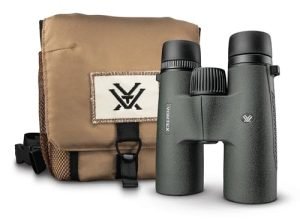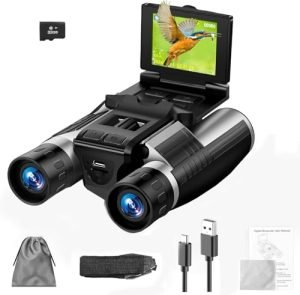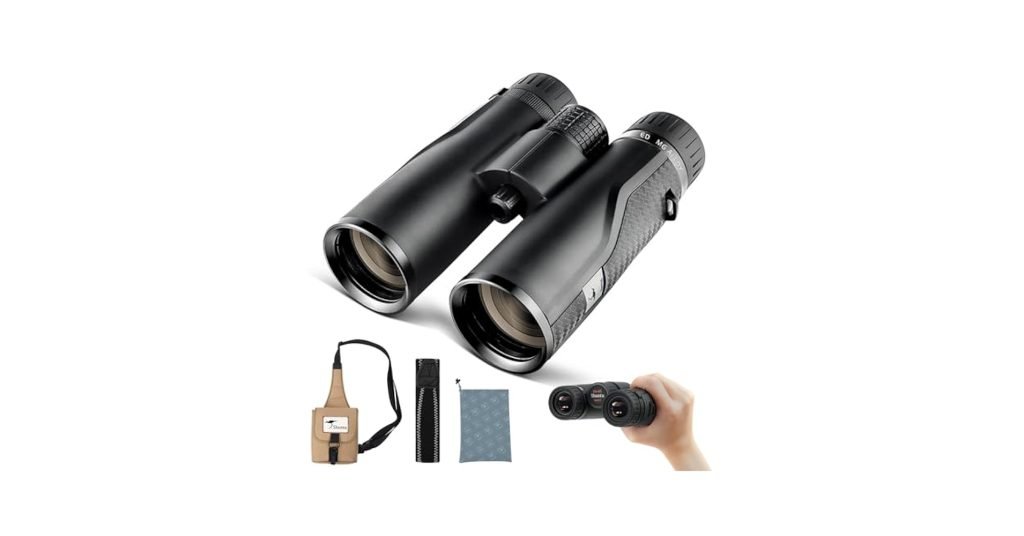
Are you wondering if ED binoculars can handle the challenges of tropical climates? You want clear, sharp views without worrying about fog, rain, or humidity ruining your experience.
Choosing the right binoculars for tropical weather can make all the difference in your outdoor adventures. You’ll discover how ED binoculars perform under hot, wet conditions and whether they are the best choice for your needs. Keep reading to find out what makes ED binoculars stand out—and if they are the right fit for your next trip to the tropics.

Credit: www.amazon.ca
Features Of Ed Binoculars
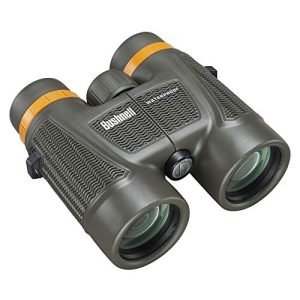
ED binoculars use special glass to improve image quality. They are popular for outdoor use.
These binoculars work well in many climates, including tropical areas with high heat and humidity.
What Is Extra-low Dispersion Glass
Extra-low dispersion (ED) glass reduces color blur in images. It controls light better than regular glass.
- ED glass limits chromatic aberration.
- It delivers sharper and clearer views.
- ED glass keeps colors natural and accurate.
- This type of glass is harder to find and more expensive.
Benefits Of Ed Glass In Optics
| Benefit | How it Helps in Tropical Climates |
| Improved Clarity | Clear images despite heat haze and humidity |
| Better Color Accuracy | True colors even with strong sunlight |
| Reduced Eye Strain | Comfortable viewing for long periods |
| Durability | Resists fogging and moisture inside the lenses |

Credit: www.amazon.com
Challenges In Tropical Climates
Tropical climates have unique conditions that can affect binoculars. High heat, humidity, and dust create problems. These factors impact the performance and durability of ED binoculars.
Understanding these challenges helps users choose and care for binoculars better. It also shows how ED binoculars handle tough tropical weather.
High Humidity Effects
High humidity in tropical areas causes moisture to build inside binoculars. This can fog up the lenses and damage internal parts. Moisture can also lead to mold and fungus growth on optics.
Many ED binoculars have waterproof seals to stop moisture from entering. Still, constant humidity puts extra stress on these seals over time.
- Fogging reduces clear vision
- Mold can harm lens coatings
- Seals may wear out faster
Heat And Temperature Fluctuations
Tropical climates often have high temperatures and sudden temperature changes. Heat can expand parts inside binoculars, affecting focus and alignment. Quick changes cause condensation inside the lenses.
ED binoculars use materials that resist heat damage. However, very hot days can still reduce comfort and performance. Protecting binoculars from direct sun helps maintain their quality.
- Heat may warp internal parts
- Temperature swings cause lens fog
- Protect binoculars from sun exposure
Dust And Moisture Impact
Dust is common in tropical areas, especially near beaches or forests. Dust particles can scratch lenses and get into moving parts. Moisture mixed with dust can create grime that is hard to clean.
ED binoculars often have protective coatings and rugged designs to fight dust and moisture. Regular cleaning is important to keep binoculars working well in dusty conditions.
- Dust can scratch lens surfaces
- Moisture and dust cause grime
- Clean binoculars regularly
Performance Of Ed Binoculars In Tropics
ED binoculars are popular for sharp images and bright views. The tropical climate tests their limits with heat and moisture.
Understanding how these binoculars perform in such conditions helps users choose the right gear for nature watching or travel.
Fog Resistance And Coatings
ED binoculars often have coatings that reduce fogging. This is important in humid and hot tropical weather.
- Anti-fog coatings prevent moisture buildup inside lenses.
- Water-repellent coatings help keep the outer lenses clear.
- Nitrogen or argon gas filling stops internal fogging.
- These features maintain clear vision during quick temperature changes.
Durability And Build Quality
Strong materials protect ED binoculars from tropical wear and tear. Good build quality matters for long use.
| Feature | Benefit in Tropics |
| Rubber armoring | Shock absorption and grip in wet conditions |
| Sealed body | Prevents dust and moisture inside |
| Lightweight frame | Comfort during long outdoor use |
| Corrosion-resistant materials | Lasts longer in humid air |
Image Clarity In Humid Conditions
High-quality ED glass reduces color distortion. This helps maintain sharp images in tropical humidity.
The clarity depends on:
- Extra-low dispersion elements that limit color fringing
- Multi-layer lens coatings that enhance light transmission
- Proper sealing to avoid lens fogging and dirt
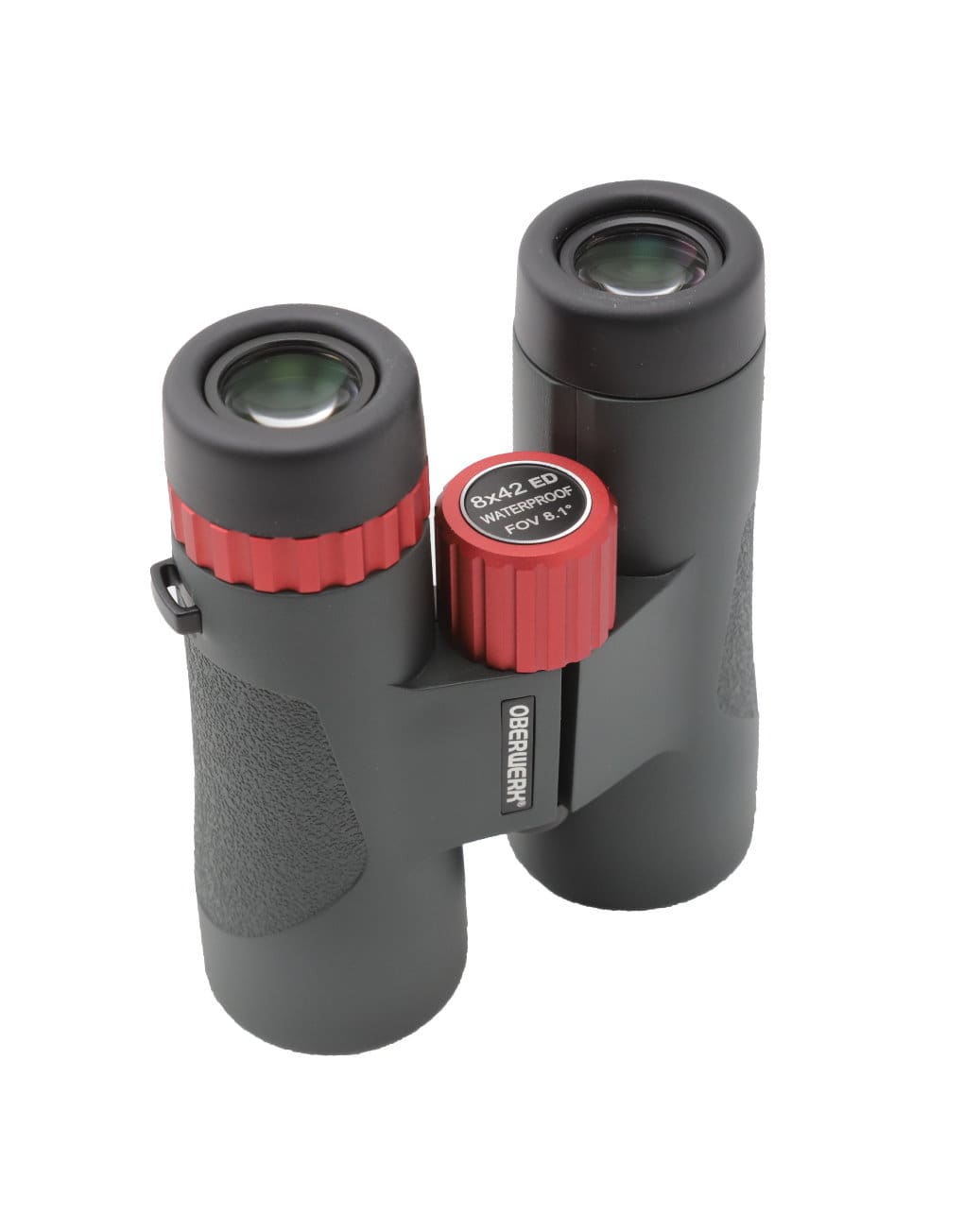
Credit: oberwerk.com
Maintenance Tips For Tropical Use
Using Ed binoculars in tropical climates requires special care. The heat and humidity can affect their performance. Proper maintenance helps keep them clear and functional.
This guide covers cleaning, storage, mold prevention, and regular checks. Follow these tips to protect your binoculars from tropical conditions.
Cleaning And Storage
Clean your binoculars carefully to avoid damage. Use a soft cloth to wipe lenses and a brush to remove dust. Store them in a dry case to protect from dirt and moisture.
- Use a microfiber cloth for lens cleaning
- Avoid using harsh chemicals or water directly
- Keep binoculars in a sealed, dry case after use
- Store in a cool, shaded place away from sunlight
Preventing Mold And Fungus
Mold and fungus grow quickly in humid tropical areas. Regularly dry your binoculars and keep moisture away. Use silica gel packets in the case to absorb water.
| Action | Why It Helps |
|---|---|
| Wipe lenses dry after use | Removes moisture that causes mold |
| Keep silica gel packets in the case | Absorbs humidity inside storage |
| Open case to air out periodically | Prevents dampness build-up |
Regular Checks And Care
Check your binoculars often for signs of damage or moisture. Tighten loose parts and clean lenses regularly. Early care stops bigger problems later.
- Inspect for cracks or scratches on lenses
- Check for loose screws or moving parts
- Clean lenses after every use
- Keep the focus mechanism smooth and clean
- Store properly to avoid physical damage
Best Ed Binoculars For Tropical Environments
ED binoculars use extra-low dispersion glass to give clear images. These binoculars are popular for nature watching.
Tropical climates have heat, humidity, and rain. You need binoculars that work well in these conditions.
Top Brands To Consider
Some brands make binoculars that handle tropical weather well. They focus on durability and clear vision.
- Nikon: Known for sharp images and waterproof models.
- Zeiss: Offers rugged binoculars with good fog resistance.
- Swarovski: High-quality optics with strong weather sealing.
- Vortex: Affordable options with solid build quality.
Features To Look For
Choose binoculars with features that protect them in hot and wet places. These features help keep the view clear.
- Waterproof and fog-proof design to prevent moisture damage
- Rubber coating for a secure grip in wet conditions
- Good eye relief for comfort during long use
- Lightweight and compact for easy carrying
- ED glass for sharp, bright images
Price Vs Performance
More expensive binoculars often have better weather resistance and optics. But good options exist at all price points.
- Budget models: Basic weather sealing, decent optics
- Mid-range: Better coatings, stronger build, clearer images
- High-end: Top glass quality, full weather proofing, long warranties
Frequently Asked Questions
Are Ed Binoculars Suitable For Humid Tropical Climates?
Yes, ED binoculars with waterproof and fog-proof features perform well in humid tropical climates. Their lens coatings resist moisture, ensuring clear vision and durability.
Do Ed Binoculars Resist Mold In Tropical Environments?
Many ED binoculars have sealed bodies and nitrogen purging, which prevent mold growth and internal fogging in tropical environments.
How Do Ed Binoculars Handle Tropical Heat And Rain?
ED binoculars designed for outdoor use often have robust, weatherproof construction. This protects them from heat damage and heavy tropical rains.
Can Ed Binoculars Maintain Image Clarity In Tropical Rainforests?
Yes, ED glass reduces chromatic aberration, providing sharp, vibrant images even in dense, humid rainforest conditions common in tropical areas.
Conclusion
ED binoculars handle heat and moisture well in tropical areas. Their special glass reduces glare and keeps images clear. Many models resist fog and water, which helps in humid weather. They stay durable despite rain or sweat. This makes them a good choice for nature lovers in warm climates.
Choose a pair with good sealing and coatings for best results. Overall, ED binoculars offer clear views and last long in tropical environments. Perfect for bird watching, hiking, or travel. Quality optics matter most in tough weather.