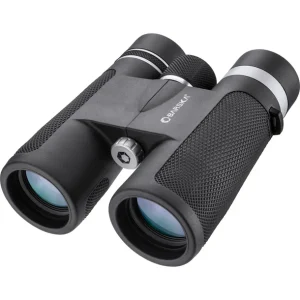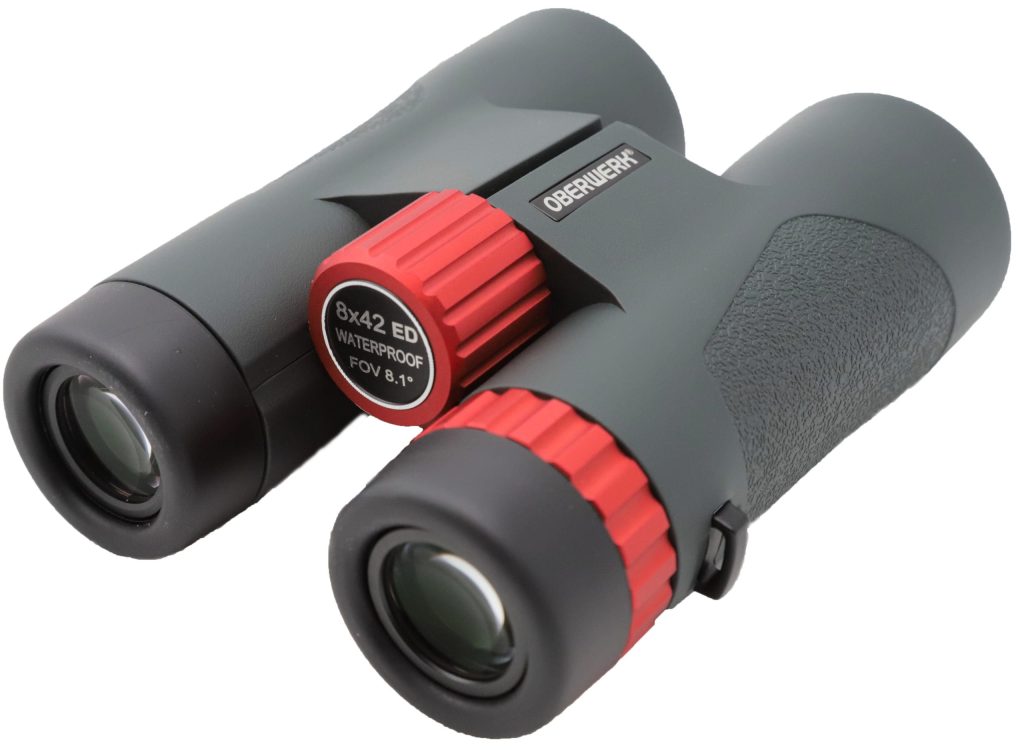
Are you tired of struggling to see distant views clearly on bright, sunny days? You might be wondering if ED binoculars are the answer to your problem.
These binoculars promise sharper images and better color, but do they really perform well under intense sunlight? If you want to enjoy crisp, vibrant sights without squinting or glare, keep reading. This article will reveal the truth about ED binoculars in bright sunlight and help you decide if they’re the right choice for your outdoor adventures.

Credit: www.amazon.com
What Are Ed Binoculars?
ED binoculars have special lenses made with extra-low dispersion glass. This glass reduces color blur and improves image sharpness.
These binoculars provide clearer views with better color accuracy than regular binoculars. They are popular for bird watching and nature spotting.
Extra-low Dispersion Glass Explained
Extra-low dispersion glass reduces the way light spreads inside the binocular lenses. This helps avoid color fringing around objects.
The result is sharper images with true-to-life colors. This glass is more expensive but improves viewing quality a lot.
Benefits Of Ed Binoculars
ED binoculars deliver clear, bright images with less color distortion. They work well in many light conditions, including bright sunlight.
- Sharper image details
- Better color accuracy
- Reduced eye strain
- Improved contrast
Are Ed Binoculars Good In Bright Sunlight?
ED binoculars handle bright sunlight well. Their lenses reduce glare and maintain clear images even in strong light.
They show true colors and sharp details without washing out. This makes them ideal for outdoor activities on sunny days.
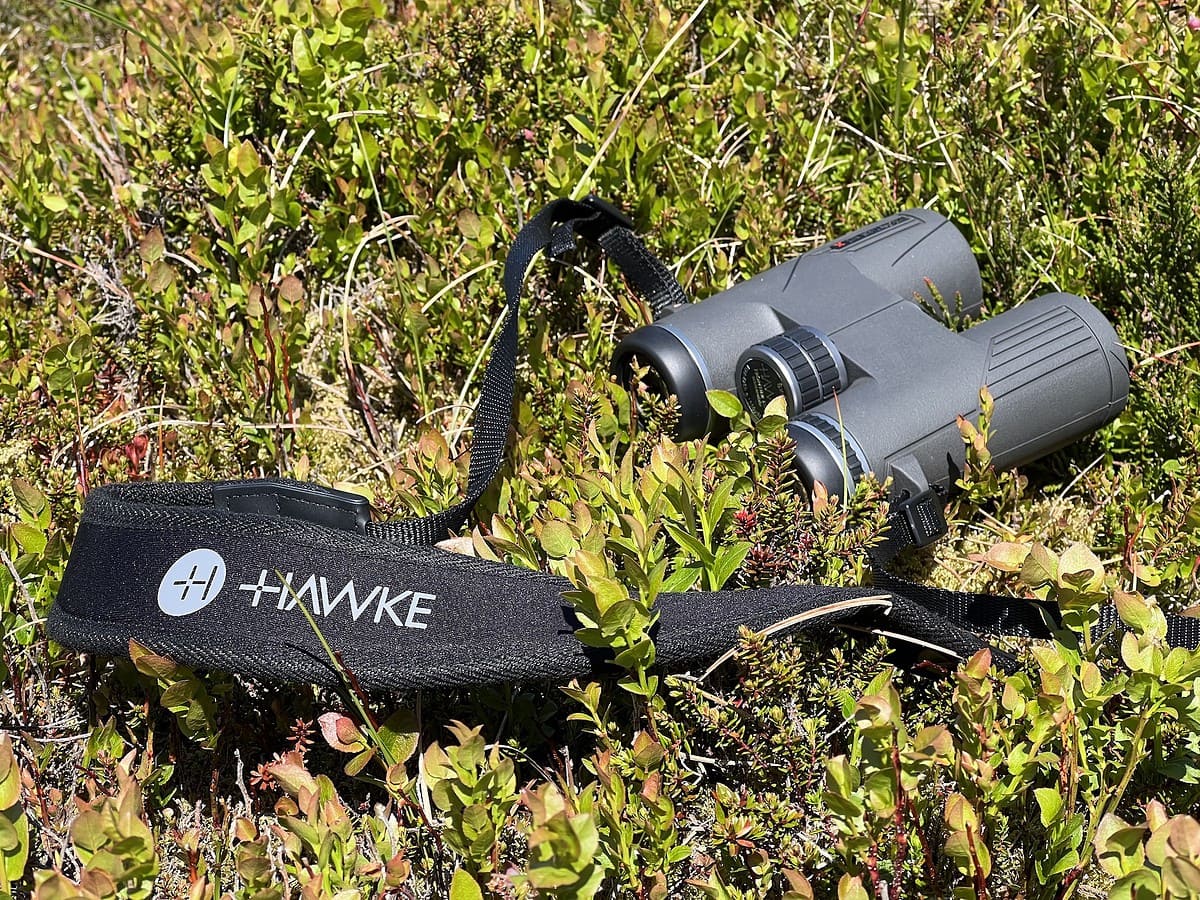
Credit: www.beyondtheedge.co.uk
Advantages In Bright Sunlight
ED binoculars are designed to improve viewing quality. They work well in bright sunlight, making outdoor activities clearer and more enjoyable.
These binoculars reduce visual problems common in strong light. They help you see distant objects with less strain and better detail.
Improved Image Clarity
ED binoculars use special glass to sharpen images. This glass reduces blurriness and increases the sharpness of objects seen under bright light.
- Sharper edges on distant objects
- Clearer details in bright conditions
- Less eye strain during long use
Reduced Chromatic Aberration
Chromatic aberration causes color fringes around objects. ED binoculars lower this effect, especially in strong sunlight.
| Without ED Glass | With ED Glass |
| Visible color fringes around edges | Minimal to no color fringes |
| Blurry image details | Clear and sharp details |
| Eye discomfort after long use | Comfortable viewing experience |
Enhanced Color Accuracy
ED binoculars deliver colors close to real life. This is useful in bright sunlight, where colors can look washed out.
Advantages of enhanced color accuracy include:
- True-to-life colors of landscapes and wildlife
- Better contrast between objects
- More enjoyable and natural viewing experience
Limitations To Consider
Using binoculars in bright sunlight can be challenging. Certain problems may reduce how well you see distant objects. It is important to know these issues before using them outdoors.
This section covers common problems like glare and eye strain. Knowing these limits helps you decide if binoculars are right for sunny conditions.
Glare And Reflection Issues
Bright sunlight often causes glare and reflections on binocular lenses. This can blur the image and make it harder to see details clearly.
- Sunlight hitting the lenses directly creates bright spots.
- Reflections from nearby surfaces add distracting light.
- Glare reduces contrast and sharpness of the viewed object.
- Lens coatings can reduce glare but do not remove it completely.
Eye Strain In Intense Light
Using binoculars in strong sunlight can cause your eyes to tire quickly. The brightness forces your eyes to work harder to focus and adjust.
| Cause | Effect on Eyes |
| Bright light intensity | Increases eye fatigue |
| Prolonged focusing | Leads to discomfort and headaches |
| Glare from lenses | Strains eye muscles |
| Insufficient lens shading | Causes squinting and dry eyes |
Comparing Ed Binoculars With Standard Models
ED binoculars use extra-low dispersion glass. This glass helps reduce color blur and improve image clarity. Standard binoculars use regular glass, which can cause slight color blurring.
In bright sunlight, these differences become clearer. ED binoculars tend to show sharper and clearer images. Standard models might show more glare and less sharpness.
Performance Differences
ED binoculars reduce chromatic aberration well. This means colors look natural and edges stay sharp. Standard binoculars may show purple or green fringing around objects.
In bright sunlight, ED binoculars handle light better. They reduce glare and improve contrast. Standard models may wash out images or lose some detail.
- ED binoculars give clearer images with less color blur
- Standard binoculars may show color fringing on bright edges
- ED models reduce glare and improve contrast in sunlight
- Standard models might have washed-out images in bright light
Price Versus Benefit
ED binoculars cost more than standard models. The price reflects the special glass and better image quality. For casual use, standard binoculars may be enough.
If you need sharp images in bright light often, ED binoculars are worth the cost. For occasional use, the price difference may not be justified.
- ED binoculars are more expensive due to advanced glass
- Standard binoculars are affordable and work well for casual use
- Choose ED if you want better color and sharpness in bright light
- Choose standard to save money if image quality is less critical
Tips For Using Binoculars In Sunlight
Using binoculars in bright sunlight can be tricky. The glare and reflections may reduce the image quality. It helps to know how to improve your viewing experience in these conditions.
This guide covers two important tips: choosing the right coatings and using lens hoods and filters.
Choosing The Right Coatings
Lens coatings reduce glare and increase light transmission. They help you see clearer images even in strong sunlight. Look for binoculars with fully multi-coated lenses for the best results.
- Anti-reflective coatings lower glare on lenses
- Multi-coated lenses improve brightness and contrast
- Phase-correction coatings enhance image sharpness
- Water-repellent coatings help in wet conditions
Using Lens Hoods And Filters
Lens hoods block stray sunlight that causes reflections. Filters can reduce brightness and protect your eyes. Both accessories improve comfort and image clarity.
| Accessory | Purpose | Benefit |
| Lens Hood | Blocks side light | Reduces glare and reflections |
| Neutral Density Filter | Reduces overall brightness | Prevents eye strain in bright light |
| Polarizing Filter | Reduces reflected light | Improves contrast and color |
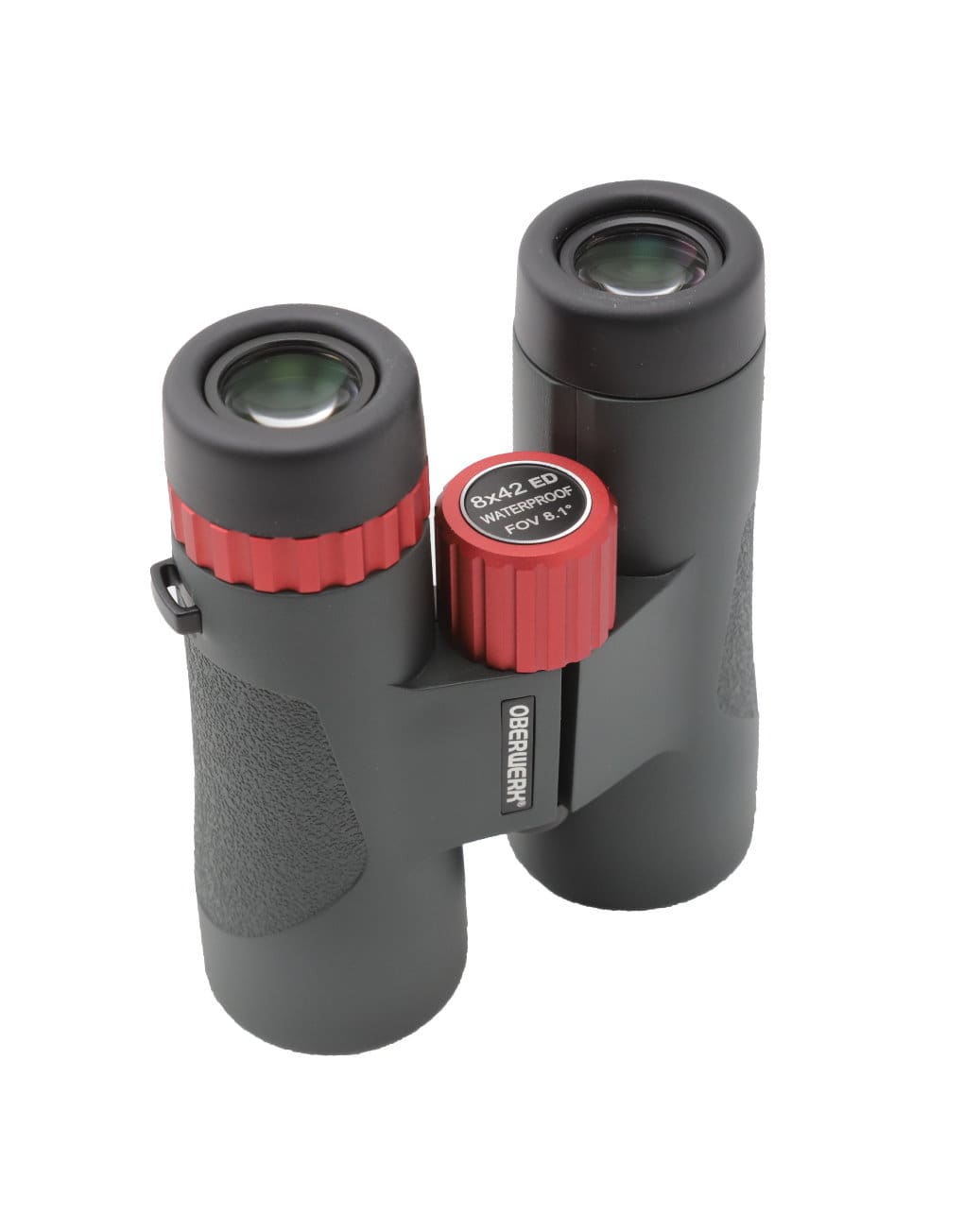
Credit: oberwerk.com
Best Ed Binoculars For Sunny Conditions
ED binoculars use special glass to reduce color blur and improve clarity. This helps in bright sunlight by giving sharper images.
Choosing the right ED binoculars for sunny days means looking for bright lenses and good coatings. These features help you see clearly without glare.
High-quality Lens Coatings
Good ED binoculars have coatings that reduce reflections. This helps in bright sunlight by letting more light pass through.
These coatings improve contrast and image brightness. You get clear views even when the sun is strong.
Wide Objective Lenses
Binoculars with large objective lenses gather more light. This is helpful in sunny conditions to keep images bright.
- Typically 42mm or larger lenses work well
- More light means clearer and brighter views
- Good for spotting details in bright daylight
Waterproof And Fogproof Designs
ED binoculars with waterproof features protect lenses from rain or sweat. This keeps your view clear during outdoor use.
Fogproof seals stop internal fogging. This is important on hot sunny days when temperatures change quickly.
Compact And Lightweight Models
Some ED binoculars are small and easy to carry. This is great for sunny hikes or outdoor events.
Lightweight models reduce hand strain and help you hold steady for better views in bright light.
Frequently Asked Questions
Are Ed Binoculars Better For Bright Sunlight?
Yes, ED binoculars reduce chromatic aberration and enhance clarity. They provide sharper images and better color accuracy in bright sunlight conditions.
Do Ed Lenses Improve Glare Reduction?
ED lenses help minimize glare by reducing light scattering. This results in clearer, more comfortable viewing during bright and sunny days.
Can Ed Binoculars Handle Intense Sunlight?
ED binoculars are designed to perform well under intense sunlight. Their special glass coatings improve light transmission and protect your eyes from harsh light.
Are Ed Binoculars Suitable For Outdoor Activities?
Yes, ED binoculars are ideal for outdoor use. They deliver crisp, bright images, making them perfect for birdwatching, hiking, and sports in bright light.
Conclusion
ED binoculars work well in bright sunlight. They reduce glare and improve image clarity. You see colors more naturally and details stand out. Some models handle light better than others. Choosing quality ED lenses makes a big difference. They help your eyes feel less tired too.
Bright days won’t stop your outdoor adventures. ED binoculars remain a solid choice for sunny conditions. Clear views and less eye strain. That’s what you get with good ED optics.