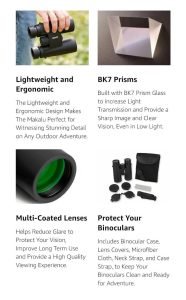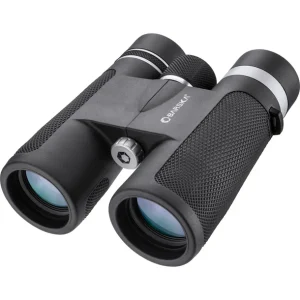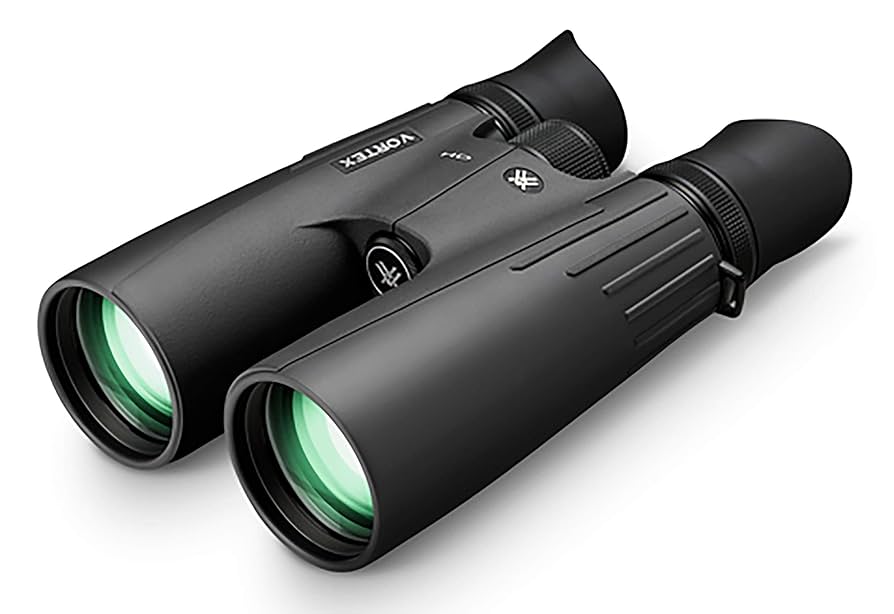
Have you ever found your tactical binoculars not working just when you needed them most? It’s frustrating, right?
You might be wondering if these precise tools can be fixed or if you’ll have to buy new ones. Before you make any decisions, it’s important to know what can go wrong and how repairs might save your gear—and your money.
Keep reading to discover the truth about repairing tactical binoculars and what you can do to get them back in action.
Common Issues With Tactical Binoculars
Tactical binoculars face many problems after frequent use. These issues can affect how well they work.
Knowing common problems helps you decide if repairs are possible. Some fixes are simple, others need expert help.
Lens Damage
Scratches or cracks on lenses reduce image quality. Dirt and dust can also build up on the lens surface.
Damaged lenses may blur or distort the view. Small scratches might be polished out, but cracks often need lens replacement.
- Scratches from rough handling
- Cracks from drops or impacts
- Dirt and smudges on lenses
- Water spots after rain exposure
Focus Mechanism Problems
The focus wheel or knob can become stiff or loose. Dirt and dust can get inside the mechanism and block smooth movement.
Sometimes the focus parts wear out or break. This makes it hard to get a clear image. Repair may include cleaning or replacing parts.
- Stiff or stuck focus wheel
- Loose or wobbly focus knob
- Dirt inside the focus mechanism
- Broken or worn focus gears
Alignment And Calibration
Binoculars need proper alignment for clear 3D vision. Misalignment causes double images or eye strain.
Calibration may shift if the binoculars get dropped or bumped. Fixing this usually requires professional adjustment tools.
- Double or blurry images
- Eye strain after use
- Misaligned lenses or prisms
- Shifted calibration from impact
Water And Fog Ingress
Water can enter binoculars if seals fail. Fog inside lenses reduces visibility and can cause damage over time.
Many tactical binoculars are water-resistant but not fully waterproof. Repair may involve replacing seals and drying internal parts.
- Water leaks from broken seals
- Fog inside lenses from moisture
- Corrosion on internal parts
- Reduced image clarity due to fog

Credit: www.amazon.ca
Tools Needed For Repairs
Tactical binoculars are sturdy but can break or get dirty. Repairing them needs the right tools. Using the correct tools helps fix problems safely.
This guide shows the tools you need for basic repairs. It covers kits, special equipment, and cleaning supplies.
Basic Repair Kit
A basic repair kit helps fix small issues on tactical binoculars. It includes simple tools for opening and adjusting parts.
- Small screwdrivers (flathead and Phillips)
- Tweezers for handling tiny parts
- Mini flashlight to see inside the binoculars
- Magnifying glass for close inspection
- Precision knife for cutting or scraping
These tools help you open the binoculars carefully. You can tighten screws or remove small broken parts.
Specialized Equipment
Some repairs need special tools. These help fix complex problems and keep the binoculars working well.
- Lens spanner wrench to remove lens rings
- Calibrated torque screwdriver for exact screw pressure
- Optical alignment tools for lens adjustment
- Rubber gloves to avoid fingerprints
- Sealant applicator for waterproof sealing
Special equipment helps keep the binoculars precise. It also protects delicate parts during repair.
Cleaning Supplies
Cleaning is key to good repair. Dirt and dust can block the view or damage lenses.
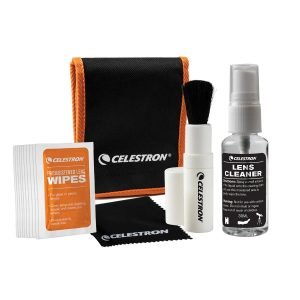
- Lens cleaning cloths (microfiber)
- Lens cleaning solution safe for coatings
- Air blower to remove dust
- Cotton swabs for tight spots
- Isopropyl alcohol for stubborn dirt
Use these supplies gently. Clean lenses and parts before and after repair work.
Step-by-step Repair Procedures
Tactical binoculars are built to last but may need repairs over time. Fixing them yourself can save money and extend use.
This guide explains how to repair common binocular problems in simple steps.
Fixing Scratched Lenses
Scratched lenses affect the clarity of your view. Small scratches can sometimes be polished out at home.
Use a lens cleaning kit and a soft cloth. Apply a tiny amount of lens polish to the cloth. Rub the scratched area gently in circular motions.
- Clean the lens with a soft brush first
- Use lens polish made for optics only
- Rub gently to avoid deeper damage
- Repeat if needed, but do not overdo it
Adjusting Focus And Eyepieces
If your binoculars do not focus properly, adjusting the focus wheel and eyepieces can help. This improves sharpness and comfort.
Turn the focus wheel slowly to find the clearest image. For eyepieces, twist them gently to match your eyesight.
- Look through binoculars at a distant object
- Rotate the focus wheel until the image is sharp
- Adjust the right eyepiece for individual eye focus
- Set the left eyepiece if it has a diopter ring
Realigning Optics
Realigning optics fixes blurry or double images. This repair can be tricky and may need careful work inside the binoculars.
Open the binoculars carefully and check the prisms. Use a small screwdriver to adjust the prism position until images merge properly.
- Use a clean, flat workspace
- Remove screws slowly and keep them safe
- Move prisms slightly and test the view often
- Reassemble once alignment is correct
Sealing Leaks And Preventing Fog
Leaks let moisture inside binoculars, causing fog and damage. Sealing these leaks keeps your binoculars clear and safe.
Check rubber seals and joints for cracks. Replace old seals or add waterproof grease to keep water out.
- Inspect all seals and eyecups
- Use silicone grease on rubber parts
- Replace damaged seals with new ones
- Store binoculars dry and in a sealed case
When To Seek Professional Help
Tactical binoculars are built tough, but accidents happen. Knowing when to get professional repairs saves time and money.
Some problems need expert tools and skills. This guide helps you spot those issues and find the right help.
Complex Internal Damage
Internal parts like lenses and prisms can get misaligned or cracked. These issues affect image clarity and focus.
Simple fixes like cleaning or tightening screws are easy. But complex internal damage needs a pro’s precision tools.
Warranty Considerations
Before fixing your binoculars yourself, check the warranty terms. DIY repairs can void the warranty.
- Read the warranty booklet carefully.
- Contact the manufacturer’s support if unsure.
- Use authorized repair centers to keep warranty valid.
Finding A Reliable Repair Service
Picking the right repair service ensures quality work and protects your binoculars.
| Factor | Why It Matters |
|---|---|
| Experience | Experts handle delicate parts carefully. |
| Reviews | Good feedback shows trustworthy service. |
| Turnaround Time | Fast repairs get your gear back quickly. |
| Cost | Fair pricing avoids surprises. |
Preventive Maintenance Tips
Tactical binoculars are tough tools used in many conditions. Regular care helps keep them working well.
Taking simple steps can prevent damage and extend the life of your binoculars.
Proper Storage
Store binoculars in a dry, cool place to avoid moisture and heat damage. Use a protective case to keep dust and dirt away.
Avoid leaving binoculars in direct sunlight or damp areas to protect lenses and coatings.
- Keep them in a padded case
- Store in a dry, cool spot
- Avoid exposure to sunlight and moisture
- Remove batteries if not used for a long time
Routine Cleaning
Clean lenses gently with a soft cloth to prevent scratches. Use lens cleaning solution made for optics.
Remove dust and dirt from the body with a dry brush or cloth. Avoid using harsh chemicals or water.
- Use a microfiber cloth for lenses
- Apply lens cleaner carefully
- Brush off dust from the body
- Do not use household cleaners
Handling Best Practices
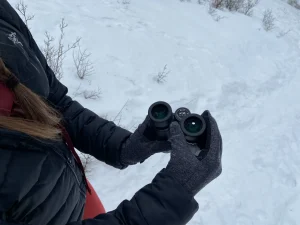
Hold binoculars firmly with both hands. Avoid dropping or knocking them against hard surfaces.
Use a neck strap to prevent accidental falls. Do not force the focus wheel or eyecups.
- Hold with both hands securely
- Use a neck strap or harness
- Do not force moving parts
- Avoid impacts and drops

Credit: www.cafr.ebay.ca

Credit: www.amazon.ca
Frequently Asked Questions
Can Tactical Binoculars Be Easily Repaired?
Yes, tactical binoculars can be repaired depending on the issue. Common repairs include lens cleaning, realignment, and part replacement. It’s best to consult a professional for serious issues. Regular maintenance can prevent many problems and prolong their lifespan. Always handle them carefully to avoid damage.
What Are Common Binocular Repair Issues?
Common repair issues include misaligned lenses, broken focus mechanisms, and damaged coatings. Scratches on lenses can also be problematic. These issues can affect the performance and clarity of the binoculars. Regular cleaning and careful handling can help prevent these common problems.
How Much Do Binocular Repairs Cost?
The cost of binocular repairs varies based on the issue and model. Simple repairs, like lens cleaning, are usually affordable. However, complex repairs, like internal realignment, can be more expensive. It’s advisable to get a quote from a professional repair service before proceeding.
Can I Fix Binoculars Myself?
Some minor repairs, like cleaning lenses, can be done yourself. However, fixing complex issues requires professional expertise. Attempting major repairs on your own can lead to further damage. It’s best to consult a professional for serious problems to ensure proper repair and maintenance.
Conclusion
Tactical binoculars can often be fixed to work like new. Small problems like loose parts or dirty lenses are common. Some repairs you can do yourself with care. Other issues need a professional’s help for best results. Regular cleaning and careful use help keep them in good shape.
Remember, quick action stops small problems from growing. Your binoculars can last longer with proper care and repairs. So, don’t ignore issues when they appear. Taking care pays off in better views and longer use.