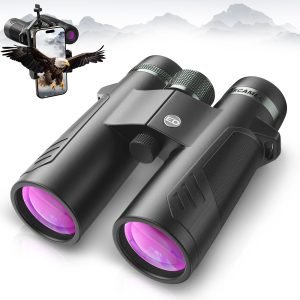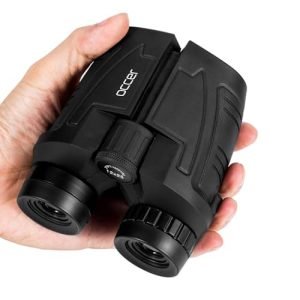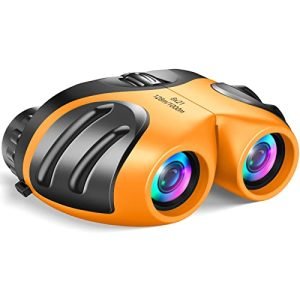
Have you ever wondered if using surveillance binoculars is allowed everywhere you go? Whether you’re thinking about them for personal security, bird watching, or another reason, it’s important to know the rules before you buy or use them.
Laws can be tricky and vary from place to place. If you don’t get it right, you could face serious trouble. Keep reading, and you’ll discover exactly where surveillance binoculars are legal—and where they’re not. This knowledge will help you stay safe and avoid unexpected problems.
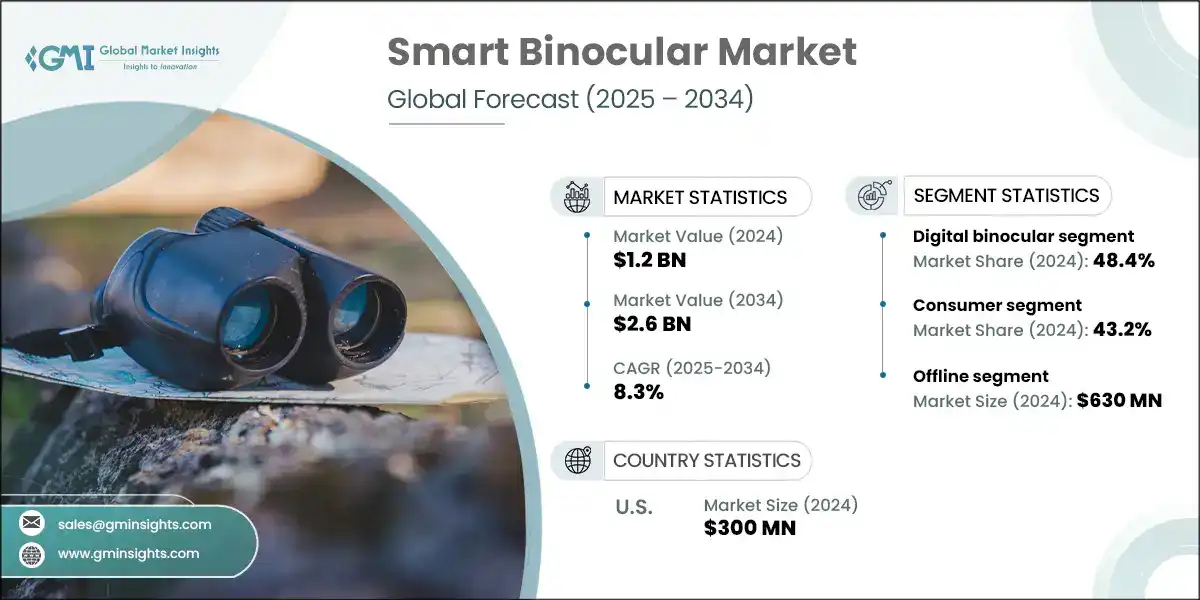
Credit: www.gminsights.com
Laws Governing Surveillance Binoculars
Surveillance binoculars let people see far-away objects clearly. Their use depends on many laws worldwide. These laws protect privacy and safety.
Understanding these rules helps users avoid legal trouble. The laws vary from one country to another and across regions.
International Regulations
Some global agreements affect how surveillance tools are used. These rules focus on privacy rights and data protection. Many countries follow international standards to guide their laws.
- Surveillance must respect human rights and privacy.
- Use of binoculars for spying can violate international laws.
- Data collected with surveillance devices must be secured.
- Cross-border sharing of surveillance data often requires consent.
- International bodies encourage transparency in surveillance.
Country-specific Rules
Each country has its own laws about surveillance binoculars. Some allow personal use with limits. Others ban them for spying or stalking.
| Country | Legal Status | Key Restrictions |
| United States | Legal with limits | No illegal spying or harassment |
| United Kingdom | Legal but regulated | Follow data protection laws |
| Germany | Strictly regulated | Surveillance needs consent |
| Japan | Allowed with caution | Ban on invasion of privacy |
| India | Restricted use | Surveillance without permission is illegal |

Credit: www.amazon.com
Privacy Concerns And Legal Boundaries
Surveillance binoculars let people see far away things clearly. They can raise privacy worries for others.
Different places have different laws about using these binoculars. Knowing the rules is very important.
Public Vs Private Spaces
Using surveillance binoculars in public spaces is usually allowed. People in public have less privacy expectation.
Private spaces like homes or yards have more protection. Watching someone in private may break privacy laws.
- Public spaces: streets, parks, beaches
- Private spaces: homes, private offices, fenced yards
- Watching private spaces without permission can be illegal
Consent Requirements
Consent means getting permission before watching or recording someone. This is key in private areas.
In some places, using binoculars to watch people without their consent may lead to fines or jail.
- Always ask for permission in private settings
- Consent is not usually needed in public places
- Some laws require clear consent for recording sounds or images
Permits And Licensing
Surveillance binoculars can raise legal concerns in many places. It is important to know if you need permits or licenses before using them. Laws differ depending on the location and purpose.
Understanding the rules helps avoid trouble with authorities. This guide explains when permits are needed and how to obtain licenses for surveillance binoculars.
When Permits Are Needed
Many areas require permits to use surveillance binoculars for specific activities. This is often true if you use them for security, research, or commercial purposes. Some common situations include:
- Using binoculars for private investigation
- Employing them in wildlife monitoring projects
- Operating in protected or restricted zones
- Conducting surveillance for law enforcement
Local laws may also restrict usage near airports or government buildings. Always check your area’s rules before using surveillance binoculars.
How To Obtain Licenses
Getting a license usually involves applying to a government agency. Requirements can vary based on your location and intended use. The process often includes:
- Filling out an application form
- Providing identification and proof of purpose
- Paying a fee for processing
- Waiting for approval or an inspection
| Step | Details |
|---|---|
| Application | Submit form with personal and usage info |
| Verification | Authorities check your background and intent |
| Fee | Pay required licensing fees |
| Approval | Receive license or permit document |
Consequences Of Illegal Use
Using surveillance binoculars without permission can lead to serious trouble. Laws about these devices vary by place.
Breaking these laws may cause fines, legal cases, or even jail time. It is important to know the rules before using them.
Penalties And Fines
People caught using surveillance binoculars illegally often face penalties. These can include heavy fines and other punishments.
Fines depend on the location and the severity of the offense. Repeat offenders may receive higher fines or harsher penalties.
- Monetary fines ranging from small to large amounts
- Confiscation of equipment
- Possible jail time for severe violations
- Community service in some cases
Legal Cases And Precedents
Court cases show how laws about surveillance binoculars are enforced. Some rulings set clear examples for future cases.
These cases often focus on privacy rights and trespassing laws. Courts balance safety with personal freedoms.
- Cases where users spied on private property were punished
- Some rulings protect public safety over surveillance use
- Precedents show courts take illegal use seriously
- Legal outcomes vary by country and state laws
Choosing Legal Surveillance Binoculars
Surveillance binoculars can help you see distant objects clearly. But not all binoculars are legal for surveillance use everywhere. Knowing the rules can keep you safe from legal trouble.
This guide covers key features that affect legality and trusted brands you can consider.
Features Affecting Legality
Some binocular features may make them illegal in certain places. These include night vision, recording ability, and zoom power.
- Night Vision:Some countries restrict or ban night vision binoculars.
- Recording Function:Binoculars that record video or audio may require permits.
- Zoom Strength:Extremely high zoom can breach privacy laws.
- Laser Rangefinders:Devices with lasers may be regulated or banned.
- Wireless Transmission:Sending live video wirelessly may need legal approval.
Check local laws before buying binoculars with these features.
Trusted Brands And Models
Some brands offer binoculars designed to meet legal standards in many countries. Here is a comparison of popular models and their legal features.
| Brand | Model | Night Vision | Recording | Zoom Power | Legal Notes |
|---|---|---|---|---|---|
| Nikon | Monarch 5 | No | No | 10x | Complies with most privacy laws |
| Bushnell | Equinox Z2 | Yes | Yes | 6x | Requires permits in some states |
| Zeiss | Victory SF | No | No | 8x | Widely accepted for legal use |
| ATN | Binox 4K | Yes | Yes | 4.5x | Check local laws for recording |

Credit: www.amazon.com
Alternatives To Surveillance Binoculars
Surveillance binoculars are not always legal in all places. People look for other tools to watch safely and legally. These tools help observe without breaking laws or privacy.
There are many options that offer clear views and security without using binoculars designed for spying. These choices are good for different needs and environments.
Non-invasive Observation Tools
Non-invasive tools let you watch without invading privacy or breaking laws. They are simple and safe for public or private use.
- Standard binoculars with low magnification
- Spotting scopes with limited zoom
- Wide-angle cameras for broad views
- Motion sensor lights for alerting presence
These tools let you observe without causing discomfort or suspicion. They work well in parks, events, or wildlife watching.
Technology Solutions
Technology offers new ways to observe safely. These solutions use digital tools to keep eyes on important areas.
- Security cameras with remote viewing
- Drones with cameras for aerial views
- Night vision devices for dark conditions
- Smartphone apps for live video feeds
These tech tools help monitor places without needing binoculars. They offer flexibility and often include recording features.
Frequently Asked Questions
Are Surveillance Binoculars Legal To Use Everywhere?
Surveillance binoculars’ legality varies by country and region. Some places restrict their use for privacy reasons. Always check local laws before using them to avoid legal issues. Unauthorized surveillance may lead to fines or criminal charges.
Can I Use Surveillance Binoculars For Personal Security?
Yes, you can use them for personal security in most areas. However, avoid invading others’ privacy or spying without consent. Using binoculars responsibly ensures compliance with laws and respects others’ rights.
Do Surveillance Binoculars Violate Privacy Laws?
Using binoculars to observe private property without permission can violate privacy laws. Public spaces generally have fewer restrictions. Always respect privacy boundaries to prevent legal consequences.
Are There Restrictions On Buying Surveillance Binoculars?
Most countries allow purchasing binoculars freely. Some advanced models with night vision or recording may have restrictions. Verify local regulations before buying to ensure compliance.
Conclusion
Surveillance binoculars are not legal everywhere. Laws differ from place to place. Some areas allow their use with limits. Others ban them to protect privacy. Always check local rules before using binoculars. Using them wrongly can cause serious trouble. Being aware helps you stay safe and legal.
Choose responsibly and respect others’ privacy rights. This way, you enjoy your binoculars without worry.