Are you a serious birder searching for the perfect pair of binoculars? Choosing the right optics can make all the difference in spotting birds clearly and comfortably.
You might have heard about ED binoculars and wondered if they live up to the hype for professional birding. You’ll discover what ED binoculars really offer, how they compare to other options, and whether they’re worth your investment. Keep reading to find out if ED binoculars can elevate your birdwatching experience to the next level.

Credit: www.engadget.com
What Are Ed Binoculars
ED binoculars use special glass called Extra-low Dispersion glass. This glass reduces color fringing around objects.
This makes images clearer and sharper than regular binoculars. Bird watchers often look for these benefits.
Features Of Ed Glass
ED glass helps control light and color better. It lowers chromatic aberration, which is a type of blur.
- Improves image sharpness
- Reduces color fringing around edges
- Enhances contrast and brightness
- Provides better eye comfort during long use
How Ed Binoculars Work
ED glass bends light rays to focus them on the same point. This stops colors from spreading and blurring.
The glass layers in ED binoculars are carefully made to improve this effect. This helps birders see fine details.
Comparison Of Ed And Standard Glass
| Feature | ED Glass | Standard Glass |
| Color Fringing | Minimal | More Visible |
| Image Sharpness | High | Moderate |
| Contrast | Enhanced | Normal |
| Price | Higher | Lower |
Benefits Of Ed Glass
ED glass stands for Extra-low Dispersion glass. It is used in binoculars to improve image quality. Professional birders often choose ED binoculars for clear views.
Using ED glass helps reduce common problems seen in standard lenses. This makes spotting birds easier and more enjoyable.
Sharper Images
ED glass provides sharper images by minimizing blurriness. This helps birders see fine details on feathers and shapes. Clear images make identifying birds faster and more accurate.
Reduced Chromatic Aberration
Chromatic aberration causes color fringes around objects. ED glass reduces this effect. Birders get cleaner images without distracting color edges.
- Improves focus clarity
- Makes edges of birds appear smooth
- Reduces eye strain during long viewing
Better Color Fidelity
ED glass preserves natural colors. Bird watchers see the true hues of plumage and surroundings. This helps in better species identification.
| Feature | With ED Glass | Without ED Glass |
| Color Accuracy | High | Moderate |
| Image Sharpness | Clear and Crisp | Less Clear |
| Chromatic Aberration | Minimal | Noticeable |
Key Features For Birding
Birders need binoculars that help them see birds clearly from far away. ED binoculars have special glass that can improve image quality. This makes them popular among bird watchers.
Good binoculars show bright and sharp images. They also need to be easy to carry and strong enough for outdoor use. Let’s look at important features for birding.
Magnification And Field Of View
Magnification tells how close birds appear through the binoculars. ED binoculars usually offer clear views even at higher magnification. Field of view means how wide the area you can see is.
A wide field of view helps you spot moving birds and follow them easily. ED glass keeps images sharp across the whole view. This is helpful for watching active birds in nature.
- Magnification range: 8x to 10x is common for birding
- Field of view: Wider views help track birds
- ED glass reduces color blur and improves clarity
Durability And Weather Resistance
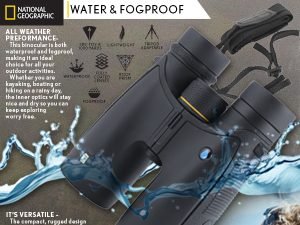
Birders often use binoculars outdoors in all kinds of weather. ED binoculars are made with tough materials to handle rain and dust. They usually have waterproof and fog-proof features.
This durability protects the lenses and keeps the view clear. Sturdy construction also means the binoculars last longer in rough conditions. This is important for serious bird watchers.
- Waterproof seals prevent moisture inside
- Fog-proof design stops lens fogging
- Shock-resistant bodies handle drops and bumps
Weight And Ergonomics
Birders carry binoculars for hours during trips. Lightweight ED binoculars reduce arm strain. Good ergonomics means the binoculars fit well in your hands and are easy to hold steady.
Comfortable grips and smooth focus controls make it easier to use binoculars for long periods. Compact designs also fit well in backpacks. This helps birders stay comfortable and focused.
- Lightweight materials reduce fatigue
- Ergonomic shape fits hands comfortably
- Smooth focus wheels allow quick adjustments

Credit: www.walmart.com
Comparing Ed Binoculars To Standard Models
ED binoculars use special glass to reduce color blur. Standard binoculars have regular glass lenses. This difference affects how clear and sharp the view is.
Professional birders often wonder if ED binoculars offer enough benefits to justify their cost. Let’s compare these two types of binoculars by looking at image quality, price, and lighting performance.
Image Quality Differences
ED binoculars reduce chromatic aberration, which means less color fringing around objects. This makes bird feathers and details look clearer and more natural. Standard binoculars may show slight color blurs, especially in high-contrast scenes.
- Sharper edges on birds and trees
- Better color accuracy and contrast
- Less eye strain during long use
Price Considerations
| Feature | ED Binoculars | Standard Binoculars |
|---|---|---|
| Average Cost | $800 – $2000 | $100 – $700 |
| Durability | High | Moderate |
| Maintenance | Standard | Standard |
| Warranty | Often Longer | Varies |
ED binoculars cost much more than standard models. This price includes better glass and often stronger build quality. Birders must decide if the improved view is worth the extra money.
Performance In Various Lighting
ED binoculars perform better in low light and bright light. They keep images bright and reduce glare. Standard binoculars may lose brightness and show more distortions in tricky lighting.
- ED binoculars keep colors accurate at dawn and dusk
- They reduce halos around bright objects
- Standard models may show washed-out colors in strong light
Top Ed Binoculars For Birders
ED binoculars use extra-low dispersion glass to give clearer images. Birders like them for sharp views and true colors. This helps spot small details on birds from far away.
Choosing the right ED binocular depends on your budget and needs. There are good options for beginners and experts alike. Here are some top picks in different price ranges.
High-end Options
High-end ED binoculars offer the best image quality and build. They have brighter views and better focus. Professionals often prefer these for long birdwatching sessions.
- Outstanding clarity and color accuracy
- Durable and weather-resistant bodies
- Wide field of view for easy tracking
Mid-range Choices
Mid-range ED binoculars balance performance and price well. They still have good optics and are lighter to carry. These are great for serious birders who want quality without high cost.
- Clear images with good color contrast
- Comfortable grip and moderate weight
- Often waterproof and fog-proof
Budget-friendly Picks
Budget-friendly ED binoculars are good for beginners. They offer decent image quality for the price. These binoculars are light and easy to use on short trips.
- Affordable with basic ED glass
- Simple design and easy focusing
- Good for casual birdwatching
User Experiences And Feedback
Many birders share their thoughts on Ed binoculars. Their feedback helps others decide if these tools suit professional needs.
This section covers real user opinions about Ed binoculars, focusing on strengths and weaknesses.
Clarity And Image Quality
Users often mention the sharpness of the image and color accuracy. Many say Ed binoculars provide clear views even at long distances.
Some professionals notice slight differences in color tone compared to other high-end models, but most agree the quality is good for detailed bird watching.
Build And Comfort
Many birders find Ed binoculars comfortable to hold for hours. The lightweight design reduces hand fatigue during long birding trips.
- Rubber coatings provide a secure grip
- Compact size fits well in backpacks
- Eye relief is suitable for eyeglass wearers
Still, some users want a more rugged design for tough weather conditions.
Performance In Different Conditions
| Condition | User Feedback |
| Bright sunlight | Excellent visibility with little glare |
| Low light | Good brightness, but some users want better light gathering |
| Rain and fog | Sealed models resist moisture well |
Overall, Ed binoculars perform well in most environments, though some users suggest improvements for dim light conditions.
Value For Professional Birders
Birders evaluate Ed binoculars for their cost and features. Many find them a good balance between price and performance.
- Clear optics suitable for serious observation
- Comfortable design for long use
- Durability varies by model
- Good customer support reported
Some professionals prefer more expensive brands for extra features, but many use Ed binoculars as a reliable option.
Are Ed Binoculars Worth It For Pros
ED binoculars use special glass to reduce color distortion. This makes images clearer and sharper. Professional birders often ask if these glasses are worth the extra cost.
We will look at when ED glass helps the most. Then, we will see situations where it may not make a big difference.
When To Choose Ed Glass
ED glass improves image quality in many ways. It is best for birders who need the clearest view. Here are some key reasons to choose ED binoculars:
- Spotting small details on birds at long distances
- Observing birds in low light, like dawn or dusk
- Reducing eye strain during long birdwatching sessions
- Viewing birds with bright colors that need accurate rendering
- Working in professional settings where image quality matters
For pros, these points often mean better results in the field.
Situations Where It May Not Matter
ED glass is not always necessary. Some birding situations do not need the extra clarity or color correction. Here is a simple table comparing when ED glass helps and when it might not:
| Situation | ED Glass Benefit |
| Close range birdwatching | Low |
| Bright daylight observation | Moderate |
| Casual birding trips | Low |
| High detail study for research | High |
| Watching fast-moving birds | Moderate |

Credit: www.amazon.ca
Frequently Asked Questions
What Makes Ed Binoculars Ideal For Professional Birders?
ED binoculars use Extra-low Dispersion glass that delivers sharp, clear images. This enhances color accuracy and reduces eye strain during long birding sessions. Professionals prefer them for reliable performance in diverse lighting conditions.
Are Ed Binoculars Better Than Standard Binoculars?
Yes, ED binoculars provide superior image clarity and color fidelity. They minimize chromatic aberration, making distant bird details clearer. This advantage is crucial for professional birders needing precise identification.
How Does Ed Glass Improve Birdwatching Experience?
ED glass reduces color fringing around bird edges, enhancing visual sharpness. This results in brighter, more natural views, essential for identifying subtle bird features. It improves comfort during extended observation periods.
Are Ed Binoculars Durable For Professional Use?
Most ED binoculars are built with robust materials and weatherproofing. They can withstand harsh outdoor conditions and frequent use. This durability makes them a solid investment for professional birders.
Conclusion
ED binoculars offer clear views and sharp images for birders. They help spot details that matter in bird watching. Professionals value their light weight and easy focus. These binoculars perform well in different weather and light. Choosing the right binoculars depends on your needs and budget.
ED binoculars can be a smart choice for serious birders. They make bird watching more enjoyable and effective. Consider trying them to see the difference yourself. Quality optics always enhance the birding experience.