Imagine you’re out in the snowy mountains, and suddenly, someone is buried under an avalanche. Every second counts.
You need to find them fast, but the vast white landscape makes it nearly impossible to spot any signs. This is where your gear matters the most. Have you ever wondered if binoculars can help in such a life-or-death situation?
Can they really make a difference in an avalanche rescue? Keep reading to discover how these simple tools might become your best ally when every moment is critical.

Credit: www.rei.com
Role Of Binoculars In Rescue
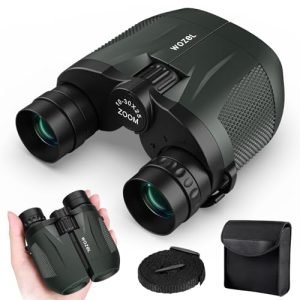
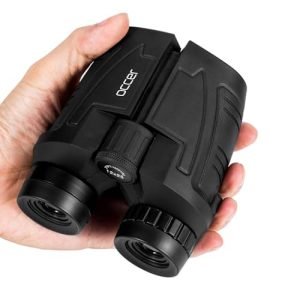
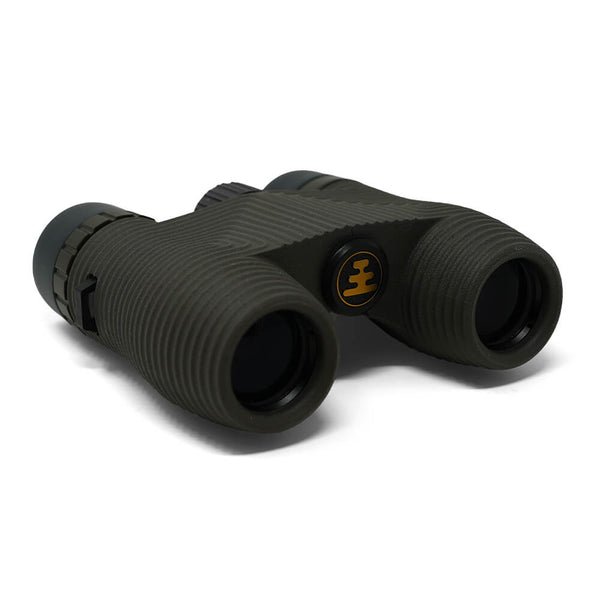
Binoculars help rescuers see far distances in snowy mountains. They improve chances of finding people caught in avalanches.
Using binoculars is common in rescue missions. They give a closer look at hard-to-see areas covered in snow.
Enhanced Visibility In Snowy Terrain
Snowy landscapes can be hard to view with the naked eye. Binoculars make distant objects clearer in the bright, white snow.
They help rescuers spot shapes or movements that blend into the snow. This visibility is key in rough mountain areas.
Spotting Avalanche Victims
Binoculars allow rescuers to scan large areas quickly. They can find victims who may be hard to see from a distance.
Seeing details like bright clothing or small movements helps locate people trapped under or near snow.
- Look for unusual shapes or colors on the snow
- Watch for movement or waving hands
- Check areas where snow is disturbed
Assessing Avalanche Zones
Binoculars help rescuers study the avalanche area from a safe distance. They check how deep and wide the snow slide is.
This helps plan safe routes for rescue teams. It also shows dangers like unstable snow or falling debris.
Key Features For Rescue Binoculars
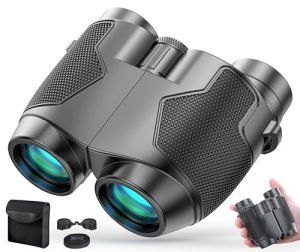
Binoculars can help in avalanche rescue by spotting people or objects from afar. Choosing the right binoculars is important for quick and clear searching.
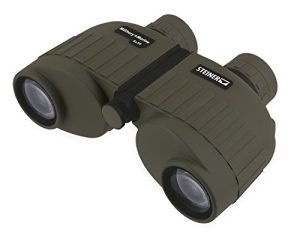
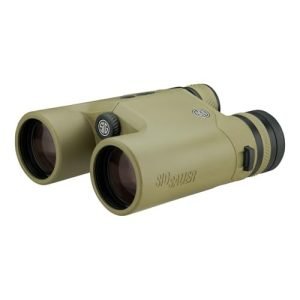
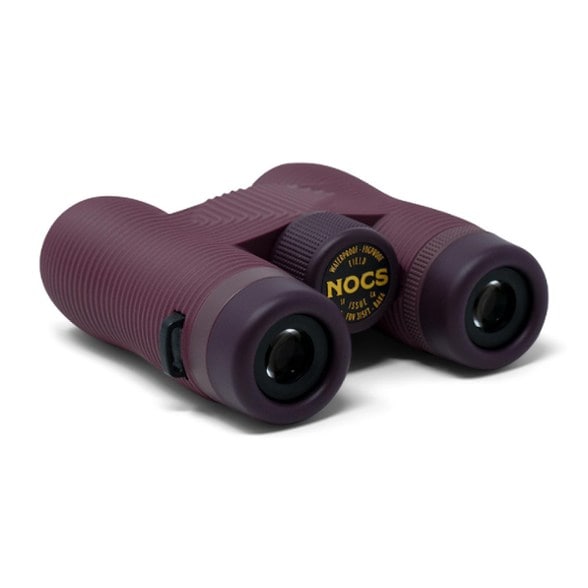
Rescue binoculars need special features to work well in snowy and harsh mountain conditions. These features improve visibility and durability.
Magnification And Lens Quality
Magnification helps you see far away details clearly. Rescue binoculars usually have moderate magnification to avoid shaky images.
High-quality lenses give bright and sharp images, even in low light. This is key for spotting people under snow or in poor weather.
- 5x to 10x magnification works best
- Large objective lenses for more light
- Coated lenses reduce glare and improve clarity
Durability And Weather Resistance
Rescue binoculars must survive cold, wet, and rough conditions. They should resist water, fog, and shocks.
Look for waterproof and fog-proof models with rubber armor. These features protect the binoculars and keep them working well.
- Waterproof to prevent damage from snow and rain
- Fog-proof with nitrogen or argon gas inside
- Rubber coating to absorb shocks and prevent slipping
Field Of View And Focus Speed
A wide field of view helps scan large areas quickly. This is important when looking for signs of avalanche victims.
Fast and smooth focusing lets rescuers adjust quickly to different distances. This saves time during urgent searches.
- Wide field of view covers more ground
- Close focus distance to see nearby objects clearly
- Easy and fast focus mechanism for quick use
Limitations Of Using Binoculars
Binoculars are helpful tools for spotting people or objects at a distance. In avalanche rescue, they can assist rescuers in scanning large areas.
Still, binoculars have limits that affect their usefulness during rescue missions. Knowing these limits helps rescuers use them wisely.
Visibility Challenges In Snowstorms
Heavy snow and strong winds reduce visibility a lot. Binoculars cannot see through thick snow or fog.
- Snowflakes scatter light and blur distant views.
- Wind can move snow quickly, hiding signs of victims.
- Whiteout conditions make it hard to find any contrast.
Range Constraints
Binoculars have a limited range. Objects too far away appear small or unclear.
| Distance | Visibility with Binoculars | Effect on Rescue |
|---|---|---|
| Up to 200 meters | Clear and detailed | Good for spotting signals or movement |
| 200 to 500 meters | Less clear, harder to identify details | May miss small or hidden clues |
| Over 500 meters | Blurry or indistinct | Not reliable for rescue spotting |
Dependence On Light Conditions
Binoculars need good light to work well. Low light or night reduces their effectiveness.
Light conditions affect binocular use:
- Bright daylight offers the best view.
- Cloudy or dusk times reduce clarity.
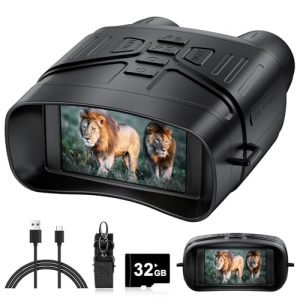
- At night, binoculars without night vision are almost useless.
Complementary Rescue Tools
Binoculars help spot signs of avalanches from a distance. They are useful but not enough alone for rescue.
Other tools work better to find and save buried victims quickly. These tools help rescue teams act fast.
Avalanche Beacons
Avalanche beacons send and receive radio signals. They guide rescuers to people trapped under snow.
Victims carry beacons that emit signals. Rescuers use special receivers to find these signals fast.
Probes And Shovels
Probes help rescuers find the exact spot of a buried person. They are long, thin poles pushed into snow.
Shovels remove snow quickly after the person is located. Both tools are essential for fast digging.
- Probes pinpoint victims under the snow
- Shovels clear snow to reach the victim
- These tools work together after beacon signals
Drones And Thermal Cameras
Drones fly over avalanche areas to search from above. They cover large areas faster than people on foot.
Thermal cameras on drones detect body heat under the snow. This helps find victims who are hard to see.
- Drones scan wide areas quickly
- Thermal cameras spot heat signatures
- They support rescue teams on the ground
Best Practices For Binocular Use
Binoculars can help spot signs of avalanche victims from a distance. Using them correctly improves search results.
Following good practices ensures safety and teamwork during rescue operations.
Proper Scanning Techniques
Hold binoculars steady to avoid blurry views. Scan the area in slow, overlapping sweeps.
Look for unusual shapes, colors, or movements that stand out from the snow and rocks.
- Start scanning from one side and move systematically to the other
- Use a grid pattern to cover all parts of the avalanche zone
- Adjust focus regularly for clear images at different distances
Team Coordination
Communicate clearly with team members about what you see through the binoculars. Use radios or signals.
Divide the search area so everyone covers a specific section. Share findings often to avoid missing spots.
- Assign roles: spotter, communicator, and searcher
- Update the team about any discoveries immediately
- Keep track of areas already scanned to prevent repetition
Training And Familiarization
Practice using binoculars in different weather and light conditions. Know how to adjust them quickly.
Train regularly with your rescue team to build trust and improve coordination during real events.
- Learn to estimate distances and spot details through binoculars
- Practice scanning large areas efficiently
- Run drills simulating avalanche rescue scenarios
Credit: www.rei.com
Credit: www.powder.com
Frequently Asked Questions
Can Binoculars Improve Avalanche Rescue Effectiveness?
Yes, binoculars enhance visual range and detail detection. They help rescuers spot clues like debris or movement from a safe distance, improving search speed and safety during avalanche rescue operations.
Are Binoculars Better Than Other Rescue Tools?
Binoculars complement, not replace, tools like probes and transceivers. They provide visual assistance, making initial searches faster and safer but are most effective when used alongside specialized avalanche equipment.
What Features Make Binoculars Suitable For Avalanche Rescue?
Look for waterproof, fog-resistant, and wide-angle binoculars. High magnification and image clarity improve distant viewing in snowy, harsh conditions, making these features essential for effective avalanche rescue use.
How Do Binoculars Aid In Locating Avalanche Victims?
Binoculars help spot subtle signs such as clothing colors or movement under snow. This visual aid allows rescuers to identify victim locations without getting too close to unstable snow zones.
Conclusion
Binoculars can help spot signs of an avalanche from a distance. They improve visibility in snowy and rough terrain. Rescuers can find clues like movement or shapes faster. Still, binoculars do not replace other rescue tools. Tools like probes, beacons, and trained dogs remain crucial.
Using binoculars alongside these tools increases rescue success. Always carry proper equipment when traveling in avalanche zones. Practice using all tools to stay safe and ready. Rescue teams rely on many methods for quick help. Binoculars add value but are just one part of rescue.