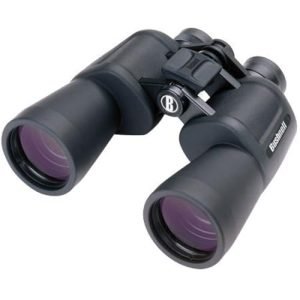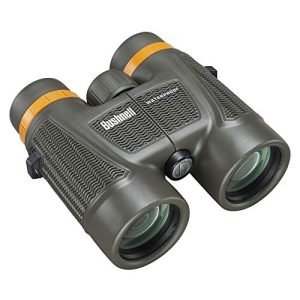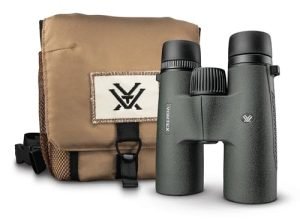
When choosing binoculars, you want the best tool to explore the world clearly and comfortably. Roof prism binoculars are popular for their sleek design and compact size.
But have you ever wondered if they come with hidden drawbacks that could affect your experience? Knowing the disadvantages of roof prism binoculars can save you time, money, and frustration. You’ll discover what might not work so well with these binoculars—so you can make a smarter choice for your next adventure.
Keep reading to find out what to watch out for before making your decision.
Optical Limitations
Roof prism binoculars have a compact design. This makes them popular for many uses. But their design causes some optical problems.
These problems affect the image quality you see. They include brightness, color accuracy, and viewing area.
Reduced Image Brightness
Roof prism binoculars often show images that are not very bright. Their light path is more complex. This causes some light loss inside the binoculars.
Less light means the image looks darker. This problem is worse in low light conditions, like dawn or dusk.
Potential Chromatic Aberration
Chromatic aberration means colors around objects look blurry or fringed. Roof prism binoculars can show this issue more than other types.
This happens because the light bends differently for each color. The prisms may not fully correct these color shifts, causing slight color fringes.
Narrower Field Of View
Roof prism binoculars usually have a smaller field of view. This means you see less area at once through the lenses.
A narrower view can make it harder to spot moving objects or scan wide areas quickly.

Credit: www.ebay.com
Build And Design Challenges
Roof prism binoculars have a unique design that makes them compact and easy to hold. Their build is more complex than other types of binoculars. This design causes some challenges in making them strong and reliable.
Understanding these challenges helps you know why roof prism binoculars might have some disadvantages compared to other styles.
Complex Internal Structure
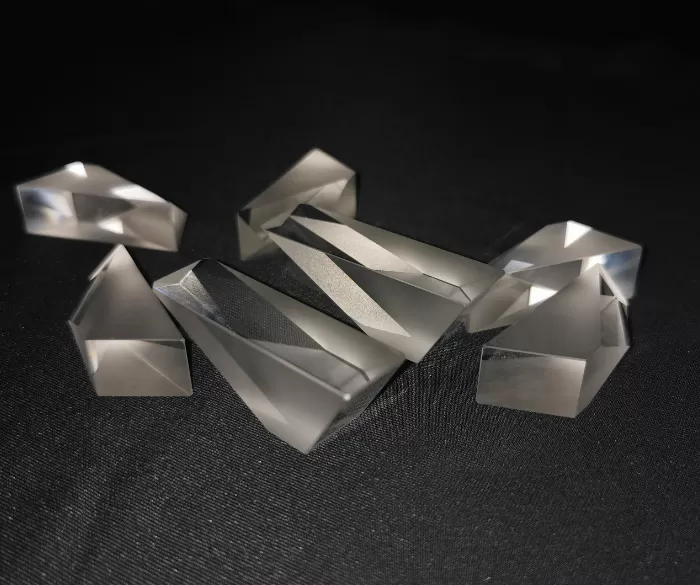
Roof prism binoculars have a complicated internal system. The prisms inside must align perfectly to show clear images. This alignment is hard to achieve and keep.
This complex setup makes production more difficult and can increase the chance of small errors during assembly.
Fragility Concerns
The precise parts inside roof prism binoculars are delicate. If dropped or bumped, the alignment can shift. This can cause blurry images or double vision.
The fragile internal parts need careful handling and may not be ideal for rough use outdoors.
- Delicate prism alignment
- Sensitive to shocks and drops
- Requires careful maintenance
Weight Considerations
Roof prism binoculars often weigh more than other types. Their internal parts are tightly packed, adding to the weight.
The extra weight can make them less comfortable for long use. Carrying them for hours may cause hand or arm tiredness.
Cost And Maintenance
Roof prism binoculars offer a compact and sturdy design. Still, they come with some cost and maintenance challenges. These factors may affect your choice if you plan to invest in them.
Understanding the disadvantages helps you prepare for upkeep and expenses linked to roof prism binoculars.
Higher Production Costs
Roof prism binoculars use complex designs that require precise manufacturing. This makes them more expensive to produce than other types.
- Precision glass prisms increase material costs
- Advanced coatings add to production expenses
- Compact design demands careful assembly
Difficult Repairs
Fixing roof prism binoculars can be challenging. Their compact and sealed build limits access to internal parts.
Only skilled technicians can repair these binoculars properly, which can increase service costs.
Lens Alignment Issues
Proper lens alignment is critical for clear viewing. Roof prism binoculars are sensitive to misalignment due to their design.
| Issue | Cause | Effect |
| Misalignment | Impact or drop | Double images or blurry view |
| Difficult adjustment | Complex internal setup | Expensive and slow repairs |
Credit: www.ecoptik.net
Performance In Low Light
Roof prism binoculars are popular for their compact design. Yet, their performance in low light can be less than ideal. Understanding these drawbacks helps users choose the right binoculars.
Low light performance matters for activities like birdwatching at dawn or night observation. Roof prism models have some limits that affect this.
Reduced Light Transmission
Roof prism binoculars often let less light pass through than other types. This happens because of the prism design and coatings used. Less light reaching your eyes means dimmer images.
- Internal prisms cause some light loss
- Coatings on prisms are often less efficient
- Smaller exit pupils reduce brightness
Impact On Night Viewing
At night or in very dark places, roof prism binoculars may struggle. The image can look dull or lacking detail. This makes it hard to see objects clearly.
| Factor | Effect on Night Viewing |
| Light Transmission | Lower brightness reduces visibility |
| Exit Pupil Size | Smaller pupil limits eye’s light intake |
| Optical Coatings | Less effective coatings decrease image clarity |
Comparison With Porro Prism Binoculars
Roof prism binoculars have a different design than Porro prism binoculars. This affects how they perform in daily use. Understanding their disadvantages helps you choose the right type.
We will look at three main areas where roof prism binoculars differ from Porro prism models. These are image quality, durability, and price.
Differences In Image Quality
Porro prism binoculars often provide better image depth and wider views. Roof prisms can show slight color fringing or less sharp edges. This is because roof prisms require precise alignment and coatings.
- Porro prisms offer stronger 3D effect and depth perception.
- Roof prisms are usually more compact but may lose some edge sharpness.
- Roof prism models can have more chromatic aberrations if not well made.
Durability And Handling
Roof prism binoculars are smaller and easier to carry. Their straight barrel design makes them more waterproof. Porro prisms are bulkier but often feel sturdier in hand.
| Feature | Roof Prism | Porro Prism |
| Size | Compact and slim | Bulkier and wider |
| Waterproof | Usually better sealed | Less common to be fully sealed |
| Durability | Fragile alignment requires care | More tolerant of rough use |
| Handling | Easier to hold with one hand | Better grip due to shape |
Price Variations
Roof prism binoculars cost more to make. They need precise parts and coatings. Porro prisms use simpler designs and are often cheaper.
- Roof prism models usually have higher price tags.
- Porro prism binoculars provide good value for lower cost.
- Price differences reflect complexity and size.

Credit: wildonline.blog
Frequently Asked Questions
What Are The Main Drawbacks Of Roof Prism Binoculars?
Roof prism binoculars often have lower light transmission than porro prisms. They are more complex to manufacture, which can increase cost. Their narrow design may reduce field of view and brightness in some models.
Why Do Roof Prism Binoculars Cost More?
Roof prism binoculars require precise alignment and complex coatings. This manufacturing complexity raises production costs. Higher-quality materials and advanced technology also contribute to their higher price compared to porro prism types.
How Does The Narrow Design Affect Roof Prism Binoculars?
The compact, straight-barrel design limits the size of lenses. This can reduce light intake and field of view. As a result, image brightness and peripheral vision may be compromised in some models.
Are Roof Prism Binoculars Less Durable Than Others?
Roof prism binoculars are generally durable but more sensitive to alignment issues. Their complex internal prisms can be misaligned by drops or rough handling. Proper care is essential to maintain optimal performance.
Conclusion
Roof prism binoculars offer good compactness and durability. Still, they often cost more than porro prism types. Their design can reduce light transmission, affecting brightness. Some models feel heavier in hand. Maintenance might be trickier due to their sealed build.
These drawbacks matter for certain uses and budgets. Choose based on what fits your needs best. Understanding these limits helps make a smart choice.