Are you tired of blurry views when observing things up close with your binoculars? Choosing the right close-focus binoculars can completely change how you see the world around you.
Whether you’re watching birds, exploring nature, or enjoying sports, having the perfect pair brings details to life like never before. But with so many options out there, how do you find the ones that fit your needs perfectly? Keep reading, and you’ll discover simple tips to pick binoculars that make every close-up moment sharp, clear, and unforgettable.
Benefits Of Close-focus Binoculars
Close-focus binoculars allow you to see objects that are very near with great clarity. They help bring out details that normal binoculars might miss. These binoculars are useful for many activities where seeing close things clearly is important.
Choosing the right close-focus binoculars can improve your viewing experience. It makes observing small or nearby subjects easier and more enjoyable.
Enhanced Detail For Nearby Subjects
Close-focus binoculars show fine details of objects close to you. This is helpful when you want to study things like flowers or insects. You get a clearer and sharper view than with regular binoculars.
These binoculars reduce eye strain by keeping the image in focus at short distances. This makes close observation comfortable for longer periods.
Versatility In Various Activities
Close-focus binoculars work well for many outdoor hobbies. You can use them for hiking, birdwatching, or even sports events. They let you see nearby details and distant views with ease.
Many models are lightweight and easy to carry. This makes them a good choice for people who want one pair of binoculars for different uses.
Improved Wildlife Observation
Seeing animals up close helps you notice their behavior and features. Close-focus binoculars let you observe small animals or birds without disturbing them. This adds to the enjoyment of watching wildlife.
- Spot small movements easily
- View animal markings clearly
- Observe nests and habitats closely
Key Features To Consider
Choosing close-focus binoculars needs care. You want clear views of objects near you.
Look at key features to find binoculars that work well for your needs.
Close Focus Distance
Close focus distance is how near you can see an object clearly. Smaller numbers mean you can focus on things closer.
This is important for bird watching, insects, or other nearby subjects.
Magnification And Lens Size
Magnification shows how much closer an object looks. Lens size affects how much light the binoculars collect.
Higher magnification means a bigger view, but can be harder to hold steady. Larger lenses help in low light.
- Common magnifications: 8x, 10x
- Lens sizes: 25mm to 42mm
- Balance power with ease of use
Field Of View
Field of view is the width of the area you see through the binoculars. A wider view helps track moving objects.
Look for binoculars with a wide field of view for better experience at close distances.
Optical Quality And Coatings
Good optics give sharp and bright images. Special coatings reduce glare and improve color.
Choose binoculars with multi-coated lenses for clearer views and less eye strain.
- Fully multi-coated lenses improve brightness
- Phase-corrected prisms give sharper images
- Waterproof and fog-proof add durability
Ergonomics And Comfort
Choosing close-focus binoculars means thinking about how they feel to hold and use. Comfort matters for long viewing sessions.
Ergonomics help you use binoculars without strain. This guide covers weight, grip, and eye comfort.
Weight And Size
Light binoculars reduce arm tiredness during long use. Smaller sizes fit better in your hands and bags.
Heavy or big binoculars can feel bulky. Choose weight and size that suit your strength and how you plan to carry them.
Grip And Handling
Good grip stops binoculars from slipping. Look for rubber coatings or textured surfaces.
Comfortable handling means easy focus and smooth adjustments. Check if buttons and dials are in reach and simple to use.
- Rubber armor for secure grip
- Well-placed focus knobs
- Non-slip surfaces
- Easy-to-turn adjustment dials
Eye Relief And Eyecups
Eye relief is the distance from the eyepiece to your eyes. Longer eye relief helps if you wear glasses.
Eyecups protect your eyes and block extra light. Adjustable eyecups let you find the best position for comfort.
- Long eye relief for glasses wearers
- Fold-down or twist-up eyecups
- Soft eyecups for comfort
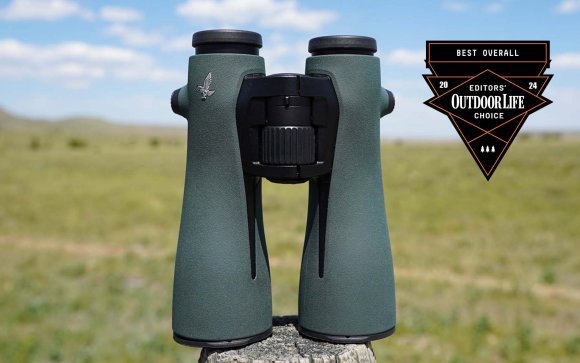
Credit: www.outdoorlife.com
Durability And Weather Resistance
Choosing close-focus binoculars means thinking about how tough they are. You want binoculars that last long and work well in different weather.
Good durability and weather resistance help your binoculars stay clear and safe during outdoor use.
Waterproof And Fogproof Features
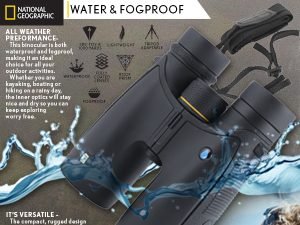
Waterproof binoculars keep water out during rain or wet conditions. Fogproof binoculars stop the lenses from fogging up inside.
- Look for binoculars with sealed O-rings to block water and dust.
- Nitrogen or argon gas inside lenses prevents fogging.
- Check if the binoculars meet IPX7 or similar waterproof ratings.
Build Materials
Strong materials protect your binoculars from drops and bumps. They also help keep weight low for easy carrying.
| Material | Benefits |
| Rubber Coating | Shock absorption and better grip |
| Aluminum Body | Lightweight and sturdy |
| Magnesium Alloy | Very strong and lightweight |
| Polycarbonate | Impact resistant and affordable |
Protective Accessories
Accessories help keep your binoculars safe during travel and storage. They add an extra layer of protection from damage.
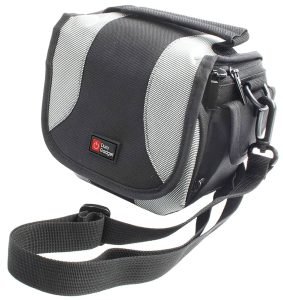
- Use a padded carrying case to avoid scratches and shocks.
- Lens caps protect the lenses from dirt and scratches.
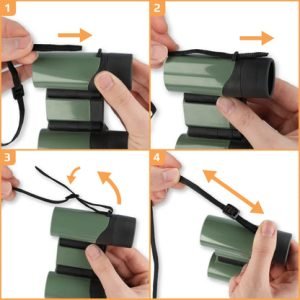
- Neck straps prevent accidental drops while in use.
- Cleaning cloths help keep lenses clear without damage.
Budget And Brand Considerations
Choosing close-focus binoculars requires attention to your budget and the brand you trust. These factors affect the quality and durability of your binoculars.
Finding the right balance between cost and reliability helps you get the best value. This guide covers price ranges, reputable brands, and warranty details.
Price Ranges
Close-focus binoculars come in many price ranges. Your budget will shape your options and features.
- Low-cost models usually offer basic optics and limited durability.
- Mid-range binoculars provide better lenses and more features.
- High-end binoculars have advanced optics and robust build quality.
Reputable Brands
Choosing binoculars from well-known brands can ensure quality and performance. These brands often test their products thoroughly.
- Look for brands with positive reviews and expert recommendations.
- Brands with a long history tend to offer reliable products.
- Check if the brand offers replacement parts and accessories.
Warranty And Customer Support
A good warranty and responsive customer support add value to your binoculars. They protect your investment over time.
| Warranty Type | What It Covers | Duration |
| Limited Warranty | Manufacturing defects | 1-3 years |
| Full Warranty | Defects and damages | 3-10 years |
| Lifetime Warranty | All issues, often with registration | Lifetime |
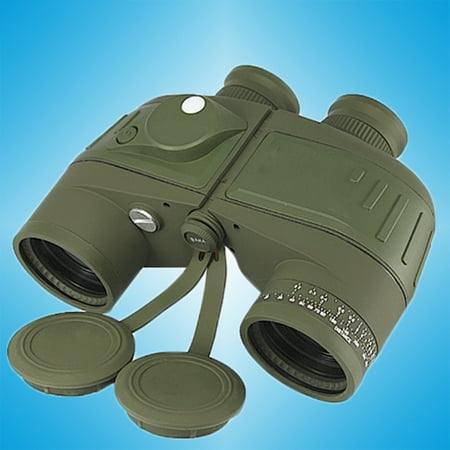
Credit: www.cioa.global
Testing And Trying Before Buying
Choosing close-focus binoculars needs careful testing before purchase. Trying them out helps you find the best fit for your needs.
Testing lets you check comfort, focus, and image clarity up close. It also helps avoid surprises after buying.
Hands-on Experience
Hold the binoculars to feel their weight and size. Make sure they fit your hands well and are easy to use.
Try adjusting the focus wheel and eyecups. Smooth and easy adjustments make viewing better and more comfortable.
Checking Close Focus Performance
Test how close you can see objects clearly. Look at small items nearby to check the minimum focus distance.
- Pick a small object 1 to 3 meters away
- Adjust focus until the object is sharp
- Note the distance for clear viewing
Good close-focus binoculars show sharp images of objects very near. This is important for bird watching and nature study.
Comparing Multiple Models
Try several binoculars side by side to compare comfort and clarity. This helps you see which model suits you best.
- Check weight and grip feel
- Test focus speed and smoothness
- Compare close focus distances
- Look at image brightness and sharpness
Trying different models helps you find binoculars that match your budget and needs. Take your time to test well.
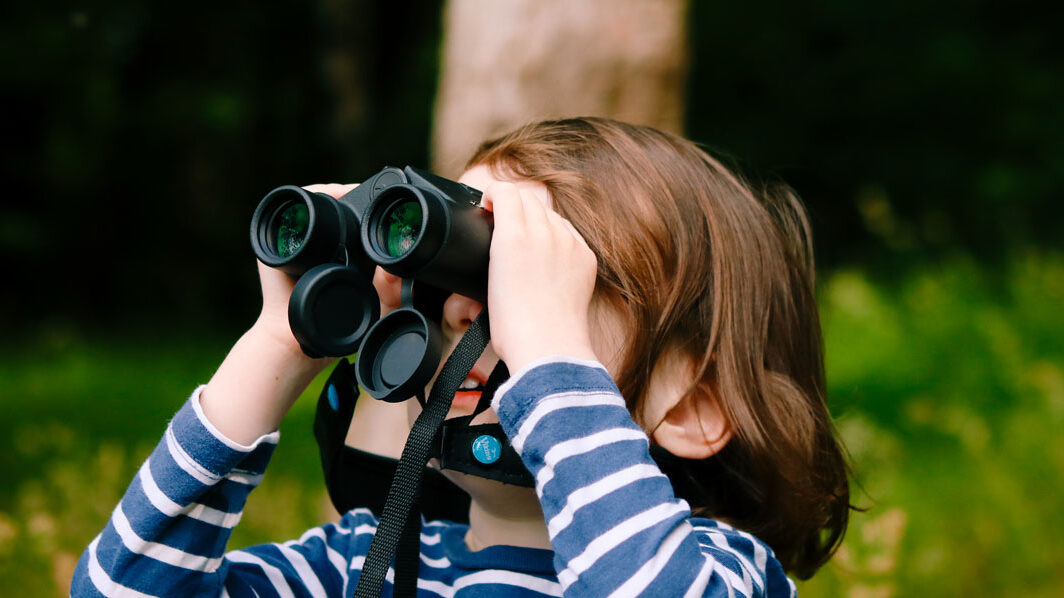
Credit: bringbinoculars.com
Frequently Asked Questions
What Is Close-focus Distance In Binoculars?
Close-focus distance is the minimum range at which binoculars sharply focus. It allows detailed viewing of nearby objects like insects or flowers.
Why Choose Binoculars With A Short Close-focus Distance?
Short close-focus binoculars provide clear, crisp images of objects very near. This is ideal for nature observation, birdwatching, and detailed outdoor activities.
How To Check Binoculars’ Close-focus Specification?
Check the product details or manual for “close-focus distance. ” It’s usually listed in feet or meters and indicates the closest focus range.
Do Magnification And Close-focus Distance Affect Each Other?
Higher magnification often increases close-focus distance. Choose a balance that suits your need for detail and proximity in viewing.
Conclusion
Choosing close-focus binoculars takes some thought and care. Focus on clarity and ease of use. Check the minimum focus distance to see nearby details clearly. Consider size and weight for comfort during use. Don’t forget to test the binoculars if possible.
Good close-focus binoculars bring nature up close, making every view special. Keep these tips in mind to pick the best pair for your needs. Enjoy your viewing experience with confidence and clarity.