Imagine being in a life-or-death situation at sea, where every second counts and your vision is your greatest tool. How do rescuers spot someone lost in the vast ocean or identify a small boat struggling against the waves?
The answer often lies in a simple, yet powerful device: binoculars. If you’ve ever wondered how these handy tools make a difference during air-sea rescue missions, this article will reveal exactly how binoculars boost the chances of saving lives. Keep reading to discover how your understanding of these devices can deepen, and why they are absolutely crucial when time and accuracy are everything.
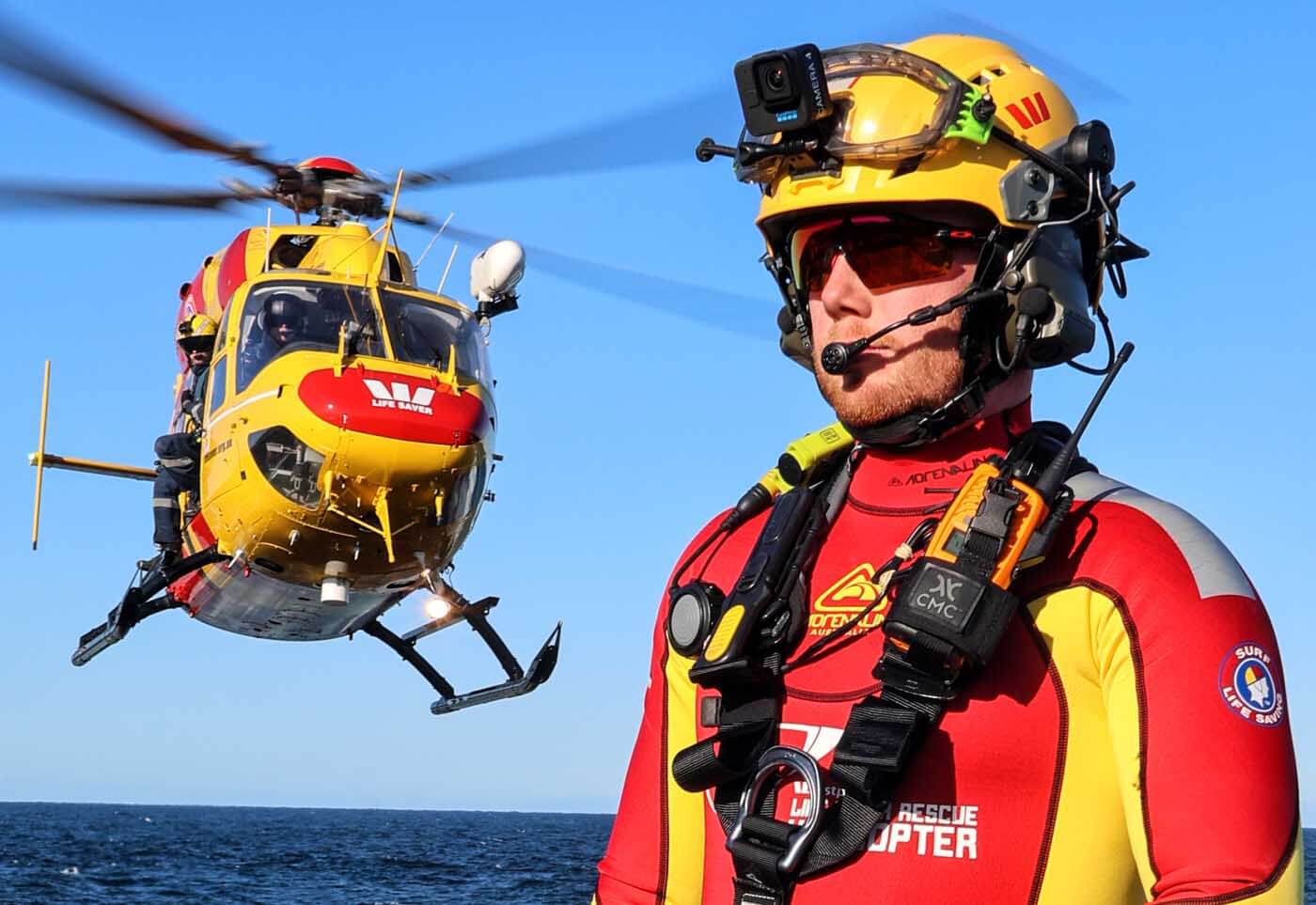
Credit: verticalmag.com
Role Of Binoculars In Air-sea Rescue
Binoculars are vital tools in air-sea rescue missions. They help rescuers spot people or objects from far away over water.
Using binoculars, rescuers can see details that are not visible to the naked eye. This support improves the chance of a successful rescue.
Enhancing Visual Range
Binoculars increase the distance a rescuer can see clearly. They bring distant objects closer and make them easier to spot.
- They allow searching wide ocean areas quickly.
- Binoculars help detect small floating objects or people in the water.
- They reduce the need for low flying or close approaches, which can be dangerous.
Improving Target Identification
Binoculars help rescuers identify what they see from a distance. This avoids mistakes and saves time during rescue.
| Feature | Benefit in Rescue |
| Magnification | Shows fine details of targets |
| Image Stabilization | Keeps view steady from moving aircraft |
| Wide Field of View | Allows scanning larger areas quickly |
| Lightweight Design | Easy to carry and use for long periods |
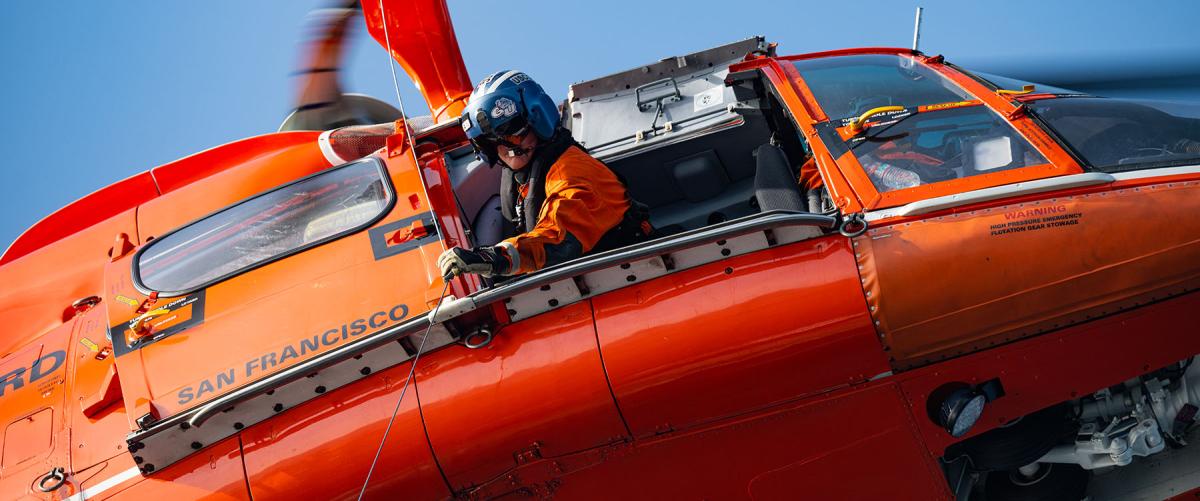
Credit: www.usni.org
Key Features Of Rescue Binoculars
Binoculars are vital tools in air-sea rescue operations. They help rescuers spot people or objects from far away. Rescue binoculars have special features to work well in tough conditions.
These features improve visibility and durability. They ensure rescuers can rely on their equipment in emergencies.
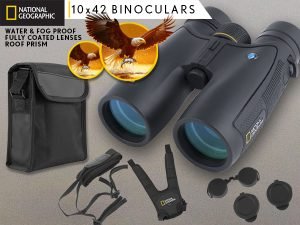
Waterproof And Fogproof Design
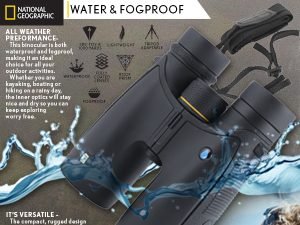
Rescue binoculars must work in wet and humid environments. A waterproof design keeps water out during rain or splashes. Fogproof lenses stop the glass from fogging up inside.
This design uses sealed O-rings and nitrogen gas filling. These keep the inside dry and clear. Rescuers get a clear view without delays or interruptions.
Lightweight And Durable Construction
Binoculars used in rescues must be easy to carry for long hours. Lightweight materials reduce fatigue for rescuers. At the same time, the build must be strong to handle tough use.
Durable construction protects binoculars from drops and rough handling. Many use rubber armor to absorb shocks and improve grip. This makes binoculars reliable in harsh conditions.
High Magnification And Wide Field Of View
High magnification helps rescuers see distant objects clearly. A wide field of view shows more area at once. This helps find people or boats quickly in open water.
Rescue binoculars balance power and view to avoid blurry images. This allows fast scanning of large areas without losing focus or detail.
Binoculars In Different Rescue Scenarios
Binoculars are vital tools in air-sea rescue missions. They help rescuers see far distances clearly.
Using binoculars improves search speed and safety during rescue operations in water and air.
Locating Survivors At Sea
Binoculars help rescuers spot survivors from aircraft or boats. They increase the search area visibility.
Seeing small objects like life jackets or rafts is easier with binoculars. This helps save lives faster.
Navigating Challenging Weather Conditions
Binoculars improve vision in fog, rain, or low light. They help rescuers avoid obstacles and hazards.
Clearer sight through bad weather lets rescue teams move safely and quickly to the right spot.
Coordinating With Rescue Teams
Rescuers use binoculars to spot signals or markers from other teams. This improves teamwork and timing.
Better coordination helps teams cover large areas without overlap. It saves time and resources.
Technological Advances In Rescue Binoculars
Binoculars play a key role in air-sea rescue missions. New technology has improved their ability to find and save people in hard-to-see places.
Modern rescue binoculars combine optics with digital tools. These advances help rescuers work faster and safer in difficult conditions.
Integration With Gps And Rangefinders
Rescue binoculars now often include GPS and rangefinder features. GPS helps rescuers know their exact location. Rangefinders measure the distance to a target.
- GPS provides coordinates for better navigation.
- Rangefinders calculate distances quickly and accurately.
- Combined data helps pilots and crew plan rescue routes.
- Digital displays show location and distance inside the binoculars.
Night Vision And Thermal Imaging Capabilities
Night vision lets rescuers see in the dark using light amplification. Thermal imaging shows heat signatures of people or objects.
| Feature | Description | Benefit |
| Night Vision | Amplifies low light to improve visibility | Allows rescue at night or in low-light conditions |
| Thermal Imaging | Detects heat from bodies and machines | Finds people hidden by darkness or fog |
Training And Best Practices For Rescue Personnel
Binoculars are important tools in air-sea rescue operations. They help rescuers spot people and objects from a distance.
Training rescue personnel to use binoculars correctly improves mission success and safety. Best practices ensure the tools work well when needed.
Effective Use Techniques
Rescuers must learn how to adjust binoculars for clear views. Proper focus and steady holding are key skills to practice.
Scanning the horizon in a systematic way helps cover wide areas. Using landmarks and grid patterns improves search accuracy.
- Adjust eyepiece and focus for each user
- Hold binoculars steady with both hands
- Scan slowly and in sections
- Use known reference points to guide searches
- Communicate sightings clearly to the team
Maintenance And Care
Regular cleaning keeps binocular lenses clear and scratch-free. Use soft cloths and proper cleaning solutions only.
Check binoculars for damage before and after each use. Store them in protective cases to avoid dust and moisture.
- Clean lenses with lens cloth and solution
- Inspect for cracks or loose parts
- Keep binoculars dry and dust-free
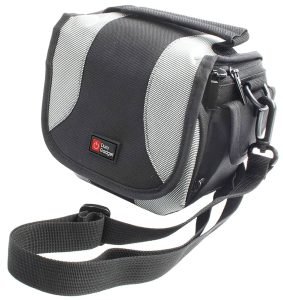
- Store in padded cases after use
- Test focus and alignment regularly
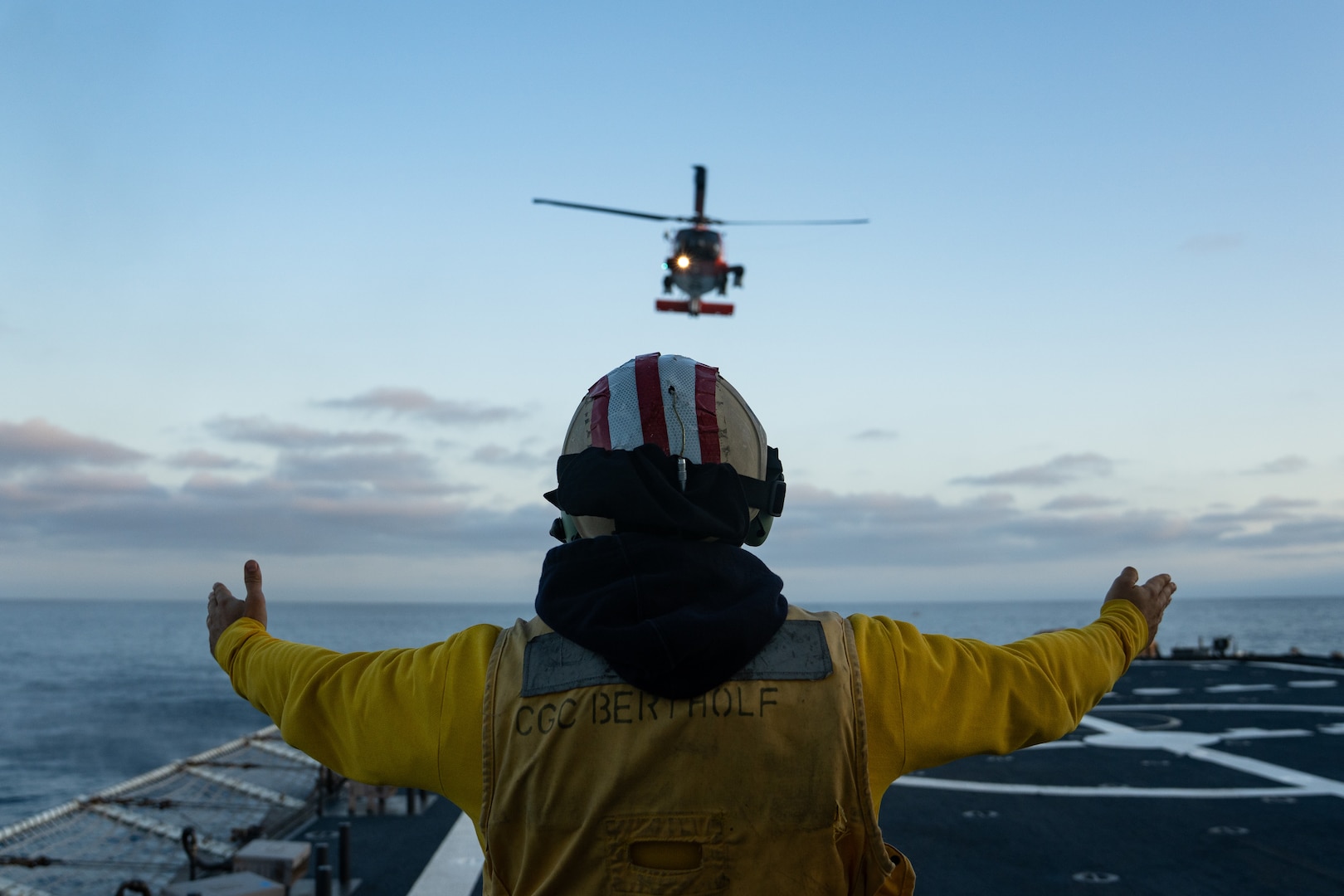
Credit: www.news.uscg.mil
Frequently Asked Questions
How Do Binoculars Enhance Air-sea Rescue Operations?
Binoculars provide rescuers with clear, magnified views over long distances. They help spot survivors, debris, or vessels quickly and accurately, improving search efficiency and response time during air-sea rescue missions.
What Features Make Binoculars Ideal For Air-sea Rescue?
Waterproofing, fog resistance, and wide field of view are crucial. High magnification and image stability also ensure clear visibility in harsh sea and weather conditions.
Why Is Magnification Important In Air-sea Rescue Binoculars?
Magnification helps rescuers see distant objects clearly, increasing the chance of locating survivors or hazards. It allows detailed observation without approaching dangerous areas.
Can Binoculars Work Effectively In Poor Weather Conditions?
Yes, specialized binoculars with waterproof and fog-proof features maintain visibility in rain, fog, or mist. This reliability is essential for continuous rescue efforts in unpredictable marine environments.
Conclusion
Binoculars play a vital role in air-sea rescue missions. They help rescuers spot people and objects from far away. Clear vision saves time and lives during emergencies. Rescuers can act faster and plan better with binoculars. These tools make searching wide areas easier and more effective.
In rescue situations, every second counts. Binoculars give rescuers the extra eyes they need. They support teamwork and quick decisions. Air-sea rescue is safer and more successful because of binoculars.