Have your surveillance binoculars stopped working just when you needed them most? It can be frustrating to face blurry views, stuck lenses, or loose parts right in the middle of an important observation.
But before you rush to buy a new pair, what if you could fix your binoculars yourself? In this guide, you’ll discover simple, step-by-step ways to repair common problems with your surveillance binoculars. By the end, you’ll have the confidence to bring your device back to life and save both time and money.
Ready to get your binoculars working like new again? Let’s dive in.

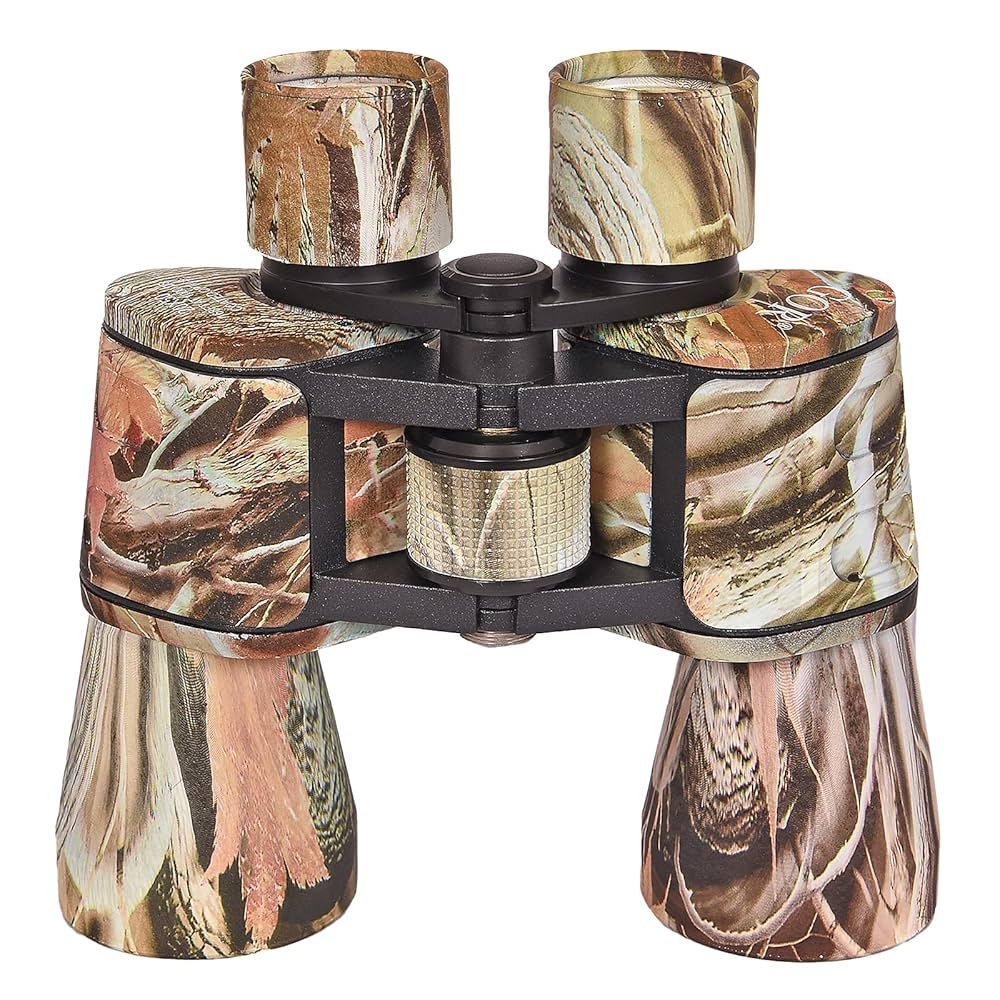
Credit: www.amazon.ca
Identifying Common Issues
Broken surveillance binoculars can stop working for different reasons. Finding the problem helps fix them quickly.
Look closely at the binoculars to see what parts are not working right. Check the lenses, focus, body, and electronics.
Lens Problems
Lenses may get dirty, scratched, or loose. Dirty lenses make images blurry. Scratches can block your view.
Sometimes the lens moves out of place. This causes double images or poor focus. Check for cracks or dirt on the glass.
- Smudges or dirt on the lens
- Scratches or cracks on glass
- Lens misalignment or looseness
Focus Mechanism Failures
The focus wheel or knobs may stop turning smoothly. This makes it hard to sharpen the image.
Sometimes the internal gears break or get stuck. Dust or rust can also block the focus parts.
- Focus wheel feels stiff or stuck
- Gears inside are broken or missing
- Dirt or rust blocking movement
Body And Housing Damage
Cracks or dents in the body can hurt the binoculars’ structure. This can let dust or water inside.
Loose or broken hinges affect how the binoculars open and close. Check if rubber parts are peeling or missing.
- Cracked or dented casing
- Loose or broken hinges
- Damaged or missing rubber parts
Electronic Component Malfunctions
Electronic parts can stop working if batteries die or circuits break. This causes lights or digital displays to fail.
Wires inside may become loose or cut. Moisture can damage electronic parts too.
- Dead or leaking batteries
- Broken wires or loose connections
- Water damage to electronics

Credit: www.amazon.ca
Tools And Materials Needed
Repairing broken surveillance binoculars requires specific tools and materials. Using the right items makes the process smoother and safer for your device.
This guide covers the basic tools, cleaning supplies, and replacement parts needed for most repairs.
Basic Repair Tools
You need several hand tools to open and fix surveillance binoculars. These tools help you handle small screws and fragile parts carefully.
- Precision screwdrivers (flathead and Phillips)
- Plastic pry tools to avoid scratching
- Tweezers for small components
- Magnifying glass or head loupe
- Small flashlight or LED light
- Anti-static wrist strap
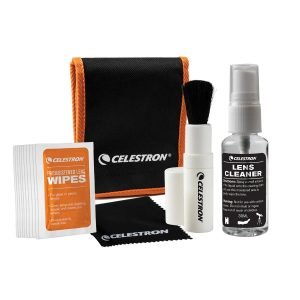
Cleaning Supplies
Cleaning is key to repairing binoculars and improving image quality. Use gentle supplies to protect lenses and lenses’ coatings.
| Supply | Purpose |
| Microfiber cloth | Remove dust and fingerprints |
| Lens cleaning solution | Clean lenses without damage |
| Compressed air can | Blow out dust from tight spaces |
| Isopropyl alcohol (70% or less) | Disinfect and remove grease |
| Cotton swabs | Clean small crevices |
Replacement Parts
Some broken parts need replacement. Having spare parts ready speeds up the repair process.
- Lens elements or lenses
- Focus knobs or adjustment rings
- Screws and small fasteners
- Rubber eyecups or seals
- Internal mirrors or prisms
Step-by-step Repair Process
Broken surveillance binoculars can stop you from seeing clearly. Fixing them yourself saves money and time.
This guide shows easy steps to repair your binoculars carefully and safely.
Disassembling The Binoculars
Start by finding a clean workspace with good light. Gather small tools like screwdrivers and tweezers.
Remove the rubber covers and unscrew the outer casing slowly. Keep all screws safe to avoid losing them.
- Use a small Phillips or flathead screwdriver
- Work gently to avoid breaking parts
- Organize screws in order to remember where they belong
Cleaning Internal Components
Dust and dirt inside binoculars can blur images. Use a soft brush or air blower to remove dust carefully.
Clean lenses with a microfiber cloth and lens cleaner. Avoid using water or harsh chemicals that can damage optics.
- Blow dust away with air blower
- Brush corners gently with a soft brush
- Wipe lenses in circular motions with microfiber cloth
Fixing Lens And Optics
Check lenses for cracks or scratches. Small scratches may be polished out with special kits.
If lenses are loose, tighten their mounts. Align lenses carefully to keep images clear and sharp.
- Use lens polish for minor scratches
- Tighten screws holding the lenses
- Adjust lens alignment before reassembling
Repairing Focus And Adjustment Knobs
Focus knobs often get stuck or loose. Clean the knobs and check for broken gears inside.
Replace worn parts or apply a small amount of lubricant to help smooth movement.
- Remove knobs carefully
- Inspect gears for damage
- Use silicone-based lubricant sparingly
Reassembling The Unit
Put all parts back in reverse order. Make sure lenses and knobs fit correctly and move smoothly.
Tighten screws firmly but do not over-tighten. Check the binoculars for clear focus and correct alignment.
- Follow your notes or photos to reassemble
- Test focus and adjustments before final tightening
- Replace rubber covers last to protect the unit
Testing After Repair
After fixing your broken surveillance binoculars, you must test them carefully. Testing ensures your repair worked well.
Check different parts to confirm the binoculars function properly before using them again.
Checking Optical Clarity
Look through the binoculars to see if the lenses are clear. Check for any blurriness, dust, or scratches that affect the view.
- Inspect both lenses under good light
- Clean lenses gently with a soft cloth
- Check for any fogging inside the lenses
- Make sure images appear sharp and bright
Verifying Focus Functionality
Test the focus knobs or rings to ensure smooth operation. The image should become clear quickly as you adjust focus.
| Focus Test | Expected Result |
| Turn focus knob slowly | Image sharpens without resistance |
| Focus on near object | Object appears clear and defined |
| Focus on distant object | Distant details are visible and sharp |
| Check for focus slipping | Focus holds steady without drifting |
Ensuring Structural Integrity
Check the binoculars for any loose or damaged parts. Make sure everything fits tightly and moves correctly.
- Test hinge tightness to hold correct eye spacing
- Check rubber grips for secure attachment
- Ensure lens caps fit well and protect lenses
- Look for cracks or breaks in the body casing
Preventive Maintenance Tips
Keeping surveillance binoculars in good condition helps them last longer. Proper care can stop many common problems.
Simple steps like cleaning, storing, and handling them well make a big difference in their performance.
Regular Cleaning Routines
Clean your binoculars often to remove dust and dirt. Use a soft cloth to avoid scratching lenses.
- Use a lens brush to clear loose dust.
- Apply lens cleaning fluid on a microfiber cloth.
- Wipe lenses gently in circular motions.
- Clean the body with a damp cloth only.
- Dry completely before storing.
Proper Storage Practices
Store binoculars safely to avoid damage from moisture and impacts. Keep them in a dry, cool place.
| Storage Tip | Reason |
| Use a padded case | Protects from drops and scratches |
| Keep silica gel packets nearby | Prevents moisture buildup |
| Store away from direct sunlight | Prevents lens and body damage |
| Keep binoculars upright | Avoids pressure on lenses |
Handling And Usage Advice
Handle binoculars with care to avoid damage. Proper use extends their life and effectiveness.
- Hold binoculars with both hands for stability.
- Avoid touching lenses with fingers.
- Do not force focus or zoom mechanisms.
- Use the neck strap to prevent drops.
- Check for loose parts before and after use.
Credit: www.transientoutdoorsman.com
Frequently Asked Questions
How Do I Fix Blurry Images In Surveillance Binoculars?
Blurry images often result from misaligned lenses. Clean the lenses gently and check focus adjustment. If blurry persists, realign the optical components or seek professional repair.
What Causes Binoculars To Lose Focus Suddenly?
Sudden focus loss is usually due to mechanical damage or dirt in the focus mechanism. Clean and lubricate the focus wheel carefully. Replace damaged parts if needed to restore proper function.
Can I Repair Cracked Binocular Lenses Myself?
Repairing cracked lenses at home is difficult and not recommended. Cracks impair image quality. It’s best to replace lenses or consult a professional for safe, effective repair.
Why Do My Surveillance Binoculars Have Double Vision?
Double vision often occurs due to misaligned prisms inside the binoculars. Realign the prisms carefully or take binoculars to a specialist for recalibration.
Conclusion
Repairing broken surveillance binoculars can save money and extend use. Start by identifying the problem clearly. Use basic tools and follow simple steps carefully. Clean lenses gently to keep images sharp. Tighten loose parts to improve stability. Replace damaged components with exact matches.
Test the binoculars after each fix to ensure proper function. Regular care prevents future damage and keeps binoculars reliable. Small repairs make a big difference in performance. Stay patient and work step-by-step for best results. Keep your binoculars ready for clear, steady viewing anytime.