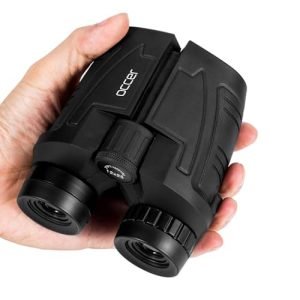
Are you passionate about studying insects up close? If so, you might wonder if close-focus binoculars are the right tool for your entomology adventures.
Choosing the right equipment can make a huge difference in how clearly you see tiny details and how comfortable your observations are. You’ll discover whether close-focus binoculars can truly enhance your insect-watching experience and help you capture every fascinating detail.
Keep reading to find out how to get the most out of your time in the field!
Close-focus Binoculars Basics
Close-focus binoculars help you see objects that are very near. They are useful for looking at small things up close.
These binoculars are popular among people who study insects and other tiny creatures. They let you watch details without touching the subject.
What Close-focus Means
Close-focus means how near the binoculars can focus clearly. Normal binoculars focus at longer distances. Close-focus binoculars focus much closer.
This feature lets you see small creatures like insects in fine detail. You do not need to be far away to get a sharp view.
Typical Focus Distances
Close-focus binoculars usually focus between 2 to 6 feet. Some models focus as close as 1.5 feet. Standard binoculars focus at 10 feet or more.
- Standard binoculars: 10 feet or more
- Close-focus binoculars: 2 to 6 feet
- Best close-focus models: about 1.5 feet

Credit: www.universetoday.com
Entomology Needs For Observation
Entomology requires careful observation of insects in their natural state. Good tools help scientists see details clearly.
Close-focus binoculars might be useful, but they must meet specific needs for insect study. Let’s explore these needs.
Key Features For Insect Study
Binoculars used in entomology should offer clear close-up views and easy handling. Bright images and sharp focus are important.
- Close focusing distance to see small insects clearly
- High magnification with good image stability
- Wide field of view to track moving insects
- Lightweight design for long field use
- Weather-resistant to handle outdoor conditions
Challenges In Close-up Viewing
Viewing insects up close with binoculars can be tricky. The image may blur or become hard to focus on.
| Challenge | Effect | Solution |
| Short working distance | Hard to get close without disturbing insects | Use binoculars with very close focus |
| Image shake | Magnified movement causes blur | Choose binoculars with image stabilization |
| Narrow field of view | Hard to track fast-moving insects | Select wide-angle optics |
| Low light | Details are lost in dim conditions | Pick binoculars with large objective lenses |
Advantages Of Close-focus Binoculars
Close-focus binoculars are great tools for entomologists. They allow users to see insects up close without losing clarity.
These binoculars help observe small details while moving through fields or forests. They improve the overall experience of studying insects.
Enhanced Detail Visibility
Close-focus binoculars let you see tiny insect features clearly. You can spot colors, patterns, and textures easily.
This detailed view helps in identifying insect species correctly. It also aids in studying their behavior without disturbing them.
Improved Field Mobility
These binoculars allow quick switching between close and distant views. You can move faster while tracking insects in nature.
They reduce the need to carry extra magnifying tools. This makes fieldwork lighter and more comfortable for entomologists.
Limitations And Drawbacks
Close-focus binoculars are popular for entomology because they let you see insects up close. Still, they come with some limits that affect their use.
This section looks at two main drawbacks: image quality concerns and limited magnification options.
Image Quality Concerns
Close-focus binoculars often have lower image quality near their minimum focus distance. The image may look blurry or dim, which makes it hard to see small details on insects.
- Edges of the view may appear blurry
- Colors might not be as sharp or vibrant
- Brightness can decrease at very close range
- Some models may have distortion near the edges
Limited Magnification Options
Close-focus binoculars usually offer a narrow range of magnification. This restricts how much you can zoom in on insects.
| Magnification Level | Common Range | Effect on Use |
| Low (6x – 8x) | Common | Wide field of view, less detail |
| Medium (10x – 12x) | Less common | Better detail but less brightness |
| High (15x and above) | Rare | Harder to keep steady, narrow view |
Comparison With Other Tools
Close-focus binoculars are one option for viewing small insects. They let you see details without touching the bugs.
Other tools like macro lenses, cameras, magnifying glasses, and microscopes also help in entomology. Each tool has its own strengths and limits.
Macro Lenses And Cameras
Macro lenses on cameras let you take close-up pictures of insects. These photos can show fine details clearly.
Cameras with macro lenses are good for documenting insects. You can save images and study them later.
- Allow detailed photos of insects
- Useful for sharing and records
- Require some skill to use well
- Cannot provide live 3D views like binoculars
Magnifying Glasses And Microscopes
Magnifying glasses are simple tools to see small insects up close. They are easy to carry and use.
Microscopes offer much higher magnification. They reveal tiny details not visible with binoculars or magnifying glasses.
- Magnifying glasses are portable and quick
- Microscopes need a stable setup and power
- Microscopes show very small structures clearly
- Neither tool shows a wide view like binoculars
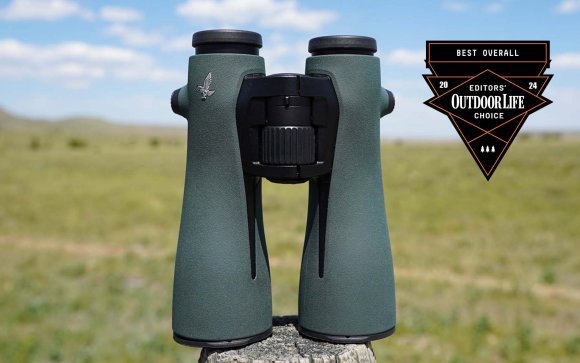
Credit: www.outdoorlife.com
Expert Recommendations
Close-focus binoculars can help entomologists see insects clearly at short distances. Choosing the right pair improves fieldwork and study accuracy.
This guide offers expert advice on selecting binoculars and useful equipment tips for entomology.
Selecting The Right Binoculars
Look for binoculars with a close focus distance of less than 3 meters. This allows you to observe small insects without scaring them away.
- Choose magnification between 6x and 10x for clear detail without too much shake.
- Pick a wide field of view to easily locate moving insects.
- Use binoculars with good light transmission for early morning or shaded areas.
- Find models with adjustable eyecups for comfort during long observations.
Complementary Equipment Tips
Entomologists should carry gear that helps with insect study along with their binoculars. A few tools improve data collection and protection.
| Equipment | Purpose |
| Insect net | Catch insects gently for closer inspection |
| Field notebook | Record observations and sketches |
| Hand lens | View fine details not visible with binoculars |
| Protective gloves | Handle insects safely |
| Portable light | Illuminate subjects in low light |
Practical Tips For Field Use
Close-focus binoculars are useful tools for entomologists in the field. They help observe small insects without disturbing them.
Using these binoculars correctly improves your viewing experience. Here are some practical tips for their use.
Positioning And Handling
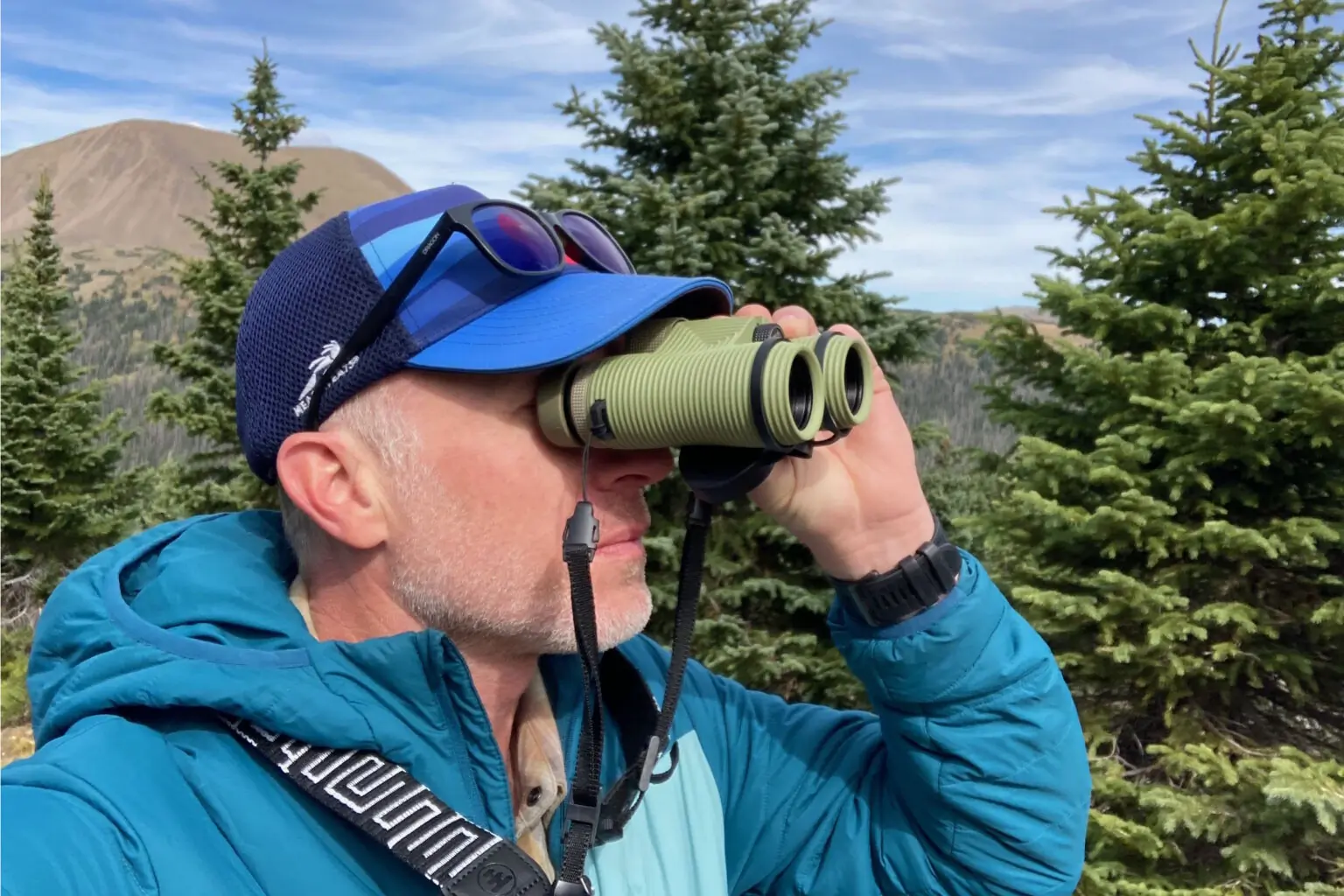
Hold the binoculars steady to get a clear view of insects. Use both hands and keep your elbows close to your body.
Bring the binoculars close to your eyes. Adjust the focus gently to avoid losing sight of small details.
- Stand or sit in a stable position
- Use a neck strap to prevent drops
- Adjust the interpupillary distance for comfort
- Take slow, careful movements to avoid startling insects
Maintenance For Optimal Performance
Keep your binoculars clean and dry to maintain image quality. Dust and moisture can damage lenses and mechanics.
Store the binoculars in a protective case after use. Regularly check and clean the lenses with a soft cloth.
- Use a lens brush or air blower for dust
- Clean lenses with a microfiber cloth and lens cleaner
- Avoid touching lenses with fingers
- Store in a cool, dry place
Credit: gearjunkie.com
Frequently Asked Questions
What Are Close-focus Binoculars?
Close-focus binoculars are designed to focus on objects at very short distances. They allow detailed observation of small subjects. This feature is particularly useful in entomology for observing insects without disturbing them. Their ability to focus closely makes them a valuable tool for researchers and nature enthusiasts.
Why Use Close-focus Binoculars For Entomology?
Close-focus binoculars allow detailed observation of insects at close range. They provide clear, magnified views without disturbing the subject. This is crucial for entomologists studying insect behavior and characteristics. Their portability makes them convenient for fieldwork, enhancing research quality and enjoyment.
How Do Close-focus Binoculars Work?
Close-focus binoculars use specialized lenses to focus on nearby objects. This allows users to see small details clearly. They are equipped with adjustable focus mechanisms. This feature ensures sharp images at close distances, making them ideal for entomology and other detailed observational tasks.
Are Close-focus Binoculars Portable?
Yes, close-focus binoculars are typically lightweight and compact. This makes them easy to carry during fieldwork or hikes. Their portability is a significant advantage for entomologists. It allows them to observe insects in various environments without the burden of heavy equipment.
Conclusion
Close-focus binoculars offer clear, detailed views of small insects. They help entomologists observe tiny features without disturbing the subject. These binoculars improve fieldwork by making insects easier to study. Their lightweight design also supports long hours outdoors. Choosing the right binoculars depends on your specific needs.
For detailed insect observation, close-focus models work well. They bring nature closer and enhance learning. Consider them a useful tool for entomology enthusiasts and researchers alike.