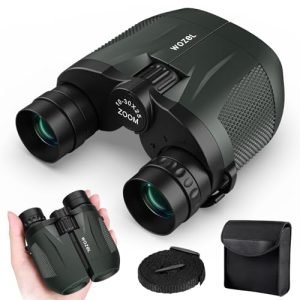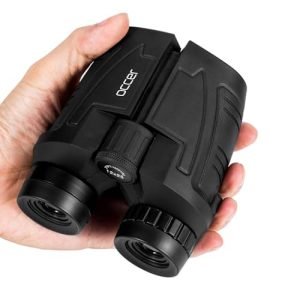
Have you ever wondered what makes armored tactical binoculars tough enough to withstand harsh impacts? If you rely on binoculars in rugged environments, you know how easily delicate gear can break.
But these special binoculars are built differently. They protect your vision tools from drops, bumps, and rough handling, so you can focus on what matters without worry. Keep reading to discover the smart design secrets that keep your binoculars safe and ready for action—no matter what challenges come your way.

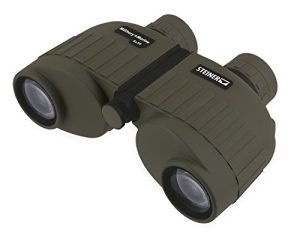
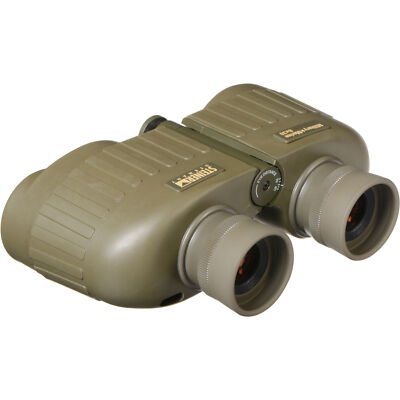
Credit: www.bhphotovideo.com
Design Features For Impact Resistance
Armored tactical binoculars need to handle tough conditions. They resist impacts using smart design features. These features protect the binoculars from damage.
Understanding how these parts work can help you pick the right binoculars for rough use. The main parts that improve impact resistance include the outer shell, internal materials, and lens coatings.
Reinforced Outer Shells
The outer shell is the first defense against shocks and drops. It is made from strong materials that absorb and spread out force. This lowers the risk of cracks or breaks.
- High-grade plastics or metals form the outer casing
- Textured surfaces help grip and reduce slipping
- Rubber edges cushion impacts on corners
- Sealed designs keep dust and water out
Shock-absorbing Materials
Inside the binoculars, shock-absorbing materials protect delicate parts. They soften the effects of sudden impacts. These materials keep the lenses and internal mechanics safe.
| Material | Function |
| Foam Padding | Absorbs shocks and vibrations |
| Silicone Inserts | Provides flexible cushioning |
| Rubber Gaskets | Protects seals and joints |
Protective Lens Coatings
Lens coatings add a strong layer that guards against scratches and impacts. These coatings keep the view clear and the lenses intact. They also reduce glare and improve image quality.
- Hard coating to resist scratches
- Anti-reflective layers for better vision
- Water-repellent surface to avoid damage from moisture
Materials Used In Armored Binoculars
Armored tactical binoculars are built to handle rough use and impacts. The materials used help protect the device inside.
These materials add strength, absorb shocks, and prevent damage from drops or hits.
High-strength Polymers
High-strength polymers are plastics that resist breaking under pressure. They are lightweight but very tough.
These polymers form the outer shell of binoculars, offering a first line of defense against impacts.
Metal Alloys
Metal alloys provide solid structural support inside armored binoculars. They keep the lenses and prisms steady.
| Alloy Type | Properties | Role in Binoculars |
| Aluminum | Lightweight, corrosion-resistant | Frame construction |
| Magnesium | Stronger than aluminum, light | Internal supports and housing |
| Steel | Very strong, heavier | Reinforcement parts |
Rubberized Armor
Rubberized armor covers the binoculars to absorb shocks and prevent slips. It cushions impacts and protects from scratches.
- Improves grip in wet or cold conditions
- Softens drops and knocks
- Protects against dust and debris
Internal Structural Enhancements
Armored tactical binoculars use strong internal structures to resist impact. These enhancements protect the delicate parts inside the binoculars. They help the binoculars stay reliable during tough conditions.
Several key design features improve impact resistance. These features keep the lenses, prisms, and other parts safe from shocks and drops.
Cushioned Lens Mounts
Cushioned lens mounts hold the lenses firmly but gently. They use soft materials to absorb shocks. This prevents the lenses from cracking or shifting.
These mounts reduce stress on the glass during impacts. They also keep the lenses aligned for clear vision.
- Soft rubber or foam padding surrounds the lenses
- Pads absorb and spread out impact forces
- Mounts keep lenses stable without tight pressure
Secure Prism Housing
Prisms inside binoculars reflect light and need protection. Secure prism housing holds prisms tightly to stop movement. This keeps the view clear after shocks.
The housing is made from strong materials. It locks the prisms in place and prevents damage from drops or hits.
- Rigid frames hold prisms firmly
- Shock-absorbing materials line the housing
- Design limits prism movement during impact
Stabilized Optical Components
Optical components need to stay aligned for clear images. Stabilized components have special mounts and connectors. These prevent shifting inside the binoculars.
Stabilization helps maintain focus and image quality after shocks. It also increases the binoculars’ lifespan.
- Flexible connectors absorb vibrations
- Locking mounts keep lenses and prisms aligned
- Internal braces reduce component movement

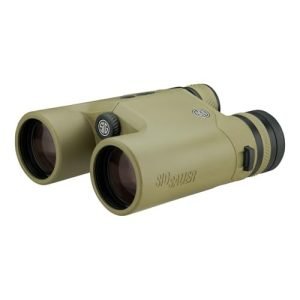
Credit: www.indiatelescopeshop.com
Testing Standards And Durability
Armored tactical binoculars are built to handle rough use. They must resist impacts and stay reliable.
This durability comes from strict testing and strong materials. We will explore how these binoculars resist impact.
Impact Resistance Tests
Manufacturers test binoculars by dropping them from certain heights. They check if lenses and housings break or crack.
They also use shock machines that hit the binoculars repeatedly. This simulates real shocks in the field.
- Drop tests from 1 to 2 meters
- Shock impact with repeated hits
- Pressure tests on the casing
- Scratch resistance on lenses
Military-grade Certifications
Many armored binoculars meet military standards like MIL-STD-810. These rules set strict durability requirements.
These standards test temperature, shock, vibration, and water resistance. Meeting them means the binoculars work in tough conditions.
- MIL-STD-810 for shock and drop resistance
- IPX ratings for water and dust proofing
- Lens coatings to prevent scratches and glare
Field Performance Reviews
Users report how binoculars perform in real outdoor and combat conditions. These reviews show actual impact resistance.
Many users say armored binoculars survive falls, bumps, and rough handling. They stay clear and functional after impact.
- Withstand drops without cracks
- Keep lenses clear after scratches
- Maintain focus after shocks
- Resist water and dust in the field
Benefits Of Impact-resistant Binoculars
Armored tactical binoculars are built to handle rough use. They resist impacts to protect the lenses and internal parts.
This makes them useful for outdoor activities in tough environments. Impact resistance brings many benefits to users.
Enhanced Longevity
Impact-resistant binoculars last longer than regular ones. The strong casing stops damage from drops and bumps.
This means you do not need to replace them often. The protection helps keep the binoculars working well over time.
Reliable Performance In Harsh Conditions
These binoculars work well in rain, dust, and cold. The armored build stops dirt and water from harming the lens or mechanics.
You can trust them to perform during outdoor missions or adventures. They keep clear vision even in tough weather.
- Waterproof seals prevent moisture entry
- Shock-absorbing materials protect internal parts
- Durable lenses resist scratches and cracks
User Safety And Confidence
The armored design protects your eyes from broken glass or sharp parts. This reduces the risk of injury if the binoculars fall.
Users feel more confident carrying binoculars in rough areas. They know the gear will hold up and stay safe during use.
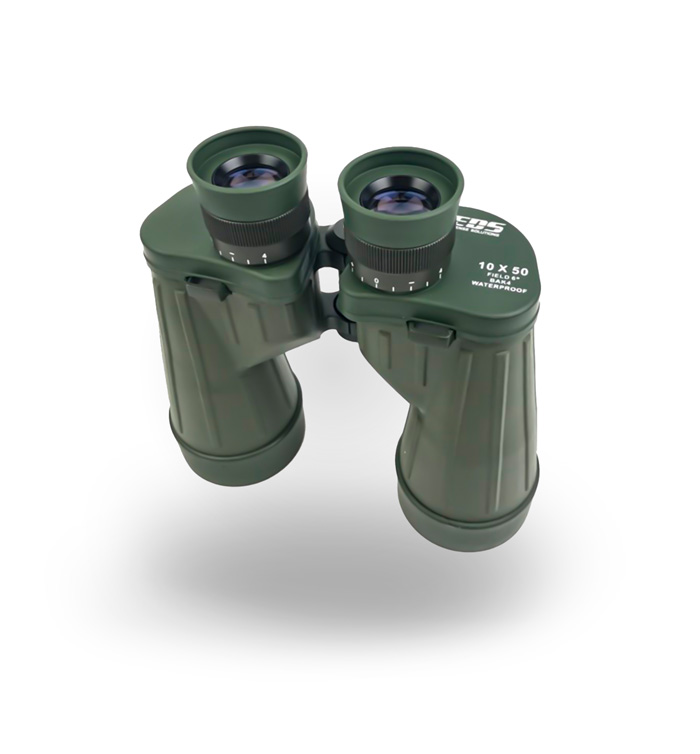
Credit: hedsusa.com
Frequently Asked Questions
How Do Armored Tactical Binoculars Protect Against Drops?
Armored tactical binoculars use shock-absorbent rubber coatings to protect against drops. This cushioning reduces impact force and prevents internal damage. The rugged design ensures durability in harsh environments, maintaining clear vision after accidental falls.
What Materials Make Tactical Binoculars Impact-resistant?
These binoculars often feature reinforced polycarbonate or aluminum bodies. Combined with rubber armor, these materials provide high resistance to shocks and impacts. This construction preserves optical alignment and extends the binoculars’ lifespan during tough outdoor use.
How Does Lens Protection Work In Armored Binoculars?
Armored binoculars include scratch-resistant coatings and recessed lens designs. These features shield lenses from scratches and direct impact. This protection maintains image clarity and prevents costly lens damage during rough handling.
Can Armored Binoculars Withstand Extreme Environmental Conditions?
Yes, they are built to resist water, dust, and temperature changes. Sealed O-rings and durable armor protect internal components. This ensures reliable performance and impact resistance in diverse tactical scenarios.
Conclusion
Armored tactical binoculars use strong materials to protect against shocks. Their tough outer shells absorb and spread the force of impacts. Special lenses resist scratches and cracks during rough use. Rubber coatings add extra grip and cushion against drops. These features help binoculars last longer in harsh environments.
They stay clear and reliable when you need them most. Choosing quality binoculars means better protection for your gear. Durable design ensures they work even after heavy impacts. Safety and performance go hand in hand with armored binoculars.