Have you ever been in the middle of a critical mission or intense training session, only to have your vision blocked by fogged-up lenses? It’s frustrating, dangerous, and can cost you precious seconds.
If you rely on tactical gear, you know how important clear sight is for your performance and safety. But how can you stop your lenses from fogging up when the heat and sweat start to build? Keep reading, because this guide will show you simple, proven ways to keep your lenses clear and your focus sharp—no matter the conditions.
Don’t let fog hold you back. Your next move depends on it.

Credit: www.reddit.com
Causes Of Lens Fogging
Lens fogging happens when moisture builds up on the lens surface. This moisture makes it hard to see clearly. Understanding what causes fogging helps prevent it during tactical use.
Different factors like temperature, humidity, and body moisture affect fogging. Each one plays a role in how lenses fog up in real situations.
Temperature Differences
When lenses move from cold to warm places, fog forms quickly. Warm air holds more moisture, which condenses on the cold lens surface. This causes a blurry layer of fog.
For example, going indoors after being outside in cold weather often causes fogging. The temperature change creates moisture on the lens.
Humidity Effects
High humidity means more water vapor in the air. This extra moisture can settle on lenses and cause fogging. It is common in rainy or damp environments.
- Humidity adds moisture to the air
- Moisture sticks to the lens surface
- Fog forms as moisture condenses
- Low humidity reduces fog risk
Breath And Sweat Impact
Breathing and sweating add moisture near the face. Warm, moist air from breath hits the lens and creates fog. Sweat can also drip onto the lens and cause smudges or fog spots.
| Source | Effect on Lens |
|---|---|
| Breath | Warm moisture fogs lenses quickly |
| Sweat | Drips cause smudges and fog spots |
| Face Heat | Raises lens temperature, affecting condensation |
Credit: rx-safety.com
Choosing The Right Lenses
Lens fogging can block your vision during tactical tasks. Choosing the right lenses helps keep your view clear.
Good lenses reduce fog and improve safety in tough conditions.
Anti-fog Coatings
Anti-fog coatings stop moisture from building on the lens surface. They keep your lenses clear in cold or humid places.
These coatings work by spreading water droplets into a thin layer. This stops the fog from forming thick drops that block your view.
- Look for lenses with permanent anti-fog coatings
- Some coatings need gentle cleaning to last longer
- Replace lenses if coating wears off
Lens Materials
Lens material affects fogging and durability. Polycarbonate lenses resist impact and fog less than glass.
Some plastic lenses have better breathability. This helps air flow and reduces fog inside the glasses.
- Polycarbonate is light and strong
- Trivex lenses offer clarity and fog resistance
- Glass is clear but fogs faster and is heavier
Ventilated Frames
Frames with vents allow air to flow around lenses. This airflow helps stop warm air from fogging the glass.
Good ventilation works with anti-fog lenses to keep your vision clear in action.
- Choose frames with top and side vents
- Open vents improve air circulation
- Check that vents do not reduce eye protection
Pre-use Preparation
Lens fogging can reduce visibility during tactical operations. Preparing your lenses before use helps keep them clear. Simple steps improve your vision and safety.
Focus on cleaning, applying anti-fog solutions, and storing lenses properly. These habits reduce fog and extend lens life.
Cleaning Techniques
Clean lenses gently to avoid scratches that cause fog. Use soft cloths and mild cleaners designed for optics.
- Rinse lenses with clean water to remove dust
- Apply a small amount of lens cleaner or mild soap
- Use a microfiber cloth to wipe in circular motions
- Avoid paper towels or rough fabrics that scratch
- Let lenses air dry before handling further
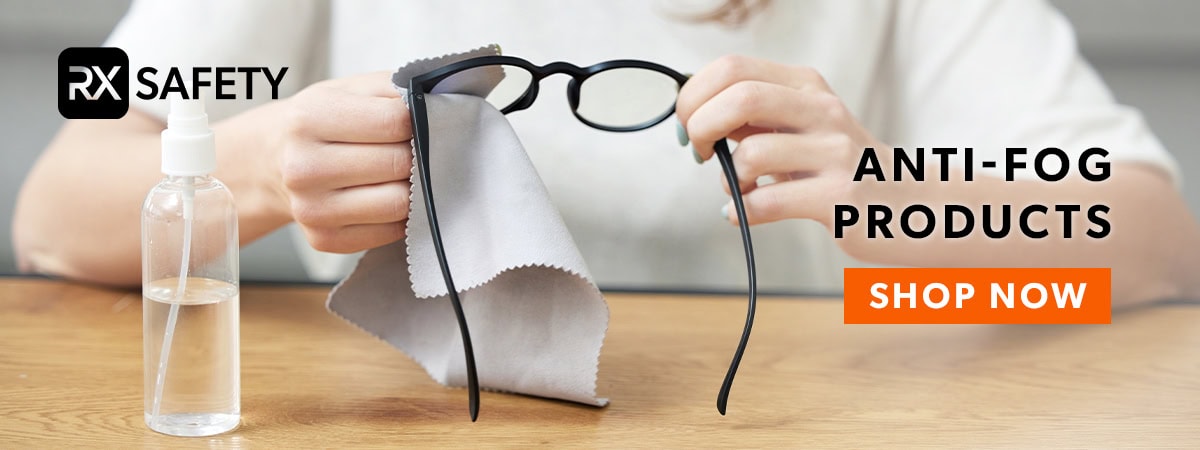
Applying Anti-fog Solutions
Anti-fog treatments create a thin layer that stops moisture buildup. Apply these products carefully for best results.
| Type | Application Method | Drying Time |
| Spray | Spray evenly on lens surface, then wipe gently | 1-2 minutes |
| Gel | Apply a thin layer with a clean cloth, let set | 3-5 minutes |
| Wipe | Use pre-treated wipe to cover lens fully | Instant |
Proper Storage
Store your lenses in a clean, dry place to prevent fog and damage. Proper storage keeps lenses ready for use.
- Use a protective case to avoid scratches
- Keep lenses away from heat and direct sunlight
- Store in a low-humidity environment
- Ensure lenses are dry before storing
- Check and clean storage cases regularly
In-field Practices
Lens fogging can block your view during tactical missions. It is important to use smart practices to keep lenses clear. These tips help you stay focused and safe.
Simple changes in how you breathe and adjust your gear reduce fogging. Using extra ventilation also helps keep your lenses clear for better vision.
Managing Breath Direction
Breath can cause warm air to hit your lenses and fog them up. Directing your breath downward or away from your face helps prevent this.
Practice breathing through your nose and exhale down. This simple change keeps warm air from rising to your lenses.
- Keep your mouth closed when possible
- Exhale down or to the side
- Avoid heavy breathing near your lenses
Adjusting Fit And Position
A proper fit stops warm air from leaking inside your goggles or glasses. Adjust straps and position to seal gaps around your face.
Make sure your gear fits snug but not too tight. Check for spaces near your nose and cheeks where air can enter.
- Tighten straps evenly on both sides
- Position lenses close to your face
- Use foam inserts if gaps remain
Using Supplemental Ventilation
Extra airflow helps keep lenses clear by moving warm air away. Use vents or fans built into your gear if available.
If your equipment lacks vents, create small openings to let air flow. This reduces moisture buildup and fogging.
- Open vents on goggles or masks
- Use small battery-powered fans if needed
- Avoid blocking airflow with other gear
Maintenance Tips For Longevity
Lens fogging can reduce vision and safety during tactical use. Proper maintenance keeps lenses clear and lasts longer.
Follow simple care steps to avoid fogging and protect your lenses from damage.
Regular Cleaning Routines
Clean your lenses often to remove dirt and oils. Use a soft cloth and mild cleaner made for lenses.
Avoid harsh chemicals and rough materials that can scratch or damage the lens surface.
- Use microfiber cloths for wiping
- Apply lens cleaner spray gently
- Rinse with water if heavily soiled
- Dry lenses completely before use
Reapplying Anti-fog Treatments
Anti-fog coatings wear off with time and use. Reapply treatments to keep lenses fog-free.
Choose an anti-fog product that matches your lens type. Follow the product instructions carefully.
- Clean lenses before applying treatment
- Apply thin, even layer of anti-fog solution
- Let lenses dry fully before use
- Repeat treatment as needed for best results
Inspecting For Damage
Check your lenses regularly for scratches, cracks, or other damage. Damaged lenses fog more easily.
Replace lenses if you find damage that affects visibility or safety during use.
- Look for scratches on both sides
- Check for cracks or chips around edges
- Ensure lens fits securely in frame
- Replace damaged lenses promptly

Credit: rx-safety.com
Alternative Solutions
Lens fogging can reduce visibility during tactical use. Finding ways to stop fogging helps keep vision clear and safe.
This section covers some alternative solutions to avoid lens fogging. These options include gear and airflow ideas.
Using Face Shields
Face shields create a barrier that helps block warm breath from reaching lenses. They reduce fog by directing airflow away.
Face shields work well with goggles or glasses. They add extra protection and keep lenses clearer for longer times.
Incorporating Fans Or Airflow Devices
Small fans or airflow devices help move air around the lenses. This movement stops moisture from building up on the glass.
- Battery-powered fans fit inside helmets or masks
- Fans create constant airflow to reduce fog
- Air vents on gear can improve natural airflow
Choosing Different Tactical Gear
Select gear made with materials that reduce heat and moisture buildup. Proper gear helps lenses stay clear during use.
Look for gear with these features:
- Breathable fabrics to lower sweat and heat
- Ventilated helmets or masks for better air flow
- Anti-fog coatings on lenses for extra protection
Frequently Asked Questions
How Can I Prevent Lens Fogging In Tactical Situations?
Use anti-fog sprays or wipes on your lenses before use. Ensure proper ventilation in your gear. Avoid sudden temperature changes to reduce fogging risks.
What Materials Help Reduce Tactical Lens Fogging?
Polycarbonate and anti-fog coated lenses are best. They resist moisture buildup and provide clear vision. Choose lenses with hydrophobic and anti-fog treatments for tactical use.
Does Lens Ventilation Improve Fogging Issues?
Yes, proper lens ventilation helps airflow and reduces moisture buildup. Tactical gear with vents prevents fogging by allowing heat and sweat to escape efficiently.
Can Using A Face Mask Cause Lens Fogging?
Yes, masks direct breath upward, causing fog on lenses. Use masks with a nose bridge or anti-fog tape to minimize this issue.
Conclusion
Keeping lenses clear is crucial for tactical success. Use anti-fog sprays regularly. Consider wearing a breathable mask. Choose gear with proper ventilation. Store equipment in dry areas. Avoid drastic temperature changes. Always check gear before missions. Practice these tips consistently.
Clear vision boosts performance. Stay prepared, stay safe.