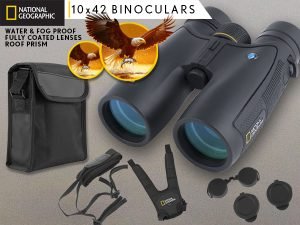
When safety and quick action matter most, having the right tools can make all the difference. If you’re wondering which binoculars civil defense units trust, you’re in the right place.
Choosing the right pair isn’t just about magnification or brand—it’s about reliability, clarity, and durability when every second counts. You’ll discover exactly what features experts look for and which models come highly recommended. Keep reading to find the binoculars that could become your most valuable ally in any emergency.
Criteria For Civil Defense Binoculars
Civil defense units need binoculars that perform well in tough situations. The right binoculars help them see clearly and act fast.
Several key features define the best binoculars for civil defense tasks. These features ensure reliability and clear vision in all conditions.
Durability And Build Quality
Binoculars must be strong to survive rough handling. Solid materials like rubber armor protect against drops and shocks. A sturdy frame prevents damage in harsh environments.
Optical Performance
Good optics deliver sharp and bright images. High-quality lenses reduce glare and improve clarity. Civil defense units look for binoculars with multi-coated lenses and good light transmission.
Weather Resistance
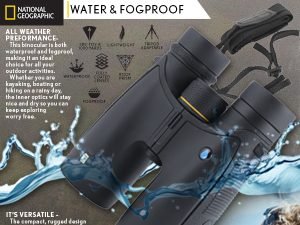
Binoculars should work well in rain, fog, and dust. Waterproof and fog-proof features keep lenses clear. Sealed O-rings protect internal parts from moisture and dirt.
- Waterproof body
- Fog proof with nitrogen or argon purging
- Dust resistant seals
- Anti-reflective coatings
Weight And Portability
Light binoculars are easier to carry during long missions. Compact designs fit well in bags and pockets. Civil defense teams prefer models that balance weight with durability.
Field Of View And Magnification
| Feature | Importance for Civil Defense |
| Field of View | Wide view helps spot threats faster |
| Magnification | 8x to 10x is ideal for clear details |
| Exit Pupil | Bright images in low light conditions |
| Focus Type | Easy and quick adjustments |
Top Binocular Models Recommended
Civil defense units rely on binoculars for clear and accurate vision. Choosing the right model is important for safety and efficiency. Different situations call for different types of binoculars.
This guide covers top binocular models recommended by experts. It helps you pick from high-end, mid-range, and budget-friendly options.
High-end Tactical Binoculars
High-end tactical binoculars offer excellent clarity and durability. They have advanced features like night vision and range finding. These binoculars suit tough environments and long missions.
- Strong waterproof and fog-proof build
- High magnification with wide field of view
- Built-in compass or rangefinder options
- Often used by special forces and rescue teams
Mid-range Versatile Options
Mid-range binoculars balance quality and price well. They work for many civil defense tasks. These binoculars provide good zoom and clear images.
- Good light transmission for day and dusk use
- Comfortable grip and adjustable focus
- Durable but lighter than high-end models
- Common for general observation and patrol
Budget-friendly Choices
Budget binoculars fit teams with limited funds. They offer decent performance for simple tasks. These models are easy to carry and operate.
- Basic magnification and focus features
- Lightweight and compact design
- Suitable for short-range viewing
- Good for training and backup use
Features That Matter Most
Civil defense units need binoculars that work well in tough situations. Choosing the right features helps teams perform better. Key features focus on clarity, speed, and ease of use.
This guide covers the main features that civil defense units look for in binoculars. Each feature plays a role in safety and efficiency during operations.
Night Vision Capabilities
Night vision lets users see clearly in low light or darkness. Civil defense teams often work at night, so this feature is vital. Binoculars with infrared or thermal imaging are common choices.
Good night vision binoculars help spot hazards and people from a distance. They improve safety during night missions and rescue operations.
Rangefinding And Reticle Options
Rangefinding measures the distance to an object. Reticles help aim or mark points in the view. Both features assist in quick decision making.
| Feature | Purpose | Benefit |
| Rangefinder | Measures distance | Helps plan approach |
| Mil-dot Reticle | Marks targets | Improves accuracy |
| Illuminated Reticle | Visible in low light | Easier aiming at night |
Image Stabilization
Image stabilization reduces shaking. It helps keep the view steady during movement. This is important in active situations or rough terrain.
- Reduces eye strain
- Improves target tracking
- Works well during fast movements
Ease Of Use In Emergencies
Binoculars must be quick and simple to operate. Controls should be easy to find and adjust. Lightweight models help users carry them for long hours.
- Large focus knobs for fast adjustments
- Simple buttons without complex menus
- Durable and weather-resistant build
- Comfortable grip for long use
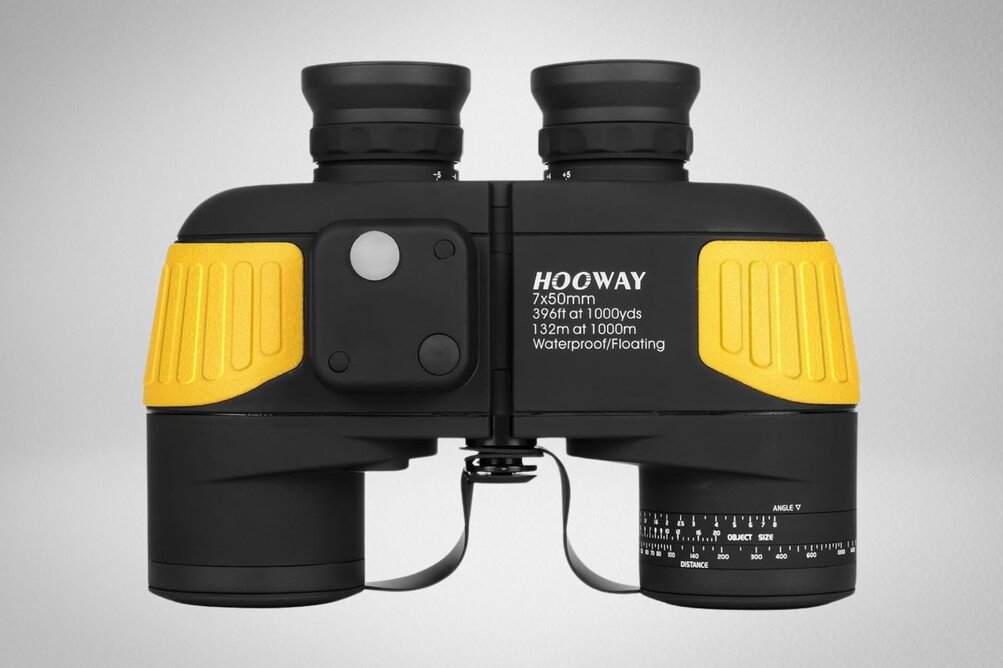
Credit: www.boatsailmag.com
How Civil Defense Units Test Binoculars
Civil defense units need binoculars that work well in tough situations. They test binoculars carefully before recommending them.
The testing focuses on real use, stress conditions, and feedback from users in training.
Field Testing Procedures
Units take binoculars into the field to check their performance. They look at clarity, zoom, and ease of use in different environments.
- Test in daylight and low light
- Check focus speed and sharpness
- Assess weight and comfort for long use
- Evaluate durability against dirt and water
Performance Under Stress
Binoculars must work under stress. Tests include exposure to harsh weather and rough handling.
| Stress Test | Purpose | Result Expected |
| Water Resistance | Check function in rain or wet conditions | No fogging or damage |
| Shock Test | Drop binoculars from 1 meter height | No cracks or loss of focus |
| Temperature Test | Use in cold and hot weather | Clear view and smooth operation |
User Feedback And Training
Feedback from users is key. Training sessions help identify practical problems and ease of use.
- Users report on comfort and handling
- Training shows how fast users adapt
- Comments on visibility in different conditions
- Suggestions for improvements are collected
Maintenance Tips For Longevity
Binoculars are valuable tools for civil defense units. Proper care helps them last longer and work better.
Regular maintenance keeps binoculars clear and ready for any situation. Learn key tips for cleaning, handling, and battery care.
Cleaning And Storage
Keep lenses clean and safe to get clear views. Store binoculars in a dry, dust-free place to avoid damage.
- Use a soft brush to remove dust from lenses.
- Clean lenses with a microfiber cloth and lens cleaner.
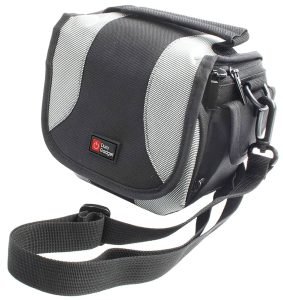
- Store binoculars in a padded case when not in use.
- Avoid leaving them in direct sunlight or damp areas.
Handling And Repairs
Handle binoculars carefully to prevent drops or knocks. Check for loose parts and fix small issues quickly.
| Issue | Action |
| Loose eyepiece | Tighten screws gently |
| Foggy lenses | Dry with cloth, check seals |
| Scratched lens | Use lens repair kit or replace |
| Stiff focus wheel | Apply small lubricant drops |
Battery Care For Electronic Models
Electronic binoculars need good battery care. Proper handling extends battery life and device function.
- Remove batteries if not used for a long time.
- Use fresh batteries recommended by the manufacturer.
- Store batteries in a cool, dry place.
- Clean battery contacts with a soft cloth.
- Replace old batteries promptly to avoid leakage.
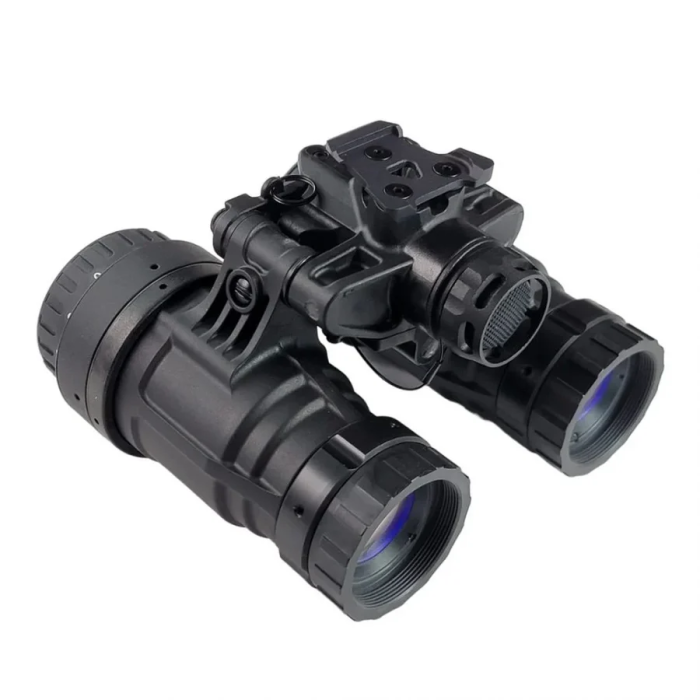
Credit: nightvisionguys.com
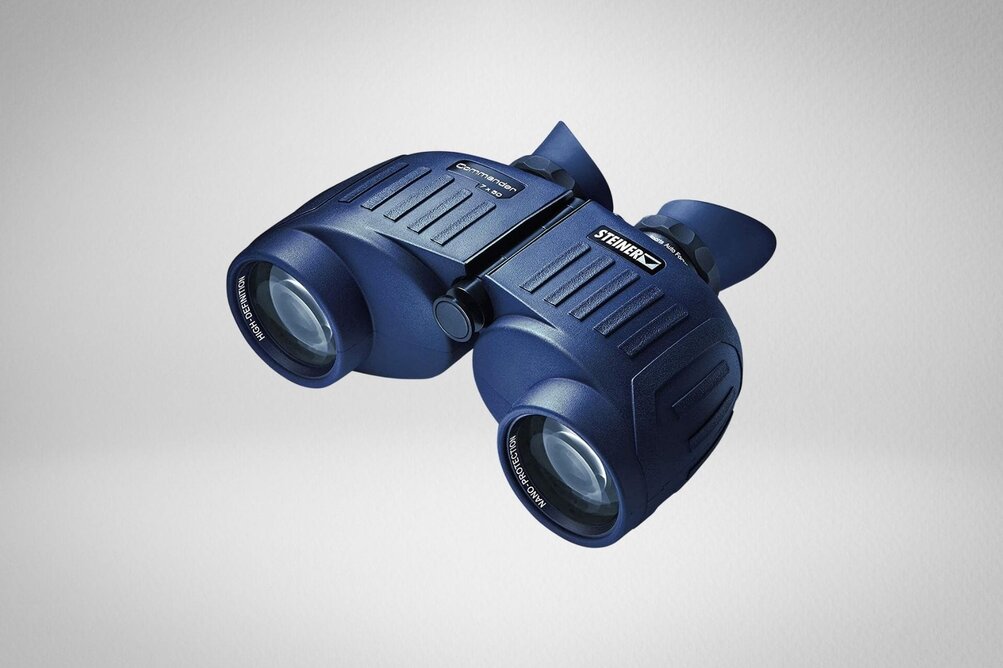
Credit: www.boatsailmag.com
Frequently Asked Questions
What Features Do Civil Defense Binoculars Have?
Civil defense binoculars often feature durable construction, weather resistance, and high magnification. They are designed for clarity and long-distance viewing. These binoculars usually have anti-glare coatings and rubberized grips for secure handling. They are essential for effective observation in various emergency scenarios.
Why Is Magnification Important For Civil Defense?
Magnification allows civil defense units to spot details from afar, crucial during emergencies. High magnification binoculars help in identifying potential threats and assessing situations accurately. This capability enhances situational awareness and decision-making, making them indispensable tools for civil defense operations.
Are Night Vision Binoculars Recommended?
Yes, night vision binoculars are recommended for civil defense units. They provide visibility in low-light conditions, which is vital during nighttime operations. These binoculars enhance safety and effectiveness by allowing units to monitor and respond to situations without relying on external light sources.
How Do Weather-resistant Binoculars Benefit?
Weather-resistant binoculars ensure reliable performance in harsh conditions. They resist moisture, dust, and extreme temperatures, maintaining clarity and functionality. This durability is crucial for civil defense units, as they often operate in unpredictable and challenging environments, requiring dependable equipment.
Conclusion
Choosing the right binoculars can boost your safety and awareness. Civil defense units pick models with clear lenses and strong build. They focus on ease of use and reliable performance. These binoculars help spot danger from far away. Remember, good optics make a real difference in emergencies.
Always check for durability and good vision quality. Your safety depends on smart gear choices. Stay prepared with binoculars trusted by experts.