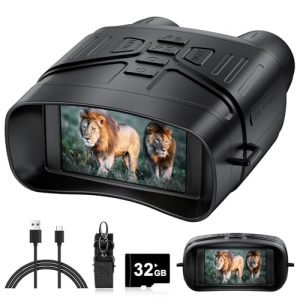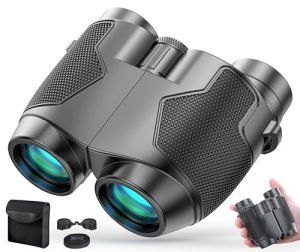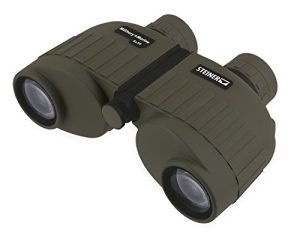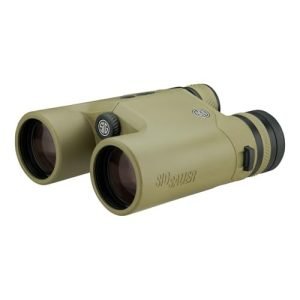
When every second counts in a search and rescue mission, having the right tools can make all the difference. You might wonder how thermal binoculars can boost your chances of finding someone lost or in danger.
These powerful devices don’t just let you see—they reveal hidden heat signatures that your eyes can’t detect. Imagine spotting a person hiding in dense forest or a climber trapped in the snow, even in total darkness or thick fog. If you want to understand how thermal binoculars can transform your search and rescue efforts, keep reading.
This knowledge could be the key to saving lives when it matters most.
Thermal Binoculars Basics
Thermal binoculars help rescuers see heat from people and animals. They work well in dark or smoky places.
These tools make search and rescue easier by showing heat patterns that the eye cannot see.
How Thermal Imaging Works
Thermal imaging detects heat given off by objects and living things. It uses special sensors to capture this heat.
The sensors change heat into an image that shows warm areas in bright colors or shades. Cold areas appear darker.
Key Features Of Thermal Binoculars
Thermal binoculars have features that help rescuers find missing people fast and safely.
- Long detection range to see heat from far away
- Clear image quality for easy identification
- Lightweight design for easy carrying
- Water and fog resistance for tough conditions
- Battery life that lasts for long missions

Credit: www.usnighthawk.com
Advantages In Search And Rescue
Thermal binoculars are useful tools in search and rescue missions. They help rescuers find people in tough conditions.
These devices detect heat from bodies and objects. This makes searching faster and safer in many environments.
Enhanced Visibility In Darkness
Thermal binoculars allow rescuers to see clearly at night or in low light. They do not rely on visible light.
- Show heat signatures of people and animals
- Work well in complete darkness
- Help avoid hazards unseen by normal eyes
Detection Through Obstructions
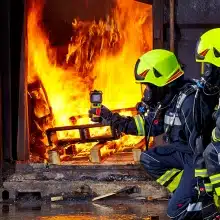
Thermal binoculars can detect heat through smoke, fog, or light brush. This helps locate people hiding or trapped.
| Obstruction Type | Detection Ability |
|---|---|
| Smoke | Can detect heat signatures clearly |
| Fog | Allows partial heat detection |
| Light Brush | Shows heat through thin vegetation |
Long-range Target Identification
These binoculars let rescuers spot heat sources from far away. This saves time and effort in large search areas.
- Identify people at long distances
- Distinguish between animals and humans
- Help plan safe and quick rescue routes
Applications In Rescue Missions
Thermal binoculars are useful tools in search and rescue missions. They help rescuers see heat signatures that the human eye cannot detect.
These devices improve the chances of finding people in difficult situations. They work well in different environments and conditions.
Locating Missing Persons
Thermal binoculars detect body heat from a distance. This helps rescuers find people lost in forests, mountains, or disaster areas.
- Spot warm bodies even if hidden by bushes or fog
- Detect movement through heat patterns
- Search large areas faster than with normal vision
- Work in daylight and darkness
Navigating Challenging Terrain
Thermal binoculars help rescuers avoid dangers like cliffs or water. They highlight warm objects and people in rough areas.
| Terrain Type | Thermal Binoculars Advantage |
| Forest | See through thick trees and bushes |
| Mountain | Spot heat signatures on rocky slopes |
| Waterways | Detect people in cold water or near shore |
Nighttime Search Operations
Thermal binoculars are key tools for night rescues. They do not rely on visible light to find heat sources.
Benefits during night searches include:
- Detecting people hiding or unconscious in the dark
- Reducing the need for bright lights that can scare or confuse victims
- Improving team coordination by clearly showing positions
- Saving time by quickly locating heat sources at night
Choosing The Right Thermal Binoculars
Thermal binoculars help rescuers find people in low visibility. Picking the right model is important for success.
Several features affect how well thermal binoculars work in search and rescue missions. This guide covers key points to consider.
Resolution And Image Quality
Clear images help identify people or animals quickly. Higher resolution offers better detail but costs more. Consider the screen size and refresh rate too.
- Choose at least 320×240 pixels resolution for clear images
- Look for a fast refresh rate to reduce blurring
- Check the screen size for comfortable viewing
Battery Life And Durability
| Feature | Why It Matters | Ideal Specification |
| Battery Life | Long missions need longer power | 8+ hours |
| Water Resistance | Protects in rain or wet conditions | IP67 or higher |
| Shockproof | Survives drops and rough use | Yes, rugged build |
Reliable power and strong build keep binoculars working in tough situations. Check for replaceable batteries and sturdy materials.
Portability And Ease Of Use
Lightweight and easy controls help users move fast. Comfort matters for long hours in the field.
- Look for models under 2 pounds
- Choose simple button layouts
- Consider adjustable straps or mounts
- Check if the device fits well in your hands
Training And Best Practices
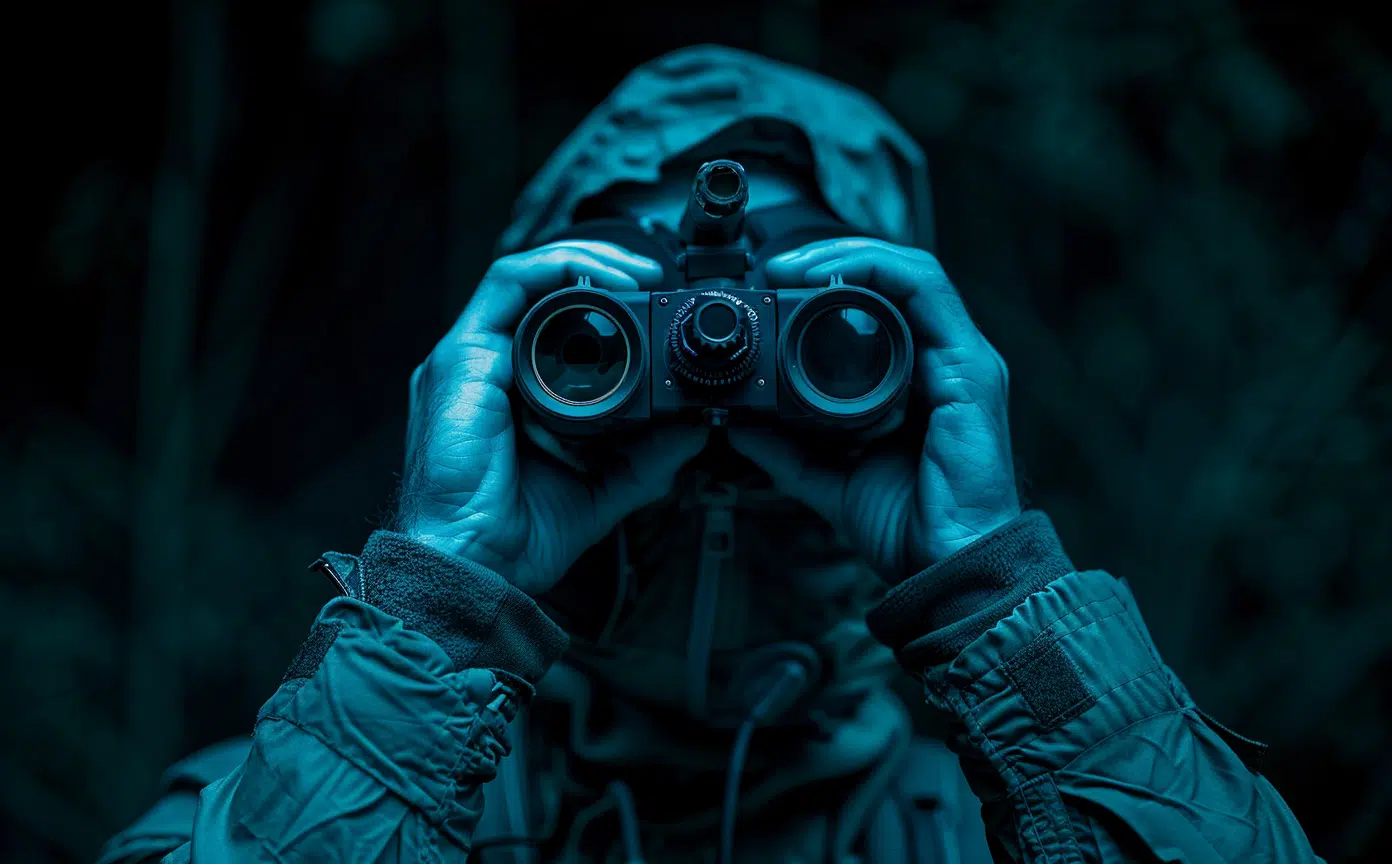
Thermal binoculars are important tools in search and rescue missions. Proper training helps users find missing people faster.
Following best practices keeps the equipment working well and improves search results.
Effective Scanning Techniques
Hold the binoculars steady and scan slowly across the area. Rapid movements can cause missed details.
Use a systematic pattern like a grid to cover the area fully. This helps avoid searching the same spot twice.
- Start scanning from one side and move to the other
- Pause briefly on each section to detect heat signatures
- Adjust focus to improve image clarity
- Use zoom only when needed to avoid shaking
Maintenance Tips For Reliability
Clean the lenses regularly with a soft cloth to avoid scratches. Dirt can reduce image quality.
Check batteries before each mission. Carry spares to prevent power loss during searches.
- Store binoculars in a dry, cool place
- Protect from strong impacts and drops
- Update device firmware as recommended
- Inspect for damage and get repairs quickly

Credit: www.usnighthawk.com
Credit: www.usnighthawk.com
Frequently Asked Questions
How Do Thermal Binoculars Improve Search Efficiency?
Thermal binoculars detect heat signatures, allowing rescuers to spot people quickly. They work well in low visibility like darkness or fog. This speeds up locating victims and reduces search time significantly.
Can Thermal Binoculars Detect Victims In Dense Forests?
Yes, thermal binoculars can detect body heat through light foliage. They help rescuers identify human presence even when visibility is blocked by trees or bushes. This makes searches in forests more effective.
Are Thermal Binoculars Useful In Night-time Rescues?
Absolutely, thermal binoculars excel in total darkness. They do not rely on visible light but detect infrared radiation emitted by warm objects. This capability is vital for night-time and low-light rescue operations.
What Makes Thermal Binoculars Better Than Regular Binoculars?
Thermal binoculars detect heat, not just visible images. Regular binoculars fail in darkness or smoke, while thermal devices reveal hidden heat sources. This advantage is crucial for finding people in challenging environments.
Conclusion
Thermal binoculars help rescue teams find people faster and safer. They work well in dark, fog, or tough weather. Rescuers can see heat from bodies even when it’s hard to spot. These tools improve search efforts and save lives. Using thermal binoculars gives teams a clear advantage.
They make searching easier and more effective. This technology supports quick decisions and better results. Rescue missions become safer for everyone involved.