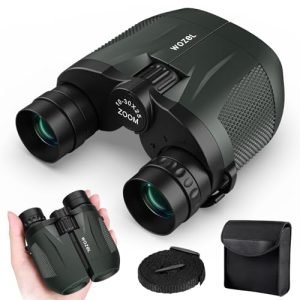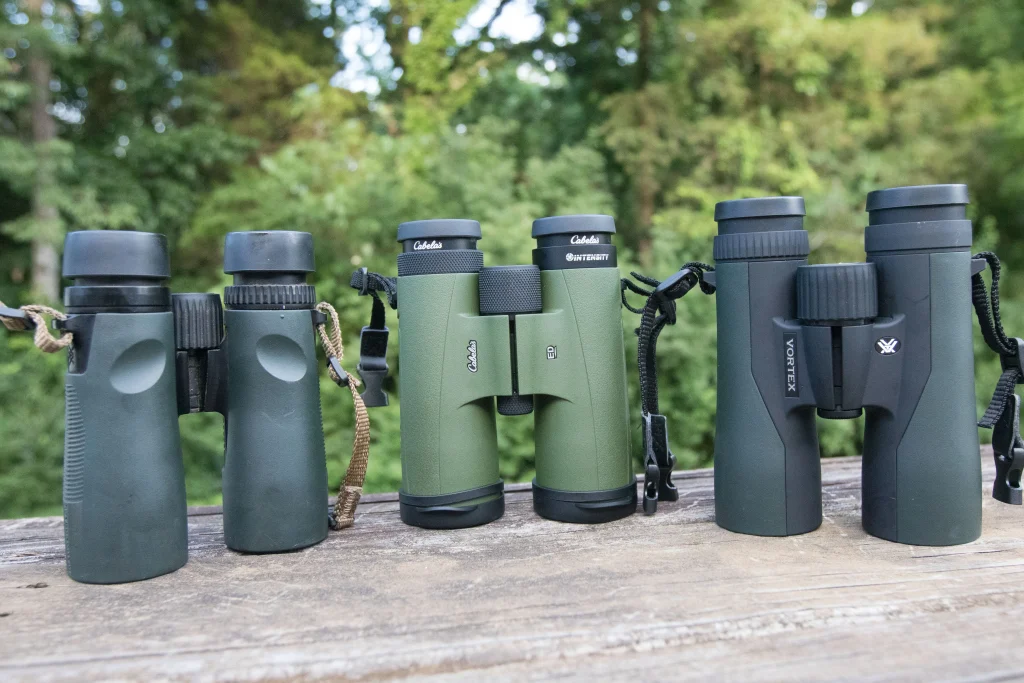
Have you ever wished you could see tiny details up close without switching to a microscope or special lens? If you love exploring nature or inspecting small objects, you might wonder if your close-focus binoculars can help you with macro viewing.
Imagine spotting the delicate wings of a butterfly or the intricate patterns on a leaf, all through your binoculars. But can close-focus binoculars really bring those tiny wonders into sharp view? Keep reading to discover how these handy tools work for macro viewing—and whether they’re the right choice for your close-up adventures.
Close-focus Binoculars Basics
Close-focus binoculars let you see objects up close. They are great for nature lovers and hobbyists.
These binoculars help view details that regular binoculars cannot show clearly at short distances.
What Close-focus Means
Close-focus means the shortest distance you can see an object clearly. It is much closer than usual binoculars allow.
- Standard binoculars focus at about 6 meters or more.
- Close-focus binoculars focus as near as 1 meter or less.
- This allows detailed viewing of small objects like flowers or insects.
Typical Close-focus Distances
Different models have different close-focus distances. Knowing these helps pick the right binoculars for your needs.
| Binocular Type | Close-Focus Distance |
| Standard Binoculars | 6 meters or more |
| Basic Close-Focus Binoculars | 2 to 3 meters |
| High-Quality Close-Focus Binoculars | Less than 1 meter |
Macro Viewing Essentials
Macro viewing lets you see tiny details clearly. It is useful for nature study and close-up observation.
Close-focus binoculars can help you see small objects near you. Their design lets you focus at short distances.
Key Features For Macro Viewing
Close-focus binoculars have special features that make macro viewing easier. These include a short minimum focus distance and wide field of view.
- Minimum focus distance below 2 meters
- High-quality optics for sharp images
- Good eye relief for comfort
- Wide field of view to see more area
- Durable and lightweight design
Magnification And Detail
Magnification helps you see small details closely. But too much magnification can make images shaky and dark.
| Magnification | Effect on Viewing |
| 4x to 8x | Clear, stable image for macro viewing |
| Above 10x | Harder to hold steady, less brightness |
| Below 4x | Less detail, wider view |
Choose binoculars with balanced magnification. This gives sharp detail and steady images for close objects.
Using Binoculars For Macro Viewing
Binoculars are usually for seeing things far away. Some binoculars can focus very close. This lets you see small objects up close. It is like doing macro viewing with binoculars.
Close-focus binoculars let you watch details of flowers, insects, and small items. They give a bigger view than a magnifying glass. But they work a bit differently than macro lenses.
Advantages Of Close-focus Binoculars
Close-focus binoculars let you see tiny things without touching them. They give a wide view to see the whole scene. You can watch live insects or plants without disturbing them. Binoculars also make both eyes work together for better depth.
- View small objects from a short distance
- Use both eyes for clearer depth perception
- Watch live insects or plants without harm
- Wide field of view shows more of the scene
Limitations And Challenges
Close-focus binoculars do not magnify as much as macro lenses. They may not show very tiny details clearly. Holding binoculars steady at close range can be hard. Lighting and focus can be tricky with small objects.
- Lower magnification than dedicated macro lenses
- Hard to keep binoculars steady close to objects
- Small details might be blurry or unclear
- Lighting can affect the view of tiny subjects
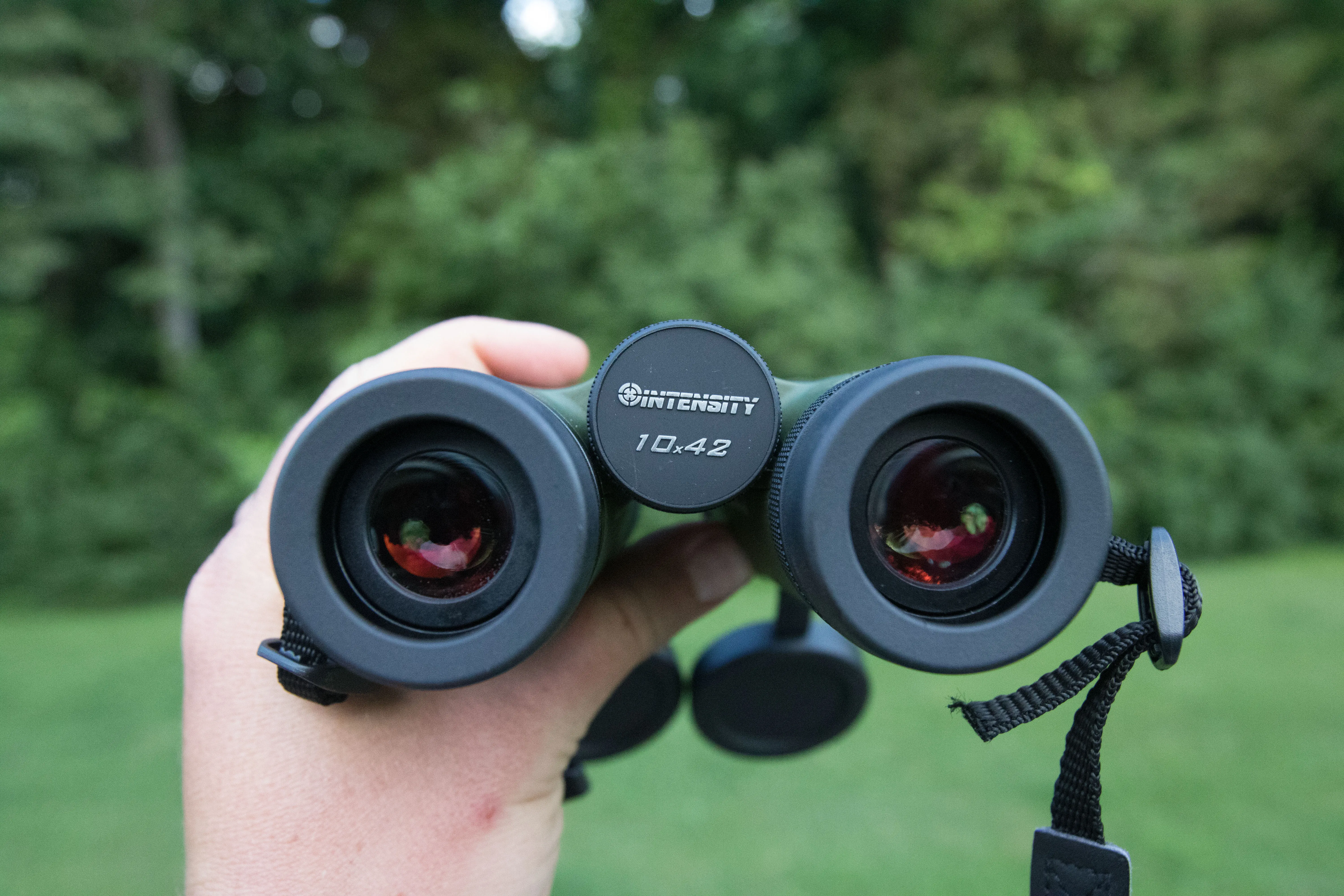
Credit: gearjunkie.com
Comparing Binoculars And Macro Lenses
Close-focus binoculars and macro lenses both help you see small details up close. They have different designs and uses. Understanding their differences helps you pick the right tool.
Binoculars are mainly for viewing distant objects with some close-focus ability. Macro lenses are made for very close photography with high detail.
Image Quality Differences
Macro lenses give sharp and clear images at very close distances. They capture tiny details and colors accurately. Close-focus binoculars have lower image quality for close subjects.
Binoculars can show close objects but may have less sharpness and some distortion. They are not designed for extreme close-up views like macro lenses.
- Macro lenses offer higher resolution and clarity
- Binoculars may show blur or soft edges up close
- Macro lenses handle colors and light better near objects
- Binoculars are better for medium to far distances
Ease Of Use In Close Range
Close-focus binoculars are easy to hold and view quickly. You can move around and scan objects fast. They work well for casual close viewing.
Macro lenses require a camera and steady hands or a tripod. Setting focus and lighting takes more time. They are better for planned close-up shots.
- Binoculars offer instant viewing with minimal setup
- Macro lenses need careful focus and camera control
- Binoculars are lighter and more portable
- Macro lenses are heavier but give detailed photos
Best Practices For Macro Viewing With Binoculars
Using binoculars for macro viewing can be tricky but rewarding. Close-focus binoculars help you see small details up close.
This guide covers how to improve focus and how to pick the right binoculars for macro viewing.
Techniques To Improve Focus
Getting sharp images at close range takes practice. Keep your binoculars steady and adjust the focus slowly.
- Hold binoculars with both hands for stability.
- Use a tripod if possible to reduce shaking.
- Adjust the focus wheel gently until the image is clear.
- Move your head slightly to find the best angle and distance.
- Practice on different objects to get used to close focusing.
Choosing The Right Model
Not all binoculars work well for macro viewing. Look for models with a short minimum focus distance.
| Feature | Why It Matters |
| Minimum Focus Distance | Shorter distance lets you see close objects clearly. |
| Magnification | Moderate power (around 8x to 10x) balances clarity and ease of use. |
| Objective Lens Size | Larger lenses gather more light for brighter images. |
| Weight | Lighter models are easier to hold steady for long periods. |

Credit: explore.omsystem.com
Alternative Tools For Macro Observation
Close-focus binoculars can help you see objects up close. Still, they may not show very small details clearly. You might want tools made specifically for macro viewing.
There are several options designed for detailed close-up observation. These tools can give better clarity and magnification than binoculars.
Macro Lenses And Cameras
Macro lenses attach to cameras to take detailed photos of tiny subjects. They let you focus very close to the object. This shows fine details clearly.
Using a camera with a macro lens lets you capture and study small things later. You can zoom in on the photos to see details that are hard to see with the naked eye.
- Macro lenses offer high magnification for small objects
- Digital cameras allow zooming after taking photos
- Good for studying insects, plants, and textures
Magnifying Glasses And Microscopes
Magnifying glasses are simple tools that enlarge small objects. They are easy to carry and use for quick observation. They work well for general close-up viewing.
Microscopes offer much stronger magnification than magnifying glasses. They let you see tiny details invisible to the naked eye. Microscopes are ideal for scientific study and detailed work.
- Magnifying glasses provide moderate magnification
- Microscopes show very small details clearly
- Microscopes require more setup and care
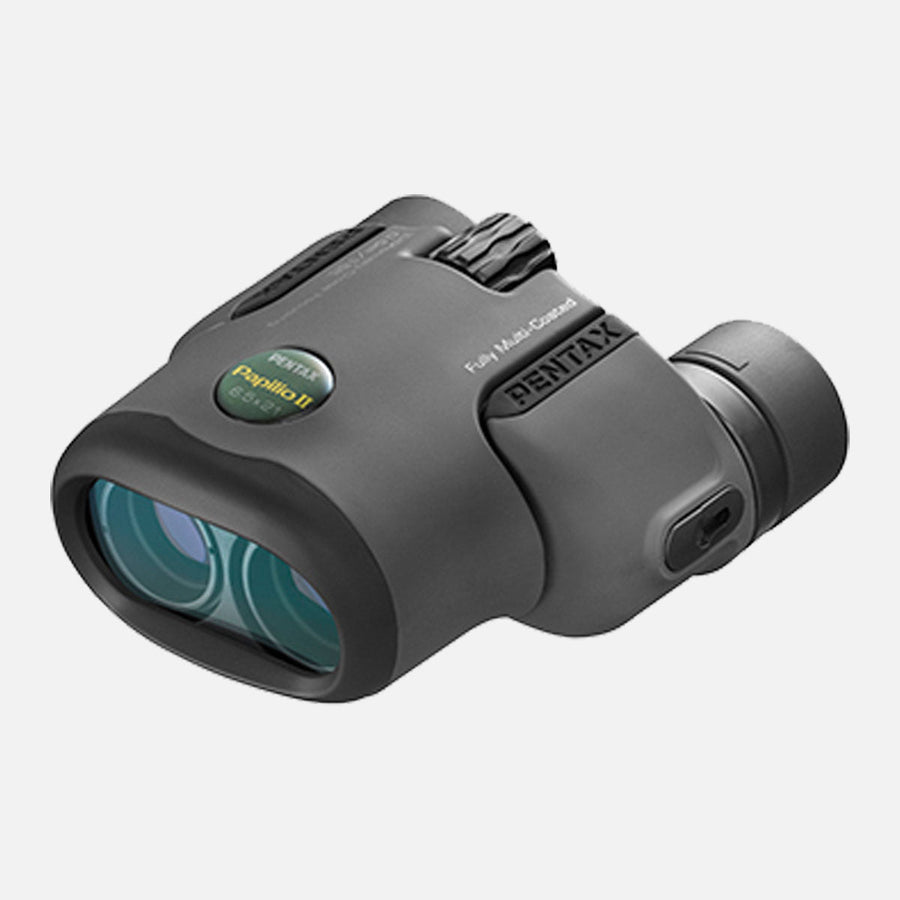
Credit: ricoh-imaging.eu
Frequently Asked Questions
Can Close-focus Binoculars Enhance Macro Viewing Quality?
Yes, close-focus binoculars allow detailed viewing of small objects at short distances. They offer magnification and clarity ideal for macro observation.
What Is The Ideal Focus Distance For Macro Binoculars?
Ideal close-focus binoculars focus as near as 3 to 5 feet. This range supports detailed viewing of insects, flowers, and small subjects.
Are Close-focus Binoculars Better Than Macro Lenses?
Close-focus binoculars provide hands-free, 3D viewing, unlike macro lenses. However, lenses offer higher magnification and image detail for photography purposes.
Can I Use Regular Binoculars For Macro Viewing?
Regular binoculars usually have longer minimum focus distances, making close-up details blurry. Close-focus models are better suited for macro viewing needs.
Conclusion
Close-focus binoculars offer a unique way to see small objects up close. They can show details not visible to the naked eye. Still, they are not the same as a true macro lens. For clear and sharp close-up views, specific macro tools work better.
Yet, these binoculars are handy for casual close viewing in nature. They bring tiny worlds closer, making exploring fun and easy. Choose the right tool based on your needs and budget. Close-focus binoculars can be a great start for macro viewing.