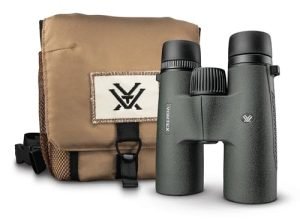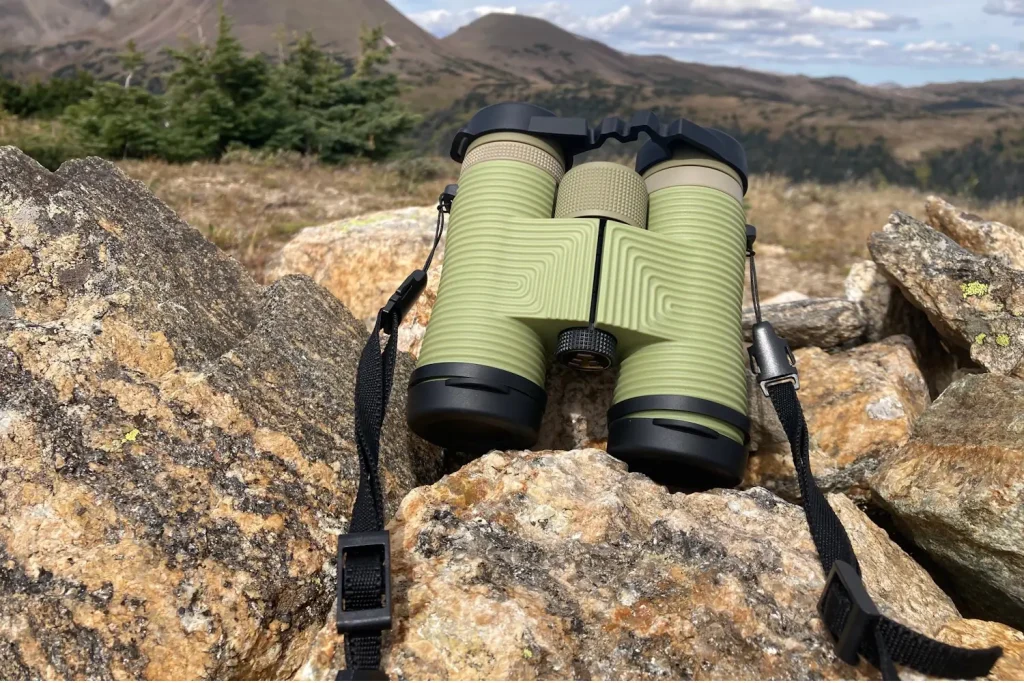
When you’re out in the mountains, every second counts—especially during a rescue mission. Having the right binoculars can make all the difference between spotting someone in need quickly or losing precious time.
But with so many options available, how do you know which binoculars are best for mountain rescue? You’ll discover exactly what features to look for and which models experts recommend. Keep reading to ensure you’re fully prepared for any emergency situation in the wild.

Credit: www.amazon.ca
Key Features For Mountain Rescue Binoculars
Mountain rescue requires reliable and effective binoculars. Choosing the right pair helps rescuers spot and identify details at long distances.
Several key features matter for binoculars used in harsh mountain conditions. These features improve performance, durability, and ease of use.
Magnification And Lens Size
Magnification shows how much closer objects appear. Lens size controls how much light enters the binoculars. A good balance is essential for clear, bright images.
For mountain rescue, binoculars usually have magnification between 8x and 10x. Lens size often ranges from 40mm to 50mm to keep the view bright in low light.
Durability And Weather Resistance
Mountain rescue binoculars must endure rough use and bad weather. Look for models that resist water, fog, and shocks. Rubber coatings add grip and protect against drops.
- Waterproof sealing to prevent water entry
- Fog-proof with nitrogen or argon gas filling
- Shockproof build to handle impacts
- Rubber armor for grip and extra protection
Weight And Portability
Lightweight binoculars reduce neck strain during long hours. Compact size allows easy carrying and quick access. Rescue workers often carry extra gear, so weight matters.
| Feature | Ideal Range |
| Weight | 500-800 grams |
| Size | Compact to medium |
| Carrying | Easy to strap or pack |
Field Of View And Focus Speed
A wide field of view helps spot targets quickly. Fast and smooth focus lets rescuers adjust clearly on moving or distant objects. Both features save crucial time.
Look for binoculars with a field of view above 300 feet at 1000 yards and a focus wheel that moves easily.
Optical Clarity And Coatings
Clear vision is vital for identifying details in mountain rescue. High-quality lenses and special coatings reduce glare and improve brightness.
| Coating Type | Benefit |
|---|---|
| Fully Multi-Coated | Maximizes light transmission |
| Phase Correction Coating | Improves image sharpness |
| Anti-Reflective Coating | Reduces glare |
| Hydrophobic Coating | Repels water and dirt |
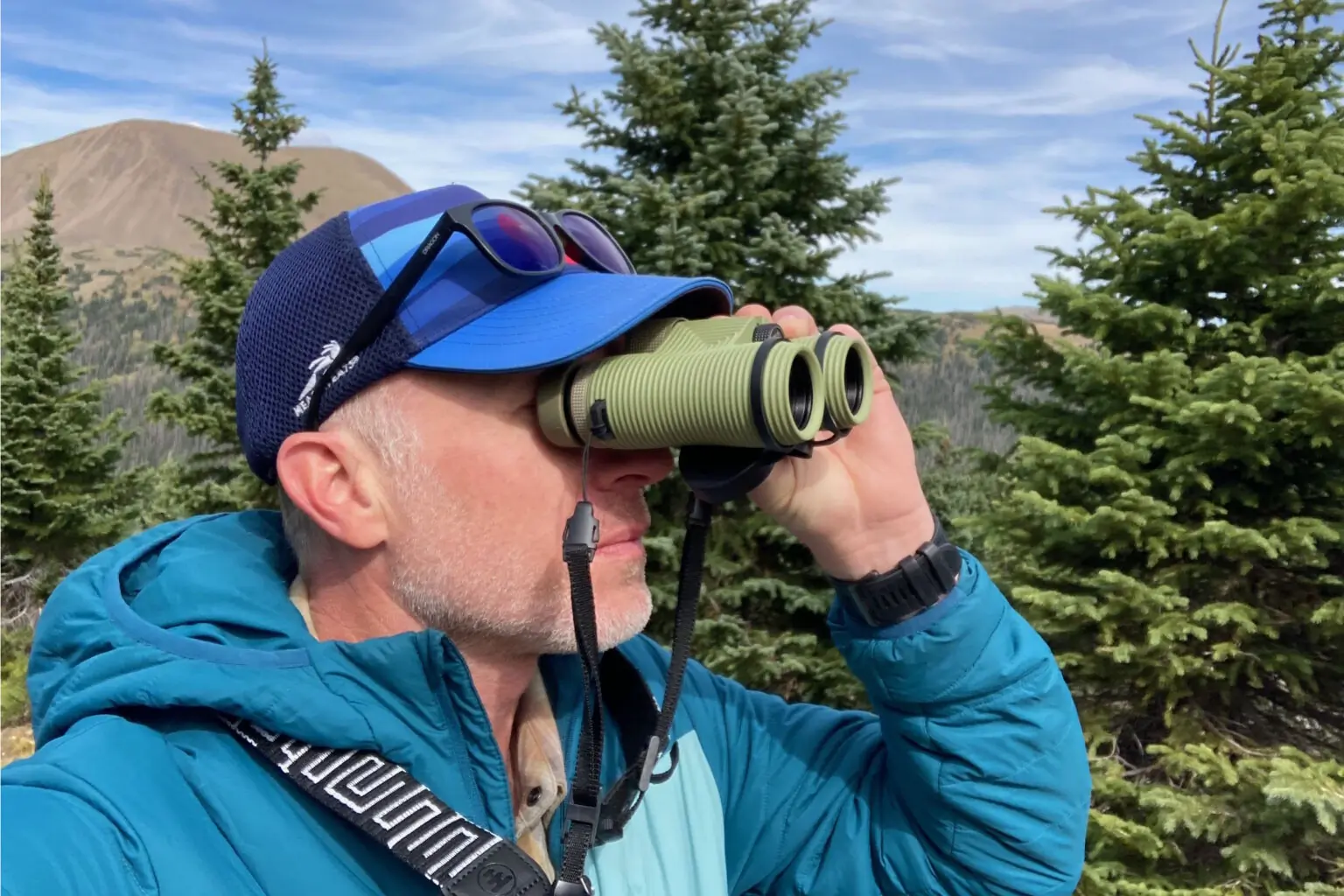
Credit: gearjunkie.com
Top Binocular Types For Rescue Operations
Binoculars are essential tools in mountain rescue. They help spot people and dangers from far away.
Choosing the right type improves vision and safety during rescue missions.
Roof Prism Binoculars
Roof prism binoculars have straight barrels. This makes them compact and easy to carry.
They offer sharp images and good durability. Their design is great for quick use in rough terrain.
Porro Prism Binoculars
Porro prism binoculars have a wider shape. This design gives a wider field of view.
They usually provide better depth perception. This helps rescuers judge distances clearly.
Waterproof And Fogproof Models
Mountain conditions can be wet and cold. Waterproof and fogproof binoculars resist water and fog inside.
These models keep vision clear in rain or snow. They are reliable in all weather during rescue work.
Expert-recommended Models
Binoculars are essential tools for mountain rescue teams. They help spot people and dangers from far away.
Choosing the right binoculars depends on the budget and the needs of the rescue team.
High-end Professional Picks
Professional rescuers need binoculars with excellent optics and durability. These models offer clear views even in tough weather.
- Swarovski EL 10×42: Bright image, sharp focus, waterproof design.
- Leica Ultravid 10×42 HD-Plus: High contrast and rugged build.
- Zeiss Victory SF 10×42: Wide field of view and easy handling.
Mid-range Options For Rescue Teams
Mid-range binoculars balance quality and price. They suit many rescue teams without heavy budgets.
- Nikon Monarch 5 10×42: Good clarity and weather resistance.
- Vortex Viper HD 10×42: Durable and clear image in low light.
- Celestron TrailSeeker 10×42: Lightweight with strong optics.
Budget-friendly Choices
Budget-friendly binoculars work well for occasional use or training. They offer decent quality at low prices.
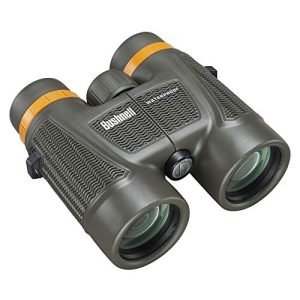
- Bushnell H2O 10×42: Waterproof and fog proof for basic needs.
- Aurosports 10×42: Affordable with clear images for short distances.
- Wingspan Optics 10×42: Compact and easy to carry.
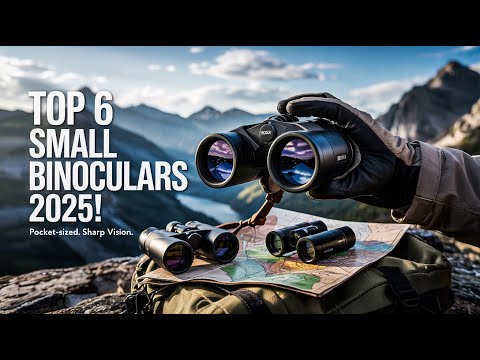
Credit: www.youtube.com
Additional Accessories To Consider
Choosing the right binoculars for mountain rescue is important. Accessories can improve their use and safety. These extras help protect and maintain your binoculars in rough conditions.
Here are some key accessories that can make a difference during mountain rescue operations.
Straps And Harnesses
Straps and harnesses keep binoculars secure and easy to reach. They help reduce hand fatigue during long searches. Look for adjustable and padded options for comfort. A harness can also distribute weight evenly across your shoulders.
- Neck straps with quick-release clips
- Chest harnesses for stability
- Padded straps for comfort
- Water-resistant materials
Protective Cases
Protective cases shield binoculars from dust, rain, and impacts. They help prevent scratches and damage during travel. Cases with secure closures and padded interiors work best for mountain rescue.
| Type | Features | Use |
| Hard Case | Shockproof, waterproof | Extreme conditions |
| Soft Case | Lightweight, padded | Daily use |
| Neoprene Sleeve | Flexible, water-resistant | Quick access |
Lens Cleaning Kits
Clear vision is critical in rescue work. Lens cleaning kits keep binocular lenses free from dirt and smudges. Kits usually include brushes, cloths, and cleaning solutions safe for optics.
- Microfiber cleaning cloths
- Soft lens brushes
- Air blowers to remove dust
- Non-abrasive cleaning fluid
Tips For Using Binoculars In Mountain Rescue
Binoculars are vital tools for mountain rescue teams. They help spot people and dangers from far away.
Using binoculars correctly makes searches safer and faster. Follow these tips to get the best results.
Proper Handling Techniques
Hold binoculars steady to avoid blurry views. Use both hands and keep elbows close to your body.
Adjust the focus slowly to get clear images. Avoid quick or rough movements to keep sight stable.
- Use a neck strap to prevent dropping
- Keep binoculars close to your eyes
- Practice focusing before starting a search
Maintenance In Harsh Conditions
Mountain rescue often means cold, wet, and dusty places. Keep binoculars clean and dry to work well.
Store binoculars in a protective case after use. Check lenses for dirt and wipe gently with a soft cloth.
- Use lens covers when not in use
- Dry binoculars before storing
- Check for damage after each rescue
Maximizing Visibility
Choose binoculars with good lens quality and proper magnification for mountain rescue. Bright lenses help in low light.
Use the right settings to reduce glare and improve contrast. Scan slowly in wide areas to cover more ground.
- Pick binoculars with 8x to 10x magnification
- Use wide field of view for scanning
- Adjust eyecups to fit your eyes
Frequently Asked Questions
What Features Make Binoculars Ideal For Mountain Rescue?
Mountain rescue binoculars should have high magnification, wide field of view, and excellent light transmission. They must be durable, waterproof, and fog-resistant to perform well in harsh conditions.
How Important Is Magnification In Rescue Binoculars?
Magnification between 7x and 10x is ideal for mountain rescue. It balances detail clarity and image stability, aiding effective search and observation over long distances.
Should Binoculars Be Waterproof For Mountain Rescue?
Yes, waterproof binoculars are essential. They withstand rain, snow, and moisture, ensuring reliable performance in unpredictable mountain weather during rescue missions.
What Size And Weight Are Best For Rescue Binoculars?
Compact and lightweight binoculars are preferred for mountain rescue. They reduce fatigue and are easy to carry without compromising optical quality.
Conclusion
Choosing the right binoculars can save lives during mountain rescue. Clear vision helps rescuers find people faster. Lightweight and durable models work best in tough conditions. Good zoom and wide view improve search results. Always pick binoculars designed for outdoor use.
Remember, simple tools make a big difference in emergencies. Stay prepared and keep safety in mind. The right binoculars are essential for every rescue team.