When you’re choosing binoculars, you want gear that performs well no matter the weather. You might have come across the term “nitrogen-purged” and wondered if your ED binoculars have this feature.
Why does it matter? Because nitrogen-purging helps keep your view clear and fog-free, even in tough conditions. If you want to know how this works and whether your binoculars offer it, keep reading. This simple detail could make a big difference in your outdoor experience.
What Nitrogen-purging Means
Nitrogen-purging is a process used in optics to protect lenses. It involves filling the inside of optical devices with nitrogen gas. This helps keep the lenses clear and free from moisture.
This technique is common in binoculars, cameras, and other precision optics. It ensures better performance in different weather conditions.
Purpose Of Nitrogen In Optics
Nitrogen gas is dry and does not contain moisture. When inside an optical device, it prevents water vapor from entering. This stops the lenses from fogging up or getting damaged.
- Blocks moisture from entering the device
- Prevents internal fogging of lenses
- Stops the growth of mold and fungus
- Maintains clear and sharp images
How Nitrogen-purging Prevents Fogging
Fogging happens when warm, moist air meets a cold surface inside the optics. Nitrogen-purging removes this moist air. It replaces it with dry nitrogen gas, which does not condense or fog.
| Without Nitrogen | With Nitrogen-Purging |
| Moist air inside lenses | Dry nitrogen gas inside lenses |
| Fog forms on lens surfaces | No fog or moisture buildup |
| Images become blurry | Clear and sharp images |

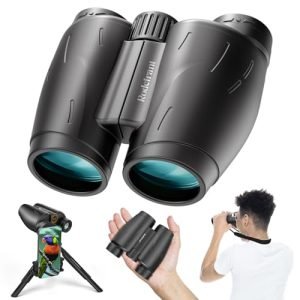
Credit: www.opticswarehouse.co.uk
Features Of Ed Binoculars
ED binoculars use special glass to improve image quality. They help reduce color blur and offer sharp views.
Many users wonder if ED binoculars are nitrogen-purged. Nitrogen helps keep lenses clear and fog-free inside.
What Ed Glass Offers
ED stands for Extra-low Dispersion glass. It reduces color fringing around objects.
This glass type helps create clearer, brighter images. It also improves contrast in different light conditions.
- Sharper image details
- Less color distortion
- Better light transmission
- Improved contrast and clarity
Common Construction Materials
ED binoculars often use materials that protect the lenses and body. This makes them durable and easy to use.
Many models are nitrogen-purged. Nitrogen gas prevents fog inside the binoculars. The body is usually made of rubber or plastic.
- Rubber coating for grip and shock resistance
- Aluminum or magnesium body for light weight
- Glass lenses with ED elements
- Nitrogen or argon gas to stop internal fogging
Nitrogen-purging In Ed Binoculars
Nitrogen-purging is a process used in many binoculars. It helps keep moisture and fog out of the lenses. This process is important for keeping clear views.
ED binoculars often have special coatings and lenses. Nitrogen-purging can protect these parts from damage caused by water and air inside the binoculars.
Manufacturers’ Practices
Many binocular makers fill the inside of their ED binoculars with dry nitrogen gas. This gas replaces air, stopping fog from forming inside. The nitrogen also protects the lenses from moisture damage.
Not all brands use nitrogen-purging, but most high-quality ED binoculars do. Some manufacturers also seal the binoculars tightly to keep nitrogen inside for a long time.
- Use dry nitrogen gas inside the binoculars
- Seal the binoculars to keep moisture out
- Improve lens protection and image clarity
- Reduce fogging in cold or humid conditions
Identifying Nitrogen-sealed Models
You can often find out if ED binoculars are nitrogen-purged by checking the product details. Makers usually mention this feature because it adds value.
Look for words like “nitrogen-filled” or “nitrogen-purged” in the description. Sometimes, binoculars have a small marking or label that shows they are sealed with nitrogen.
- Check product descriptions for nitrogen-purged labels
- Look for airtight seals on the binocular body
- Read reviews or ask the seller about nitrogen filling
- Note that nitrogen filling helps prevent fogging

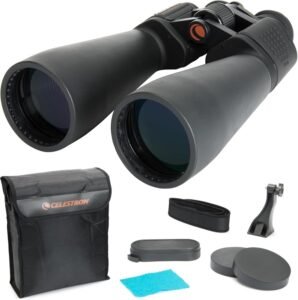
Credit: www.amazon.in
Benefits Of Nitrogen-purged Binoculars
Nitrogen-purged binoculars are filled with nitrogen gas. This helps keep the inside free from moisture and dust.
This feature makes binoculars last longer and work better in different weather conditions.
Enhanced Durability
Nitrogen gas stops moisture from entering the binoculars. This prevents fogging inside the lenses.
It also protects the binoculars from rust and corrosion caused by water or humidity.
- Prevents internal fogging
- Blocks moisture damage
- Protects against rust and corrosion
- Improves lifespan of binoculars
Improved Image Clarity
Without moisture inside, the lenses stay clear. This helps you see sharper and brighter images.
Nitrogen also prevents tiny dust particles from gathering inside the binoculars. This keeps your view clean.
- Clear lenses for better vision
- Reduces haze and fog inside
- Keeps dust from clouding view
Alternatives To Nitrogen-purging
Binoculars need protection from moisture inside the lenses. Nitrogen-purging is one method to stop fog and fungus. There are other ways to keep binoculars clear and dry.
This article looks at two popular alternatives to nitrogen-purging. These methods also help keep your view sharp and fog-free.
Argon Gas Sealing
Argon gas is heavier than air and helps stop moisture inside binoculars. It replaces the air in the tube, which lowers the chance of fogging. Argon is less common but still effective.
- Argon gas fills the space inside the binoculars.
- It prevents internal fog by blocking moisture.
- Argon is safe and does not harm the lenses.
- It helps protect against fungus growth.
- Argon-filled binoculars may cost a bit more.
Other Anti-fog Technologies
Besides gas sealing, manufacturers use coatings and materials to stop fog. These technologies work on the lens surface or inside the binocular body.
| Technology | How It Works | Benefits |
|---|---|---|
| Hydrophobic Coatings | Repels water from lens surface | Keeps lenses clearer in wet conditions |
| Silica Gel Inserts | Absorbs moisture inside binoculars | Reduces fog and fungus risk |
| Desiccant Seals | Blocks moisture entry | Protects internal parts from humidity |
| Anti-Fog Lens Treatments | Prevents condensation buildup | Improves clarity during temperature changes |
How To Check Your Binoculars
Knowing if your binoculars are nitrogen-purged helps protect them from fog and moisture.
There are easy ways to find out if your binoculars have this feature.
Inspecting Product Specifications
Check the product details on the box or manual. Look for words like “nitrogen-purged” or “fog-proof.”
- Look for terms such as “nitrogen-filled” or “sealed.”
- Check if the binoculars are described as waterproof or fog-proof.
- Find the model number and search online for detailed specs.
Contacting The Manufacturer
If the specs are unclear, contact the maker directly. They can confirm if your binoculars are nitrogen-purged.
| Contact Method | What to Ask |
| Is my binocular model nitrogen-purged? | |
| Phone | Does this model resist fog and moisture? |
| Website | Where can I find detailed product specs? |

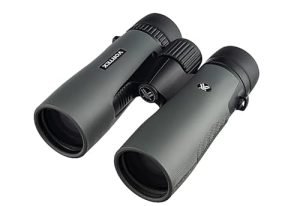
Credit: www.walmart.com
Frequently Asked Questions
Are Ed Binoculars Usually Nitrogen-purged?
Yes, most ED binoculars are nitrogen-purged. This process removes moisture, preventing internal fogging and enhancing durability in various weather conditions.
Why Is Nitrogen Purging Important For Binoculars?
Nitrogen purging prevents internal fogging and condensation. It improves clarity and protects lenses from mold and corrosion, ensuring long-lasting performance.
How Can I Tell If My Ed Binoculars Are Nitrogen-purged?
Check the product specifications or user manual. Manufacturers often mention nitrogen purging as a key feature in high-quality ED binoculars.
Does Nitrogen Purging Affect Binoculars’ Waterproofing?
Yes, nitrogen purging complements waterproof sealing. It ensures binoculars remain fog-free and fully functional even in wet or humid environments.
Conclusion
Ed binoculars often use nitrogen gas inside. This helps stop fog from forming inside lenses. Fog can block your view and cause problems. Nitrogen-purging keeps the binoculars clear in cold or wet weather. Not all models have this feature, so check before buying.
Choosing nitrogen-purged binoculars means better performance outdoors. They last longer and stay clear in many conditions. Consider this feature if you want clear, sharp views. It makes a real difference when you need it most.