Are you wondering whether your child should use real binoculars or stick with toy versions? Choosing the right binoculars can make a big difference in how much your child enjoys exploring the world around them.
You want to give your kid something safe, fun, and easy to use—but also something that sparks curiosity and learning. You’ll discover the key differences between real and toy binoculars, and which option might be best for your child’s age, interests, and safety.
Keep reading to find out how to make the best choice for your little explorer!

Credit: www.amazon.ca
Benefits Of Real Binoculars
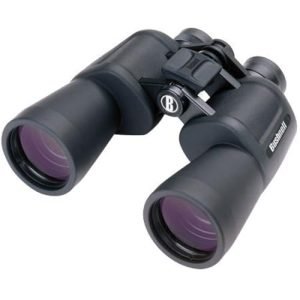
Real binoculars offer many benefits for kids. They give a clearer and sharper view than toy binoculars. Kids can enjoy looking at nature, sports, and faraway places with real binoculars.
Choosing real binoculars helps children learn more about the world. They also last longer and are made with better materials. This makes real binoculars a good choice for young explorers.
Enhanced Vision Experience
Real binoculars have stronger lenses. This lets kids see things far away in clear detail. Colors and shapes look sharper. This makes outdoor activities more fun and exciting.
- Clearer images for better viewing
- Zoom features to see far objects up close
- Wide field of view to see more at once
- Better light gathering for use in low light
Durability And Build Quality
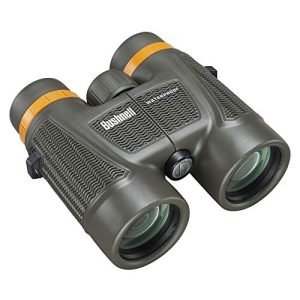
Real binoculars are made with strong materials. They can handle drops and rough use by kids. This means they last longer than toy versions. They also resist water and dust better.
| Feature | Real Binoculars | Toy Binoculars |
| Material | Metal and tough plastic | Cheap plastic |
| Water Resistance | Often water-resistant | Usually no |
| Drop Protection | High | Low |
| Lens Quality | Glass lenses | Plastic lenses |
Educational Advantages
Using real binoculars helps kids learn about nature and science. They can observe birds, plants, and animals closely. This encourages curiosity and study skills.
- Improves observation skills
- Encourages outdoor learning
- Teaches about optics and light
- Supports science projects and hobbies

Credit: www.amazon.ca
Advantages Of Toy Binoculars
Toy binoculars offer many benefits for children. They are designed to be safe and fun. Kids can enjoy exploring without worry.
These binoculars also fit well with a child’s budget and encourage creative play. Let’s look at some key advantages.
Safety And Child-friendly Design
Toy binoculars are made with children’s safety in mind. They use soft materials that reduce injury risk. The lenses are often made from plastic, which is less likely to break.
- Rounded edges prevent cuts and scratches
- Lightweight for easy handling
- Non-toxic paints and materials
- Straps or grips designed to avoid choking hazards
Affordability And Accessibility
Toy binoculars cost much less than real ones. This makes them accessible for most families. Kids can have their own pair without a big expense.
| Type | Average Price |
| Toy Binoculars | $10 – $25 |
| Real Binoculars | $50 – $200+ |
Encouraging Imaginative Play
Toy binoculars help children imagine and explore. Kids can pretend to be explorers, bird watchers, or pirates. This kind of play builds creativity and curiosity.
Imaginative play benefits include:
- Improves problem-solving skills
- Encourages social interaction
- Boosts language development
- Supports emotional growth
Comparing Usability For Different Ages
Choosing between real and toy binoculars depends on the child’s age. Each type offers different benefits and challenges.
Usability changes as kids grow. Understanding these changes helps pick the right binoculars for each stage.
Preschoolers And Early Learners
Toy binoculars suit young children best. They are light and easy to hold. Real binoculars can be heavy and tricky for them.
Kids at this age like bright colors and simple designs. Toy binoculars often have these features, making play fun and safe.
- Lightweight and small size
- Safe, without glass lenses
- Simple focus mechanisms
- Bright colors and fun shapes
- Durable for rough handling
Older Kids And Outdoor Activities
Older kids enjoy real binoculars during outdoor adventures. They get clearer views of birds, animals, and landscapes.
Real binoculars have better zoom and focus. They teach kids how to use more advanced tools and explore nature deeply.
- More powerful zoom and clear lenses
- Adjustable focus for sharp images
- Durable but heavier than toys
- Good for hiking and bird watching
- Teaches responsibility and care
Safety Considerations
Choosing binoculars for kids means thinking about safety first. Real binoculars and toy binoculars have different features that affect safety. Parents should understand these before making a choice.
Kids use binoculars close to their eyes and hands. The material and design impact how safe they are to use. Let’s look at two key safety topics: material safety and eye protection.
Material Safety
Real binoculars usually have metal and glass parts. These materials can be sharp or heavy. Toy binoculars often use plastic and softer materials. These are lighter and less likely to cause harm.
- Real binoculars can have sharp edges or pinch points.
- Toy binoculars use child-safe plastic that is lightweight and less breakable.
- Some toy binoculars use non-toxic paint and coatings for safety.
- Heavy binoculars may cause strain or be dropped easily.
- Toys are designed to avoid small parts that children can swallow.
Eye Protection
Both real and toy binoculars bring objects close to the eyes. This can cause eye strain or discomfort if used incorrectly. Real binoculars have strong lenses that can focus light intensely. Toy binoculars usually have weaker lenses that lower risk.
| Type | Eye Protection Feature | Risk Level |
| Real Binoculars | Strong lenses, may focus sunlight | Moderate to High |
| Toy Binoculars | Weaker lenses, limited focus power | Low |
Choosing The Right Binoculars
Picking binoculars for kids can be tricky. You want something safe and easy to use. The choice is between real and toy binoculars.
Each type has benefits and limits. Knowing what to look for helps you choose well.
Factors To Consider
Think about these points before buying binoculars for children.
- Size and weight: Kids need light binoculars that fit their hands.
- Durability: Look for sturdy models that can handle drops.
- Magnification: Too strong magnification can make images shaky.
- Lens quality: Clear lenses improve the viewing experience.
- Price: Balance quality with what you can spend.
- Safety: Avoid toxic materials and sharp edges.
Top Picks For Real Binoculars
Real binoculars offer better clarity and zoom. They are good for older kids who handle gear carefully.
| Model | Magnification | Weight | Price Range |
| Explorer 8×25 | 8x | 350g | Moderate |
| Vista 6×21 | 6x | 280g | Low |
| ClearView 10×30 | 10x | 420g | High |
Recommended Toy Binoculars
Toy binoculars are lighter and simpler. They suit younger kids and beginners.
- Made of plastic for safety
- No real zoom, easy to focus
- Bright colors and fun designs
- Lower cost and less fragile
- Good for play and learning

Credit: www.amazon.ca
Encouraging Outdoor Exploration
Kids learn a lot from spending time outdoors. Using binoculars helps them see far and notice details. Choosing between real and toy binoculars affects their experience outside.
Both types can encourage children to explore nature. Let’s look at how they make outdoor time fun and educational.
Making Nature Exciting
Binoculars help kids see birds, animals, and plants up close. Real binoculars offer clearer views and zoom options. Toy binoculars are light and easy to use but may not show details well.
- Real binoculars bring far objects closer and sharper.
- Toy binoculars are colorful and often more fun to carry.
- Both types make kids curious about the world.
- Real binoculars can last longer and handle rough use.
- Toy binoculars are safer for younger children.
Using Binoculars For Learning
Binoculars can teach kids about nature and science. They help develop focus, patience, and observation skills. Real binoculars give better chances for detailed study.
| Type | Best For | Learning Benefits |
| Real Binoculars | Older kids, detailed views | Clear image, zoom, spotting small details |
| Toy Binoculars | Younger kids, play and fun | Encourages interest, safe, easy to handle |
Frequently Asked Questions
Are Real Binoculars Better Than Toy Binoculars For Kids?
Real binoculars provide clearer images and durability. Toy binoculars are safer and lighter but offer lower quality. The choice depends on the child’s age and intended use.
What Age Is Appropriate For Kids To Use Real Binoculars?
Kids aged 6 and above can safely use real binoculars with supervision. Younger children may struggle with focus and handling, so toy binoculars are ideal for them.
Can Toy Binoculars Help Kids Learn About Nature?
Yes, toy binoculars encourage curiosity and outdoor exploration. They offer a hands-on experience but with limited magnification and clarity compared to real binoculars.
Are Real Binoculars Safe For Children To Use?
Real binoculars are safe if used properly and under adult supervision. They are built with stronger materials but may have small parts unsuitable for toddlers.
Conclusion
Choosing between real and toy binoculars depends on your child’s age and interest. Real binoculars offer clearer views but need careful handling. Toy binoculars are safer and easier to use for younger kids. Both types can help children explore and learn about nature.
Think about your child’s skills and how they will use the binoculars. The right choice makes outdoor adventures more fun and educational. Give your child tools that match their curiosity and ability.