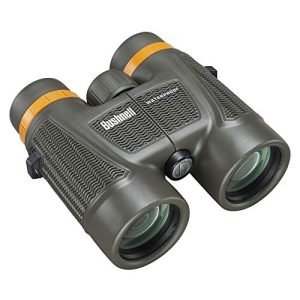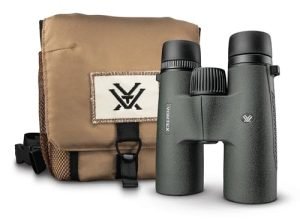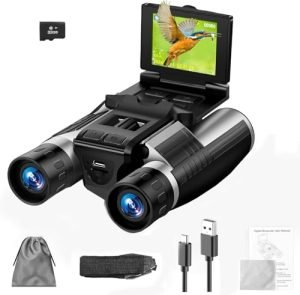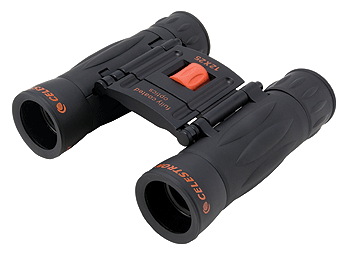
Have you ever wondered if close-focus binoculars can help you see tiny details up close during your research? Whether you’re studying plants, observing insects, or examining small objects, the right tools can make all the difference.
Close-focus binoculars might be the secret weapon you didn’t know you needed. You’ll discover how these special binoculars work, why researchers choose them, and how they can sharpen your observations. Keep reading to unlock new possibilities for your research projects.

Credit: donnallong.com
Close-focus Binoculars Basics
Close-focus binoculars help you see objects that are very near. They are useful for research that needs detailed views.
These binoculars focus on subjects just a few feet away. This makes them good for studying small things up close.
Features And Specifications
Close-focus binoculars have special features to improve near viewing. They offer sharp images of close objects.
The main specifications include close focus distance, magnification, and lens size. These affect how well you see details.
- Close focus distance:How near the binoculars can focus, often 2 to 6 feet.
- Magnification:Usually between 8x and 12x for clear viewing.
- Objective lens size:Larger lenses gather more light for brighter images.
- Field of view:Wide views help track moving subjects up close.
- Eye relief:Comfort for users who wear glasses.
Types And Models
There are different types of close-focus binoculars based on design and use. Some are made for specific research fields.
Models vary by size, weight, and optical quality. Researchers pick binoculars that fit their work needs.
- Porro prism binoculars:Known for good depth perception and wide field of view.
- Roof prism binoculars:Compact and durable for outdoor research.
- Waterproof models:Useful in wet or humid environments.
- High magnification models:For detailed study of very small objects.

Credit: swoptics.co.uk
Research Applications
Close-focus binoculars are useful tools in many research fields. They help scientists see small details from a short distance. This makes them ideal for observing subjects without disturbing them.
Researchers use these binoculars to study animals, plants, and ancient sites. They improve accuracy and ease in fieldwork. The following sections explain key uses in research.
Field Studies In Biology
Biologists often use close-focus binoculars to watch animals and plants up close. These binoculars help spot small behaviors and details that regular binoculars might miss.
- Observe insect activity on flowers
- Study bird nesting habits without intrusion
- Monitor small amphibians in their natural habitat
- Identify plant species with fine leaf details
Environmental Monitoring
Environmental scientists use close-focus binoculars to track changes in ecosystems. They can check water quality indicators or watch wildlife reactions to pollution.
| Task | How Close-Focus Binoculars Help |
| Water quality check | See small aquatic plants and animals clearly |
| Wildlife count | Count species in dense vegetation |
| Pollution impact | Observe animal behavior changes near pollutants |
Archaeological Surveys
Archaeologists use close-focus binoculars to examine artifacts and site features. These tools help them see small carvings or inscriptions from a distance.
Key benefits include:
- Inspecting fragile objects without touching
- Surveying large areas with detailed focus
- Spotting subtle soil marks or color changes
Advantages In Research
Close-focus binoculars help researchers observe objects very near to them. This ability is useful in many types of studies.
These binoculars bring clear details and are easy to carry. They support detailed and flexible fieldwork.
Enhanced Detail Observation
Close-focus binoculars allow researchers to see small details up close. This helps in studying plants, insects, and other tiny subjects.
They reduce eye strain by letting users keep both eyes open. This makes long observation sessions easier and more accurate.
Portability And Ease Of Use
These binoculars are usually lightweight and compact. Researchers can carry them easily to different sites.
Simple focus controls make them quick to adjust. This saves time and helps capture fast changes in the field.

Credit: www.lidl.ie
Limitations And Challenges
Close-focus binoculars have special uses in research. They let users see things that are very near. Still, these binoculars have some limits and problems.
These challenges can affect how well they work in different studies. Knowing these issues helps scientists choose the right tool.
Range Restrictions
Close-focus binoculars work best for objects near the viewer. They cannot focus on faraway things well. This limits their use in research that needs long-distance observation.
Researchers studying distant wildlife or landscapes may find these binoculars less useful. The short focus range means they must be close to their subject.
Image Clarity Issues
Close-focus binoculars can have problems with image sharpness. At very close distances, the picture may blur or distort. This can make it hard to see details clearly.
Lighting and lens quality also affect clarity. Poor lighting or low-quality lenses can reduce image sharpness. This challenge limits their use in some precise research tasks.
Comparisons With Other Optical Tools
Close-focus binoculars are special tools used to see objects nearby clearly. They help in research by showing details at a short distance.
Researchers use many optical tools. We compare close-focus binoculars with microscopes and standard binoculars to understand their uses.
Microscopes
Microscopes show very small things that are invisible to the eye. They have high magnification and can see tiny cells and bacteria.
Close-focus binoculars do not magnify as much as microscopes. They are better for seeing objects that are close but still visible to the eye.
- Microscopes are used for very small samples
- Close-focus binoculars are used for larger close objects
- Microscopes need stable setup; binoculars are portable
Standard Binoculars
Standard binoculars help view distant objects clearly. They have a longer focus range but do not work well for close objects.
Close-focus binoculars work well at short distances. They let researchers see details nearby that standard binoculars cannot show.
- Standard binoculars are best for far views
- Close-focus binoculars focus on near objects
- Both are portable and easy to use outdoors
Future Trends
Close-focus binoculars are becoming more useful in research fields. They help scientists observe small details in nature and technology.
The technology and roles of these binoculars are growing. This section explores what lies ahead for their use in research.
Technological Innovations
New materials and lenses improve image clarity in close-focus binoculars. Digital features like built-in cameras and sensors are also being added.
- Lightweight frames for easier handling
- Improved zoom for sharp close-up views
- Integration with smartphones and tablets
- Enhanced image stabilization technology
Expanding Research Roles
Close-focus binoculars are now used in many research areas. They help in studying plants, insects, and small animals without disturbance.
| Research Field | Use of Close-Focus Binoculars |
| Botany | Examining leaf structures and flowers |
| Entomology | Observing insect behavior and anatomy |
| Marine Biology | Watching small sea creatures near shores |
| Material Science | Inspecting fine details on materials |
Frequently Asked Questions
What Are Close-focus Binoculars Used For In Research?
Close-focus binoculars help researchers observe small or nearby objects clearly. They are essential in fields like biology and ecology for detailed studies.
Can Close-focus Binoculars Improve Field Research Accuracy?
Yes, they provide sharp images at short distances, enhancing observation precision. This helps researchers collect more accurate data in natural environments.
Do Scientists Prefer Close-focus Binoculars Over Regular Ones?
Scientists choose close-focus binoculars when studying subjects close by. Their ability to focus at short ranges makes them preferable for specific research tasks.
Are Close-focus Binoculars Suitable For Wildlife Research?
Absolutely. They allow researchers to observe animals closely without disturbance. This aids in behavioral studies and ecological monitoring.
Conclusion
Close-focus binoculars help researchers see details up close. They work well for studying plants, insects, and small animals. Scientists can observe fine features without disturbing subjects. These binoculars add value to fieldwork and lab studies alike. Their use in research shows practical benefits.
Choosing the right binoculars depends on the task. Clear vision supports better data and findings. Close-focus binoculars remain a useful tool for many scientists.