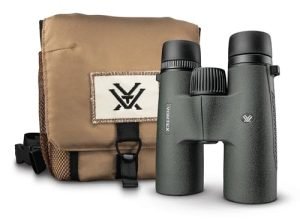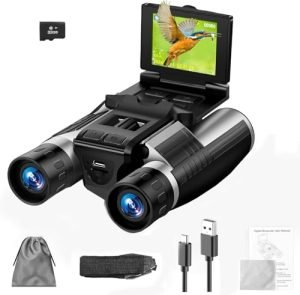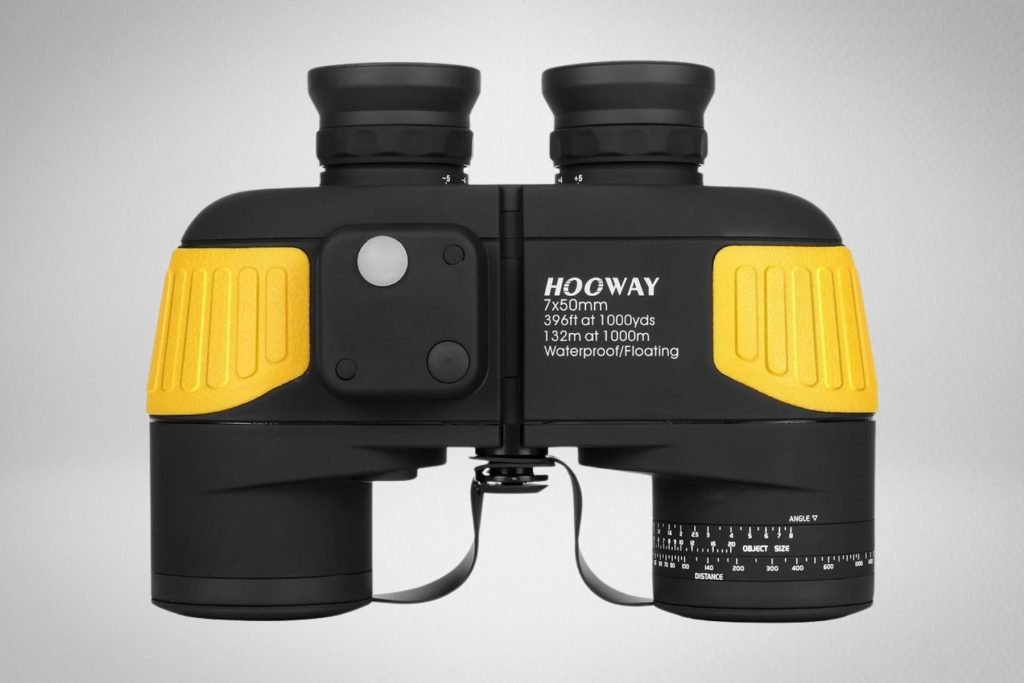
Are you planning a marine trip and wondering which binoculars will give you the best view? Choosing the right pair can make a huge difference when you’re out on the water.
Roof prism binoculars are popular, but are they really the best choice for marine adventures? You’ll discover the pros and cons of roof prism binoculars and find out if they’re the perfect match for your next sea voyage. Keep reading to make sure you pick gear that keeps your vision sharp and your experience unforgettable.

Credit: www.amazon.com
Roof Prism Binoculars Basics
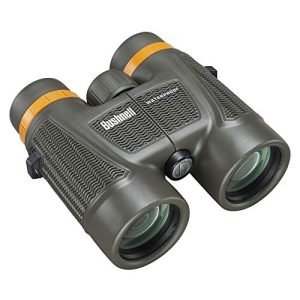
Roof prism binoculars are popular for their compact design. They use straight barrels that align the lenses and prisms in a straight line.
This design helps keep the binoculars small and easy to carry. Many people choose them for outdoor activities.
Design And Structure
Roof prism binoculars use prisms arranged in a straight line inside the tubes. This design makes the binoculars slim and lightweight.
- Compact and easy to hold with one hand
- Barrels are straight, making them easier to mount
- Sealed body often resistant to water and dust
- Internal focusing system protects lenses
Advantages Over Porro Prisms
| Feature | Roof Prism | Porro Prism |
|---|---|---|
| Size | Smaller and more compact | Larger and bulkier |
| Weight | Lighter | Heavier |
| Durability | Better sealing, often waterproof | Less sealed, can let in dust |
| Image Quality | Sharp, but requires precise alignment | Good, with wide field of view |
| Cost | Usually more expensive | Generally less costly |
Marine Trip Requirements
Binoculars are important tools for marine trips. They help you see distant objects clearly on the water.
Choosing the right binoculars depends on the conditions at sea. You need features that handle water, weight, and clear views.
Water Resistance And Durability
Marine trips expose binoculars to water, salt, and rough use. Water resistance is essential to protect them from damage.
Durable materials help binoculars last longer on boats. Rubber coatings provide grip and shock protection.
- Look for waterproof or water-resistant models
- Check for fog-proof features inside lenses
- Choose binoculars with rubber armor for extra protection
Weight And Portability
Lightweight binoculars make it easier to carry and use on boats. Heavy binoculars can tire your hands quickly.
Compact designs fit well in bags or pockets. Portability is helpful when moving around the boat or hiking ashore.
- Choose binoculars that are light but sturdy
- Smaller size helps with quick use and storage
- Consider neck straps or cases for easy carrying
Optical Clarity In Marine Conditions
Clear vision is important for spotting landmarks, boats, or wildlife. Marine conditions can affect image quality.
Binoculars with good lenses reduce glare and improve sharpness. Bright and clear images help in low light or mist.
- Look for binoculars with coated lenses for brightness
- Choose models that reduce reflections and glare
- High magnification is helpful but can be harder to hold steady
Performance Of Roof Prism Binoculars At Sea
Roof prism binoculars are popular for their compact design. They are often used on marine trips. Their performance on the water can differ from other types of binoculars.
Understanding how these binoculars work at sea helps you choose the best pair. This article looks at three key areas of performance.
Image Stability On Moving Vessels
Boat movement causes shaking and makes images hard to see. Roof prism binoculars are usually lightweight and easy to hold. This helps reduce hand fatigue but may not fully stop image shake.
- Smaller size helps with quick spotting.
- Less bulk means easier handling on rocking boats.
- Image stabilization features are rare in roof prism models.
- Using a tripod or steady support can improve stability.
Light Transmission And Brightness
At sea, light can change fast. Roof prism binoculars tend to have a straight design that may lose some light compared to porro prisms. Good lens coatings help increase brightness.
| Feature | Effect on Brightness |
| Lens Coatings | Reduce glare and improve light transmission |
| Objective Lens Size | Larger lenses gather more light |
| Prism Type | Roof prisms have slightly lower brightness than porro prisms |
| Exit Pupil | Wider exit pupil helps in low light |
Fog And Moisture Handling
Marine environments are wet and foggy. Roof prism binoculars often come with waterproof and fog-proof features. These features protect the optics and improve durability.
- Sealed O-rings stop water from entering.
- Nitrogen or argon gas fills prevent internal fogging.
- Rubber armor offers grip and shock protection.
- Good waterproof rating is important for sea use.

Credit: www.amazon.ca
Comparing With Other Binocular Types
Choosing binoculars for marine trips involves understanding different prism types. Roof prism binoculars are popular but not the only option. Comparing them with other types helps find the best fit for sea use.
This comparison looks at Porro prism binoculars and compact, waterproof models. Each type has strengths that matter on the water.
Porro Prism Binoculars
Porro prism binoculars have a wider shape and offset eyepieces. They often offer better depth perception and a wider field of view. These features help see objects clearly on the water.
- Better light transmission than roof prism models
- Usually heavier and bulkier
- More affordable for similar optical quality
- Less waterproof without special sealing
Porro prism binoculars can be good for marine trips if you do not mind the size. They provide clear images but may need extra care to keep dry.
Compact And Waterproof Models
Compact binoculars are easy to carry on boats and around docks. Many have waterproof and fog proof features. This makes them practical for wet and changing marine conditions.
| Feature | Compact Binoculars | Roof Prism Binoculars |
|---|---|---|
| Size | Small and lightweight | Usually slim but longer |
| Waterproof | Often fully waterproof | Depends on model, many are waterproof |
| Durability | Good for rough use | Durable but can be delicate |
| Optical Quality | May sacrifice some clarity | High clarity and sharpness |
| Price | Moderate to high | Moderate to high |
Top Roof Prism Binoculars For Marine Use
Roof prism binoculars are popular for marine trips. They are compact and easy to handle on boats.
Choosing the right binoculars helps you see distant objects clearly on water. This guide highlights top roof prism binoculars for marine use.
Features To Look For
Marine binoculars must handle tough conditions. Look for features that improve durability and viewing comfort.
- Waterproof and Fogproof:Prevents damage from splashes and humidity.
- Good Magnification:Usually 7x or 8x for steady images on moving boats.
- Wide Field of View:Helps spot objects quickly on open water.
- Durable Build:Strong materials resist shocks and drops.
- Anti-Reflective Coatings:Improves light transmission and image brightness.
- Lightweight and Compact:Easy to carry and use for long periods.
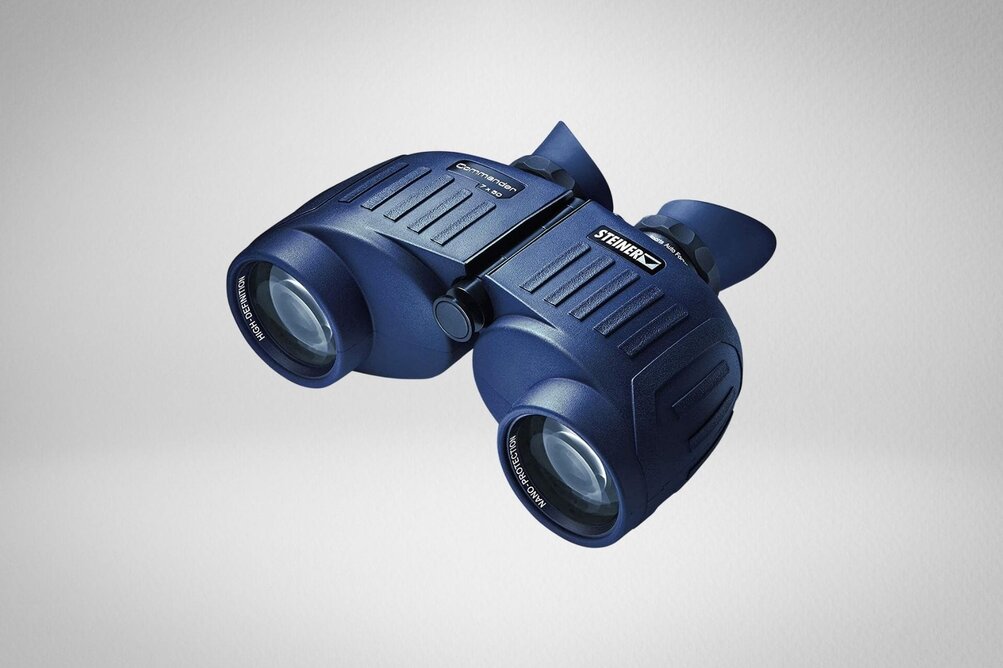
Recommended Models
Some roof prism binoculars stand out for marine use due to their features and reliability. These models offer good performance on water.
- Model A:Waterproof, 8x magnification, wide field of view.
- Model B:Lightweight, fogproof, durable rubber armor.
- Model C:Fully multi-coated lenses, compact design, waterproof.
- Model D:7x magnification, excellent clarity, shockproof body.
- Model E:Nitrogen-filled for fog resistance, good grip texture.
Credit: www.boatsailmag.com
Care Tips For Marine Binoculars
Marine trips can be tough on binoculars. Saltwater, sun, and moisture can damage them. Proper care helps your roof prism binoculars last longer.
Taking simple steps to clean and store your binoculars protects them. This keeps your view clear on every trip.
Cleaning And Maintenance
Clean your binoculars after every marine trip. Salt and dirt can build up on the lenses and body. Use soft cloths and gentle cleaners made for optics.
Avoid using harsh chemicals or rough materials. These can scratch the lenses or damage coatings. Check moving parts and adjust if they feel stiff.
- Use a soft brush to remove dust and sand.
- Wipe lenses with a microfiber cloth.
- Use lens cleaning solution for smudges.
- Dry binoculars fully before storing.
- Check for loose screws or parts regularly.
Storage And Protection
Store your binoculars in a dry, cool place. Avoid leaving them in direct sunlight or in hot areas like cars. Heat can damage the internal parts.
Use a protective case to keep dust and moisture away. Carry binoculars with a strap to prevent drops. Keep silica gel packs nearby to absorb moisture.
- Store in a padded case after cleaning.
- Keep away from extreme heat or cold.
- Use a neck strap to avoid accidental drops.
- Place silica gel packets in the storage case.
- Open the case occasionally to air them out.
Frequently Asked Questions
Are Roof Prism Binoculars Water-resistant For Marine Trips?
Yes, many roof prism binoculars are water-resistant or waterproof. This feature protects them from splashes, rain, and humidity during marine trips. Check product specifications to ensure they have proper sealing and nitrogen purging for fog resistance.
Do Roof Prism Binoculars Offer Clear Marine Viewing?
Roof prism binoculars provide sharp, bright images with good color fidelity. Their compact design reduces distortion, making them excellent for spotting distant objects on water. Quality optics enhance clarity, crucial for marine navigation and wildlife observation.
Are Roof Prism Binoculars Durable Enough For Sea Conditions?
Yes, roof prism binoculars are generally sturdy and compact. Many models feature rubber armor for shock resistance and secure grip. Their robust build withstands rough handling and harsh marine environments, making them reliable for sea adventures.
How Do Roof Prism Binoculars Compare To Porro Prisms At Sea?
Roof prism binoculars are more compact and waterproof, ideal for marine use. Porro prisms often offer better depth perception but are bulkier and less sealed. Roof prism designs suit marine trips due to durability and ease of handling.
Conclusion
Roof prism binoculars suit marine trips well. They offer clear images and strong build quality. Their compact size fits easily on boats. Water resistance helps in wet conditions. Bright views make spotting easier at sea. Choose models with good grip and coatings.
They balance performance and convenience nicely. Ideal for both beginners and experienced sailors. Trust roof prism binoculars for your marine adventures. Safe and enjoyable trips start with the right gear.