Have you ever wondered how entomologists get such a close look at tiny insects without disturbing them? If you’re curious about the tools experts use to study the intricate world of bugs, you might be asking yourself: are close-focus binoculars part of their toolkit?
These special binoculars promise sharp, detailed views up close, but do they really help entomologists in their work? Keep reading to discover the surprising truth and learn how these devices could change the way you explore the miniature world around you.
Close-focus Binoculars Basics
Close-focus binoculars let you see objects that are very near. They are useful for viewing small creatures like insects.
Entomologists often use these binoculars to watch insects without disturbing them. The binoculars show clear details at short distances.
Features Of Close-focus Binoculars
Close-focus binoculars have special features that help in seeing nearby objects clearly. Their lenses allow focusing on things just a few feet away.
- Minimum focusing distance is usually 2 to 3 feet.
- Wide field of view to track moving insects easily.
- High-quality optics for sharp and bright images.
- Lightweight design for easy handling during outdoor use.
Differences From Regular Binoculars
Regular binoculars focus well on distant objects but struggle with close ones. Close-focus binoculars specialize in near viewing but can also see far.
| Feature | Close-Focus Binoculars | Regular Binoculars |
| Minimum Focus Distance | 2-3 feet | 10+ feet |
| Field of View | Wide for close objects | Narrower for distant objects |
| Use Case | Insects, flowers, nearby wildlife | Bird watching, sports, distant scenery |
| Weight | Often lighter | Varies, sometimes heavier |
Entomologists’ Equipment Needs
Entomologists study insects in many environments. They need tools that help them see small details. Close-focus binoculars are one option to help with this work.
These tools must meet the unique demands of insect observation. Clear and close views are very important.
Visual Challenges In Insect Study
Insects are tiny and often move quickly. They live in complex places like plants or soil. Entomologists need to see fine details to identify species and study behavior.
- Small size requires close observation
- Fast movement means quick focus changes
- Natural habitats have uneven lighting
- Colors and patterns are hard to see
Importance Of Magnification And Clarity
Good magnification helps see insect parts clearly. Clarity reduces eye strain and errors. Close-focus binoculars can bring insects into sharp view without disturbing them.
| Feature | Why It Matters |
| Magnification | Shows small details clearly |
| Close Focus Distance | Allows viewing insects nearby |
| Optical Clarity | Reduces blur and eye fatigue |
| Light Weight | Easy to carry in the field |
Benefits For Insect Observation
Close-focus binoculars help entomologists study insects up close. They allow clear views of small details without disturbing the insects.
These binoculars make fieldwork easier and more effective. They offer sharp images and good mobility in outdoor settings.
Enhanced Detail Recognition
Close-focus binoculars bring tiny insect features into sharp focus. This helps entomologists see patterns, colors, and movements clearly.
- Magnifies small details like wing veins and antennae
- Improves accuracy in identifying insect species
- Reduces need to capture insects for closer inspection
- Helps observe behavior without disturbance
Improved Field Mobility
| Feature | Benefit |
| Lightweight design | Easier to carry during long walks |
| Close-focus range | Allows quick shifts from near to far objects |
| Durable build | Withstands outdoor conditions |
| Compact size | Fits easily in field bags |
These features let entomologists move freely and observe insects in various habitats. The binoculars support quick reactions to sudden insect activity.
Limitations In Entomology Use
Close-focus binoculars are tools that help see things nearby. Entomologists study insects, often needing detailed views. These binoculars have limits that affect their use in this field.
Understanding these limits helps entomologists choose the right tools. This improves their work with small insects in nature or labs.
Range And Focus Constraints
Close-focus binoculars work best at short distances, but not very close. Their minimum focus distance is often too far for tiny insects.
Because of this, entomologists cannot see fine insect details clearly with these binoculars.
- Minimum focus distance usually around 2 meters
- Insects require focus at just a few centimeters
- Limited magnification for very small subjects
- Difficulty in adjusting focus quickly
Alternative Tools Preferred
Entomologists often use other tools for close work. These tools offer better magnification and focus at very short distances.
Common choices include hand lenses and stereo microscopes. These allow detailed views of insect body parts and behaviors.
- Hand lenses with high magnification
- Stereo microscopes for detailed study
- Macro photography for documentation
- Digital microscopes for field use
Popular Alternatives For Entomologists
Entomologists study insects closely. They need tools to see small details well. Close-focus binoculars are one option, but not the only one.
Many entomologists choose other devices to observe insects. These tools help them get clear and detailed views.
Macro Lenses And Cameras
Macro lenses attach to cameras and allow close-up photos. They show tiny insect parts in sharp focus. This helps in detailed study and documentation.
- Macro lenses magnify small subjects greatly.
- They work well with digital cameras.
- Photos can be shared and studied later.
- Some lenses offer zoom and focus control.
- Good lighting improves image quality.
Hand Lenses And Microscopes
Hand lenses are small magnifiers that entomologists carry easily. Microscopes give much higher magnification for tiny insect features.
| Tool | Magnification | Use |
| Hand Lens | 3x to 10x | Quick field viewing |
| Stereo Microscope | 10x to 40x | Detailed lab study |
| Compound Microscope | 40x to 1000x | Cell and fine structure |

Credit: www.nocsprovisions.ca
Choosing The Right Optical Gear
Entomologists study insects and need good optical tools. Choosing the right gear helps see tiny details clearly.
Close-focus binoculars let users see objects up close. Many entomologists wonder if these binoculars fit their work.
Factors Influencing Equipment Choice
Choosing optical gear depends on the insects studied and the environment. Different insects need different viewing distances.
Some insects are very small and need close focus. Others are larger or fly away fast, needing longer viewing ranges.
- Size and type of insect
- Distance to the subject
- Lighting and weather conditions
- Ease of use in the field
Balancing Portability And Functionality
Entomologists work outdoors and carry gear all day. Light and compact tools make this easier.
Close-focus binoculars often weigh more. They can be harder to carry but provide detailed views.
- Lightweight gear helps reduce fatigue
- Strong lenses improve image quality
- Durable design suits rough outdoor use
- Compact size fits in small bags
Field Experiences And Expert Opinions
Entomologists often observe insects in their natural habitats. Using tools that help them see details up close is important. Close-focus binoculars are one such tool.
This article explores how experts use close-focus binoculars. It shares their preferences and real examples from field studies.
Entomologists’ Preferences
Many entomologists like binoculars that focus closely. They want to see small insects without disturbing them. Lightweight models are popular because they are easy to carry.
- Good close focus range, often under 3 meters
- Clear image quality to spot tiny details
- Comfortable to wear for long periods
- Durability to handle outdoor conditions
- Wide field of view for scanning plants quickly
Some experts prefer binoculars with adjustable eye cups. These help when wearing glasses. Others choose waterproof models to use in wet environments.
Case Studies Using Close-focus Binoculars
Several studies show how close-focus binoculars help in insect observation. Researchers tracked butterfly behavior with these tools. They could see wing patterns without touching the insects.
| Study | Location | Binocular Model | Observation Focus |
| Butterfly Flight Patterns | Amazon Rainforest | Model A | Wing movement and feeding |
| Beetle Activity | California Forest | Model B | Color changes and mating |
| Aphid Behavior | English Countryside | Model C | Colony growth and predators |
These case studies highlight the value of close-focus binoculars. They allow detailed observation without harming insects or plants.
Credit: www.veldshop.nl
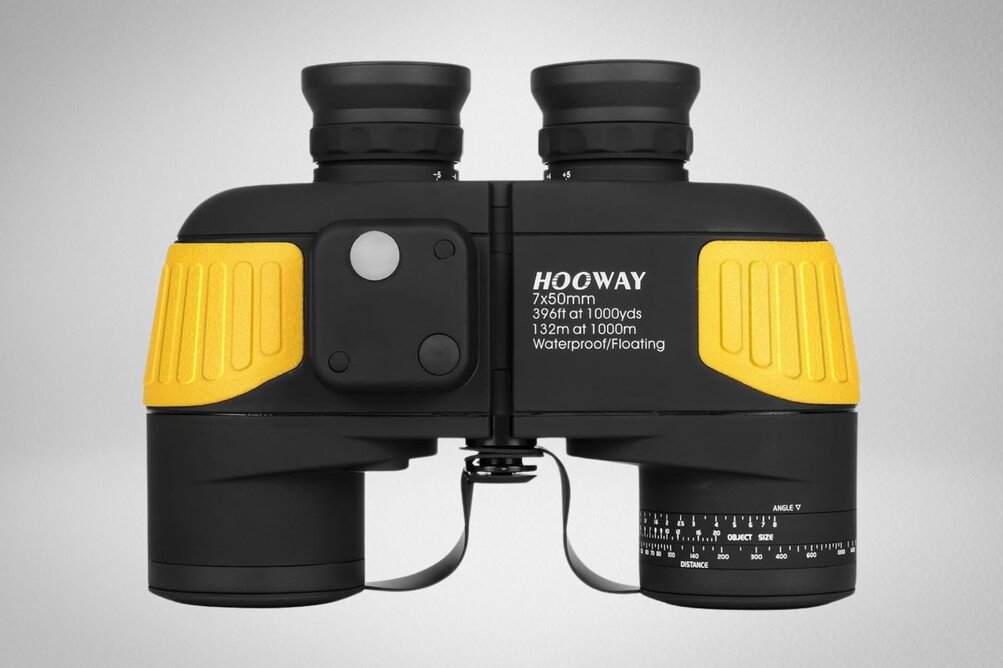
Credit: www.boatsailmag.com
Frequently Asked Questions
Are Close-focus Binoculars Essential For Entomologists?
Yes, close-focus binoculars are essential for entomologists. They allow detailed observation of insects without disturbing them. The short minimum focus distance helps study small, fast-moving insects in their natural habitat effectively.
How Do Close-focus Binoculars Benefit Insect Observation?
Close-focus binoculars offer clear, magnified views of tiny insects. This helps entomologists identify species and behavior accurately. Their portability and ease of use make them ideal for fieldwork and research.
Can Close-focus Binoculars Replace Microscopes For Entomologists?
No, binoculars cannot fully replace microscopes. Binoculars provide a quick, live view in the field. Microscopes offer higher magnification and detailed analysis in labs. Both tools complement each other in entomology.
What Features Matter In Binoculars For Entomologists?
Close minimum focus distance, clear optics, and light weight matter most. Good magnification (8x to 10x) balances detail and stability. Waterproof and durable builds help in outdoor insect studies.
Conclusion
Close-focus binoculars help entomologists see small insects up close. They make studying details easier in the field. These binoculars improve clarity and reduce eye strain. Entomologists can observe insect behavior without disturbing them. Choosing the right binoculars depends on the task and environment.
Overall, close-focus binoculars are useful tools for insect study. They offer a clear, comfortable view of tiny creatures. This makes entomology work more precise and enjoyable.