Are you worried that your close-focus binoculars might break if they take a hit? Whether you use them for birdwatching, hiking, or simply enjoying nature up close, the last thing you want is to lose your clear view because of a shock or drop.
But how tough are these binoculars really? Can they handle the bumps and knocks that come with outdoor adventures? Keep reading to discover the truth about the shock resistance of close-focus binoculars—and find out what you need to know to protect your gear and keep your vision sharp.
Close-focus Binoculars Basics
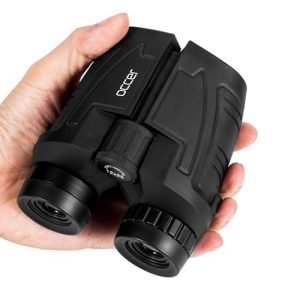
Close-focus binoculars let you see objects that are very near clearly. They are different from regular binoculars because they focus on short distances.
These binoculars are useful for watching small things up close. They are popular in many activities and hobbies.
What Makes Binoculars Close-focus
Close-focus binoculars have special lenses and focusing parts. These allow the lenses to adjust for objects near the viewer.
- Short minimum focus distance, often less than 6 feet
- High-quality optics to keep images sharp at close range
- Precise focusing mechanisms for quick adjustments
- Compact design to help with easy handling
Common Uses For Close-focus Binoculars
People use close-focus binoculars for many purposes. They help see details that normal binoculars cannot show well.
| Use | Description |
| Bird Watching | See small birds and nests clearly up close |
| Insect Study | Observe insects in their natural environment |
| Flower Viewing | Look at flower details without touching them |
| Sports Events | Focus on players and actions near the field |
| Theater | Watch actors’ expressions from close seats |
Materials And Build Quality
Close-focus binoculars need to be strong to handle daily use. Their materials and build affect how well they resist shocks.
Good materials and smart design help protect the lenses and internal parts from damage if dropped or bumped.
Durable Materials In Binocular Construction
Manufacturers use tough materials to make close-focus binoculars last longer. These materials absorb shocks and resist cracks.
Common materials include rubber coatings, metal alloys, and strong plastics. Rubber helps cushion impacts and prevents slips.
- Rubber armor covers the outer body for shock absorption.
- Aluminum and magnesium alloys offer a strong frame without extra weight.
- Polycarbonate plastics provide durable and light housing.
Impact Of Design On Shock Resistance
The design of binoculars helps spread out shocks to protect the inside parts. Good design lowers damage from drops or hits.
Features like reinforced hinges, sealed joints, and padded lens mounts increase shock resistance. These parts keep lenses stable and safe.
- Reinforced hinges avoid breakage during impacts.
- Sealed joints stop dust and moisture from harming the optics.
- Padded lens mounts cushion lenses against jolts.
Shock-resistance Features
Close-focus binoculars often face rough use outdoors. Shock resistance helps protect them from damage. This feature keeps the binoculars working well even after drops or bumps.
Many binoculars include special materials and designs. These reduce the impact on the lenses and internal parts. Shock resistance is important for durability and clear viewing.
Rubber Armor And Protective Coatings
Rubber armor covers the outside of binoculars. It acts like a cushion to absorb shocks from falls. This armor also helps keep the binoculars from slipping out of your hands.
Protective coatings add another layer of safety. These coatings guard against scratches and minor impacts. They also help keep dirt and moisture away from the binocular surface.
- Rubber armor absorbs shock and prevents slipping
- Protective coatings shield lenses from scratches
- Both increase the binoculars’ life span
Internal Lens And Prism Protection
Inside the binoculars, lenses and prisms are delicate. They need protection from sudden shocks and vibrations. Manufacturers use special mounts to hold these parts tightly.
These mounts stop the lenses and prisms from moving or breaking. Some models use foam or silicone padding inside. This padding cushions the internal parts during impacts.
- Secure mounts keep lenses and prisms stable
- Foam or silicone padding absorbs shocks
- Prevents misalignment and damage from drops

Credit: www.amazon.ca
Testing Shock Resistance
Shock resistance is important for close-focus binoculars. It helps protect lenses and internal parts from damage. Testing shows how well binoculars handle drops and impacts.
Manufacturers use different tests and standards. These tests check how strong the binoculars are against shocks during use and travel.
Common Shock-resistance Tests
Many tests simulate real-world shocks to see how binoculars hold up. These include drop tests and vibration tests. Each test measures damage or image quality after impact.
- Drop Test:Binoculars are dropped from set heights on hard surfaces.
- Vibration Test:Devices face shaking to check lens alignment and focus.
- Impact Test:A weight hits the binoculars to test frame strength.
- Temperature Shock:Rapid changes in temperature test material durability.
Manufacturer Standards And Ratings
Manufacturers follow standards to rate shock resistance. Ratings help buyers understand product toughness. Some brands use military or industry standards.
| Standard | Test Description | Rating Meaning |
| MIL-STD-810G | Drop and vibration tests under military specs | High durability for tough conditions |
| IP Ratings | Impact and dust resistance levels | Protection against shocks and particles |
| ISO 9022 | Environmental and mechanical shock tests | Ensures optical equipment reliability |
How Close-focus Affects Durability
Close-focus binoculars let you see objects very near. This feature needs special lens setups. These setups can impact the binoculars’ strength.
Binoculars must be tough to handle outdoor use. Adding close-focus ability may add parts that are delicate. This might reduce shock resistance.
Lens Configuration Challenges
Close-focus binoculars use complex lenses to focus on near objects. These lenses need precise alignment. The tight space inside can cause problems.
The added lens parts can be sensitive to drops or shocks. The more parts inside, the harder it is to keep them safe. This makes design tricky.
- Extra lenses add weight and bulk
- Tight lens spaces increase risk of damage
- Precise lens alignment is easy to lose
Potential Weak Points In Design
Close-focus binoculars may have thinner lens housings. This can lower shock protection. Hinges and moving parts also face more stress.
Small mechanical parts for focusing are delicate. They can break if dropped. Sealings might be weaker to fit the close-focus system.
- Thin housings reduce impact resistance
- Delicate focusing mechanisms risk damage
- Seals might be less robust
User Tips For Protecting Binoculars
Close-focus binoculars offer clear views of nearby objects. Protecting them keeps your lenses sharp and your device working well. Simple care habits help avoid damage and extend their life.
Learn easy tips on handling and storing your binoculars safely. Using cases and straps correctly also prevents accidents and wear.
Handling And Storage Best Practices
Hold your binoculars with both hands to keep a firm grip. Avoid touching the lenses to prevent smudges and scratches. Store them in a dry, cool place away from direct sunlight.
Keep binoculars away from dust and moisture. Use a soft cloth to clean lenses gently. Do not place binoculars face down on rough surfaces to avoid lens damage.
- Use both hands when holding binoculars
- Avoid touching the lenses directly
- Store in a dry, shaded area
- Keep away from dust and moisture
- Clean lenses with a soft cloth
- Do not place lenses on rough surfaces
Using Cases And Straps Effectively
Always use a protective case to keep your binoculars safe during transport. Choose a case that fits well and has padding to absorb shocks. This reduces the risk of damage from drops or bumps.
Attach a neck or wrist strap to prevent accidental drops. Adjust the strap length for comfort and secure fit. When not in use, hang binoculars by the strap or place them in their case.
- Use a padded case for transport
- Choose a case that fits snugly
- Attach a neck or wrist strap
- Adjust strap length for comfort
- Hang or store binoculars when not in use
Top Shock-resistant Close-focus Models
Close-focus binoculars let you see objects that are very near. They are great for nature lovers and hobbyists. But are they shock-resistant enough for rough use?
Many models are built to handle shocks and drops. This guide shows popular brands and features that make these binoculars durable.
Popular Brands And Models
Some brands offer close-focus binoculars with strong shock resistance. These models have tough outer shells and good internal padding.
| Brand | Model | Close Focus Distance | Shock Resistance |
| Vortex | Diamondback HD | 3.3 ft | Rubber armor coating |
| Nikon | Prostaff 3S | 6.2 ft | Waterproof and fogproof |
| Olympus | Tough TG | 3.3 ft | Shock-absorbing body |
| Leica | Trinovid HD | 6.6 ft | Reinforced housing |
Features That Enhance Durability
Durability depends on design and materials. Shock-resistant binoculars often have these features:
- Rubber armor to absorb impacts
- Waterproof seals to prevent damage
- Fogproof nitrogen or argon purging
- Reinforced internal frames
- Scratch-resistant lenses
These features help protect your binoculars from drops and rough handling. They also keep the optics clear and functional.

Credit: www.nocsprovisions.ca

Credit: www.amazon.ca
Frequently Asked Questions
Are Close-focus Binoculars Typically Shock-resistant?
Most close-focus binoculars have some shock resistance. However, shock resistance depends on the brand and model. Check product specifications for durability details before buying.
How Does Shock Resistance Affect Binocular Performance?
Shock resistance protects binoculars from drops and bumps. It ensures consistent optical performance and prevents internal damage during outdoor use.
Can Shock-resistant Binoculars Handle Rough Outdoor Activities?
Yes, shock-resistant binoculars are designed for rugged outdoor use. They withstand impacts, making them ideal for hiking, birdwatching, and sports events.
What Materials Improve Binocular Shock Resistance?
Rubber armor and reinforced frames enhance shock resistance. These materials absorb shocks and protect internal components from damage.
Conclusion
Close-focus binoculars often come with some shock resistance. This makes them better for outdoor use and rough handling. Still, not all models have the same durability. Checking product details helps find shock-resistant features. Proper care also extends their life and performance.
Choosing the right binoculars depends on your needs and budget. Think about where and how you will use them. This helps pick a model that fits your activities well. Shock resistance adds value but is one part of the whole.