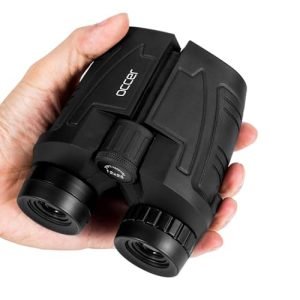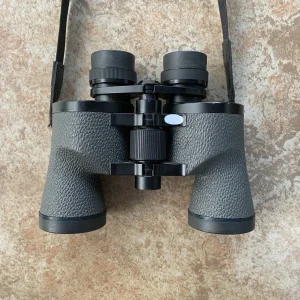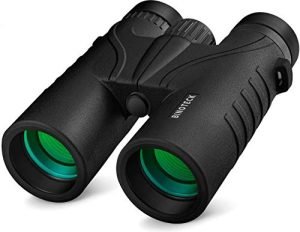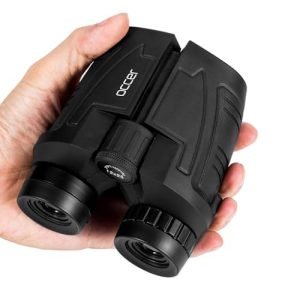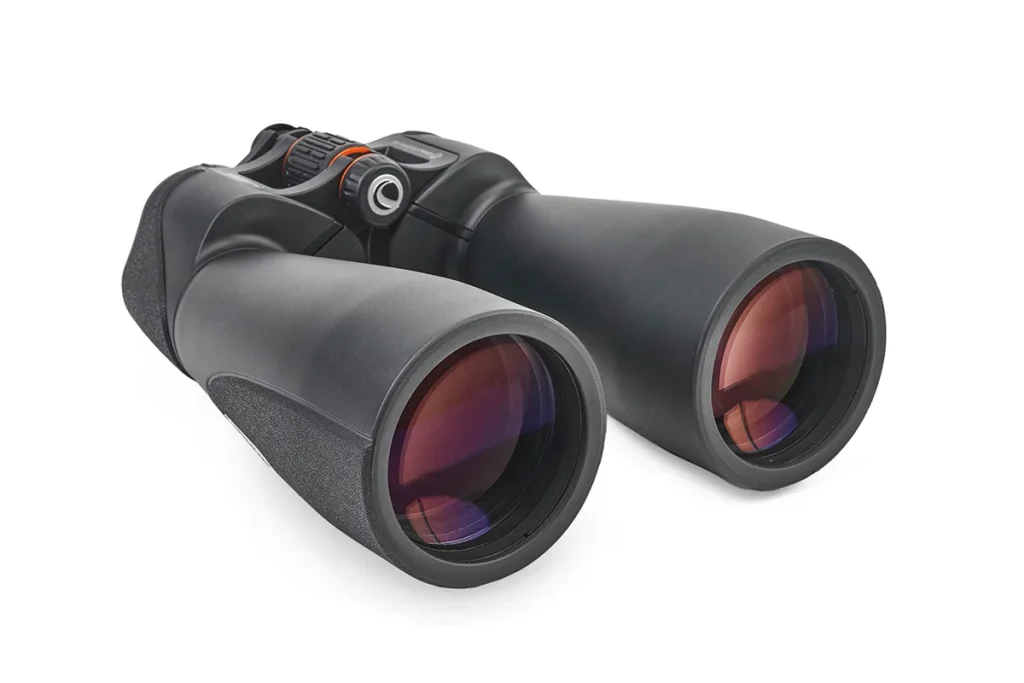
Are you curious about using ED binoculars for stargazing but unsure if they’re safe for your eyes? You might have heard mixed opinions and wonder if these powerful lenses could harm your vision or affect your experience.
The good news is, understanding how ED binoculars work and their safety can help you enjoy astronomy with confidence. Keep reading to discover the truth about ED binoculars and why they might just be the perfect tool to bring the night sky closer to you.
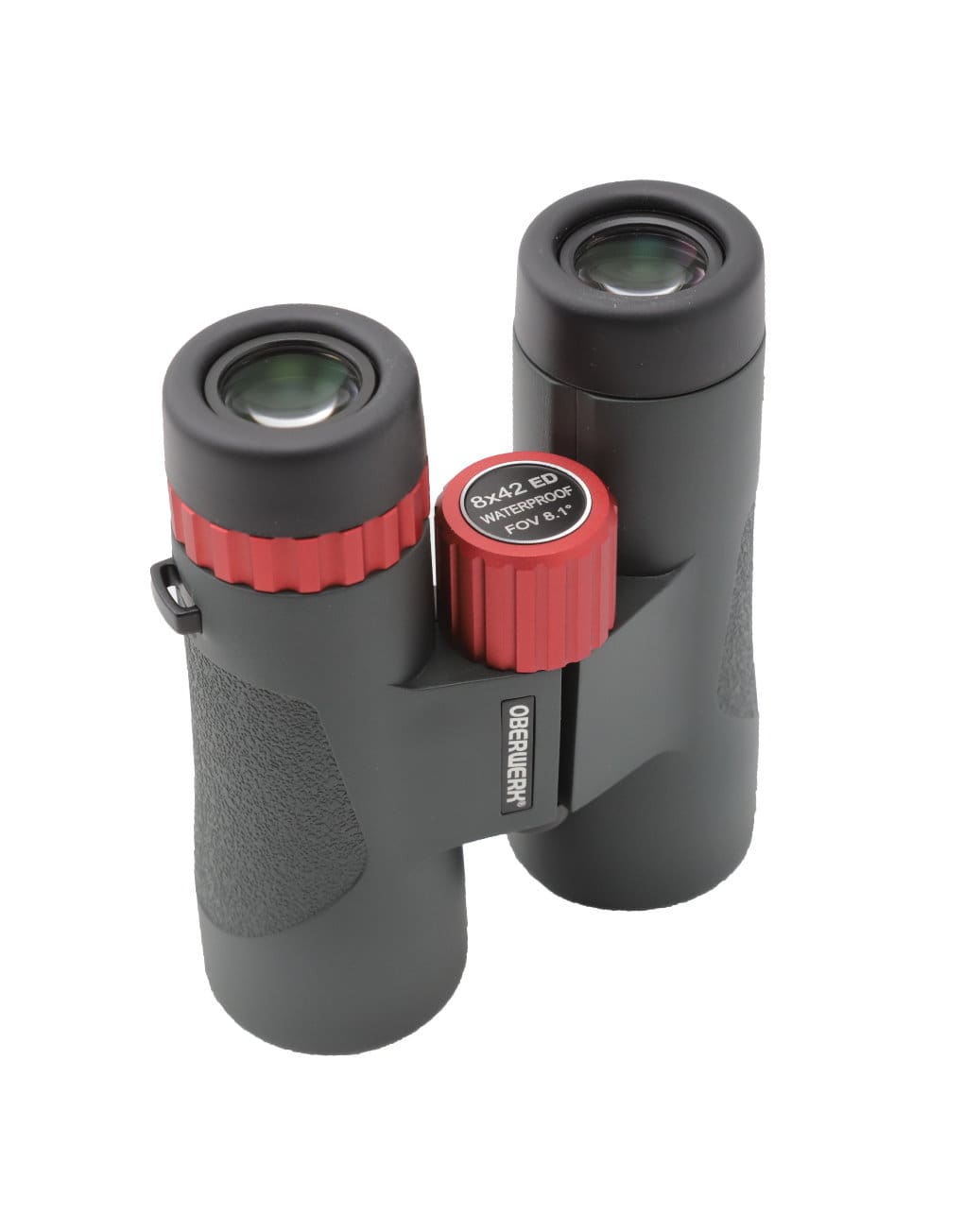
Credit: oberwerk.com
Ed Binoculars Basics
ED binoculars are popular tools for stargazing. They help you see stars and planets clearly.
These binoculars use special glass to improve the image quality. This makes them a good choice for astronomy.
What Does Ed Mean
ED stands for Extra-low Dispersion. It is a type of glass used in lenses.
This glass reduces color blur. It helps to make images sharper and clearer.
How Ed Glass Enhances Images
ED glass limits the way light spreads inside the lenses. This stops colors from mixing wrongly.
With less color blur, stars and planets look more detailed. The view is brighter and more natural.
- Sharper edges on objects
- Reduced color fringing
- Clearer views in low light
- Better contrast between stars and sky

Credit: www.skyatnightmagazine.com
Benefits For Astronomy
ED binoculars are popular for astronomy because they offer clear views of stars and planets. They help you see more details in the night sky.
These binoculars use special glass to improve how you see colors and shapes in space. They make stargazing easier and more enjoyable.
Improved Clarity And Color
ED binoculars give sharper images with bright colors. They reduce blurriness around the edges of objects.
You can spot faint stars and colorful planets better. The colors look natural and true to life.
Reduced Chromatic Aberration
Chromatic aberration causes colored edges around bright objects. ED glass lowers this problem.
This means stars and planets appear clearer without rainbow halos. It helps you focus on details without distractions.
Better Light Transmission
ED binoculars let more light reach your eyes. This makes dim stars and deep sky objects easier to see.
The improved light transmission helps during low-light conditions. You get brighter and sharper views at night.
Potential Safety Concerns
Using ED binoculars for astronomy is popular, but safety matters. Some risks can affect your eyes and comfort.
Knowing these risks helps you enjoy stargazing without harm. Two key concerns are eye strain and bright light exposure.
Eye Strain And Comfort
Staring through binoculars for long times can tire your eyes. ED binoculars focus light well, but your eyes still work hard.
- Keep sessions short to avoid fatigue.
- Take breaks every 15 to 20 minutes.
- Adjust the focus and eyecups for comfort.
- Use both eyes to reduce strain.
- Maintain good posture to avoid neck pain.
Using Binoculars With Bright Light Sources
Bright lights can damage your eyes when seen through binoculars. ED lenses do not block harmful rays completely.
| Risk | Explanation | Safety Tip |
| Solar Damage | Looking at the sun can burn your retina. | Never point binoculars at the sun. |
| Glare | Bright street or camp lights cause discomfort. | Shield your eyes or change angle. |
| Reflections | Light reflecting off surfaces can confuse vision. | Use lens caps when not in use. |

Credit: www.skyatnightmagazine.com
Comparing Ed Binoculars To Telescopes
ED binoculars and telescopes are popular tools for astronomy. Both help you see stars and planets better than the naked eye. They have different strengths and weaknesses.
This guide compares ED binoculars and telescopes. It focuses on portability, ease of use, and image quality.
Portability And Ease Of Use
ED binoculars are small and light. You can carry them in a bag or around your neck. They need no setup and are quick to use. This makes them great for beginners and casual stargazers.
Telescopes are bigger and heavier. They often need a tripod and time to set up. Some types require adjusting many parts to get a clear view. This can be hard for new users.
- ED binoculars are easy to carry and use right away
- Telescopes may need more time and space to set up
- Binoculars work well for quick views of the night sky
- Telescopes offer more features but need patience
Image Quality Differences
ED binoculars use special glass to reduce color blur. This helps make stars and planets look sharper. They give a clear, wide view of the sky but have lower magnification than telescopes.
Telescopes provide higher magnification. They show more details of planets and deep space objects. Some telescopes may have color or focus issues unless they use extra lenses or filters.
| Feature | ED Binoculars | Telescopes |
|---|---|---|
| Magnification | Low to medium (7x to 15x) | Medium to high (20x to 200x+) |
| Field of View | Wide, good for scanning sky | Narrower, focused on specific objects |
| Color Correction | Excellent with ED glass | Varies, some need extra lenses |
| Image Brightness | Bright but limited by size | Can be very bright with large apertures |
Best Practices For Safe Astronomy
Using ED binoculars for astronomy can be safe if you follow some simple rules. These rules help protect your eyes and your binoculars.
Understanding how to use and care for your binoculars will make your night sky watching better and safer.
Avoiding Direct Sunlight
Never look at the sun directly through ED binoculars. Doing this can cause serious eye damage. Binoculars focus the sunlight and make it stronger.
Always point your binoculars away from the sun, even during the day. Use them only for night sky viewing or safe daytime observations.
- Do not use binoculars to look at the sun without a special solar filter.
- Keep binoculars covered when not in use outside during the day.
- Educate children about the dangers of looking at the sun.
Proper Handling And Maintenance
Handle ED binoculars with care to keep them working well. Hold them gently and avoid dropping or hitting them.
Clean the lenses with a soft cloth designed for optics. Avoid using rough materials that can scratch the glass.
- Store binoculars in a protective case when not in use.
- Keep binoculars dry and away from dust or dirt.
- Check for loose parts and tighten them carefully if needed.
User Experiences And Reviews
Many people use Ed binoculars for astronomy. Their experiences give insight into how safe and effective these binoculars are. This article shares feedback from users and experts.
Safety is important when using any optical device for stargazing. Users have shared their thoughts on how Ed binoculars perform and if they cause any eye strain or discomfort.
Amateur Astronomers’ Feedback
Amateur astronomers often comment on the comfort and clarity of Ed binoculars. Many say these binoculars reduce eye strain during long sessions. Some users also mention the following benefits:
- Clear and bright images of stars and planets
- Less chromatic aberration compared to regular binoculars
- Comfortable to hold and easy to adjust focus
- Good for both beginners and hobbyists
Some users warn about using binoculars without proper breaks. They advise to rest eyes regularly to avoid fatigue. Overall, the feedback suggests Ed binoculars are safe when used properly.
Expert Opinions
Experts recommend Ed binoculars for astronomy because they improve image quality. They confirm these binoculars help reduce eye strain by limiting color fringing. Below is a table that compares Ed binoculars with standard binoculars based on expert reviews.
| Feature | Ed Binoculars | Standard Binoculars |
|---|---|---|
| Chromatic Aberration | Low | High |
| Eye Comfort | High | Medium |
| Image Clarity | Sharp | Moderate |
| Recommended Usage Time | Long sessions with breaks | Short sessions |
Experts advise users to avoid looking directly at bright light sources through binoculars. They note that Ed binoculars are safe for night sky observation if used with care.
Frequently Asked Questions
Are Ed Binoculars Safe For Night Sky Observation?
Yes, ED binoculars are safe for astronomy. They use extra-low dispersion glass, reducing chromatic aberration and providing clear, sharp images of stars and planets.
Can Ed Binoculars Damage Your Eyes During Stargazing?
No, ED binoculars do not harm your eyes. They enhance image clarity without increasing light intensity beyond safe levels for night use.
Why Choose Ed Binoculars For Astronomy Over Regular Ones?
ED binoculars offer better color accuracy and sharper views, making celestial objects more distinct compared to standard binoculars with regular glass.
Do Ed Binoculars Improve Visibility Of Faint Stars?
Yes, ED binoculars improve visibility of faint stars by minimizing color fringing and increasing contrast, enhancing your overall night sky experience.
Conclusion
ED binoculars offer clear and bright views of the night sky. They reduce color blur and improve image sharpness. These features make star-gazing easier and more enjoyable. Most models are safe for astronomy if used properly. Avoid looking directly at the sun with them.
Choose binoculars with good optics and comfortable design. Spend time practicing to get the best experience. Clear, steady views help you appreciate stars and planets better. ED binoculars can be a great tool for amateur astronomers. They bring the wonders of space closer to your eyes.