Have you ever wondered if your binoculars can do more than just bring distant objects closer? What if they could help you detect heat, revealing hidden things that the naked eye can’t see?
If you’re curious about how heat detection works and whether binoculars can be a tool for surveillance, you’re in the right place. Keep reading to uncover the truth about heat detection technology and how it might change the way you see the world around you.

Credit: www.optics-trade.eu
How Binoculars Work
Binoculars help us see objects far away by using lenses and prisms. They make distant things look closer and clearer.
Different types of binoculars work in different ways. Some use light, some use night vision, and others detect heat.
Optical Binoculars Basics
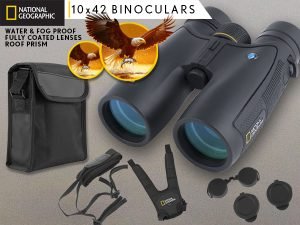
Optical binoculars use lenses to bend light and focus images. They have two tubes with eyepieces and objective lenses.
The lenses make far objects appear bigger by magnifying the image. Prisms inside flip the image right side up.
- Light enters through the front lenses
- Lenses focus the light to create a clear image
- Prisms correct the image direction
- Eyepieces let you see the magnified image
Night Vision Binoculars
Night vision binoculars let you see in low light or darkness. They use special sensors to catch tiny amounts of light.
These binoculars amplify the light to create a visible image. They do not detect heat but rely on available light.
- Collect available light from the environment
- Use sensors to amplify the light
- Show images in green or black and white
- Work best in low light, not in complete darkness
Thermal Imaging Technology
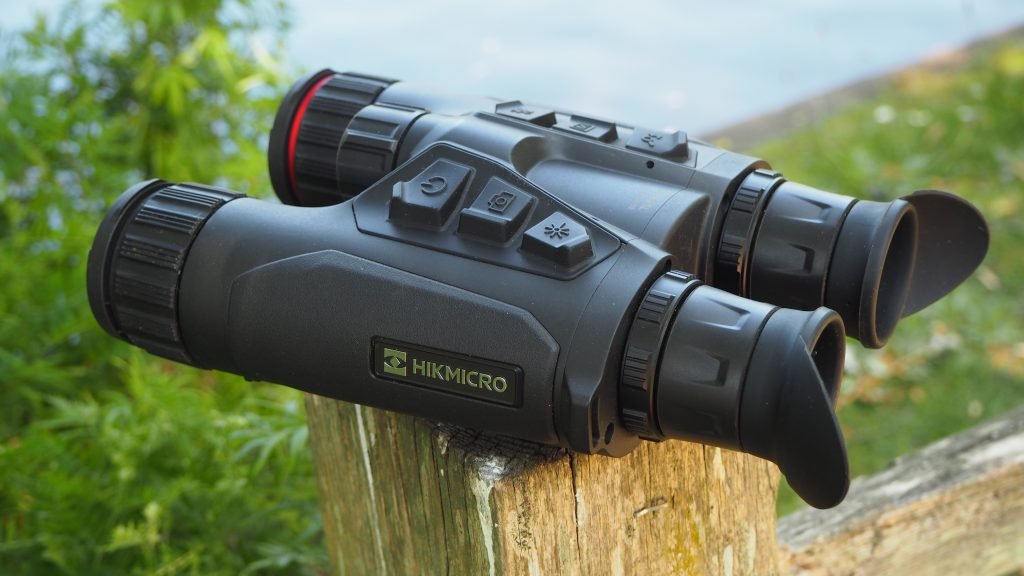
Thermal binoculars detect heat emitted by objects. They use special cameras to see temperature differences.
These devices create images based on heat, not light. They work well in darkness, fog, or smoke for surveillance.
- Detect infrared radiation from warm objects
- Convert heat signals into visible images
- Show warm objects as bright shapes
- Useful for spotting people or animals in the dark

Credit: www.optics-trade.eu
Heat Detection In Surveillance
Surveillance often needs tools to see in the dark or through obstacles. Detecting heat helps find living things or machines by their warmth. This is useful at night or in bad weather.
Binoculars are common for watching from a distance. But can they detect heat to help in surveillance? Let’s explore how heat detection works and what tools use it.
Infrared Radiation And Heat Signatures
All objects give off infrared radiation. This is heat energy that humans cannot see. Infrared sensors can detect this radiation as heat signatures.
Heat signatures show the temperature of objects. Warm-blooded animals, machines, and bodies stand out because they emit more heat. This helps find targets even in darkness.
- Infrared radiation is invisible light from heat.
- Heat signatures reveal warm objects.
- Sensors detect these signatures for surveillance.
- They work in dark or smoky conditions.
Thermal Cameras Vs. Traditional Binoculars
Traditional binoculars only show visible light. They help see far but cannot detect heat. Thermal cameras capture heat radiation and turn it into images.
Thermal cameras can spot heat signatures through fog, darkness, or light brush. They are better for detecting living beings or engines than normal binoculars.
- Traditional binoculars: See visible light only.
- Thermal cameras: Detect heat radiation.
- Thermal helps in night or bad weather.
- Binoculars provide clearer visible details.
- Thermal cameras show temperature differences.
Thermal Binoculars Features
Thermal binoculars help detect heat signatures during surveillance. They use special sensors to show temperature differences.
These devices are useful for security, wildlife watching, and search missions at night or in low visibility.
Detection Range And Resolution
Detection range defines how far the binoculars can spot heat sources. Resolution shows how clear the image is.
- Longer detection range helps find targets at greater distances.
- Higher resolution gives sharper and more detailed images.
- Both features depend on sensor quality and lens size.
Image Display And Color Palettes
Thermal binoculars show images based on heat differences. They use color palettes to highlight temperature variations.
| Color Palette | Description |
| White Hot | Warm objects appear white, cold are black |
| Black Hot | Warm objects appear black, cold are white |
| Ironbow | Colors range from blue (cool) to red (hot) |
| Rainbow | Multiple colors to show temperature details |
Battery Life And Portability
Battery life affects how long you can use the binoculars in the field. Portability matters for comfort and ease of carrying.
- Long battery life allows extended surveillance without recharging.
- Compact and lightweight designs improve portability.
- Some models have rechargeable batteries, others use replaceable ones.

Credit: nocpixusa.com
Applications Of Heat-detecting Binoculars
Heat-detecting binoculars can sense heat from objects and living beings. They show heat patterns, making it easier to find things in the dark or hidden areas.
These binoculars help in many fields, especially where seeing heat helps find or watch animals, people, or objects.
Wildlife Monitoring
Heat-detecting binoculars help scientists and wildlife watchers see animals at night or in thick forests. Animals give off heat, so binoculars can spot them even if they hide behind leaves or trees.
These binoculars help track animal movements without disturbing them. They are useful for studying rare or shy animals safely.
Security And Law Enforcement
Security teams and police use heat-detecting binoculars to find people in dark or hidden places. They help spot intruders or suspects during night patrols.
These binoculars improve safety by detecting heat signatures through smoke, fog, or darkness. They help officers act quickly and carefully.
Search And Rescue Operations
Search teams use heat-detecting binoculars to find lost or injured people. These binoculars can spot body heat from a distance, even in bad weather.
They save time by showing where people are hiding or trapped. This helps rescue teams reach victims faster and save lives.
Limitations And Challenges
Binoculars that detect heat, also called thermal binoculars, face several limits. These limits affect how well they work for surveillance.
Understanding these challenges helps users know what to expect and how to use the devices better.
Environmental Factors Affecting Performance
Thermal binoculars rely on detecting heat differences. Weather and surroundings can change how well they work.
- Rain, fog, and snow can block heat signals.
- High humidity lowers image clarity.
- Hot surfaces can confuse the sensor.
- Dense trees or walls block heat detection.
- Cold weather may reduce battery life.
Cost And Accessibility
Thermal binoculars are often expensive and hard to find. This limits who can buy or use them.
| Aspect | Details |
| Price Range | $1,000 to $10,000+ |
| Availability | Limited in some countries |
| Maintenance | Requires expert care |
| Battery Life | Often short, needs frequent charging |
Legal And Ethical Considerations
Using heat-detecting binoculars can raise legal and ethical issues. Laws vary by place.
- Privacy laws may restrict surveillance in private areas.
- Using thermal devices without permission might be illegal.
- Ethical use requires respecting people’s rights.
- Misuse can lead to fines or legal actions.
Choosing The Right Binoculars For Heat Detection
Binoculars that detect heat are useful for surveillance and spotting living things. They show heat signatures instead of just images.
Picking the right binoculars helps you see clearly in the dark or through obstacles like smoke.
Key Features To Consider
Look for binoculars with good thermal sensor quality. Higher resolution shows clearer heat images. A bigger lens helps gather more heat data.
Battery life is important for long surveillance tasks. Lightweight designs make them easy to carry. Also, check if the binoculars have zoom and image recording features.
- Thermal sensor resolution
- Lens size and quality
- Battery life and power options
- Zoom capability
- Image and video recording
- Weight and ease of use
Top Brands And Models
Some brands are known for making reliable thermal binoculars. They focus on clear images and durable designs. These brands offer models for different needs.
- FLIR – known for high-quality heat detection
- ATN – offers smart features and good resolution
- Pulsar – makes durable and easy-to-use models
- Leupold – trusted for optical clarity and build
Choosing a model depends on your surveillance needs and budget. Look for reviews and specs before buying.
Budget-friendly Options
You can find binoculars with heat detection that cost less. These usually have lower resolution but still work for basic tasks.
Budget models are good for beginners or casual users. They offer essential features without high price tags.
- Lower resolution thermal sensors
- Basic zoom functions
- Shorter battery life
- Simple designs and controls
Frequently Asked Questions
Can Binoculars Detect Heat Signatures For Surveillance?
Standard binoculars cannot detect heat. They rely on visible light. For heat detection, thermal or infrared binoculars are needed.
What Type Of Binoculars Detect Heat For Surveillance?
Thermal or infrared binoculars detect heat. They sense infrared radiation emitted by warm objects. These are ideal for night surveillance.
Are Heat-detecting Binoculars Effective At Night?
Yes, thermal binoculars excel in low light. They detect heat differences, allowing clear vision in darkness or fog.
How Do Thermal Binoculars Differ From Regular Ones?
Thermal binoculars capture infrared radiation, not visible light. They display heat patterns, revealing living beings or machinery in darkness.
Conclusion
Binoculars cannot detect heat on their own. Special thermal or infrared technology is needed. These devices sense heat and show it as images. Regular binoculars only magnify what the eye can see. For clear heat detection, use thermal imaging binoculars designed for that purpose.
This helps in night surveillance or seeing through smoke. Choosing the right tool matters for effective monitoring. Understanding these differences keeps expectations realistic and results accurate.